The Benefits and Risks of the Nuclear Age (HSC SSCE Modern History): Revision Notes
📚Revision Notes
The Benefits and Risks of the Nuclear Age
Introduction
The Nuclear Age has presented humanity with a fundamental duality. Nuclear technology offers the promise of abundant, carbon-free energy generation, but it also carries significant risks including catastrophic accidents, long-term radioactive contamination, and the potential for nuclear weapons proliferation. Understanding both the benefits and dangers of nuclear technology is essential for evaluating its role in the modern world.
Note
The dual nature of nuclear technology – its capacity for both immense benefit and devastating harm – defines one of the most significant challenges facing modern civilization. This tension between promise and peril has shaped international politics, energy policy, and environmental concerns since the 1950s.
Atoms for Peace and the International Atomic Energy Agency
Eisenhower's vision
In December 1953, as global fear about nuclear war intensified and atmospheric nuclear testing increased worldwide, US President Dwight Eisenhower delivered a groundbreaking speech to the United Nations General Assembly. His "Atoms for Peace" proposal aimed to promote the peaceful use of nuclear technology whilst preventing the spread of nuclear weapons to additional nations.
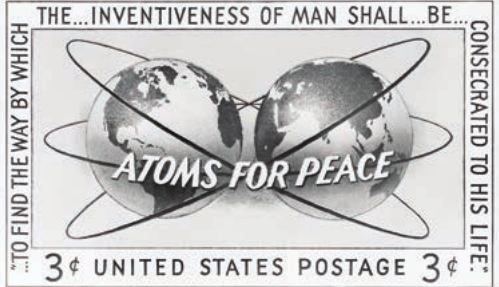
The initiative was based on the idea that nuclear technology could bring tremendous benefits to humanity if used for peaceful purposes like electricity generation, rather than destruction. Eisenhower hoped that by sharing nuclear knowledge under international supervision, the world could harness atomic energy's potential whilst controlling its dangers.
The International Atomic Energy Agency (IAEA)
Eisenhower's proposal led to the establishment of the International Atomic Energy Agency in 1957 as part of the United Nations system. The IAEA's mandate was clear: work with member states to promote safe, secure and peaceful nuclear technologies. The agency would serve as an international mechanism allowing countries to access and share nuclear technology, provided they pledged not to develop atomic weapons.
Note
The IAEA operates on a fundamental principle of reciprocity: nations gain access to nuclear technology and expertise in exchange for submitting to international inspections and agreeing not to develop nuclear weapons. This system relies on trust, verification, and the cooperation of member states.
The "Trojan horse" criticism
However, critics have argued that the IAEA's mission contained a fundamental flaw. By making nuclear technology widely available, it may have actually laid the foundations for nuclear proliferation rather than preventing it.
The IAEA's mission became embedded in the 1968 Nuclear Non-Proliferation Treaty (NPT). Under this agreement, Non-Nuclear Weapons States (NNWS) received full access to nuclear technology in exchange for promising not to acquire nuclear weapons. Meanwhile, Nuclear Weapons States (NWS) pledged under Article VI of the NPT to eventually eliminate their nuclear arsenals.
Important
Jonathan Schell described this arrangement as a "Trojan horse written into the text of a treaty." The problem became apparent over time: when the existing Nuclear Weapons States continued possessing nuclear weapons, many Non-Nuclear Weapons States began questioning why they should refrain from building their own. This logic drove Iran's pursuit of nuclear weapons capability and North Korea's successful development of nuclear arms.

Despite these criticisms, the IAEA has been widely recognised for its monitoring work. In 2005, the agency and its Director General Mohamed ElBaradei received the Nobel Peace Prize for their efforts to prevent the spread of nuclear weapons.
Nuclear power: promises and controversies
Global nuclear energy statistics
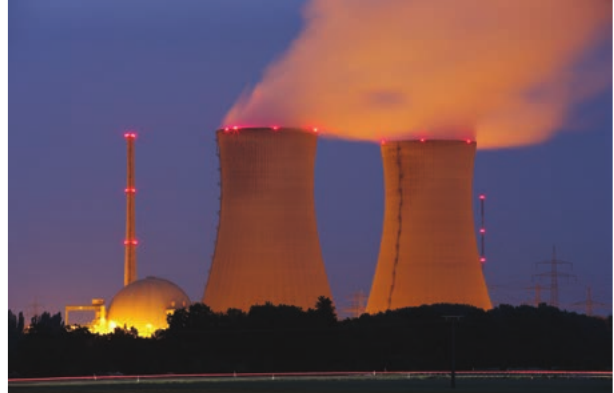
As of 2018, approximately 449 nuclear reactors operated worldwide across 30 countries, with an additional 60 reactors under construction. These facilities generate roughly 11 per cent of global electricity. This represents a significant contribution to the world's energy supply.
The benefits of nuclear power
Nuclear energy offers several potential advantages:
- Carbon-free electricity generation: Unlike fossil fuels, nuclear power produces no greenhouse gas emissions during operation, making it attractive in the fight against climate change
- High energy density: Nuclear fuel contains enormous amounts of energy in a small volume, making it highly efficient
- Reliable baseload power: Nuclear plants can operate continuously, providing stable electricity supply regardless of weather conditions
- Energy security: Countries with nuclear power reduce their dependence on imported fossil fuels
Key controversies and concerns
However, electricity generation using nuclear power remains highly controversial due to several significant concerns:
Important
Four Major Concerns About Nuclear Power:
Construction and maintenance costs: Nuclear power plants require massive initial investment and the ongoing expense of maintaining ageing structures is substantial. Many plants become increasingly expensive to operate safely as they age.
Nuclear waste storage: Radioactive waste from nuclear plants remains dangerous for thousands of years. No country has yet implemented a fully satisfactory long-term solution for safely storing high-level nuclear waste. This creates an ongoing burden for future generations.
Risk of serious accidents: As the disasters at Chernobyl and Fukushima demonstrated, nuclear accidents can have catastrophic and long-lasting consequences. Even with modern safety systems, the possibility of accidents cannot be completely eliminated.
Links to weapons proliferation: Nuclear power technology can enable nations to develop nuclear weapons capabilities. The same facilities and expertise used for peaceful energy generation can potentially be adapted for weapons production. This concern proved justified in cases like North Korea and Iran's weapons programmes.
Boom and bust cycles
Throughout the Nuclear Age, nuclear energy has experienced alternating periods of expansion and decline. These boom-and-bust cycles have been driven by various factors, with major nuclear accidents playing a particularly significant role. The last decade has seen another decline period for nuclear power. Whether this represents a long-term trend away from nuclear energy or merely another temporary downturn remains uncertain.
Major nuclear disasters
The Chernobyl disaster (1986)
The accident
On 26 April 1986, a catastrophic accident occurred at the Chernobyl nuclear power plant in Ukraine. Technicians conducting a safety test inadvertently triggered an explosion in reactor number four, which contained over 200 tons of uranium. The massive blast flipped the reactor's 1,200-ton lid into the air and sent plumes of highly radioactive particles and debris into the atmosphere. This deadly radioactive cloud spread across the region, eventually reaching as far as Western Europe.
Note
The Chernobyl accident occurred during a test designed to improve reactor safety. Ironically, the safety test itself – conducted with several safety systems deliberately disabled – created the conditions for the worst nuclear disaster in history.
Immediate casualties
Thirty-two people died within days of the accident, many of them firefighters sent to extinguish the blaze without adequate protection. These brave responders faced lethal doses of radiation as they fought to control the fire.
Long-term health impacts
The long-term human cost of Chernobyl remains debated, with death toll estimates ranging from 4,000 to 200,000 people. These deaths result from radiation-induced illnesses such as cancer and other diseases caused by radioactive contamination.

Important
In the years following the explosion, there was a marked increase in birth defects amongst children born in Ukraine and Belarus. Many of these children with severe disabilities were subsequently abandoned by their parents and placed in special-care institutions. The genetic and health impacts of radiation exposure continue to affect populations in these regions decades after the accident.
Pripyat evacuation and the exclusion zone

The nearby city of Pripyat, which had a population of 50,000 people, was completely evacuated on 27 April 1986, just one day after the accident. The city has never been reoccupied and stands as a haunting monument to the disaster, with abandoned homes, schools and personal belongings frozen in time.
Today, large portions of the Chernobyl Exclusion Zone remain heavily contaminated. This zone covers 2,600 square kilometres and will likely remain uninhabitable for thousands of years.
Ongoing management
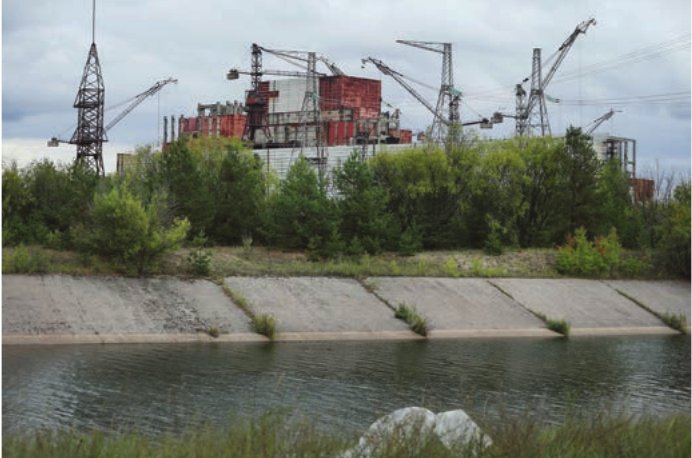
Nearly three decades after the disaster, construction cranes at the Chernobyl site still stand in the same positions where they were abandoned. A consortium of Ukrainian and Western companies has built a massive movable enclosure called the New Safe Confinement. This structure covers the reactor remains and its fragile original sarcophagus to prevent further contamination of the environment.
The Fukushima disaster (2011)
The triggering event
On 11 March 2011, a powerful earthquake struck off the east coast of Japan, generating a devastating tsunami. The massive waves flooded the Fukushima Daiichi Nuclear Power Plant in Ōkuma, Fukushima Prefecture, causing a nuclear meltdown.
Note
Unlike Chernobyl, which resulted from human error during a test, Fukushima was triggered by natural disasters. The earthquake and tsunami were far more powerful than the plant had been designed to withstand, overwhelming multiple layers of safety systems simultaneously.
The nuclear crisis
The tsunami disabled the plant's cooling systems, leading to overheating in multiple reactors. Eventually the reactors shut down, but the damage had been done. Since the accident, the primary concern has been containing the radioactive material and cooling the damaged reactors to prevent another meltdown or radioactive leakage.
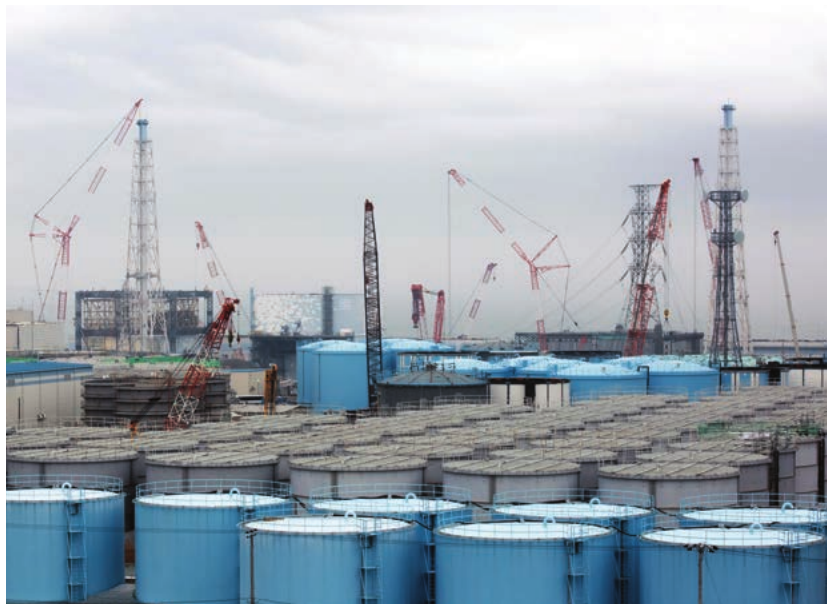
More than 900 large storage tanks have been constructed to hold water contaminated with radioactive material. This includes both water used to cool the damaged reactors and groundwater that has been contaminated by leaks from the reactors. In August 2013 alone, approximately 300 tons of highly radioactive water was discovered to have leaked from a single storage tank.
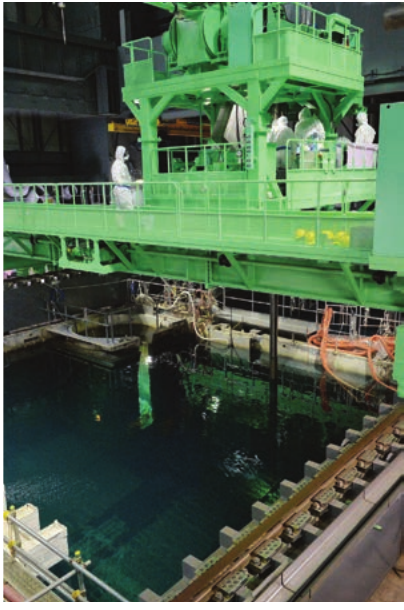
The ongoing management of the Fukushima site presents enormous technical challenges. Workers in protective equipment continue efforts to safely manage the spent fuel pools and contaminated water.
Long-term cleanup
The complete cleanup and decommissioning of the Fukushima Daiichi Nuclear Power Plant is estimated to take 30 to 40 years. This extended timeline reflects the complexity and danger of dealing with the damaged reactors and radioactive contamination.
Comparing major nuclear accidents
Key similarities
Both Chernobyl and Fukushima demonstrate several common problems with nuclear power:
- Long-term contamination: Both disasters created large exclusion zones that will remain contaminated for decades or centuries
- Massive cleanup costs: The financial burden of managing these accidents runs into hundreds of billions of dollars
- Ongoing management requirements: Both sites require continuous monitoring and management for decades after the initial accident
- Public health impacts: Both disasters caused immediate casualties and long-term health problems in affected populations
- Loss of public confidence: Both accidents significantly damaged public trust in nuclear power safety
Important differences
However, the two disasters also reveal important differences:
Note
Cause: Chernobyl resulted from human error during a poorly conceived safety test, whilst Fukushima was triggered by natural disasters (earthquake and tsunami) that overwhelmed the plant's defences.
Initial response: The Soviet Union initially tried to conceal the Chernobyl accident, whilst Japan's response to Fukushima was more transparent (though still subject to criticism).
Scale of immediate impact: Chernobyl's explosion dispersed radioactive material over a much wider area initially, whilst Fukushima's contamination was somewhat more contained.
Population density: The Fukushima region had higher population density than Chernobyl, affecting evacuation planning and long-term management.
Lessons for nuclear safety
These disasters raise fundamental questions about nuclear power:
- Can similar accidents be prevented in the future through improved design and safety protocols?
- Do the benefits of nuclear energy outweigh the catastrophic risks?
- Is it possible to ensure absolute safety in nuclear power generation?
- How can the nuclear industry regain public trust after such disasters?
Important
Critical Questions for the Future:
Both Chernobyl and Fukushima demonstrate that when nuclear accidents occur, their consequences are far-reaching, long-lasting, and extremely costly. The accidents show that even with different causes – human error versus natural disaster – the fundamental challenge remains: nuclear technology creates risks that persist for generations and require unprecedented long-term commitment to manage safely.
These disasters force us to confront whether society can truly accept the burden of multi-generational responsibility that nuclear power demands.
Remember!
Summary
Key Points to Remember:
-
Atoms for Peace (1953) aimed to spread peaceful nuclear technology whilst preventing weapons proliferation, leading to the creation of the IAEA in 1957. Critics argue this "Trojan horse" approach actually enabled proliferation by making nuclear technology widely available.
-
Nuclear power generates about 11% of global electricity from approximately 449 reactors worldwide, but remains controversial due to high costs, waste storage challenges, accident risks, and links to weapons development.
-
Chernobyl (1986) was caused by human error during a test, killed 32 people immediately, and may have caused 4,000-200,000 long-term deaths. The 2,600 km² exclusion zone remains contaminated and the city of Pripyat was permanently abandoned.
-
Fukushima (2011) was triggered by an earthquake and tsunami, caused a nuclear meltdown requiring 30-40 years of cleanup, and necessitated massive contaminated water storage operations continuing to this day.
-
Both disasters demonstrate that nuclear accidents have catastrophic long-term consequences including permanent contamination of large areas, decades-long cleanup requirements, significant health impacts, and costs running into hundreds of billions of dollars. These accidents raise fundamental questions about whether nuclear power's benefits outweigh its risks.