Acquiring Immunity (VCE SSCE Biology): Revision Notes
📚Revision Notes
Acquiring Immunity
Introduction to immunity types
Immunity to diseases can be acquired in different ways. Understanding these different types of immunity is essential for appreciating how our bodies protect us from pathogens and how medical interventions like vaccines work.
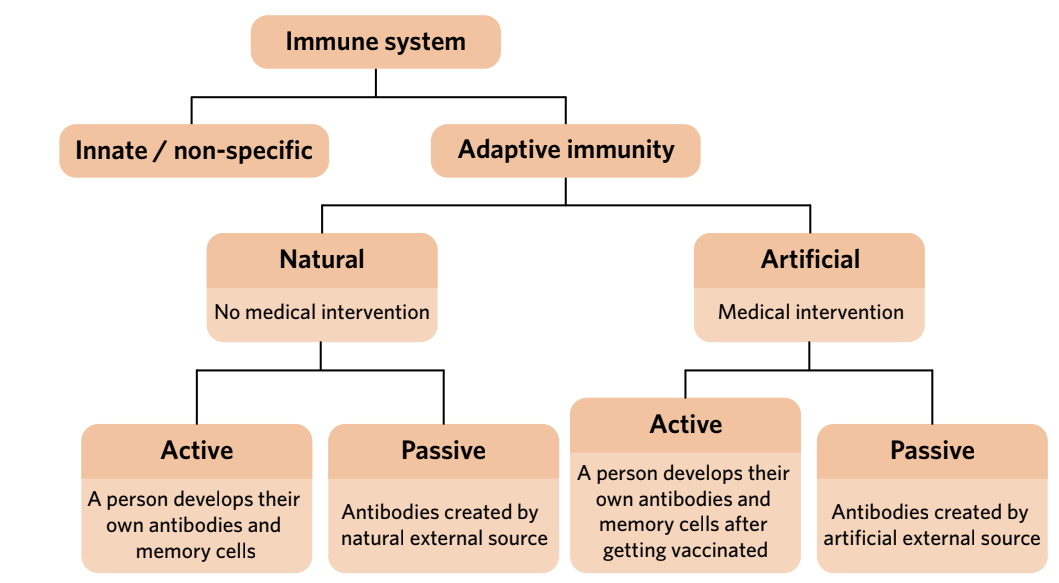
Immunity can be classified in two main ways:
- Source-based classification: Whether immunity developed naturally or through medical intervention
- Natural immunity: Protection developed without medical intervention
- Artificial immunity: Protection developed through medical intervention (also called induced immunity)
- Strategy-based classification: Where the antibodies come from
- Active immunity: Protection created by antibodies and memory cells produced by your own adaptive immune system
- Passive immunity: Protection created by antibodies from an external source
When we combine these two classification systems, we get four distinct types of immunity that a person can acquire.
Note
Understanding the difference between these classification systems is fundamental to grasping how immunity works. The source tells us whether medical intervention was involved, while the strategy tells us whether your body actively produced antibodies or passively received them.
Natural immunity
Natural immunity refers to any protection against disease that develops without medical intervention. There are two strategies for acquiring natural immunity: active and passive.
Natural active immunity
Natural active immunity develops when your own immune system encounters a pathogen and mounts a response against it. This process creates antibodies and memory cells specific to that pathogen.
Key features:
- Occurs without medical intervention (natural)
- Your own immune system creates the antibodies and memory cells (active)
- Provides long-lasting protection due to memory cells
- Develops after recovering from an infection
How it works:
When you become infected with a pathogen, your adaptive immune system recognises it as foreign and begins producing specific antibodies. During this process, memory cells are also created. These memory cells remain in your body long after the infection has cleared. If you encounter the same pathogen again, these memory cells rapidly recognise it and mount a swift immune response, usually preventing you from becoming ill.
Example
Example: Chickenpox Immunity
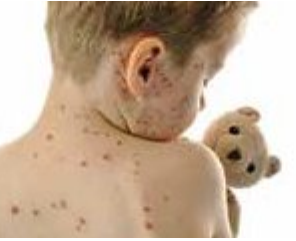
After recovering from chickenpox (caused by the varicella-zoster virus), you typically have lifelong immunity to the disease because your immune system has created memory cells specific to this virus. These memory cells remain in your body for decades, ready to mount a rapid response if you're exposed to the virus again.
Natural passive immunity
Natural passive immunity occurs when you acquire antibodies from a natural, non-medical external source. Unlike active immunity, you do not develop your own antibodies or memory cells.
Key features:
- Occurs without medical intervention (natural)
- Antibodies come from an external source (passive)
- Provides shorter-term protection (antibodies degrade over time)
- No memory cells are formed
Two main methods of acquiring natural passive immunity:
- Through breastfeeding: Human breast milk contains antibodies generated from the mother's immune system. When a baby ingests these antibodies, they are absorbed into the bloodstream and provide protection against pathogens. This is particularly important during the first few months of life when babies have poorly developed adaptive immune systems.
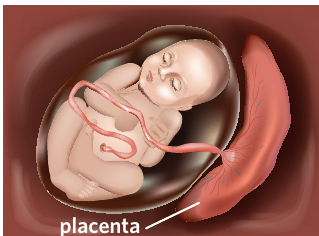
- Through the placenta: During pregnancy, some maternal antibodies can cross the placenta and enter the foetus's bloodstream via the umbilical cord. These antibodies provide protection during pregnancy and for a short period after birth, helping to compensate for the baby's weak adaptive immune system.
Important
Because passive immunity only involves receiving antibodies (not developing your own immune response), the protection is temporary. As the received antibodies degrade over time, immunity is lost. No memory cells are created, so there is no long-lasting protection.
Artificial immunity
Artificial immunity refers to protection against disease that develops as a result of medical intervention. Like natural immunity, it can be acquired through either active or passive strategies.
Artificial active immunity
Artificial active immunity develops when your own adaptive immune system produces antibodies and memory cells in response to a medical intervention. This is the basis of how vaccines work.
Key features:
- Requires medical intervention (artificial)
- Your own immune system creates antibodies and memory cells (active)
- Provides long-lasting protection due to memory cells
- Develops without becoming ill with the actual disease
Vaccines
A vaccine is a medical treatment that contains components resembling a pathogen's antigens, but these components cannot cause disease. The vaccine components may include:
- Attenuated (weakened) pathogens
- Inactivated (dead) pathogens
- Toxoids (altered toxins that cannot cause disease)
- Specific proteins from pathogen surfaces
- RNA that causes immune cells to make pathogen-like proteins
How vaccines work:
When you receive a vaccine, your adaptive immune system recognises the vaccine components as foreign and mounts an immune response. This response produces antibodies and memory cells specific to the pathogen's antigens. When you later encounter the actual pathogen, your immune system already has antibodies and memory cells ready to rapidly attack it, usually preventing illness.
Primary and secondary immune responses
Creating artificial active immunity through vaccination typically involves two main phases:
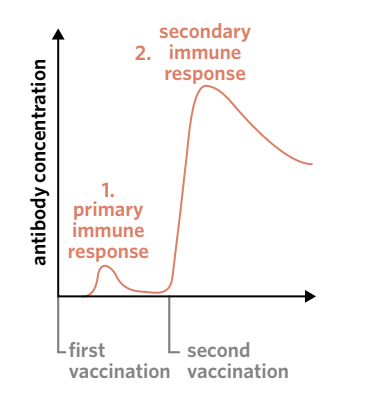
1. Primary immune response:
After receiving the first vaccination, there is a delay in the adaptive immune response. This delay occurs because:
- The adaptive immune response is relatively slow
- Time is needed for antigen-presenting cells to find complementary T and B cells
- Clonal selection must occur
Eventually, a moderate number of antibodies and memory cells are produced. However, these antibodies diminish over time as they are broken down by the body.
2. Secondary immune response:
When you receive a second vaccination, the memory cells created by the first vaccine quickly recognise the antigen. This triggers a rapid, robust secondary immune response that:
- Produces a much larger number of antibodies
- Generates more memory cells
- Creates long-lasting immunity
Important
Exam Tip: The graph showing primary and secondary immune responses has appeared in several VCE Biology exams. Make sure you understand why antibody levels change over time and why the secondary response is larger and faster than the primary response.
Vaccination programs
Most vaccines require more than one dose to create effective, long-lasting immunity. A vaccination program (also called a vaccination schedule) is a series of vaccinations designed to create long-term immunity to a disease.
Note
Vaccination programs vary depending on:
- The type of vaccine being used
- The disease being prevented
- The age and health status of the individual
With each subsequent vaccination, the immune response becomes larger and more rapid, until long-lasting immunity is achieved.
Example
Example: Tetanus Vaccination
According to current Australian guidelines, developing immunity to tetanus requires six vaccinations from age 2 months to 12 years. Each dose strengthens the immune response, building up a robust population of memory cells that provide long-lasting protection.
Booster vaccines
Over many years, memory T and B cells can die. This means immunity developed through vaccination may gradually weaken, and you may become susceptible to a disease you were previously immune to.
A booster vaccine (or booster shot) is an additional injection of the vaccine given later in life, well after completing the initial vaccination program. The booster stimulates any remaining memory cells to mount an immune response, generating more antibodies and memory cells to restore immunity.
Note
Key distinction: Booster shots are different from vaccination programs that include multiple vaccinations. Booster shots are given much later, after the initial program has been completed.
Artificial passive immunity
Artificial passive immunity develops when you receive antibodies from an external source through medical intervention, such as an injection or infusion.
Key features:
- Requires medical intervention (artificial)
- Antibodies come from an external source (passive)
- Provides immediate but short-term protection
- No memory cells are formed
How it works:
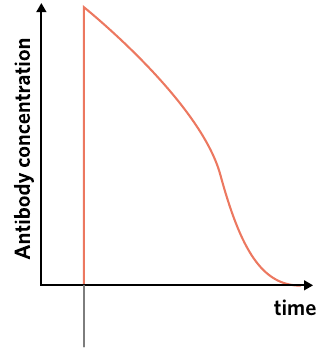
When antibodies are injected or infused, they immediately increase the concentration of antibodies in your bloodstream. These antibodies can quickly neutralise specific pathogens or toxins. However, over time the antibodies degrade and are eliminated from the body, and the immunity they provided disappears.
Important
Because you only receive antibodies (not antigens that trigger your immune system), you do not develop active immunity. No memory cells are created, so there is no long-lasting protection.
Example
Example: Antivenom Treatment
Antivenom is a medical treatment containing antibodies specific to toxins in venomous bites or stings. When someone is bitten by a venomous snake, they receive an antivenom injection containing antibodies that neutralise the venom, providing immediate protection. This rapid response can be life-saving, even though the protection is temporary.
Medical application: treating haemolytic disease of the newborn
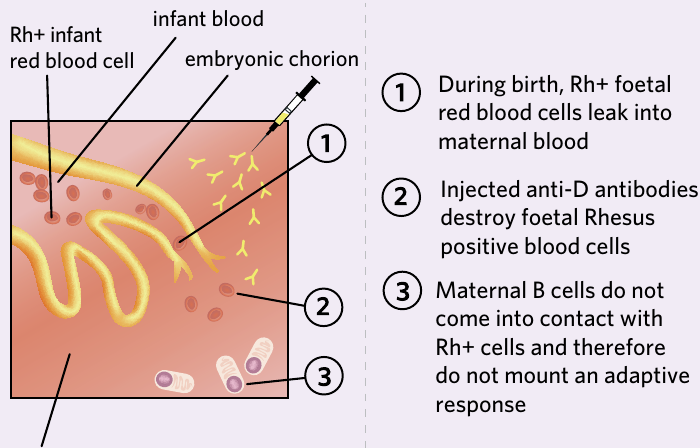
An important medical application of artificial passive immunity involves preventing haemolytic disease of the newborn (HDN). In this condition, a Rhesus-negative mother can develop anti-D antibodies after exposure to Rhesus-positive blood from her foetus. These antibodies can attack future Rhesus-positive foetuses.
Example
Treatment Approach for HDN:
Medical professionals inject the mother with artificially produced anti-D antibodies. These injected antibodies:
- Circulate throughout the mother's blood
- Destroy any foetal Rhesus-positive blood cells before the mother's adaptive immune system encounters them
- Prevent the mother's immune system from creating its own anti-D antibodies and memory cells
This creates artificial passive immunity in the mother, preventing her from developing natural active immunity that would affect future pregnancies.
Herd immunity
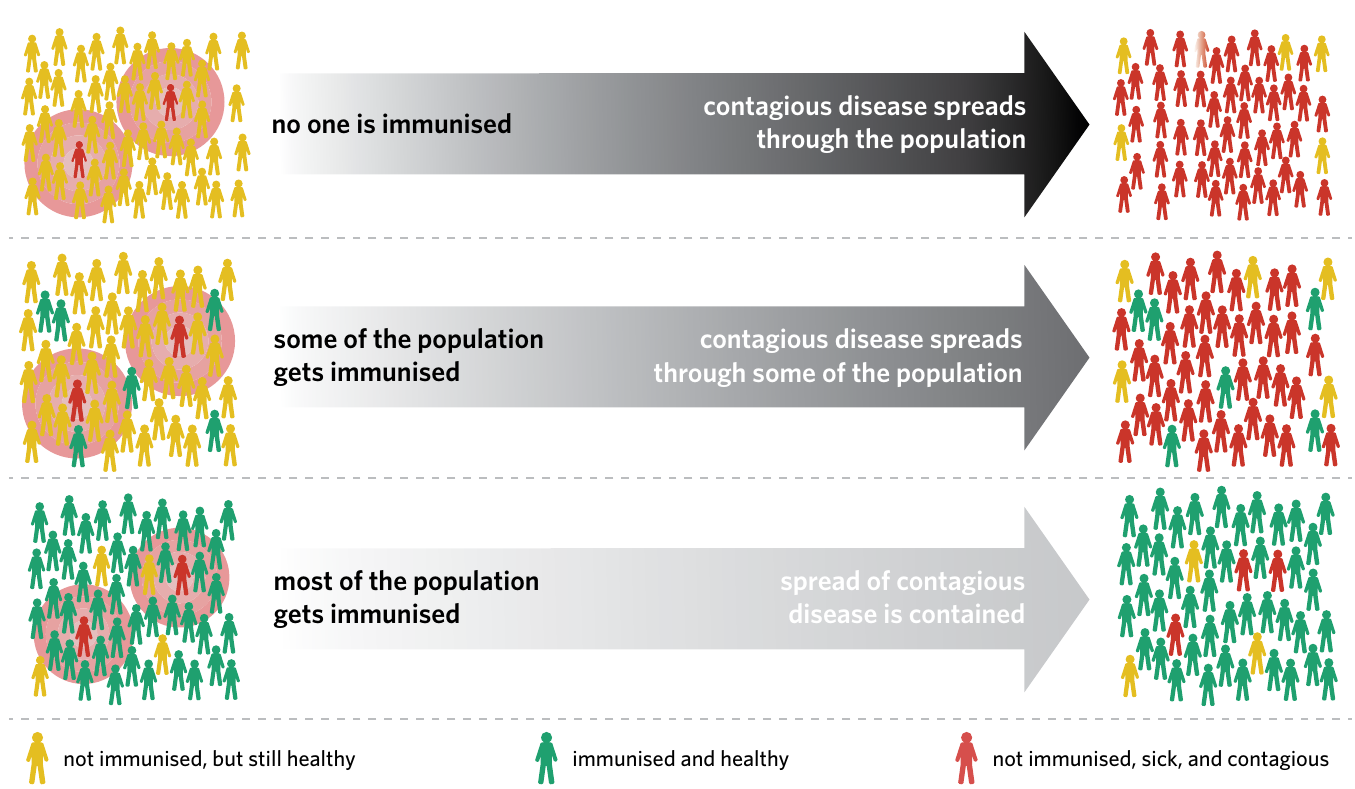
Herd immunity is protection against a disease at the population level. It occurs when a sufficiently large proportion of people in a community are immune to a particular pathogen, helping to prevent disease spread to those who are not immune.
How herd immunity works
Diseases spread through populations when pathogens are transmitted between individuals. However, if enough people are immune to a disease (through vaccination or previous infection), the pathogen cannot easily reproduce and spread throughout the population.
The mechanism:
- Immune individuals cannot harbour and transmit the pathogen
- The pathogen has fewer potential hosts
- Non-immune individuals are unlikely to encounter someone carrying the pathogen
- Disease transmission is blocked or significantly reduced
Note
Important factors:
- The proportion of people who need to be immune depends on how contagious the disease is
- More contagious diseases require higher vaccination rates to achieve herd immunity
- Herd immunity protects vulnerable people who cannot be vaccinated or whose immune systems are compromised
Importance of herd immunity
Achieving herd immunity is an extremely important step in combating disease and preventing community transmission.
Why herd immunity matters:
- Some people cannot be vaccinated due to medical reasons (allergies, weakened immune systems)
- Some people choose not to be vaccinated
- Even vaccinated people may still become ill if exposed (though typically with milder symptoms)
- The most effective way to comprehensively protect everyone is through herd immunity
Example
Example: Polio
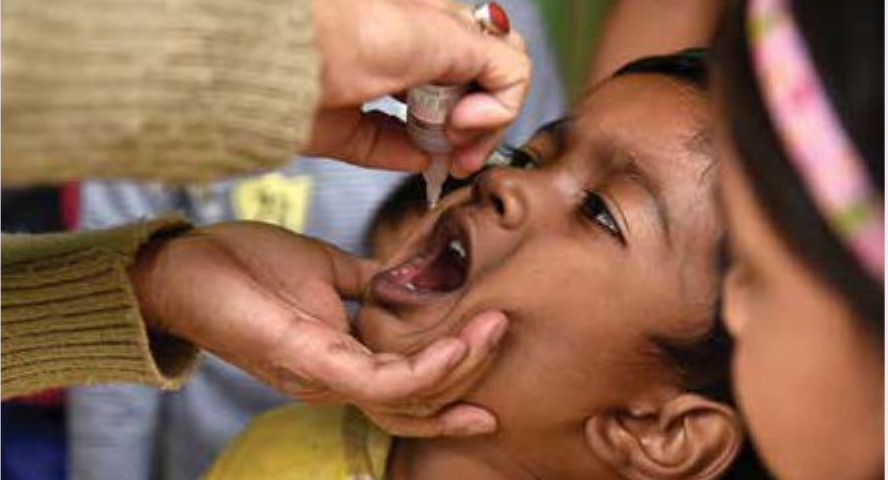
Poliomyelitis (polio) is a highly contagious disease caused by the poliovirus. One infected person can spread the disease to 5-7 others. To achieve herd immunity against polio, 80-86% of the population must be immune.
In Australia, the high polio vaccination rate (95% of one-year-olds in 2017) has created herd immunity, protecting the entire community from this potentially devastating disease.
Comparing the four types of immunity
Understanding the differences between the four types of immunity is essential. Here is a summary comparison:
| Type | Medical intervention? | Source of antibodies | Duration of protection | Example |
|---|---|---|---|---|
| Natural active immunity | No | Individual's own immune system | Longer - created by memory cells | Getting chickenpox and being immune afterwards |
| Natural passive immunity | No | External | Shorter - antibodies degrade | Antibodies passing from mother to child through breast milk or placenta |
| Artificial active immunity | Yes | Individual's own immune system | Longer - created by memory cells | Vaccines |
| Artificial passive immunity | Yes | External | Shorter - antibodies degrade | Antivenom |
Important
Key distinctions to remember:
- Active vs Passive: Active immunity involves your own immune system producing antibodies and memory cells, while passive immunity involves receiving antibodies from an external source
- Natural vs Artificial: Natural immunity develops without medical intervention, while artificial immunity requires medical intervention
- Duration: Active immunity (both natural and artificial) provides longer-lasting protection because memory cells are created. Passive immunity (both natural and artificial) is shorter-term because only antibodies are provided, which eventually degrade
Summary
Key Points to Remember:
- Immunity can be classified in two ways: by source (natural or artificial) and by strategy (active or passive), creating four distinct types
- Active immunity creates memory cells that provide long-lasting protection, whether acquired naturally through infection or artificially through vaccination
- Passive immunity provides immediate protection through antibodies from an external source, but is temporary because no memory cells are formed
- Vaccines create artificial active immunity by introducing non-disease-causing antigens that stimulate your immune system to produce antibodies and memory cells
- Vaccination involves primary and secondary immune responses, with the secondary response being larger and faster, creating long-lasting immunity
- Herd immunity protects entire communities when a high percentage of the population is immune, preventing disease spread to vulnerable individuals who cannot be vaccinated