Molecules Containing a Carbonyl Group (VCE SSCE Chemistry): Revision Notes
📚Revision Notes
Molecules Containing a Carbonyl Group
Introduction to the carbonyl group
A carbonyl functional group consists of a carbon atom connected to an oxygen atom by a double bond (C=O). This functional group is found in five important homologous series:
- Aldehydes
- Ketones
- Carboxylic acids
- Primary amides
- Esters
Note
The carbonyl group has a distinctive structure. All atoms bonded to the carbon atom of the carbonyl group are arranged in a plane, with bond angles of 120° between them. This planar arrangement is a key characteristic that influences the chemical properties of carbonyl-containing compounds.
Aldehydes
Structure of aldehydes
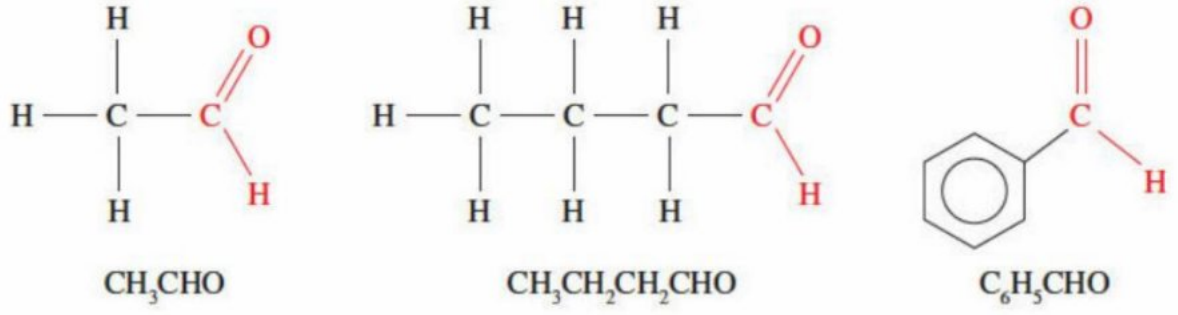
In aldehydes, the carbonyl group is always positioned at the end of the carbon chain. The carbon atom of the carbonyl group is bonded to a hydrogen atom, giving the characteristic aldehyde structure.
When writing aldehydes using semi-structural formulas, the carbonyl group is represented as -CHO at the end of the formula.
Note
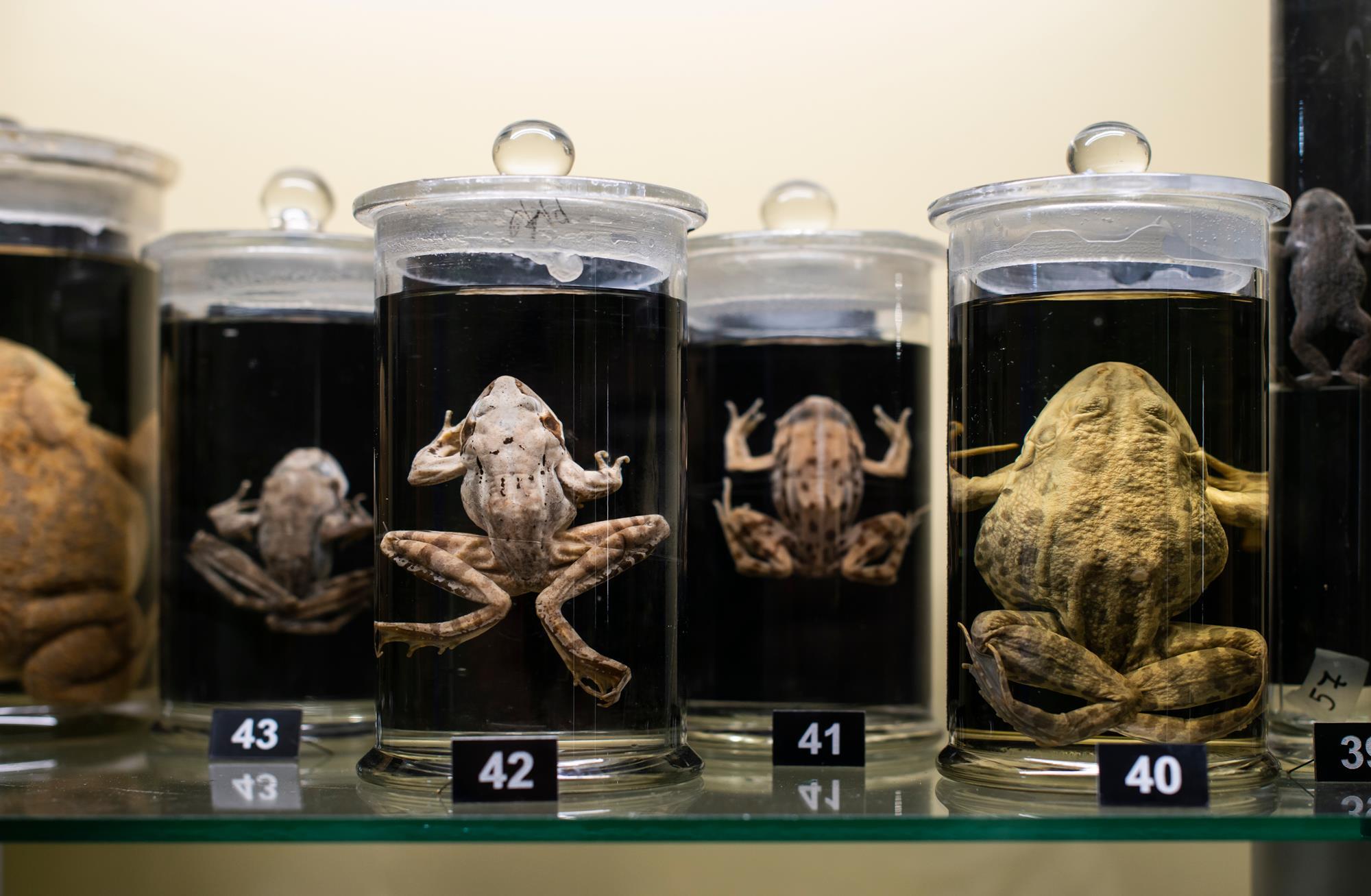
The simplest aldehyde is methanal (HCHO), commonly known as formaldehyde. This compound has practical applications in preserving biological specimens, including the embalming of human remains.
Naming aldehydes
To name an aldehyde, follow these steps:
- Identify the longest carbon chain containing the aldehyde group
- Use the corresponding alkane name as the base
- Replace the '-e' ending with '-al'
- The carbon in the aldehyde group is always carbon-1, so no position number is needed
Example
Worked Example: Naming Aldehydes
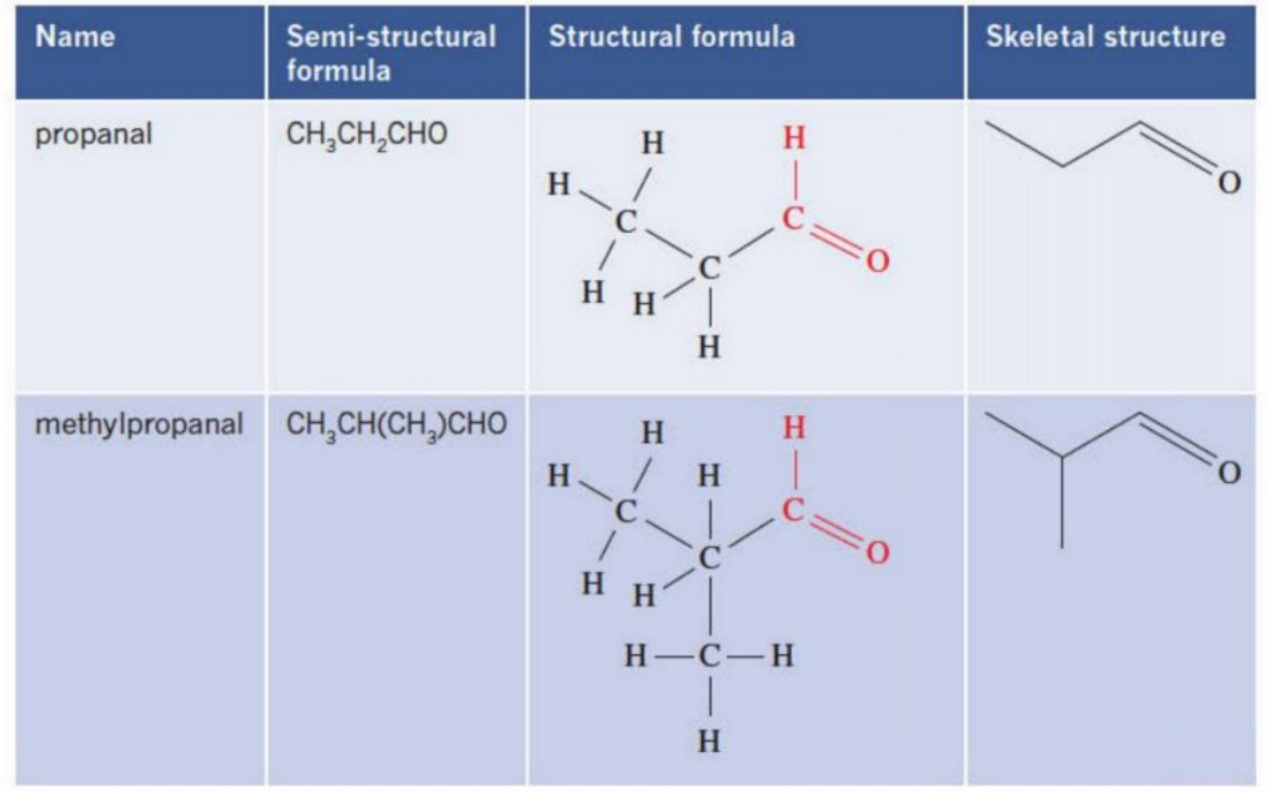
For a three-carbon aldehyde:
- Base alkane: propane
- Replace '-e' with '-al': propanal
For a four-carbon aldehyde:
- Base alkane: butane
- Replace '-e' with '-al': butanal
When there are substituents on the carbon chain, number the carbons starting from the aldehyde carbon (which is always C-1) and name the substituents as usual.
Ketones
Structure of ketones
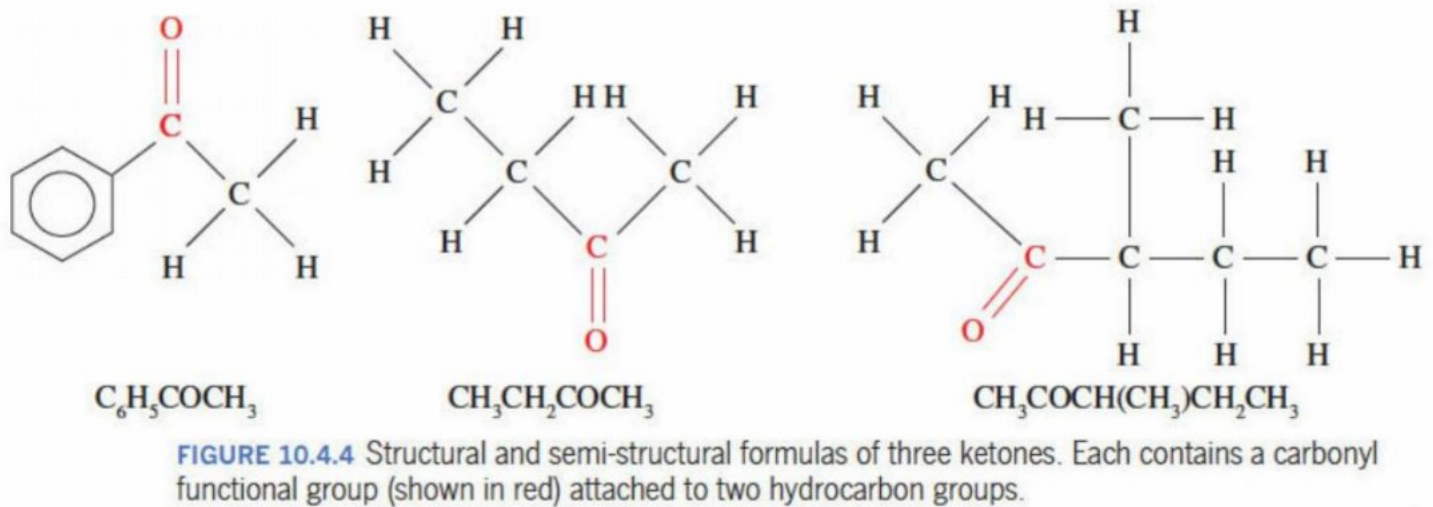
In ketones, the carbonyl carbon is attached to two other carbon atoms. This means the carbonyl group is never at the end of the molecule - it must be somewhere in the middle of the carbon chain.
In semi-structural formulas, the carbonyl functional group in a ketone is written as -CO-.
Note
The simplest ketone is propan-2-one (CH₃COCH₃), commonly called acetone. This is a useful polar organic solvent frequently found in nail polish remover and paint thinner.
Naming ketones
To name a ketone:
- Identify the longest carbon chain containing the carbonyl group
- Use the corresponding alkane name as the base
- Replace the '-e' ending with '-one'
- Insert a number before '-one' to indicate which carbon atom has the carbonyl group attached
Important
Critical Rule: A position number is always given for ketones, even when there is only one possible position (as in propan-2-one or butan-2-one). This distinguishes ketone naming from aldehyde naming.
Example
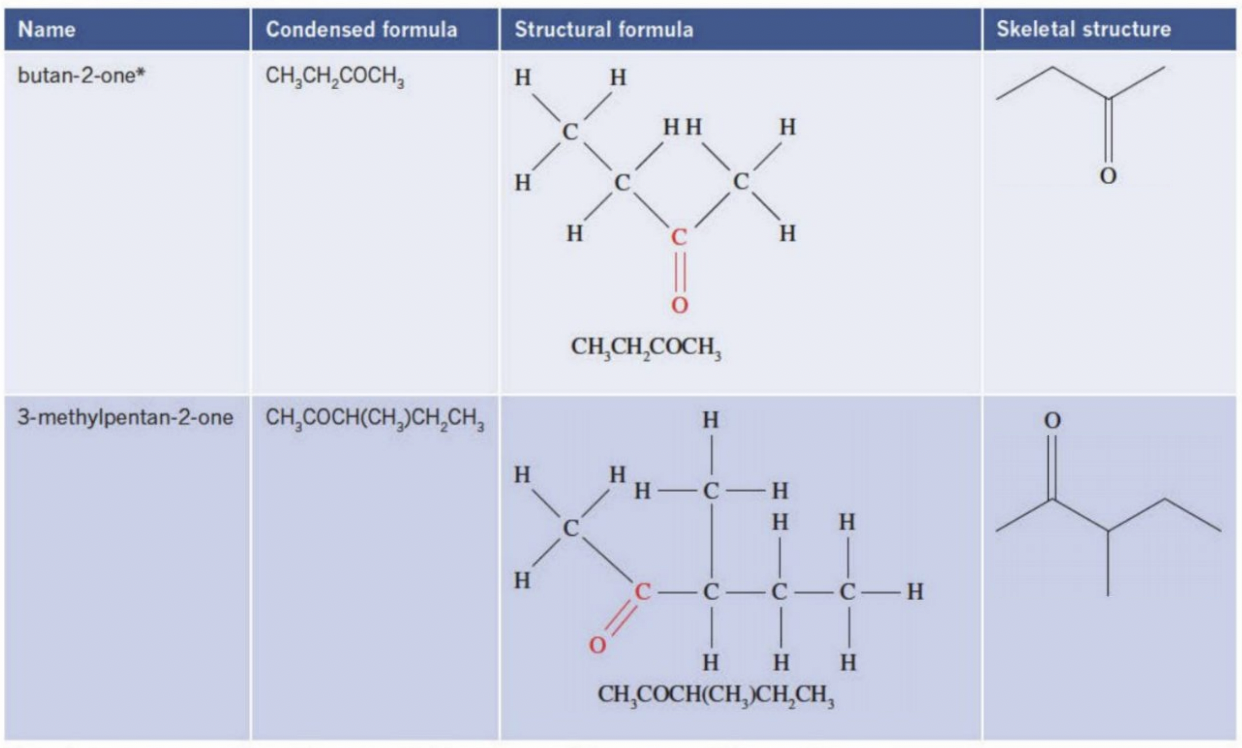
Worked Example: Naming Ketones
For CH₃CH₂COCH₃:
- Longest chain: 4 carbons (butane)
- Carbonyl on carbon-2
- Name: butan-2-one
For CH₃COCH(CH₃)CH₂CH₃:
- Longest chain: 5 carbons (pentane)
- Methyl substituent on carbon-3
- Carbonyl on carbon-2
- Name: 3-methylpentan-2-one
Carboxylic acids
Structure of carboxylic acids
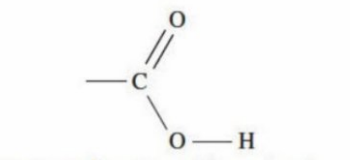
Carboxylic acids contain the carboxyl functional group, which combines a carbonyl group (C=O) with a hydroxyl group (OH). This functional group is represented in semi-structural formulas as -COOH and is always located at the end of a carbon chain.
Naming carboxylic acids
To name a carboxylic acid:
- Identify the longest carbon chain containing the carboxyl group
- Use the corresponding alkane name as the base
- Replace the '-e' ending with '-oic acid'
- The carbon in the carboxyl group is always carbon-1, so no position number is needed
Example
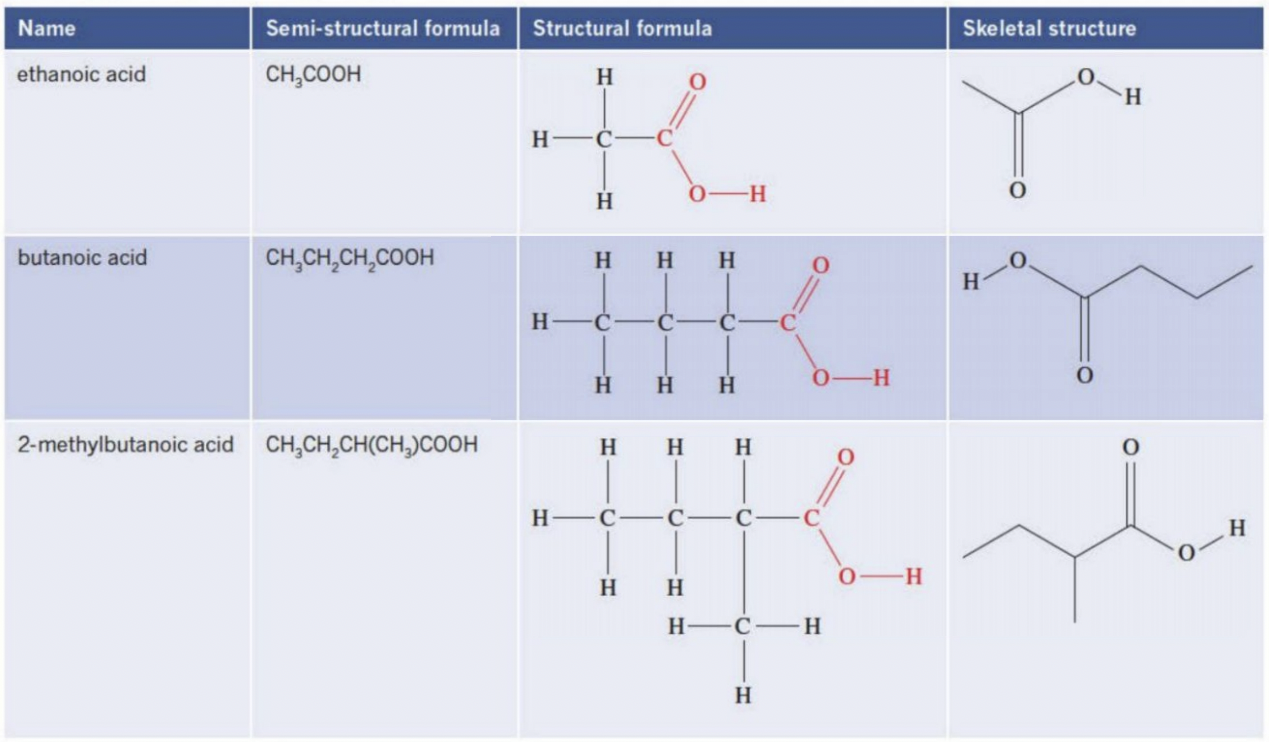
Worked Example: Naming Carboxylic Acids
- CH₃COOH → ethanoic acid
- CH₃CH₂CH₂COOH → butanoic acid
- CH₃CH₂CH(CH₃)COOH → 2-methylbutanoic acid
Carboxylate ions
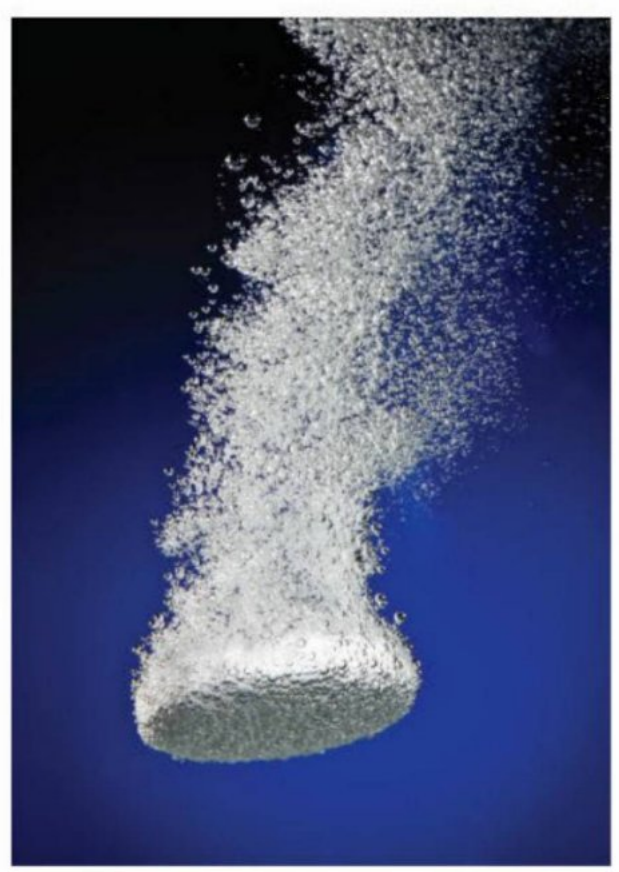
Like all acids, carboxylic acids react with strong bases to produce a salt and water. The anion formed from the organic acid is called a carboxylate ion.
To name a carboxylate ion, replace the '-oic acid' part of the name with '-oate'.
Example
Worked Example: Carboxylate Ion Formation
In this reaction, ethanoic acid produces an ethanoate ion (CH₃COO⁻).
Note
Pharmaceutical Application
This type of reaction is important in pharmaceutical chemistry. Medications need to dissolve in aqueous solutions to enter our cells. Converting an organic compound into an organic salt (by forming the carboxylate ion) greatly increases its solubility in water.
Primary amides
Structure of primary amides
The amide functional group is similar to a carboxyl group, but the -OH is replaced with -NH₂. In primary amides, the nitrogen atom is bonded to two hydrogen atoms.
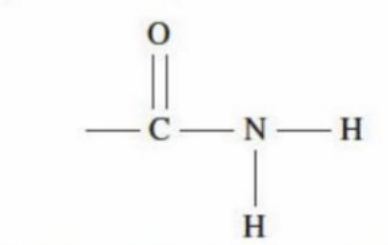
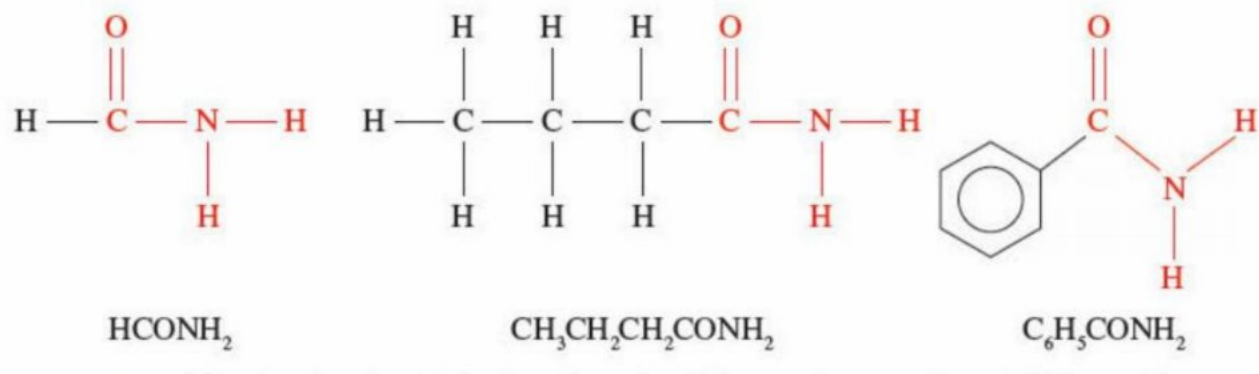
In semi-structural formulas, the amide functional group is represented as -CONH₂ and is always located at one end of the carbon chain.
Important
Note: You are not required to learn the naming rules for amides in this course. However, you should be able to recognize the amide functional group when you see it.
Urea - an important amide
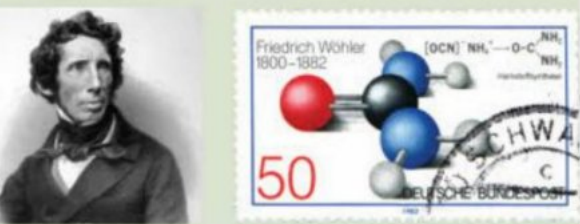
Urea ((NH₂)₂CO) is a small di-amide that is the end product of protein breakdown in mammals. It is excreted in urine and can be used as a nitrogen source for plant growth.
Note
Historical Significance
In 1828, German chemist Friedrich Wöhler synthesized urea in his laboratory by treating silver cyanate with ammonium chloride. This was remarkable because it was the first time an organic molecule had been synthesized from inorganic materials. Wöhler's discovery established the field of synthetic organic chemistry.
Esters
Structure of esters
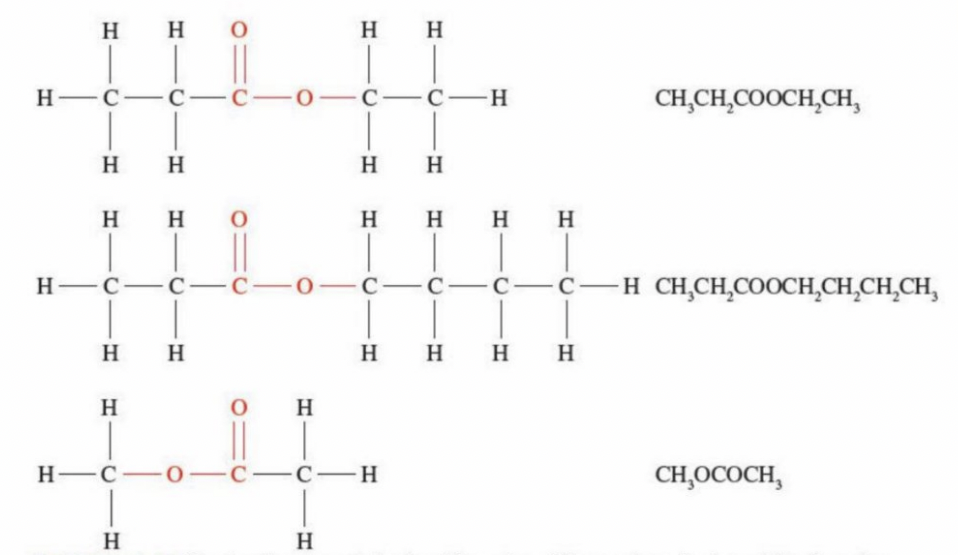
Esters are produced by the reaction of a carboxylic acid with an alcohol. The ester functional group is similar to a carboxylic acid group, but the hydrogen of the -OH is replaced by an alkyl group.
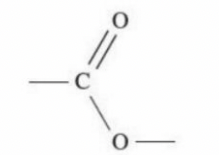
In semi-structural formulas, the ester functional group is written as -COO- or -OCO-.
Naming esters
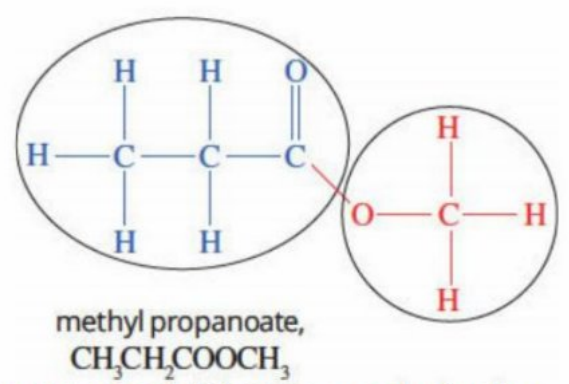
Ester names consist of two words. The name is built from the names of the alcohol and carboxylic acid that reacted to form it.
First word: Based on the number of carbon atoms in the chain attached to the singly bonded oxygen (-O-), which came from the alcohol. Change the '-ol' ending to '-yl'.
Second word: Based on the number of carbon atoms in the chain containing the carbonyl group, which came from the carboxylic acid. Change the '-oic acid' ending to '-oate'.
Example
Worked Example: Naming Esters
For the ester with one carbon attached to the single oxygen and three carbons in the chain with the carbonyl:
- Alcohol part: 1 carbon → methyl
- Acid part: 3 carbons → propanoate
- Name: methyl propanoate
For CH₃COOCH₂CH₃:
- Alcohol part: 2 carbons → ethyl
- Acid part: 2 carbons → ethanoate
- Name: ethyl ethanoate
For CH₃CH₂COOCH₂CH₃:
- Alcohol part: 3 carbons → propyl
- Acid part: 3 carbons → propanoate
- Name: propyl propanoate
Properties of esters
Esters are responsible for many of the natural and synthetic flavours and aromas found in ice creams, confectionery, flowers, and fruit. Your favourite perfume or cologne likely contains esters that contribute to its distinctive scent.
Note
Common Esters and Their Aromas
Here are some examples of esters and their associated aromas:
| Ester | Smell or flavour |
|---|---|
| pentyl propanoate | apricot |
| ethyl butanoate | pineapple |
| octyl ethanoate | orange |
| 2-methylpropyl methanoate | raspberry |
| ethyl methanoate | rum |
| pentyl ethanoate | banana |
Many of these esters are used in the food and fragrance industry to create artificial flavours and scents.
Remember!
Summary
Key Points to Remember:
-
The carbonyl group (C=O) is a key functional group found in aldehydes, ketones, carboxylic acids, amides, and esters.
-
Aldehydes have the carbonyl group at the end of the chain bonded to a hydrogen (-CHO). They are named with the suffix '-al'.
-
Ketones have the carbonyl group in the middle of the chain bonded to two carbons (-CO-). They are named with the suffix '-one' and always include a position number.
-
Carboxylic acids contain the carboxyl group (-COOH) at the end of the chain. They are named with the suffix '-oic acid'. When they react with bases, they form carboxylate ions (named with '-oate').
-
Primary amides have the functional group -CONH₂. You don't need to name them, but recognize the structure.
-
Esters have the functional group -COO-. They are named with two words: the first from the alcohol part (ending in '-yl') and the second from the acid part (ending in '-oate'). Many esters have distinctive pleasant aromas.