Mental Disorders: Community Values, Support, Programs, and Costs (VCE SSCE Health and Human Development): Revision Notes
📚Revision Notes
Mental Disorders: Community Values, Support, Programs, and Costs
Introduction
As a society, we hold important values about protecting young Australians and ensuring they experience optimal health and wellbeing. We expect young people to be resilient enough to face life's challenges as they transition into adulthood and reach their full potential. This means providing government and community services to support youth mental health and address any concerns that arise.
Note
This note explores the community values, healthcare services, programs and costs associated with mental health issues affecting Australian youth, particularly anxiety and depression.
Community values and expectations
Australian communities recognise that mental health disorders among young people are a significant concern. Our healthcare system reflects community expectations by providing opportunities for youth to access mental health care and support. Both government and non-government organisations have developed numerous strategies aimed at reducing risk factors and increasing protective factors for young people experiencing anxiety and depression.
What we expect from mental health programs
Mental health and wellbeing programs for young people are expected to build resilience - the ability to cope with challenges and bounce back from difficulties. Building resilience involves:
- Developing stronger coping skills to manage stress and difficulties
- Improving quality of life by enhancing self-esteem, wellbeing and sense of belonging
- Strengthening social support networks with family, friends and community
- Supporting all dimensions of health and wellbeing (physical, social, emotional, mental and spiritual)
Programs should also reduce known risk factors such as anxiety, stress, feelings of helplessness, exposure to violence and social exclusion.
Four key community values for youth mental health programs
Australian communities expect mental health programs to embody four core values:
1. Effective
Programs should deliver real benefits and achieve positive outcomes for youth mental health. This means providing:
- Quality treatment, services, resources and information
- Skills in mindfulness to stay present and focused
- Strategies to reduce stress and anxiety
- Opportunities to develop social support and meaningful connections
2. Strength-based
Programs should place young people at the centre of care, recognising their strengths and capabilities. This involves:
- Enabling young people to seek help when needed
- Supporting them to take control over stress, anxiety and depression
- Building self-esteem and self-acceptance
- Developing resilience and effective coping skills
3. Accessible
Mental health services should be available to all young people without discrimination based on:
- Country of birth or cultural heritage
- Language spoken
- Gender or religious belief
- Age
- Socioeconomic, educational or family background
Programs should offer appropriate waiting times and operating hours for young people. Many services should be available online or through digital platforms to meet youth preferences. A key goal is reducing the stigma associated with mental health disorders.
4. Safe, respectful and confidential
Programs must be non-judgemental and maintain discretion, which is essential for creating feelings of security and care among young people. Healthcare providers should:
- Regularly consult with young people about service quality and design
- Ensure information is easy to understand
- Maintain confidentiality to build trust
Youth preferences for accessing support
Research shows young people have specific preferences for how they access mental health support.
The Young Minds Matter survey found that among 13-17 year olds with major depressive disorder, common reasons for not seeking help included:
- 62.9% worried what others might think or didn't want to talk to a stranger
- 61.7% thought the problem would improve on its own
- 57.1% wanted to work out the problem independently or with family and friends
Important
These findings indicate young people value inclusion and self-reliance. They expect to be listened to when receiving advice and education about health topics. They want information that is relevant, current and free of value judgements. Many young people feel frustrated when adults stereotype their concerns.
Studies by ReachOut.com demonstrate that young people prefer internet services for accessing information, advice and support. The anonymity provided by online services makes them more willing to engage with digital interventions.
This shows young people highly value privacy and confidentiality, leading to expectations that health and wellbeing programs will be available online or through digital applications.
How young people use online mental health services
According to the Young Minds Matter survey, among all young people aged 13-17 years, 22.2% had used internet services for mental health support.
Note
Among those with major depressive disorder, 52% had used an online service (including headspace, ReachOut and Youthbeyondblue) to access help or information about emotional or behavioural problems in the previous 12 months:
- 10% used online assessment tools to evaluate their mental health
- 4.4% used online self-help resources
- 3.1% participated in chat rooms or online support groups
- 1.7% received online personal support or counselling
- 3.6% used telephone counselling services
This data demonstrates the importance of providing diverse, accessible online options for young people seeking mental health support.
Mental healthcare services available to young people
In Australia, mental healthcare services are provided through several pathways, including general practitioners, specialist services (psychologists and psychiatrists), and hospital care. Many of these services receive full or partial funding through Medicare. Young people can also access various government, community and personal programs focused on prevention.
According to Mental Health Services in Australia 2020, the highest proportion of people receiving Medicare-subsidised mental health services were aged 18-24 years. Females accessed services more than males (12.6% of females compared to 8.5% of males).
Medicare coverage
Medicare provides young people with a range of mental health services, including:
- Subsidised doctors' consultations for mental health concerns
- Treatment by psychiatrists
- Free treatment and accommodation as a public patient in a public hospital
- 75% of the Medicare Schedule fee for services as a private patient in public or private hospitals
Note
Medicare rebates are available for up to ten individual sessions and ten group allied mental health services per calendar year for patients with an assessed mental disorder. These services must be accessed through:
- A General Practitioner (GP) Mental Health Treatment Plan, or
- A referred psychiatrist assessment and management plan, or
- A psychiatrist or paediatrician referral
Mental health plan: A care plan developed to help decide what services are needed, set goals and determine the best treatment options.
Mental health service usage by young people
In 2018-19, young people aged 12-24 years accounted for 21% (557,000) of all people receiving Medicare-subsidised mental health services.
Specifically, young people aged 12-24 represented:
- 19% (78,100) of people seeing psychiatrists
- 21% (472,000) of people seeing general practitioners
- 22% (118,000) of people seeing clinical psychologists
- 23% (169,000) of people seeing other psychologists
- 23% (25,200) of people seeing other allied health providers
General practitioners and specialist services
General practitioners (GPs) are often the first point of contact young people have with the health system. Currently, 10.6% of Australians receive Medicare-subsidised mental health services, which has increased from 5.7% in 2008-09.
Depression, anxiety and sleep disturbance are the three most frequently managed mental health problems by GPs. During the COVID-19 lockdown in April-May 2020, the psychological impact was particularly significant, with moderate to severe symptoms reported by:
- 35% of females for depression (compared to 19% of males)
- 21% of females for anxiety (compared to 9% of males)
GPs provide a comprehensive range of services:
- Preparing mental health plans
- Referring individuals to appropriate health professionals and specialists
- Prescribing medicines and associated treatments (free if the doctor bulk bills)
Note
The most common management approach for mental health problems is prescribing, supplying or recommending medication (used for 61.6 per 100 mental health-related problems).
Young Australians today have access to extensive medical information online, enabling them to research symptoms, providers and treatment options. This has shifted expectations of the doctor-patient relationship from one of dependence to a collaborative partnership where young people expect their opinions to be valued. They have the right to participate in developing treatment plans that suit their needs and preferences.
Mental health specialists include psychologists, psychiatrists, mental health nurses, occupational therapists, social workers and Indigenous health workers. These services are provided in various settings including hospitals, consulting rooms, home visits and via telephone.
For specialist psychiatric care:
- Public patients at community health centres or public hospitals typically receive free services
- Private practice psychiatrists receive partial Medicare rebates
- Some psychiatrists bulk bill certain patients, meaning no out-of-pocket costs
Hospital care
Hospital emergency departments play a significant role in treating mental health disorders. They can be the initial point of contact with the health system for young people experiencing mental health crises. Emergency departments serve as:
- Initial points of care for those seeking mental health services for the first time
- Alternative points of care for people needing after-hours mental healthcare
Government and community programs
Australia has developed various government and community programs specifically designed to support youth mental health. These programs provide accessible, youth-friendly services and information.
headspace
Note
headspace is the National Youth Mental Health Foundation, funded by the Australian Government. It provides early intervention mental health services to young people aged 12-25 years across four key areas:
- Mental health and wellbeing
- Physical health and wellbeing
- Work and study support
- Alcohol and other drug services
headspace offers information and services for:
- Young people experiencing mental health challenges
- Families and friends of young people
- Health professionals working with youth
Services are delivered through three main channels:
headspace centres: Physical locations built across metropolitan, regional and rural Australia. These centres are designed with input from young people to ensure they are youth-friendly and don't resemble traditional clinical services. Young people can access:
- General practitioners (GPs)
- Psychologists
- Social workers
- Alcohol and drug workers
- Counsellors
- Vocational workers
- Youth workers
headspace website: Provides comprehensive information, resources and educational content about youth mental health.
eheadspace: An online counselling service offering support through digital platforms.
Important
The youth-centred design of headspace centres helps reduce barriers to seeking help and creates welcoming environments where young people feel comfortable accessing support.
Alternative ways to access mental health support

Many young people prefer not to access mental health support through traditional phone calls. Research has identified several effective alternatives:
1. Text and web chat services
Services like Lifeline and Beyond Blue offer:
- SMS text services (Lifeline available 6pm-midnight AEST)
- Online web chat with trained counsellors
- Short-term crisis support and counselling
- Research-proven reduction in distress and improved coping
Kids Helpline provides similar web chat services specifically for children, teens and young adults.
2. Online clinics and self-guided programs
These programs allow young people to work through structured content at their own pace:
MindSpot: Australia's first free national online clinic offering:
- Psychological assessment for anxiety, stress and depression
- Self-paced treatment programs
- Up to five lessons completed over approximately eight weeks
- Optional weekly check-ins with therapists
- More than 100 research studies supporting effectiveness
This Way Up: Suite of short online courses covering various mental health concerns:
- Mixed depression and anxiety courses
- Choice between mindfulness-based or cognitive behavioural therapy (CBT) approaches
- Cost of $59 per course with three months access
- Can be supervised by existing psychologists
- Proven as effective as face-to-face therapy in randomised controlled trials
3. Peer support forums
Online forums provide safe spaces where young people can:
- Anonymously share experiences and questions
- Receive support from others with similar experiences
- Access moderated platforms managed by professionals or trained volunteers
Popular forums include those run by SANE, BeyondBlue and headspace (for ages 12-25). While these forums don't necessarily reduce anxiety or depression, they help normalise emotional experiences and foster connection.
4. Smartphone applications
Many mental health apps are available, though not all are scientifically tested. Evidence-supported apps include:
- Headspace app (mindfulness focus)
- Smiling Mind (mindfulness focus)
These apps use mindfulness meditation to develop awareness and acceptance, reducing the impact of negative thoughts and feelings.
5. Chat bots
Artificial intelligence chat bots provide mental health support through simulated conversations. Popular options include:
- Woebot
- Wysa (for children and teens)
Both use cognitive behavioural principles to help change thinking and behaviour patterns. While designed to complement rather than replace other support, emerging evidence shows chat bots can benefit mental health.
Youthbeyondblue


Note
Youthbeyondblue is the youth-focused arm of beyondblue, targeting young people aged 12-25 years. The program aims to:
- Raise awareness about depression and anxiety
- Reassure young people that discussing mental health is acceptable
- Encourage help-seeking when needed
The Youthbeyondblue website provides:
- Information about depression and anxiety tailored for young people
- Guidance on where to access help
- Opportunities for young people to share their experiences
- Forums where young people can respond to others' stories
'Stop. Think. Respect.' is a beyondblue national program developed with LGBTIQ communities and the Movember Foundation. It aims to:
- Improve understanding about discriminatory behaviour
- Highlight the impact of discrimination on mental health and wellbeing of LGBTIQ communities
- Present real-life stories and cinema commercials
- Prompt people to stop discrimination, think about the harm caused by negative comments, and respect people who are different
e-Mental Health
e-Mental Health (eMH) is the delivery of services targeting common mental health problems through online and mobile phone interactive websites, apps, sensor-based monitoring devices and computers for people with mild to moderate depression or anxiety.
e-Mental Health serves several important functions:
- Provides services where face-to-face therapy is unavailable or inaccessible
- Supplements face-to-face therapy by offering additional support
- Accessible 24/7, providing information and skills when needed
- Serves as a starting point for young people not ready for face-to-face support
Benefits of eMH:
- Easy access through smartphones that can be taken anywhere
- 24/7 availability for immediate support
- Use of social media and gaming elements to encourage treatment adherence
Limitations to consider:
- Questions remain about effectiveness compared to traditional treatment
- Difficulty determining which apps and programs are most beneficial among many available options
Note
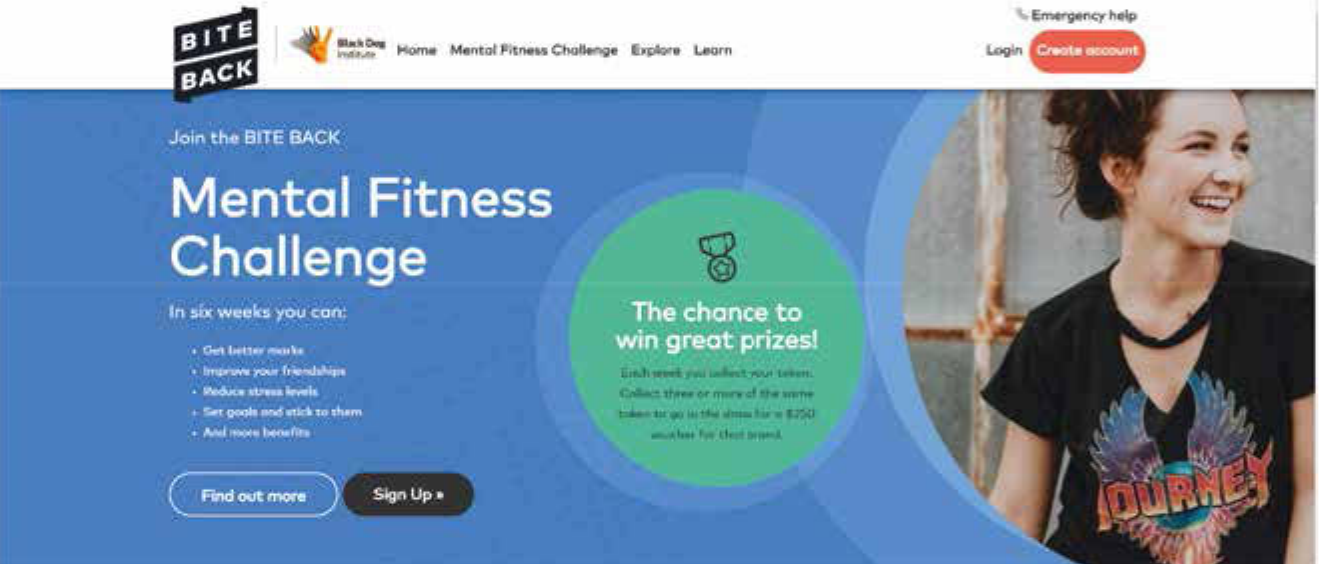
BITE BACK is an e-Mental Health program designed to improve wellbeing and mental fitness for young people aged 12-18 years, based on principles of positive psychology.
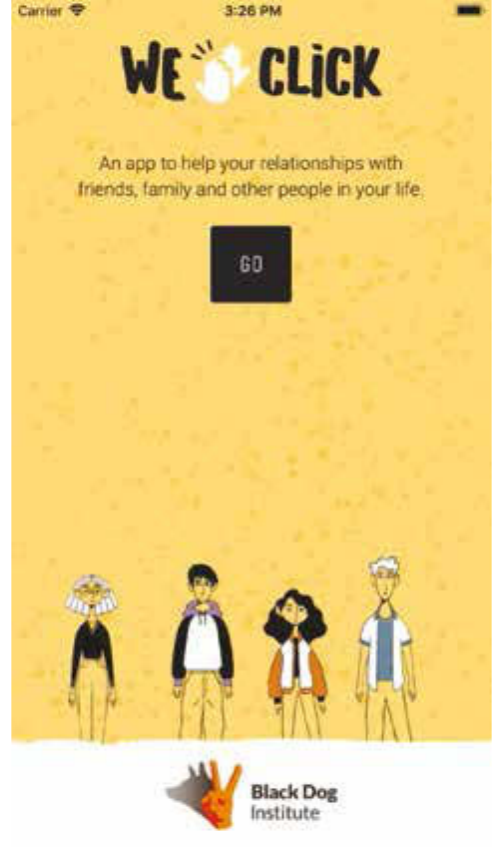
WeClick is a relationships-focused app designed to help young people improve their mental health by strengthening connections with friends, family and others in their lives.
Personal strategies that promote mental health and wellbeing
In addition to government and community programs, young people can adopt personal strategies to promote their own mental health and wellbeing.
| Strategy | Why it works |
|---|---|
| Communicate with family and friends | Discussing problems and solving issues before they become overwhelming helps prevent escalation of mental health concerns. |
| Seek help from medical professionals | Professional identification of mental health disorders can occur before they develop into clinical anxiety or depression, enabling early intervention. |
| Take time to relax | Engaging in hobbies, exercise and meditation provides a sense of accomplishment and purpose, boosts confidence and helps connect with others. |
| Talk to a counsellor | Professional counselling provides a safe space to discuss problems and develop solutions before situations become unmanageable. |
| Get enough sleep | Sufficient rest helps maintain energy levels and mental focus throughout the day. |
| Eat well | A healthy diet supports both physical and mental energy, helping maintain focus and emotional stability. |
| Cut back on alcohol and drugs | Reducing or eliminating substance use improves sleep quality and overall wellbeing. |
Important
These strategies work best when used in combination, creating a comprehensive approach to maintaining positive mental health.
Costs associated with mental disorders

Mental health disorders affect not only the young person experiencing them, but also their families, carers, friends and the broader community. Poor mental health and wellbeing creates economic effects for individuals, the economy and society.
The economic burden of mental health disorders includes:
- Costs related to premature death and disability
- Provision of treatment and support services
- Reduced productivity
- Loss of income for both sufferers and their carers
Note
According to 2020 AIHW data:
- $1.3 billion ($51 per person) spent by the Australian Government on Medicare-subsidised mental health services in 2018-19
- 12.1 million Medicare-subsidised mental health services provided by psychiatrists, GPs, psychologists and allied health professionals
- 12.2% of young people aged 12-17 years received Medicare-subsidised mental health services
- 7.6% of young people aged 12-17 received mental health-related prescriptions
- 39.0 million mental health-related prescriptions provided in total
- 4.3 million patients (17.1% of Australian population) received mental health prescriptions, averaging 9.0 prescriptions per patient
- 86.3% of prescriptions written by GPs, 7.7% by psychiatrists, 4.5% by non-psychiatrist specialists
- 70.9% of mental health prescriptions were antidepressant medications
Important
A report commissioned by ReachOut Australia found that poor mental health in young people costs Australia at least $6.29 billion per annum, including:
- $1.3 billion in direct health costs
- $1.2 billion in unemployment and disability payments
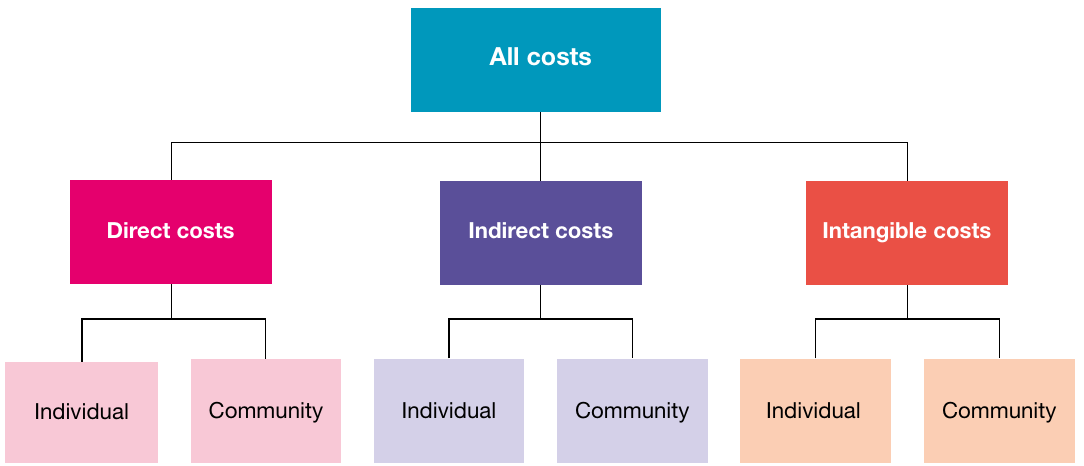
There are three main categories of costs associated with mental health disorders: direct costs, indirect costs and intangible costs. Each category can affect individuals and the community differently.
Direct costs
Direct costs are expenses associated with preventing the disease or condition and providing health and wellbeing services to people experiencing it. These costs include all expenses related to developing and implementing health promotion strategies, as well as diagnosing, managing and treating the condition. It is relatively straightforward to assign a dollar value to direct costs.
Direct costs to individuals are expenses paid by the person with the condition or their family, such as:
- Ambulance transport fees
- Doctor and specialist fees not covered by Medicare
- Surgery or hospital fees not covered by Medicare or private health insurance
- Pharmaceutical costs
Direct costs to the community are expenses borne by society through government funding and services.
Example
Examples of Direct Costs:
| Direct costs to the individual | Direct costs to the community |
|---|---|
| Fee for cognitive behavioural therapy to understand links between thoughts, feelings and behaviour | Costs of implementing health promotion strategies such as Youthbeyondblue |
| Fees for treatment of anxiety disorders or depression, including antidepressant medication and therapy | Costs of scheduled fees for GP visits to discuss low mood, diagnose and treat conditions (paid by Medicare and/or private health insurance) |
| Costs of providing PBS subsidies for antidepressant medication | |
| Costs of operating public and private hospitals for treating self-harm |
Indirect costs
Indirect costs are expenses not directly related to diagnosing or treating the disease, but that occur as a result of the person having the condition.
Examples of indirect costs to the community include:
- Lost productivity when businesses lose employees, decreasing their ability to produce goods or services
- Sick leave payments while employees are unwell
- Lost government taxation revenue when people are unable to work
- Welfare payment costs when disability support is required
Example
Examples of Indirect Costs:
| Indirect costs to the individual | Indirect costs to the community |
|---|---|
| When a young person is unwell due to depression, regular consultations may require ongoing transport costs | Greater funding needed for family members who require welfare payments to care for a young person with depression |
Intangible costs
Intangible costs are expenses on which it is very difficult to place a monetary value. They often involve emotions and feelings for both individuals and the community.
Intangible costs to individuals might include:
- Pain and suffering from the condition
- Stress about the impact and outcome of their situation
- Loss of self-esteem
- Feelings of worthlessness when unable to complete previously manageable activities
Example
Examples of Intangible Costs:
| Intangible costs to the individual | Intangible costs to the community |
|---|---|
| Depression may reduce participation in social activities, such as playing in school sports teams or attending social events with family and friends | Family and friends experience grief in the case of a young person's death by suicide |
Remember!
Summary
Key Points to Remember:
-
Community values shape expectations for youth mental health programs, which should be effective, strength-based, accessible, and safe/respectful/confidential.
-
Young people prefer online and digital services for mental health support due to anonymity and convenience. 52% of 13-17 year olds with major depressive disorder have used online services like headspace, ReachOut or Youthbeyondblue.
-
Multiple pathways exist for accessing support, including Medicare-funded GP and specialist services, headspace centres, Youthbeyondblue, e-Mental Health programs, and various personal strategies.
-
Mental health disorders carry significant costs - Australia spends at least $6.29 billion annually on youth mental health issues, including direct costs (healthcare and prevention), indirect costs (lost productivity and welfare), and intangible costs (pain, suffering and grief).
-
Personal strategies matter - Young people can actively support their own mental health through communication, seeking professional help, relaxation, adequate sleep, healthy eating, and reducing substance use.