Digital Media and Health and Wellbeing (VCE SSCE Health and Human Development): Revision Notes
📚Revision Notes
Digital Media and Health and Wellbeing
What is digital media?
Digital media has become an essential part of our everyday lives, including in the healthcare sector. Understanding how digital media works in health and wellbeing contexts helps us make informed decisions about using these technologies.
Digital media refers to audio (sound), video and photographic content that has been converted into a digital format. Once converted, this information can be easily manipulated, distributed and played by computers, and transmitted to others over computer networks.
Common examples of digital media products include:
- Websites
- Mobile apps
- Social media
- Games
- Data and databases
- Digital audio (MP3)
- Digital images and video
- Computer software
- E-books
- Virtual reality
The health and wellbeing industry has seen a large uptake of digital media technology. There are many applications for providing and distributing health information in different formats, including:
- Technology-based patient consultations
- Virtual reality
- Symptom checkers
- General health and wellbeing websites and mobile apps
- Search engines (such as Google)

Note
Digital media is expanding rapidly, offering new ways to access health information and services. However, it's important to understand both the opportunities and challenges these technologies present.
Types of digital media for health and wellbeing
Technology-based patient consultations
Technology-based patient consultations (also called telehealth) are doctor–patient consultations that use technology as an alternative to face-to-face appointments. These can include:
- Video conferencing
- Internet-based consultations
- Telephone consultations
These services are increasingly used by all medical specialties in Australia, alongside traditional face-to-face consultations. Telehealth consultations work best when the patient and their medical history are well known to the doctor.
Note
Important points about telehealth:
- It does not replace face-to-face consultations where physical examination is needed
- It can increase access to care for patients
- It increases efficiency and effectiveness of medical practice
Important
COVID-19 and telehealth: During the COVID-19 pandemic in 2020, many patients maintained care from their doctors using telehealth consultations. Doctors and patients used video calls to facilitate their appointments. These services were bulk-billed by Medicare throughout 2020 as an emergency response. The availability of telehealth consultations meant people did not have to leave home to see their doctor, reducing the risk of spreading COVID-19, especially for those with underlying health conditions.
Virtual reality
Virtual reality technology has a wide range of emerging applications in healthcare. These include:
Patient care applications:
- Distraction therapy for cancer patients undergoing chemotherapy
- Helping patients manage pain and anxiety during treatment
Doctor training applications:
- Training surgeons in procedures that are difficult to observe
- Improving doctor–patient relations for elderly people or those with dementia
- Allowing doctors to experience what it's like to be elderly with low vision and hearing, or to experience life as a dementia patient
Note
These applications aim to improve connections between elderly patients and their younger doctors, helping to improve access to healthcare for these patients.
Symptom checkers
Many Australian websites and mobile apps have web-based symptom checkers available 24 hours a day. People can either search for symptoms they are experiencing or answer questions to determine the best action when feeling unwell.
Examples of symptom checker services:
Healthdirect (Australian government website):
- Provides a symptom checker that advises whether to see a GP, pharmacist or go to a hospital emergency department
- Users answer questions about their symptoms
- Provides basic self-care information based on the answers
myDr:
- Provides a drop-down menu of symptoms to choose from
- Opening a symptom (for example, back pain) gives general information, causes and advice on relieving the problem
mayoclinic.org (overseas-based website):
- Provides symptom checking services
Note
These tools help people make informed decisions about seeking medical care when experiencing symptoms.
Mobile apps
Mobile apps provide access to specific health information on a wide range of topics. These can help people manage various aspects of their health and wellbeing.
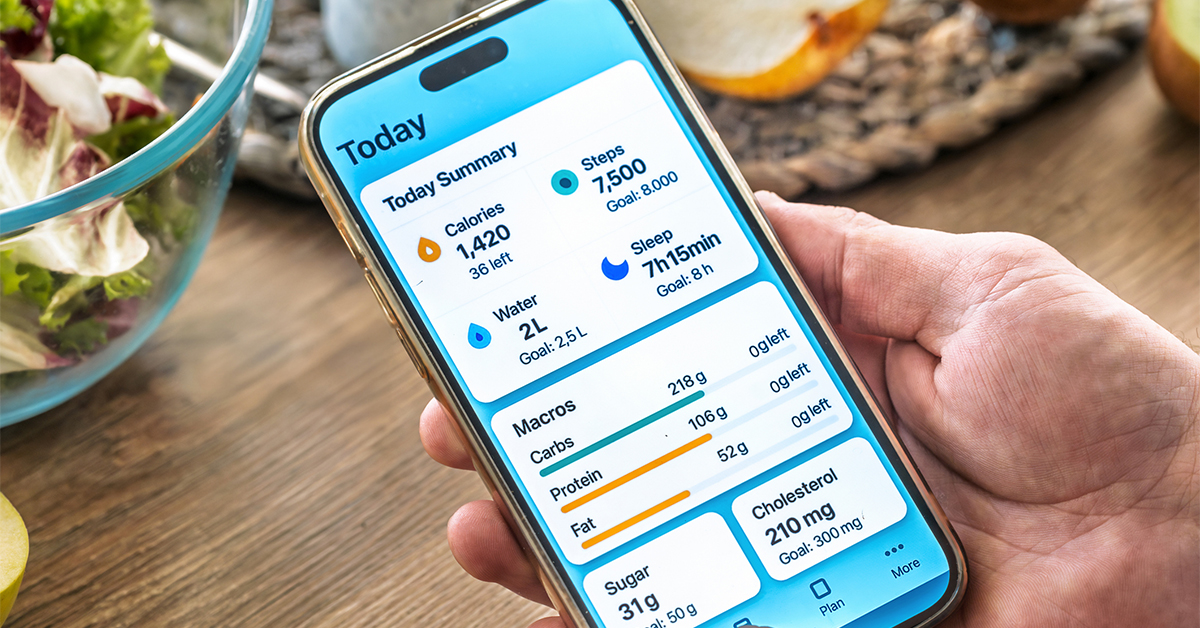
Types of health apps:
- Food ingredient lists for people with allergies
- Exercise trackers
- Menstrual period trackers
- Skin checks for moles
- Diet and calorie trackers
Note
Health and fitness apps: During the lockdown periods of the COVID-19 pandemic in 2020, large numbers of people used exercise apps to maintain fitness when gyms and facilities were closed. Downloads of health and fitness apps increased by 46% worldwide during 2020. The largest grossing health and fitness apps between April and June 2020 were:
- Calm - focused on meditation, relaxation and sleep
- Headspace - mental health and meditation
- MyFitnessPal - workout and diet tracker
Specific health condition apps:
Government and non-government organisations have developed apps to assist consumers with specific health issues:
- BeyondNow (Beyondblue) - For people experiencing suicidal thoughts and feelings. Provides a mobile, personalised safety plan that people can carry at all times to help them through tough times or get help when needed.
- On Track with The Right Mix (Department of Veterans' Affairs) - Allows people to keep track of their drinking over time and provides information on the short- and long-term health effects of drinking alcohol.
- SkinVision - Designed to evaluate moles and other skin lesions for skin cancer risk. Users take photos of moles or skin conditions, then the app analyses the photo and gives a recommendation based on a traffic light system. Allows people to track changes over time and share information with doctors.
- My QuitBuddy (Quitnow initiative) - Free app to help people get and stay smoke-free. Provides helpful tips and distractions to overcome cravings, tracking systems to chart progress, and facts about the health effects of smoking. Versions target Aboriginal and Torres Strait Islander peoples and pregnant women.
General health and wellbeing websites
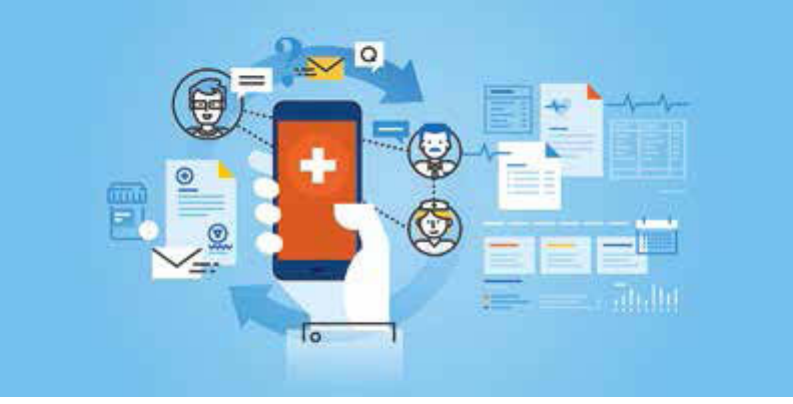
Many websites globally provide general health and wellbeing information. In Australia, both government and non-government organisations make large volumes of health information available.
Government websites:
Healthdirect (www.healthdirect.gov.au):
- Federal government service providing free Australian health advice
- Extensive A–Z listing of health information based on conditions, symptoms or common health experiences for different life stages
- Has a mobile app with similar information and assistance
- Includes symptom tracker
Better Health Channel (www.betterhealth.vic.gov.au):
- Comprehensive health and wellbeing website from the Victorian Government
- Tools such as BMI calculator
- Health-related apps including:
- Vax On Time - Reminds parents and carers when their child's vaccinations are due
- Better Health Channel app - Lets people set personal health alerts and notifications for pollen, UV levels and smog
- Range of healthy recipes and articles on healthy living topics
Non-government websites:
myDr.com.au (project of DrMe Pty Ltd):
- Independent website providing reliable Australian health information
- Health tools and calculators covering symptoms, diseases, tests and investigations, medicines, treatments, nutrition and fitness
- Health information categorised by age and gender
- Can be browsed for common concerns
- Has a search engine to find a GP
Search engines
One in 20 Google searches are for health-related information. In 2016, Google responded by adding medical facts about common ailments, including symptoms, treatments and useful facts when basic health conditions are searched.
Google's health information features:
- Provides a single reliable source of health information checked by doctors from the Mayo Clinic and Harvard Medical School
- Instead of numerous poor or unreliable websites, users can access verified information
- Helps users gather relevant information and decide which course of action to take
How it works:
- Searching for specific symptoms (e.g., "headache on one side") results in a list of associated conditions such as "migraine", "common cold" or "tension headache"
- For general searches (e.g., "headache"), Google provides an overview description with information on self-treatment options or symptoms that warrant a doctor's visit
Important
Google's health information is not designed to replace one-on-one consultations with medical professionals. It helps users navigate health conditions related to symptoms and do more in-depth research or talk to a health professional.
Usage in Australia: Around one quarter of all Australians regularly seek health information online. One study showed that searching for health and medical information was among the top ten internet activities for Australians aged over 16.
Opportunities for health and wellbeing created by digital media
Digital media presents significant opportunities to improve health and wellbeing, particularly for certain population groups who face barriers to traditional healthcare access.
| Health and wellbeing issue | Opportunity created by digital media |
|---|---|
| Australians living in rural and remote areas | Increased access to health information resources such as websites and mobile apps without having to travel long distances to see a healthcare professional. This means less time away from work and family and less money spent on travel. Telehealth consultations mean that people living far from their health providers can still access one-on-one care without having to travel. |
| Australians of low socioeconomic status | Apart from the cost of the internet or phone connection, large amounts of health-related information is available on websites or via mobile apps that are free. This makes healthcare more accessible for those who struggle with the cost of individual appointments. |
| Language barriers | Those with language barriers can access health information, as many websites offer information in a variety of languages, or an online translator can be used to interpret information. |
| Expanding on a diagnosis | Websites can be useful for someone who wants to find out more about an injury or disease diagnosis from a doctor. The consultation time might be limited, the patient might think of more questions after they have left the clinic, or the doctor might have given large amounts of information that is difficult to process all at once. |
| Support groups | Through the internet or social media sites, people can share their experiences, treatments or offer advice and support to people with certain health conditions. They can connect with people and ask questions without having to travel long distances to seek personal support, or remain anonymous if they choose. |
Note
Key benefit: Using the internet as a source of health and wellbeing information can help patients be more informed and make better decisions about health issues. However, it is usually an additional resource, not a substitute for seeing a doctor or health professional in person.
Case study: GPs and telehealth
A survey by the Royal Australian College of General Practitioners (RACGP) in July 2020 showed that GPs and patients were seeing the benefits of telehealth consultations during the COVID-19 pandemic.
Survey findings:
- More than 420 GPs were surveyed
- One in five respondents reported that 61–80% of their patients had requested a telehealth consultation
- More than 99% of GPs were offering consultations via video or telephone
- Almost 97% of practices were still offering face-to-face consultations, providing patients with flexible access options
- The majority of GPs used telephone for telehealth, but more than half (54%) had used video at least once
Note
Benefits of video consultations:
GPs who used video said they found it to be:
- More personal (19%)
- Helpful in assessing the patient (26%)
- Helpful in undertaking a physical examination (18%)
Common types of video consultations:
- Standard consultations
- Follow-up consultations
- Prescriptions
- Referrals
- Mental health appointments
Patient perspective:
- A June 2020 survey of more than 700 Australians revealed 32% had delayed or avoided seeing their GP in the previous three months due to fears of contracting COVID-19
- 37% of respondents said they would be willing to try video consultations
Barriers to video consultations:
- A quarter of respondents reported not having the necessary hardware or software to use video technology
- Additional support and education for GPs and practice teams was needed
Important
Important message from GPs: Patients should not delay or avoid seeking care from their GP. If patients are not confident using video technologies, a telephone consultation works just fine. The most important thing is not to delay seeking medical care.
Future of telehealth: The vast majority of GPs welcomed the prospect of temporary COVID-19 Medicare Benefits Schedule items being extended, indicating they would continue to provide care via telehealth. There is strong demand for flexible telehealth and telephone consultations to continue beyond the pandemic.
Challenges for health and wellbeing created by digital media
While digital media offers many opportunities, it also presents several challenges that can negatively impact health and wellbeing. Understanding these challenges is crucial for using digital health resources safely and effectively.
| Challenge | Description |
|---|---|
| Reliability of information | Online sources are not always accurate, truthful, reliable or even honest. Users rarely know exactly who is providing the information or advice. Because of the nature of medical advice about conditions or treatments, misinformation can be particularly harmful as it may directly affect a person's health and wellbeing. |
| Low health literacy | Many people do not have the levels of health literacy to give them the skills or knowledge to seek reliable advice, and therefore act on ill-informed opinions or information. High levels of health literacy are needed to sort through the massive amount of information available and decide what is useful, accurate and safe. |
| Self-diagnosis | Internet resources give information only and cannot ask the questions required to accurately diagnose or identify a health condition, increasing the risk of people misdiagnosing their health concerns. This may result in people dismissing serious symptoms as nothing of concern, or beginning inappropriate treatments for symptoms that may have been misdiagnosed. Self-diagnosing can cause a delay in seeing a doctor and beginning treatment for health conditions. |
| Self-medicating | Choosing medications based on a self-diagnosis may mean the real condition is not treated or the medication chosen may cause health problems itself. This can mean that potentially life-threatening health conditions are not adequately treated, or dangerous medications may be taken when not appropriate. |
| Cyberchondria | This term describes people who research any and all symptoms of a rare disease, illness or condition, and cause themselves a state of medical anxiety. People who fear catastrophic injuries or diseases may search their symptoms online and become even more anxious because of the (often dubious) information they have found. |
Note
Key definitions:
-
Self-diagnosis: The process of diagnosing or identifying medical conditions in oneself using books, online resources or past personal or family experiences.
-
Self-medicating: A behaviour in which an individual uses a medication or substance to self-administer treatment for physical or psychological ailments. The most widely used substances for self-medication are over-the-counter medicines used to treat common health issues at home.
-
Cyberchondria: A term used to describe people who search medical symptoms online and believe they have the worst-case scenario for their symptoms.
The problem with online diagnosis
Different websites can suggest vastly different diagnoses for the same symptom. This inconsistency demonstrates why self-diagnosis using online resources can be dangerous and unreliable.
Example
Worked Example: Different diagnoses from internet searches
The following table shows how the same symptom can lead to dramatically different diagnoses depending on which website is consulted:
| Symptom | Website A | Website B | Website C |
|---|---|---|---|
| Pins and needles | Vitamin B12 deficiency | Sciatica | Multiple sclerosis (MS) |
| Stomach cramps | Indigestion | Appendicitis | Heart disease or angina |
| Earache | Common cold | Ear infection | Brain abscess |
| Blurred vision | Presbyopia | Glaucoma | Cataracts |
| Rash | Contact dermatitis | Psoriasis or eczema | Meningitis |
As shown in this table, a single symptom can result in diagnoses ranging from minor conditions to life-threatening illnesses, depending on which website is consulted. This highlights the importance of seeking professional medical advice rather than relying on internet searches alone.
Important
Exam tip: When discussing challenges of digital media for health, always link back to potential impacts on health and wellbeing. For example, self-diagnosis may lead to delayed treatment, which could worsen a condition and negatively affect physical health and wellbeing.
Summary
Remember: Key Points About Digital Media and Health
-
Digital media includes audio, video and photographic content converted into digital format that can be easily manipulated, distributed and transmitted over computer networks.
-
Key types of digital media for health include technology-based patient consultations (telehealth), virtual reality, symptom checkers, mobile apps, general health websites and search engines.
-
Major opportunities include:
- Increased access for rural and remote Australians
- Affordability for those of low socioeconomic status
- Support for those with language barriers
- Ability to expand on medical diagnoses
- Access to online support groups
-
Significant challenges include:
- Unreliable information
- Low health literacy among users
- Risks of self-diagnosis and self-medication
- Cyberchondria (health anxiety from online searches)
-
Important principle: Digital media should be used as an additional resource to support healthcare decisions, not as a substitute for professional medical advice. Always consult with a healthcare professional for proper diagnosis and treatment.