Issues in Health Services (VCE SSCE Health and Human Development): Revision Notes
📚Revision Notes
Issues in Health Services
Introduction
Medical science has experienced remarkable advances in recent decades. New procedures and technologies have revolutionised healthcare and improved countless lives. However, these innovations also bring significant challenges and ethical dilemmas that society must navigate carefully.
Modern medical advances include:
- Assisted reproductive technologies like in-vitro fertilisation (IVF)
- Nanotechnology applications in medicine
- Robotics and artificial intelligence in healthcare
- 3D printing of replacement body parts
- Stem cell research and therapies
Note
Each of these technologies raises important questions about how they should be used, who should have access to them, and what ethical boundaries should guide their development. Understanding these questions is crucial for making informed decisions about the future of healthcare.
Key issues in medical technology
When new medical procedures and technologies emerge, five main issues often arise. Understanding these issues helps us evaluate the benefits and challenges of medical innovation.
Important
The Five Key Issues in Medical Technology:
Every new medical technology must be evaluated against five critical considerations:
- Ethics - Is it morally right or wrong?
- Privacy - How is personal information protected?
- Equity - Can everyone access it fairly?
- Invasiveness - How much does it impact the body?
- Freedom of choice - Can people make their own decisions?
Not every technology raises all five issues, but this framework helps us systematically evaluate medical innovations.
Ethics
Ethics refers to the moral principles that guide our behaviour and decision-making. In healthcare, ethics concerns what we believe is fundamentally right or wrong. Whilst society shares some general ethical beliefs, individuals often hold different views on specific medical issues.
Ethical questions in medicine might include:
- Is it morally acceptable to create human embryos for research?
- Should there be age limits on certain medical procedures?
- How do we balance the desire to save lives with respect for natural processes?
Privacy
Privacy in healthcare primarily relates to keeping personal medical details confidential between patients and their doctors. As medical records become increasingly digitised and interconnected, protecting patient privacy becomes more challenging but also more critical.
Privacy concerns arise when:
- Medical records are stored electronically and potentially vulnerable to hacking
- Patient information is shared between healthcare providers
- Research uses patient data
Note
The shift to digital health records has created unprecedented opportunities for improving healthcare, but it has also introduced new vulnerabilities. Every piece of medical information stored electronically represents a potential target for cybercriminals.
Equity
Equity addresses whether all people have fair opportunities to access medical procedures and technologies. True equity means everyone can achieve the same health outcomes, regardless of their:
- Financial resources
- Geographic location
- Socioeconomic status
- Sexuality or identity
Note
New medical technologies often start out expensive and available only in major cities, creating inequity in access. As technologies mature, costs typically decrease and availability expands, but this process can take many years, leaving some populations without access during the crucial early stages.
Invasiveness
Invasiveness refers to how much a medical procedure physically impacts the body. Highly invasive procedures may require:
- Large surgical incisions
- Insertion of instruments into the body
- Extended recovery periods
- Greater risks of complications
One goal of medical innovation is to reduce invasiveness whilst maintaining or improving treatment effectiveness.
Freedom of choice
Freedom of choice means individuals have the right to make their own medical decisions, provided they don't infringe on others' rights. This includes:
- Choosing whether to undergo treatment
- Selecting between different treatment options
- Making reproductive decisions
- Deciding how their medical information is used
However, freedom of choice can conflict with other ethical considerations, such as when individual choices have broader societal impacts.
Assisted reproductive technologies: IVF
In-vitro fertilisation (IVF) represents one of the most established yet still evolving assisted reproductive technologies. Although the first IVF baby was born in 1978, the technology continues to improve, with researchers constantly refining techniques to increase success rates.
How IVF works
IVF involves manually combining eggs and sperm in a laboratory setting, then transferring the resulting embryo into the uterus. The process typically includes:
Example
How the IVF Process Works:
Step 1: Hormone stimulation Women receive hormones to stimulate egg production
Step 2: Egg harvesting Multiple eggs are harvested from the ovaries
Step 3: Laboratory fertilisation Eggs are fertilised with sperm in laboratory conditions
Step 4: Embryo development Several embryos develop over several days
Step 5: Embryo selection and transfer Two or three embryos are selected and transferred to the uterus
Step 6: Cryopreservation Remaining embryos are frozen for potential future use
Who uses IVF
IVF is recommended for healthy heterosexual couples who have been unable to conceive naturally after 12 months of trying. Approximately 8-10% of couples experience reproductive challenges and may consider IVF.
The technology is also available to:
- Same-sex couples wanting biological children
- Single women wishing to become mothers without a male partner
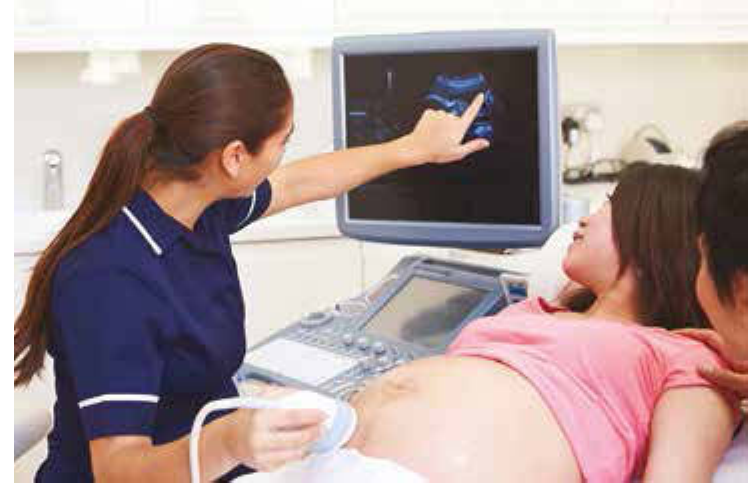
Success rates
Success rates vary significantly by age:
- Women under 30: approximately 40% success rate per embryo
- Women over 40: approximately 8.5% success rate per embryo
- Women at age 44: only 2% success rate per embryo
Note
These declining success rates with age create additional ethical considerations, particularly regarding access to IVF for older women and the appropriate use of limited healthcare resources.
Ethical issues with IVF
IVF raises numerous ethical questions that divide public opinion. Different perspectives emerge based on personal values, religious beliefs, and views about the nature of life.
Important
Major Ethical Dilemmas in IVF:
Creating life artificially: Some people question whether artificially creating life is morally acceptable. Certain religions explicitly prohibit IVF, whilst others believe nothing should prevent people from fulfilling their desire to have children.
Age considerations: Reports of women in their 60s and 70s having babies through IVF in countries like Spain and India have sparked debate. Many argue it's unfair to children to have elderly mothers who may not live long after their birth.
Unused embryos: One of the most pressing ethical dilemmas concerns embryos created but not used during IVF cycles. In Victoria alone, approximately 49,600 frozen embryos were stored as of June 2020. Embryos can be stored for up to ten years in Victoria, but what happens afterwards?
Not everyone feels it's morally right to create potential lives and then destroy them if they remain unused. This raises fundamental questions about when life begins and how we should treat early-stage embryos.
Designer babies: Scientists can now genetically alter embryos created through IVF. Some people have used this technology to have children who are genetic matches for sick siblings, ensuring a compatible donor for organs, blood, or bone marrow. Whilst this can save lives, many object to creating babies primarily to serve as donors, questioning whether this respects the new child's dignity and rights.
Equity issues with IVF
IVF is expensive, creating barriers for many Australians. An average IVF cycle costs around $5,000, with additional ongoing expenses like embryo storage fees.
In Australia, fertility treatment may be eligible for Medicare rebates if there is a medical cause of infertility. However, this creates potential inequity:
- Single women and same-sex couples may not qualify for rebates because they don't have a medical fertility issue
- High costs without rebates may make IVF financially impossible for these groups
- Some taxpayers object to public funding for IVF, especially for older women with low success rates
Note
Geographic location also affects equity. Specialist fertility clinics are typically located in major cities, requiring travel and accommodation costs for regional and rural residents. These additional expenses can make IVF prohibitively expensive for people outside metropolitan areas.
Nanotechnology in medicine
Nanotechnology involves working with extremely small things—particles smaller than 100 nanometres in size. This science holds enormous potential for healthcare applications.
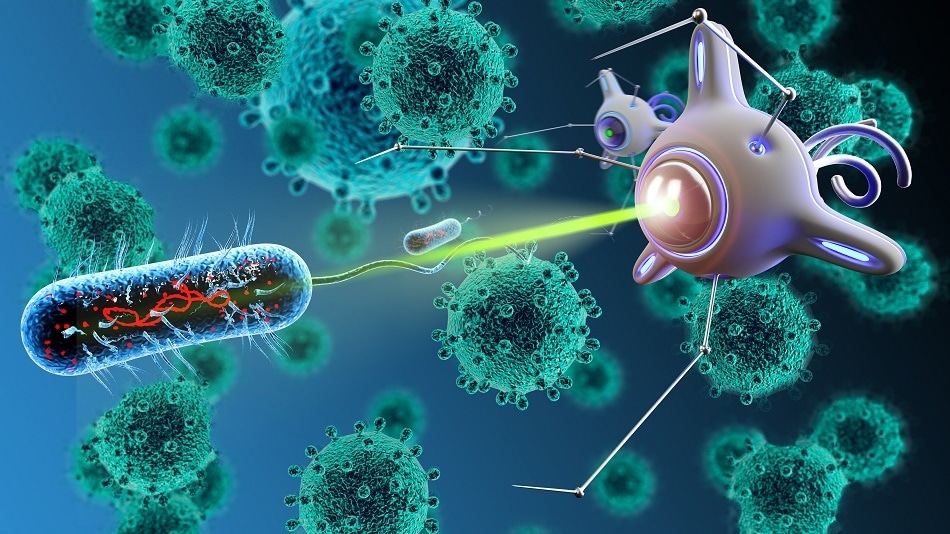
Applications of nanotechnology
Improved drug delivery: Nanotechnology enables more effective drug absorption and targeting. Medications can be directed precisely to where they're needed in the body, increasing effectiveness whilst potentially reducing side effects.
Better diagnostics: Diagnosing diseases like cancer and HIV traditionally requires numerous blood tests, scans, and invasive procedures. Nanotechnology can achieve accurate diagnoses with barely a drop of blood, significantly reducing invasiveness.
Vaccination delivery: Vaccines can be delivered via aerosols or skin patches instead of injections. This innovation has important implications for global health, particularly in low-income countries, because it:
- Eliminates the need for refrigerated vaccine transport
- Reduces requirements for trained healthcare workers to administer injections
- Increases equity of access to vaccination programmes
Benefits and concerns
The cost savings from increased medication effectiveness and streamlined vaccination delivery can be substantial, potentially increasing equity of healthcare access. However, ethical questions persist. Some people compare nanomedicine to genetically modified foods, focusing more on concerns about the technology itself than on the potential benefits.
Case study: Nanotechnology for hearing loss

Researchers from Melbourne's Bionics Institute and the University of Melbourne have developed a potential treatment for neural hearing loss using nanoparticles. Neural hearing loss, the most common form of deafness, affects people as they age or after prolonged exposure to loud noise in industries like music, mining, construction, and the military.
Example
Case Study: Treating Hearing Loss with Nanotechnology
The Patient: Jim Findley, a former US Army infantry officer, experienced permanent hearing loss after combat in Afghanistan. The cacophony of battlefield sounds—gunfire, artillery, shouting—damaged his hearing irreparably. He has lived with partial hearing loss in his left ear for about a decade.
The Problem: According to Epworth Hospital surgeon Sherryl Wagstaff, hearing loss causes people to isolate themselves. They avoid social situations and may develop depression. Research now links hearing loss to increased dementia risk. Dr Wagstaff describes the potential new treatment as potentially "earth-shattering."
The Innovative Solution: Researchers can load restorative drugs into nanoparticles about half a millimetre in diameter—smaller than a cake sprinkle. Associate Professor Andrew Wise explains that these particles are remarkably porous, like volcanic rock, allowing them to hold high levels of growth factors (drugs) that release slowly over many months.
The Challenge: The challenge has been that whilst drugs capable of repairing inner-ear nerve damage already exist, no one has successfully delivered them to the inner ear in sufficient quantities to work effectively. The nanoparticle delivery system solves this problem.
The Target: The treatment targets people with sensory hearing loss, who can hear but have difficulty processing sound and interpreting speech in challenging environments. This condition affects approximately one billion people worldwide by 2050, according to projections.
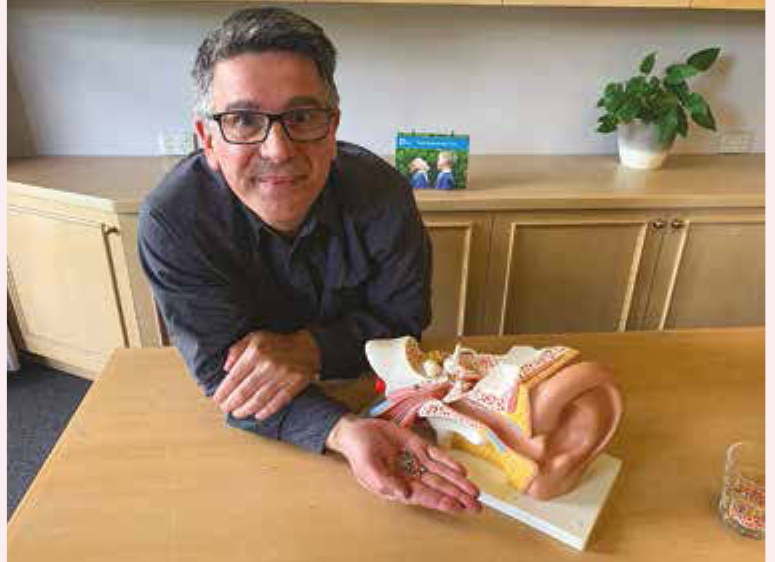
Although the treatment is still years away from human trials, the US Department of Defence has committed $1.1 million to the research, reflecting the significant impact of hearing loss on military personnel. For veteran Jim Findley, it offers genuine hope: "Mate, it would be brilliant."
Impact on health and wellbeing: This nanotechnology application could significantly improve social health and wellbeing by:
- Reducing social isolation caused by hearing loss
- Improving communication ability
- Potentially reducing dementia risk
- Eliminating the need for hearing aids
- Restoring quality of life for millions of people
Artificial intelligence and robotics
Artificial intelligence (AI) and robotics in healthcare have moved from science fiction to reality. These technologies are already being used in mainstream medicine, with enormous potential for future expansion.
What is artificial intelligence in healthcare?
Artificial intelligence refers to computer systems that can perform tasks normally requiring human intelligence. These tasks include:
- Visual perception and image analysis
- Speech recognition
- Decision-making based on complex data
- Pattern identification in vast datasets
Note
Currently, AI and robots assist rather than replace human medical staff, though the potential for highly automated "doctorless" hospitals does exist theoretically. The medical community generally views AI as a tool to enhance, not replace, human clinical judgment.
How AI is currently used
Diagnosis support: AI systems can access and analyse vast amounts of medical data to identify patterns that humans lack the processing power to detect. Doctors are saved from impossible amounts of reading and research when seeking information to assist with diagnoses.
Computer programmes use complex algorithms to provide information rapidly. They can transform masses of electronic medical files into resources goldmines for doctors almost immediately. This represents a major advancement in diagnosis, especially for rare health conditions. Without AI, doctors might make several incorrect diagnoses and perform unnecessary tests, lengthening the time before accurate diagnosis.
Treatment planning: AI's ability to rapidly analyse stored health data can help determine the most appropriate medication for each patient. This could make healthcare more personalised to individual circumstances and improve treatment effectiveness.
Important
Current Limitations of AI in Medicine:
At this stage, computers cannot provide doctors with 100% certainty about diagnoses or treatments. AI systems add to the information doctors have gathered to help them make decisions, but ultimately doctors must use their own judgement to decide on the best course of action for each individual patient.
Human clinical expertise remains essential for interpreting AI recommendations in the context of each patient's unique situation.
Robotic surgery
Some surgeons use robots to assist with surgery in operating theatres. Currently, the surgeon remains in control, using the robot as a tool. However, technological advances may eventually enable robots to control surgeries and medication dispensing independently, with humans still making key decisions.
Privacy concerns
The biggest concern with AI in healthcare is privacy. Although online medical records and data offer enormous potential for researchers and doctors, they also create opportunities for hackers to access patients' private and confidential records. This information could be made public or used for unintended and unauthorised purposes.
Important
Major Data Breaches Demonstrate the Risk:
High-profile data breaches demonstrate the real threat to medical privacy:
- In 2016, hackers broke into the World Anti-Doping Agency's database and publicly released numerous Olympic athletes' medical records
- In 2018, over 1.5 million Singapore citizens had their personal information stolen, including the prime minister
The possibility of hacking personal medical information and the resulting privacy invasion represents a major barrier to public acceptance of this technology. These concerns contributed to many Australians opting out of the government's My Health Record initiative.
Equity potential
Despite privacy concerns, AI and robotics could ultimately:
- Reduce healthcare costs for patients
- Open up access to health services for lower socioeconomic populations
- Address equity of access by providing specialised services where doctors are unavailable
Accepting AI and robots into mainstream medicine could benefit many people, but privacy remains a significant obstacle.
3D printing of body parts
The applications of 3D printing in medicine are numerous and largely untapped. This field of research is expanding rapidly, with scientists developing biologically compatible materials and increasingly precise printers.
Current applications
Bones and hard tissue: The largest current application involves printing bones from titanium, which is already used in surgical implants like screws and plates for repairing badly broken bones. Implants are being printed to provide replacement bones for reconstructing body parts damaged through serious injury or surgical removal.
Example
Real-World Application: Facial Reconstruction
In England in 2014, surgeons repaired a man's face two years after a serious motorcycle accident. Conventional reconstructive surgery couldn't completely restore his appearance, causing him embarrassment in public.
Surgeons printed titanium bone implants to reconstruct his cheekbones and eye sockets, significantly improving his face shape and reducing his anxiety about going out.
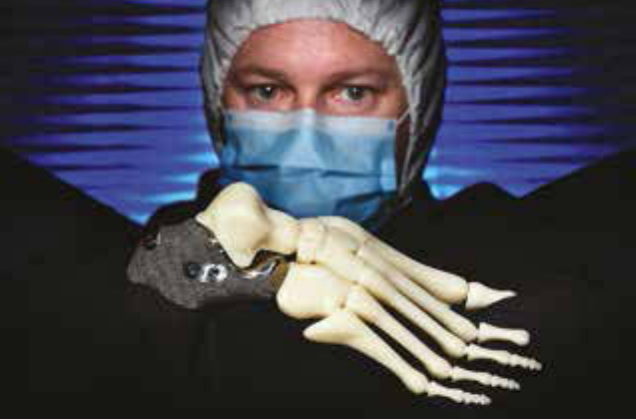
Australian leadership: Australia leads many advances in 3D printing for medicine. In 2014, surgeons replaced a man's cancerous heel bone with a titanium, 3D-printed bone. Traditionally, such a tumour would have required leg amputation below the knee. Instead, a Melbourne biotechnology company printed a titanium bone implant to rebuild the foot after removing the cancer-containing bone. This technology is not only lifesaving but far less invasive than traditional treatments like amputation.
Future potential
"Living" body parts: Research continues on producing muscle, cartilage, and skin that can be printed and implanted in the human body. Fully functioning organs haven't been developed yet, but functional organ structures like heart valves have been produced.
Impact on organ donation: If organs or replacement organ parts could be successfully printed and implanted, the need for organ donors would be reduced. This would:
- Reduce ethical and privacy issues associated with traditional organ donation
- Eliminate the need for donor families' involvement
- Speed up treatment for sick patients currently on long waiting lists for compatible organs
Equity issues
Development of 3D printing technology involves high costs, and most treatments are still considered experimental. High treatment costs could make this technology financially inaccessible for some people. Additionally, people in rural and remote areas may be unable to access these treatments because cutting-edge technology and medical personnel trained in its use aren't usually available outside major cities.
Case study: 3D-printed heel saves man from amputation
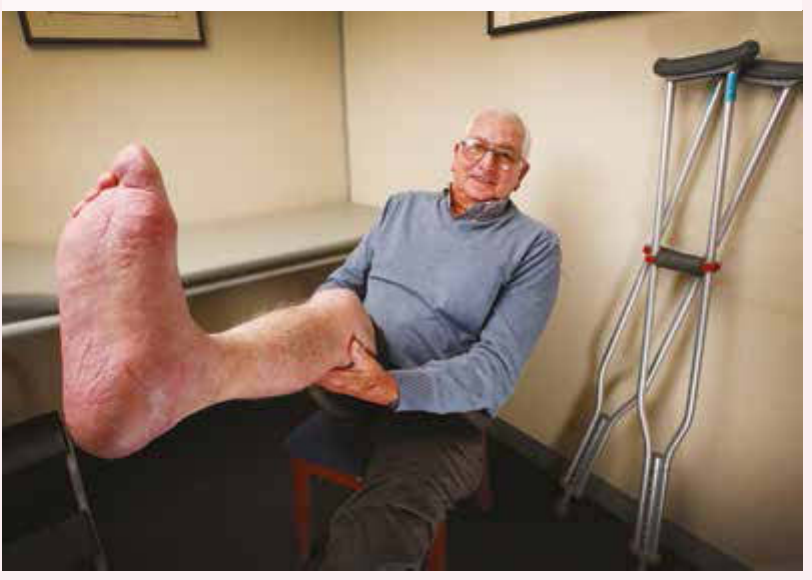
Australia continues demonstrating leadership in 3D printing for medicine. Doctors at St Vincent's Hospital saved 71-year-old Len Chandler from amputation using this technology.
Example
Case Study: World-First Load-Bearing 3D-Printed Heel Bone
The Problem: In April, Len was diagnosed with cartilage cancer that had overtaken his heel bone (calcaneus). Because this complex bone moves in conjunction with shin and foot bones, such tumours typically result in leg amputation below the knee.
The Innovative Solution: Professor Peter Choong at St Vincent's had different plans. Working with Melbourne biotech company Anatomics and CSIRO (Australia's federal science research institution), Prof. Choong provided Len with a 3D-printed implant.
The Process:
- The medical team scanned Len's intact left heel bone
- Anatomics created a mirror image for his right foot
- The 3D model was sent to CSIRO
- CSIRO 3D-printed an exact replica in titanium using an Arcam 3D printer
- After tumour removal, doctors successfully implanted the new heel bone
- Muscles and Achilles tendon were reattached
Why It Was Pioneering: According to Anatomics CEO Andrew Batty, "This is very much a pioneering procedure." The procedure was a world first because most 3D-printed implants aren't load-bearing to the extent this heel bone would be. Past 3D printing has created implants in the skull or, more rarely, the hip. However, Len's foot would bear even greater weight.
Additionally, the implant required both a smooth surface to work with other foot bones and porousness so tissue could grow inside it and allow the body to accept it.
The Outcome: After surgery on 11 July, Len, a construction worker, recovered remarkably well. He could already carry more than half his own weight shortly after surgery. Professor Choong believed he would no longer need crutches by Christmas. Len said: "I didn't know how good it was going to be—I don't think Prof. Choong knew how good I'd be—but I'm going very well."
Addressing invasiveness: This case study demonstrates how 3D printing can significantly reduce invasiveness. Traditional treatment would have required leg amputation—an extremely invasive procedure with major physical and psychological impacts. The 3D-printed replacement bone preserved Len's limb whilst effectively treating his cancer.
Professor Choong explained: "Science advances have allowed us to consider 3D printing of bones and we were able to get information from Len's foot and use that to tell the computers precisely how big his foot is, and reproduce that using the new 3D technology. Going from the possibility of an amputation to where you preserve the limb on account of one (replacement) bone is rewarding if you can achieve it."
Stem cells
Stem cell science is a fast-moving field with advances made almost daily. Understanding stem cells and their potential applications requires knowing what they are and how they work.
What are stem cells?
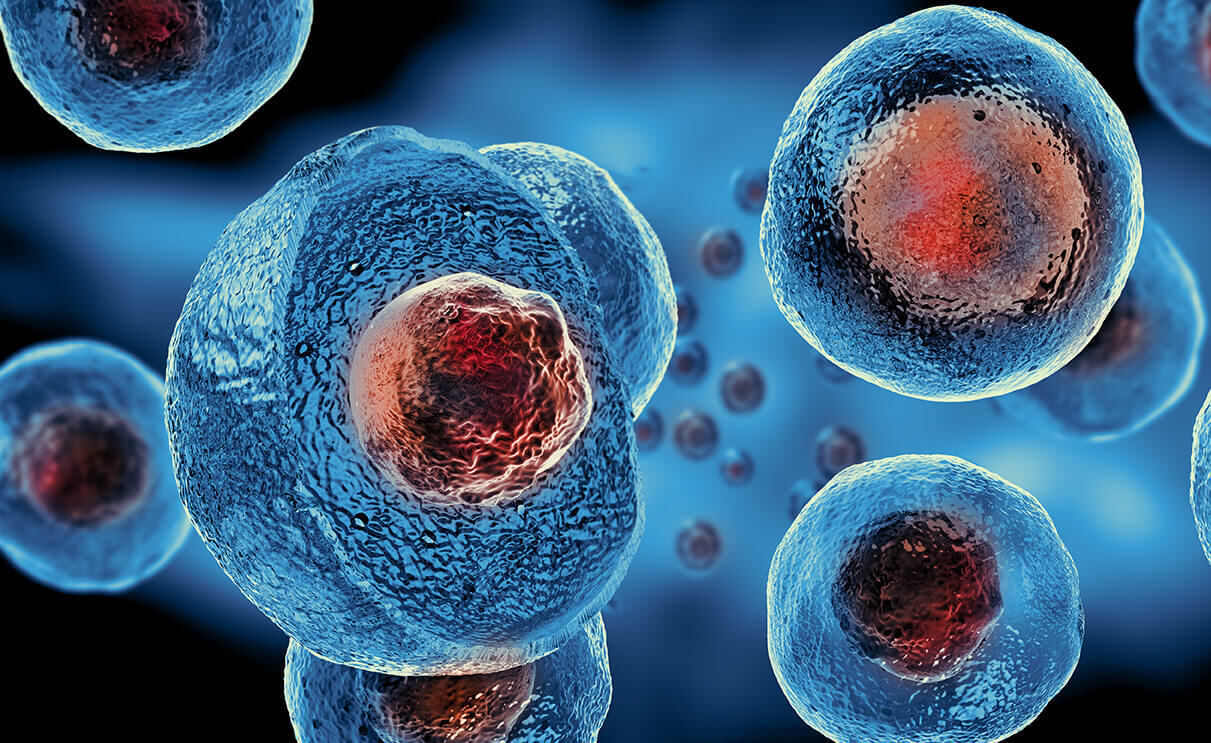
Stem cells are unspecialised cells with the potential to differentiate (change) into many different cell types in the early stages of embryonic development. Different types of stem cells occur naturally in humans and have different roles depending on their type and location.
Note
Differentiation is the process whereby an unspecialised embryonic cell acquires the features of a specialised cell, such as a heart, liver, or muscle cell.
Types of stem cells
Scientists primarily work with two kinds of stem cells:
Embryonic stem cells: These are derived from human embryos 3-5 days after fertilisation. Embryonic stem cells are the most potent form because they can differentiate into any type of cell in the human body.
Adult stem cells: Despite the name, these can come from embryos or adult tissue. "Adult" refers to the fact that these stem cells have already differentiated to some degree and can make new cells of only certain types. For example, adult stem cells in bone marrow can differentiate into different types of blood cells but not into other cell types.
Generally, adult stem cells generate replacement cells for those lost through normal degeneration, disease, or treatments like chemotherapy.
Current and potential applications
Cell-based therapies: Stem cells offer great potential for treating diseases through cell-based therapies—treatments in which stem cells are induced to differentiate into specific cell types required to repair damaged or destroyed cells or tissues.
Potential applications include treating:
- Diabetes (by replacing insulin-producing pancreatic cells)
- Heart disease (by generating new heart muscle tissue)
- Multiple sclerosis (by replacing damaged nerve cells)
Example
Potential Application: Treating Type 1 Diabetes
When someone has type 1 diabetes, their pancreatic insulin-producing cells are destroyed, leaving them unable to regulate blood glucose levels. These cells could potentially be replaced with new functional cells grown from embryonic stem cells. However, this type of therapy isn't yet available in mainstream medicine.
Organ repair: One of the most important potential applications involves replacing cells in failing organs. Currently, donated organs replace failing ones, but demand far exceeds supply. Stem cells could provide a renewable source of replacement cells rather than requiring entire organ transplantation.
For instance, it may become possible to use stem cells to generate healthy heart muscle tissue to repair hearts after heart attacks or due to heart disease. This would:
- Reduce the need for organ donors
- Eliminate ethical questions around organ donation
- Reduce the invasiveness of heart transplant surgery
- Reduce privacy issues surrounding organ donation
Note
These applications haven't been realised yet, but represent the future direction of stem cell research. Scientists continue working to overcome technical challenges and develop safe, effective therapies.
Ethical issues
Controversy surrounds the ethics of using and destroying human embryos for stem cell research and therapies. Generally, embryos used for research are unused embryos created through IVF treatment. When no longer needed for reproductive purposes, these embryos can be donated for research.
Important
The Fundamental Ethical Dilemma:
Stem cell research involves two conflicting moral principles:
- The duty to prevent or alleviate suffering
- The duty to care for and value human life
Many people believe human life begins at fertilisation. Therefore, they consider using embryos for stem cell research and therapies as destroying human life. This creates a fundamental ethical conflict between potentially life-saving medical advances and respect for what some consider to be human life in its earliest form.
Equity issues
Like other advanced technologies, stem cell therapies face equity challenges due to:
- High costs of these potential therapies
- Limited availability of resources at health services in rural or remote areas
- Experimental nature of treatments, which may not be covered by health insurance
Summary
Key Points to Remember:
-
Five key issues affect new and emerging health technologies: ethics, privacy, equity, invasiveness, and freedom of choice. Not every technology raises all issues, but understanding these categories helps evaluate medical innovations.
-
IVF raises significant ethical questions about creating life artificially, the disposal of unused embryos, access for older women and same-sex couples, and "designer babies." Equity issues arise due to high costs and limited Medicare rebates for some groups.
-
Nanotechnology reduces invasiveness by enabling disease diagnosis with minimal blood samples and delivering vaccines without injections. It could revolutionise drug delivery and significantly improve equity of access, particularly in low-income countries.
-
Artificial intelligence and robotics can rapidly analyse vast medical datasets to support diagnosis and treatment planning, but privacy concerns about data security remain a major barrier to acceptance.
-
3D printing of body parts currently focuses on bones and hard tissue, with future potential for "living" organs. This technology can be lifesaving and significantly less invasive than traditional treatments like amputation, though equity of access remains challenging due to high costs and limited availability outside major cities.
-
Stem cells have remarkable potential for treating diseases and repairing organs by replacing damaged cells, but ethical concerns about using human embryos create significant controversy. The technology also faces equity challenges similar to other advanced medical procedures.