SDG 3 Key Feature: Communicable Diseases (VCE SSCE Health and Human Development): Revision Notes
📚Revision Notes
SDG 3 Key Feature: Communicable Diseases
Introduction
Sustainable Development Goal 3 aims to ensure good health and wellbeing for all. A key feature of this goal focuses on ending epidemics of communicable diseases. The specific targets include eliminating AIDS, tuberculosis, malaria, and neglected tropical diseases by 2030. Additionally, the goal seeks to reduce hepatitis, water-borne diseases, and other communicable conditions that significantly impact global health.
AIDS and HIV
Understanding HIV and AIDS
AIDS (Acquired Immunodeficiency Syndrome) results from infection with the Human Immunodeficiency Virus (HIV). This virus attacks and progressively weakens the body's immune system, eventually leading to AIDS when the immune system becomes severely compromised. People living with AIDS face high risks of developing serious infections, various cancers, and diseases such as tuberculosis, which can ultimately prove fatal.
Note
HIV damages the immune system over time, making the body vulnerable to infections it would normally fight off. Without treatment, HIV progresses to AIDS, the most advanced stage of HIV infection where the immune system is severely weakened.
How HIV spreads
HIV transmits through the exchange of infected bodily fluids including:
- Blood
- Semen
- Vaginal secretions
- Breast milk
The most common transmission routes include:
- Unprotected sexual intercourse (accounting for 75-85% of adult infections)
- Sharing needles and syringes
- Mother-to-child transmission during pregnancy, birth, or breastfeeding
Treatment options
Currently, no cure or vaccine exists for HIV. However, antiretroviral drugs (ART) play a crucial role in managing the condition. These treatments:
- Combine three or more medications
- Prevent the virus from reproducing
- Enable people with HIV to live healthy lives
- Reduce the risk of transmitting the virus to others
- Must be taken continuously throughout life
- Do not eliminate the virus from the body
Important
While ART cannot cure HIV, it enables people with the virus to live long, healthy lives and significantly reduces transmission risk. However, treatment must be taken every day for life to remain effective.
Progress in reducing HIV/AIDS impact
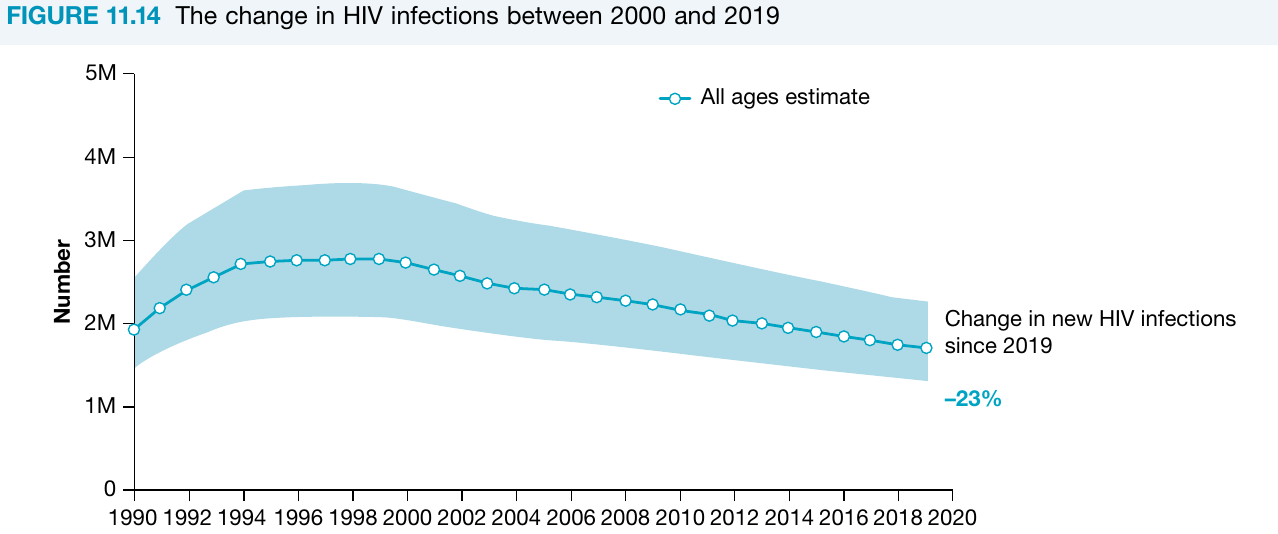
Significant advances have been achieved in combating HIV/AIDS. Since the epidemic began, an estimated 32.7 million people have died from AIDS-related illnesses. However, substantial progress includes:
Treatment access improvements:
- Between 2013 and 2019, people receiving ART increased from 39% to 67%
- As of June 2020, 26 million people were accessing ART globally
- In 2019, approximately 85% of pregnant women with HIV received ART to prevent mother-to-child transmission
Mortality reductions:
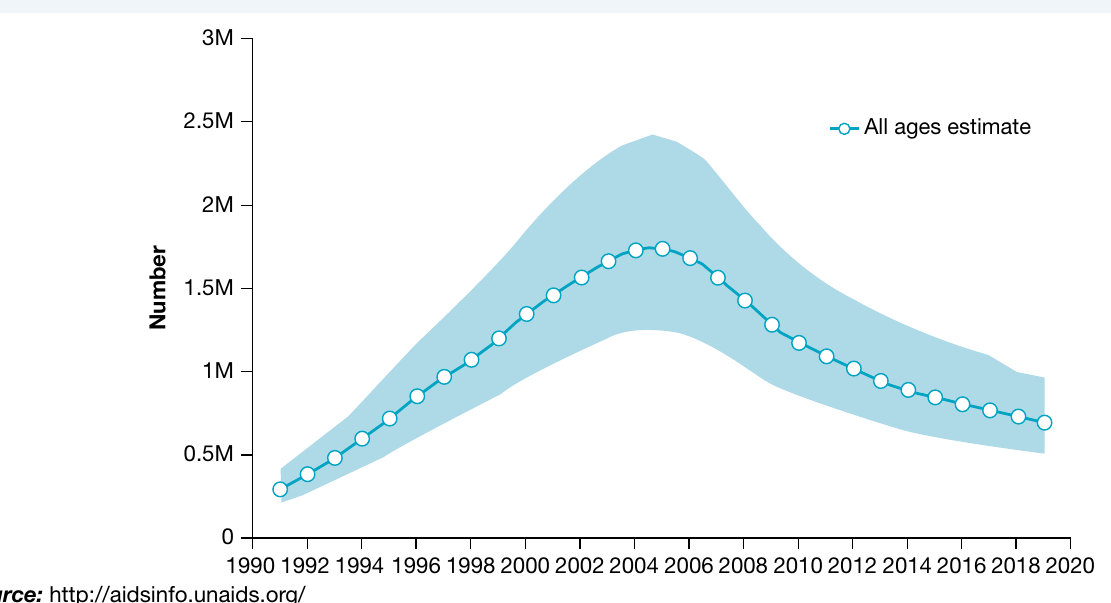
- Deaths from AIDS-related causes fell from 1.7 million (2004) to approximately 690,000 (2019)
- Mother-to-child transmission rates have decreased
- Maternal deaths among HIV-positive women have declined
This progress stems from:
- Substantial investment in health services
- Expanded access to ART treatment
- Ongoing research and development
- Improved diagnostic methods
- More affordable medicines
Remaining challenges
Despite achievements, significant challenges persist:
Mortality and morbidity burden:
- AIDS remains a major cause of illness and death, especially in low and middle-income countries
- The disease is the leading cause of death among 10-19 year olds in Africa
- It is the second most common cause of death among youth globally
- AIDS is the leading cause of death for women of reproductive age worldwide
Important
Geographic disparities: Sub-Saharan Africa experiences 61% of all new HIV infections and faces the most severe impact of the epidemic. This region requires urgent attention and resources.
Current statistics (2019):
- Approximately 1.7 million new HIV infections occurred
- Around 38 million people live with HIV globally
- 1.8 million are children under 15 (mostly in sub-Saharan Africa)
- Approximately 19% (7.1 million people) don't know their HIV status
- Only 53% of children aged 0-14 with HIV receive ART
- About 15% of pregnant women with HIV lack access to ART
Strategies to end the AIDS epidemic
Ending the AIDS epidemic requires comprehensive global action across multiple areas.
Key strategies include:
1. Universal access to services:
- Prevention services for all population groups
- Diagnosis facilities
- ART treatment availability
2. Healthcare investment:
- Continued funding for healthcare services
- Cost-effective testing programmes
- Expanded ART provision
3. Research and development:
- Ongoing vaccine research
- Better diagnostic tools
- More effective medications
4. Removing barriers:
- Addressing discrimination and stigma
- These factors prevent many people from accessing HIV services
5. Prevention measures:
- Condom use promotion
- Voluntary male circumcision programmes
- Pre-exposure medication availability
- Gender equality promotion
- Access to secondary education
Note
Exam tip: Remember that discrimination and stigma remain key barriers to HIV service access. Many youth, particularly in sub-Saharan Africa, still lack correct knowledge about HIV, with less than 40% of those aged 15-24 having accurate information.
Malaria
Understanding malaria
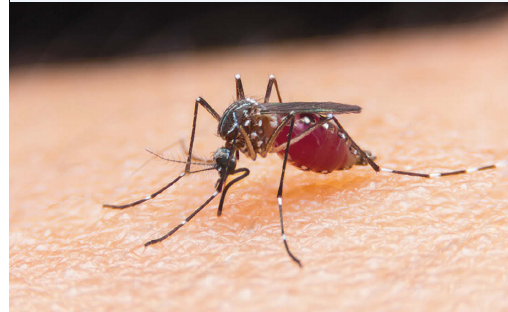
Malaria is a life-threatening disease caused by parasites that are transmitted to humans through bites from infected female mosquitoes. The disease particularly threatens young children and pregnant women.
Symptoms include:
- Fever
- Severe headache
- Diarrhoea
- Vomiting
Without treatment, malaria destroys red blood cells and disrupts blood supply to vital organs, potentially causing death.
Prevention and treatment
Vector control represents the most effective prevention strategy. This includes:
1. Insecticide-treated mosquito nets:
- Protect people whilst sleeping
- Significantly reduce infection rates
2. Indoor residual spraying:
- Insecticide sprayed on interior walls
- Kills and repels mosquitoes
3. Antimalarial medicines:
- Used for prevention
- Available for treatment
4. Quick diagnosis and treatment:
- ACT (Artemisinin Combination Therapy) can cure malaria
- Early treatment is critical for survival
Note
Vector control refers to actions taken to control and eradicate the carriers of disease and infection. For malaria, this primarily means controlling mosquito populations through various methods.
Progress in combating malaria
Between 2000 and 2019, global malaria deaths declined by 7.6 million. However, the rate of improvement has slowed recently.
Mortality statistics:
- 2019: 409,000 deaths
- 2016: 445,000 deaths
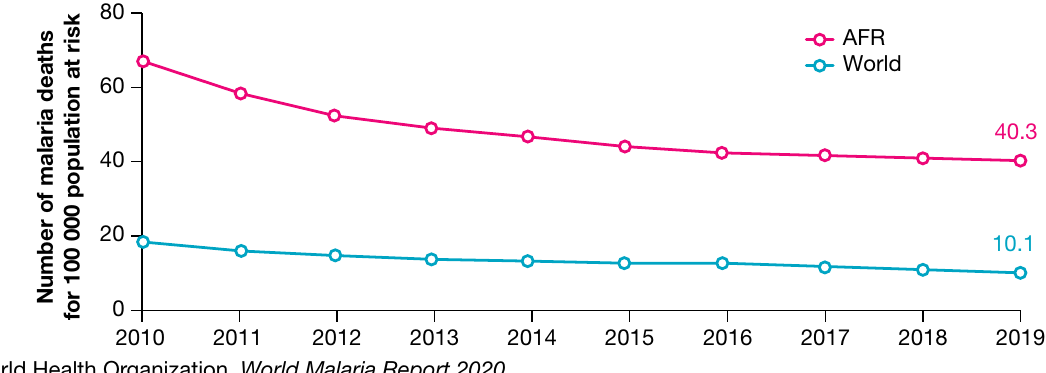
- African region deaths fell from 48.9 per 100,000 (2015) to 40.3 per 100,000 (2019)
- Africa accounts for 94% of malaria cases and deaths worldwide
Incidence trends:
Important
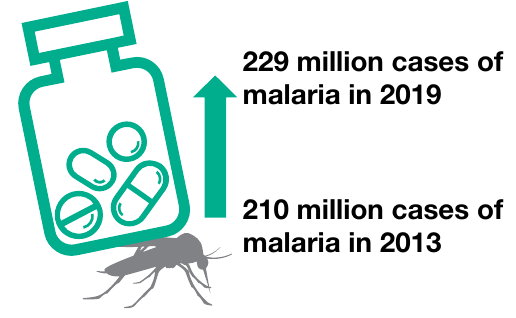
Concerningly, malaria cases have increased since 2013:
- 2019: 229 million cases
- 2013: 210 million cases
- 2010: 237 million cases
This increase threatens progress toward the 2030 elimination target.
However, some positive trends exist:
- Global incidence rate decreased by 18% between 2010 and 2020
- African region incidence reduced from 256 to 225 cases per 1,000 population at risk (2010-2019)
- In 2019, 46 countries reported fewer than 10,000 cases (up from 37 countries in 2010)
Impact of prevention strategies
The World Health Organization estimates that antimalarial strategies have prevented 6.8 million deaths since 2001.
Bed nets:
- 1.9 billion insecticide-treated mosquito nets distributed between 2004 and 2019
- In 2019, 52% of at-risk populations in Africa slept under treated nets
- Estimated to account for 50% of the decline in cases among children aged 2-10 in sub-Saharan Africa
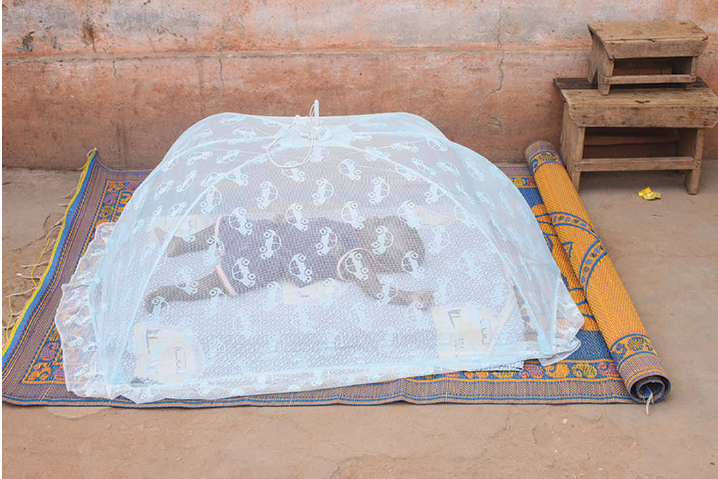
However, coverage has been decreasing, with 8% fewer people sleeping under treated nets in 2019 compared to 2010.
Indoor spraying:
- Coverage declined from 5.8% in 2010 (180 million people) to 2.0% in 2019 (97 million people)
Medical advances:
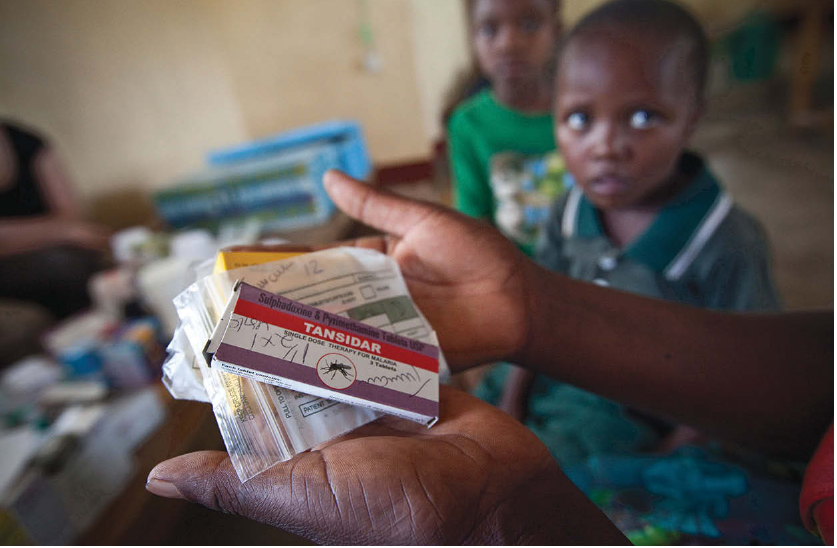
- More effective diagnosis enables quicker treatment
- World's first malaria vaccine currently being piloted
- Preventative treatment for pregnant women increased from 6% (2010) to 34% (2019)
Challenges in eliminating malaria
Despite progress, significant obstacles remain:
Current situation (2019):
- Malaria endemic in 87 countries
- Over 100 million people still unprotected by insecticide-treated bed nets
- 229 million new cases occurred
- 409,000 deaths, mostly children under five
Strategies to end the malaria epidemic
Achieving the 2030 elimination target requires comprehensive action:
Key requirements:
1. Healthcare investment:
- Significant funding for health services
- Trained health workforce
- Universal access to diagnosis, treatment and prevention
2. Prevention measures:
- Mass distribution of insecticide-treated bed nets
- Expanded indoor residual spraying programmes
- Access to clean water and sanitation
3. Research and development:
- New vector control strategies
- Improved diagnostic methods
- More effective medicines
4. Addressing systemic challenges:
- Under-resourced health systems in low-income countries
- Conflict in malaria-endemic zones
- Changing climate patterns
- Mosquito resistance to insecticides
Note
Exam tip: Remember that multiple factors must work together to eliminate malaria. Healthcare infrastructure, prevention methods, research, and environmental factors all play crucial roles.
Tuberculosis
Understanding tuberculosis
Tuberculosis (TB) is a highly contagious bacterial disease primarily affecting the lungs. The bacteria spread through the air when infected people cough or sneeze.
Key characteristics:
- 90% of sufferers are adults, though all age groups face risk
- People with HIV have much higher chances of developing TB
- Approximately 85% of TB cases can be successfully treated with a 6-month drug programme
Symptoms include:
- Persistent cough
- Night sweats
- Tiredness
- Weight loss
- Coughing up blood
Important
Without treatment, TB destroys lung tissue and causes death. Early diagnosis and treatment are essential for survival and preventing spread to others.
Prevention and treatment
TB is both preventable and curable:
Prevention:
- BCG vaccine (developed almost 100 years ago)
- Proven effective in preventing TB in children
- In 2019, 153 countries reported BCG vaccination programmes
- 87 of these countries achieved at least 90% coverage
Treatment:
- 6-month drug treatment programme
- Success rate of approximately 85%
- Early diagnosis improves treatment outcomes
Progress in reducing tuberculosis
Significant improvements have occurred in TB prevention, diagnosis and treatment.
Mortality statistics:
- In 2019, 10 million people developed TB
- 1.4 million deaths occurred
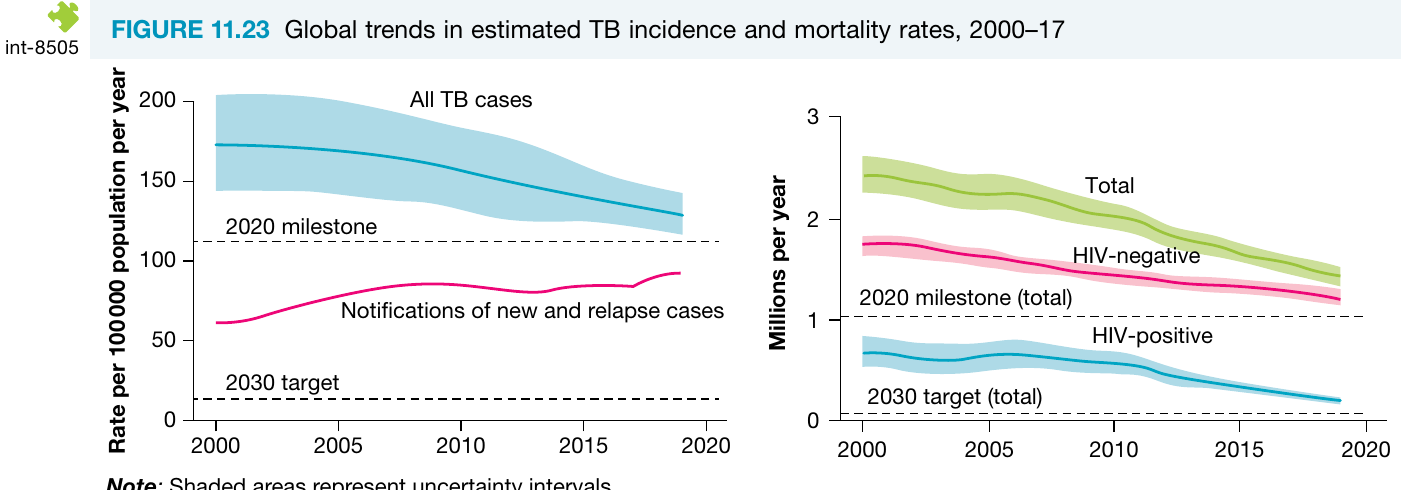
- Mortality rates declined from 23% (2000) to 14% (2019)
- Death rates reduced from 28 per 100,000 to 16 per 100,000
Incidence trends:
- TB incidence declining by approximately 2% annually
- Fell from 172 per 100,000 population (2000) to 130 per 100,000 (2019)
Remaining challenges
Despite falling disease burden in all regions, progress isn't fast enough to meet 2030 targets.
Current situation:
Mortality and geographic impact:
- TB is still among the top ten causes of death worldwide
- Caused more deaths than HIV in 2019
- Over 95% of TB deaths occur in low and middle-income countries
- Among top five causes of death for women aged 14-44
Important
Diagnosis and treatment gaps: In 2019, 10 million people contracted TB, but only 7.1 million cases were officially notified to authorities. This means many people aren't receiving adequate diagnosis and treatment.
Case statistics (2019):
- 10 million people contracted TB
- 56% men
- 32% women
- 12% children
Other challenges:
- Regular BCG vaccinations still not reaching all children
- Drug-resistant TB continues as a public health threat
- Almost 500,000 people developed drug-resistant TB in 2019
Strategies to end the tuberculosis epidemic
Ending TB requires comprehensive global action.
Essential components:
1. Universal health coverage:
- Access to vaccination for all
- Early detection services
- Effective treatment, especially for the poor
2. Healthcare funding:
- Increased investment in prevention, diagnosis and treatment
- More trained health workers
- Ensuring all TB cases are reported for accurate data
3. Research and development:
- New diagnostic methods
- Drugs resistant to current strains
- Effective adult vaccines (none currently available)
- 14 vaccines currently in various trial stages
4. Infrastructure:
- Access to clean water and sanitation
- Prevention of TB spread
Note
Exam tip: At the end of 2019, the world was not on track to meet TB elimination targets. Remember that both health system strengthening and research advancements are necessary.
Neglected tropical diseases
Understanding NTDs
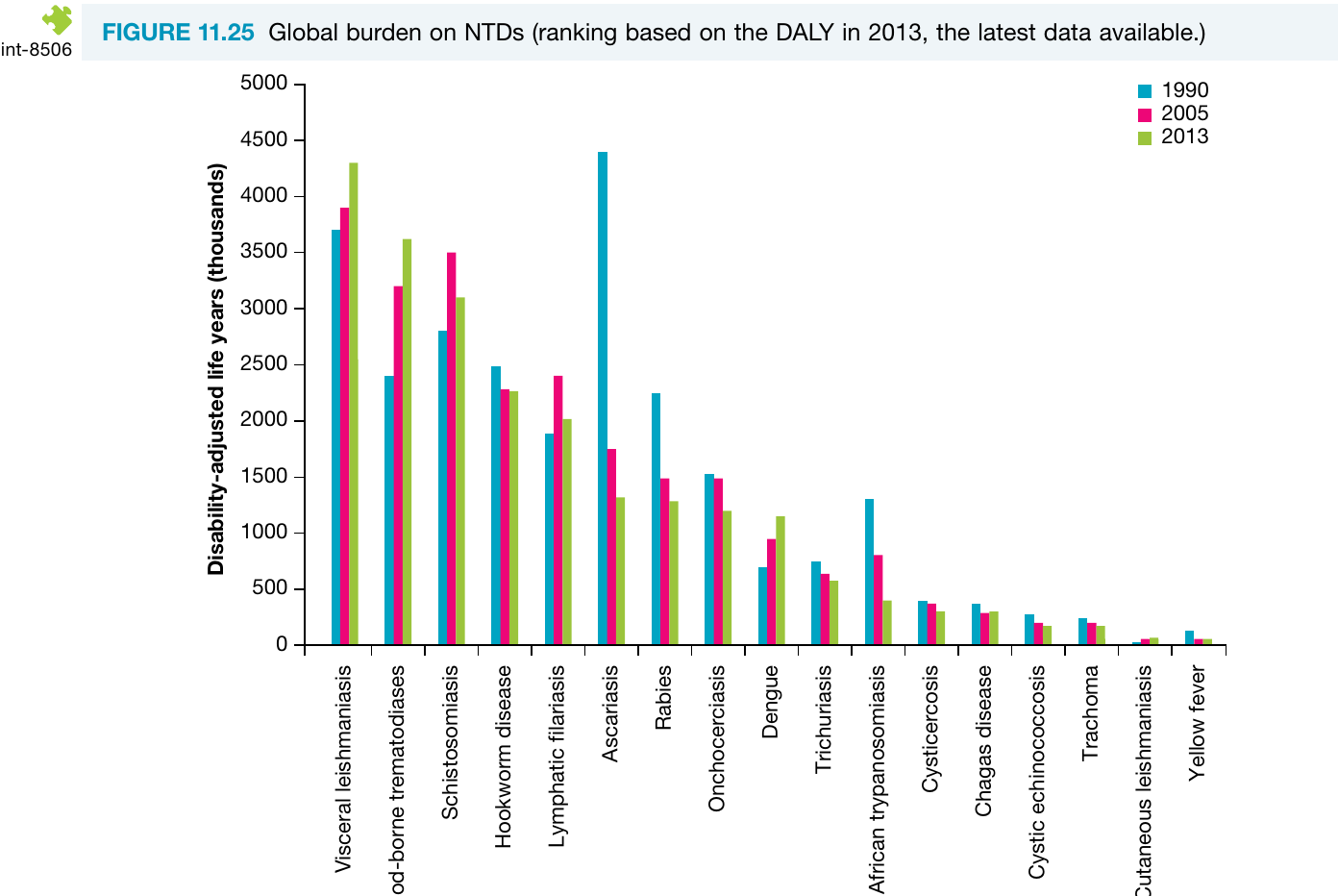
Neglected tropical diseases (NTDs) comprise a diverse group of 18 diseases predominantly occurring in tropical and subtropical regions. These diseases receive their name because they have historically received minimal funding for research, prevention and control.
Key characteristics:
- Vary in transmission methods
- Differ in biological composition
- All significantly impact health and wellbeing
- Thrive in the poorest, most marginalised communities
Risk factors:
- Lack of access to clean water and sanitation
- Limited access to health services
- Close contact with domestic animals and livestock
- Contact with infectious vectors (mosquitoes, ticks, fleas, other carriers)
Note
NTDs are called "neglected" because they affect the world's poorest communities and receive little funding despite affecting millions of people worldwide.
Impact:
- Cause severe pain and permanent disability
- Contribute around 150,000 deaths annually
- Account for 27 million disability-adjusted life years (DALY) globally
Major conditions:
Schistosomiasis:
- A worm infection from contact with fresh water contaminated with human excreta
- Affects over 220 million people
- Causes considerable morbidity and disability
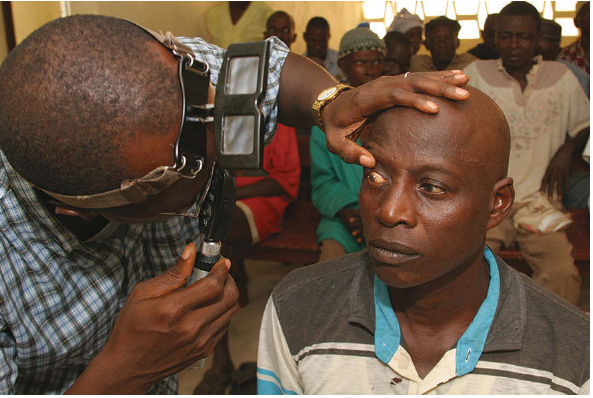
Trachoma:
- A bacterial infection of the eye causing complications including blindness
- Affects 137 million people
- Responsible for an estimated 1.9 million people being visually impaired
Population burden trends
Positive progress:
- 2019: 1.76 billion people required treatment
- 2015: 1.8 billion people required treatment
- 2010: 2.19 billion people required treatment
This represents a steady decline in the number of people requiring treatment for NTDs.
Prevention strategies
Effective approaches for reducing NTD morbidity and mortality include:
1. Safe and effective drugs:
- Medications that prevent and treat infections
2. Vector control:
- Removing disease carriers such as mosquitoes, ticks, flies, fleas, bugs and worms

3. Veterinary public health measures:
- Managing diseases transmitted between animals and humans
4. Improved water and sanitation:
- Reducing exposure to contaminated water sources
Achievements in controlling NTDs
Vector control and medicines have successfully reduced several neglected tropical diseases.
Success stories:
- All countries eliminated leprosy as a public health problem since 2010
- Guinea-worm disease close to eradication
- Schistosomiasis treatments increased annually
- Several diseases approaching elimination status
Strategies to end NTD epidemics
The SDG target aims to reduce people needing NTD treatment by 90% by 2030.
Key actions:
1. Research and development:
- New and effective drugs
- Cost-effective diagnostic tests
- New forms of non-resistant insecticides
2. Universal health coverage:
- Ensuring all at-risk people access diagnosis, treatment and medication
- Additional funding needed
3. Prevention measures:
- Ongoing commitment to vector control
- Veterinary public health measures
- These have already proven effective
4. Infrastructure:
- Accurate disease distribution mapping
- Access to clean water and sanitation, especially in remote areas
Important
Emerging challenges:
- Global warming and climate change
- Ongoing urbanisation
- Global travel of people and goods
All of these factors potentially increase disease spread and must be addressed to meet elimination targets.
Note
Exam tip: Remember that NTDs are called "neglected" because they receive little funding despite affecting millions in the poorest communities. Multiple interventions are needed simultaneously to address these diverse diseases.
Hepatitis
Understanding hepatitis
Hepatitis is inflammation of the liver resulting from viral infection. Globally, 325 million people live with hepatitis infections.
Five main types contribute to the global disease burden and have outbreak potential: types A, B, C, D and E. These viruses differ significantly in transmission methods, population impact, and health effects.
Types of hepatitis
Hepatitis A and E (food and water-borne):
Transmission and risk:
- Spread through contaminated food and water
- Outbreaks more likely in communities with poor sanitation
- Occur in areas with contaminated water supplies
Symptoms:
- Extreme fatigue
- Nausea
- Vomiting
- Abdominal pain
Prevention:
- Improved sanitation and hygiene
- Safe food supply
- Vaccines available for both types
Treatment:
- Bed rest
- Fluids to prevent dehydration
Note
Hepatitis A and E are typically acute infections that resolve with supportive care. Most people recover fully without long-term liver damage.
Hepatitis B and C (blood-borne):
Transmission:
- Unsafe injections and medical procedures
- Sexual contact (less common)
- Mother-to-baby transmission during birth (Hepatitis B)
Statistics:
- 250 million people living with chronic hepatitis B (2020)
- 71 million with chronic hepatitis C (2020)
- Most affected regions: central and east Asia, north and west Africa
- 67% of people who inject drugs infected with hepatitis C
Impact:
- Most common cause of liver cancer and cirrhosis
- Growing cause of mortality among people living with HIV
Important
Unlike Hepatitis A and E, Hepatitis B and C can become chronic infections, leading to serious long-term complications including cirrhosis and liver cancer.
Hepatitis D (blood-borne):
- Transmitted through contact with infected blood
- Only occurs in people already infected with hepatitis B virus
Geographic distribution
Hepatitis B prevalence:
- Higher in sub-Saharan Africa and East Asia
- 5-10% of adult population chronically infected in these regions
- Mother-to-child transmission most common in these areas
Hepatitis C distribution:
- Found worldwide
- Most affected: central and east Asia, north and west Africa
- Unsafe medical injections and procedures main cause in these regions
- Injecting drug use epidemics occur in all regions
Death statistics
All hepatitis forms cause approximately 1.4 million deaths annually (similar to HIV and tuberculosis).
Deaths by type:
- Hepatitis B: 66% of deaths
- Hepatitis C: 30% of deaths
- Hepatitis A and E: 4% of deaths (remainder)
Prevention methods
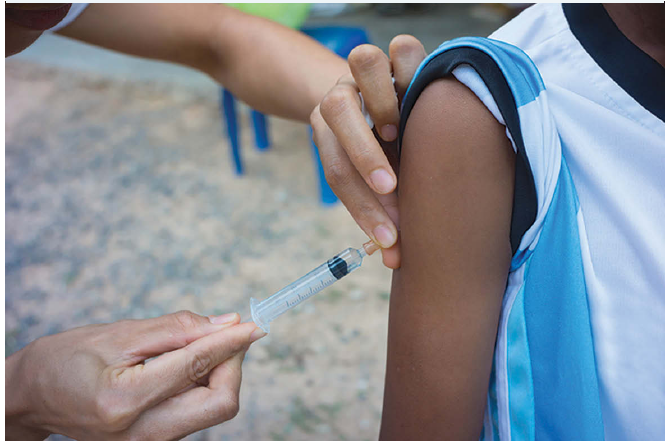
Vaccination:
- Hepatitis A and B preventable through immunisation
- Increasing number of countries vaccinating infants against hepatitis B
- Blood supply screening ensures safety before transfusions
Safe practices:
- Safe injection techniques
- Safe sex practices
- These prevent hepatitis A, B and C transmission
Diagnosis and treatment:
- Blood tests available for hepatitis A and B diagnosis and monitoring
- No treatments available for most cases
- Most hepatitis A sufferers recover with bed rest and fluids
- Chronic hepatitis B can be treated with drugs that:
- Slow cirrhosis progression
- Reduce liver cancer incidence
- Improve long-term survival
- Generally don't cure the infection
- Require lifelong treatment
Important
Healthcare access challenges: Limited diagnostic and treatment services in low and middle-income countries mean people are often diagnosed in late stages of liver disease. In low-income countries, most liver cancer patients die within months of diagnosis.
Strategies to end hepatitis epidemics
Ending hepatitis requires comprehensive action across multiple areas.
Key requirements:
1. Large-scale vaccination programmes:
- Particularly for those at high risk of hepatitis A, B and E
- Preventing mother-to-child transmission
2. Infrastructure improvements:
- Access to clean water and sanitation
- Especially important for hepatitis A and E prevention
3. Healthcare safety:
- Safe practices in healthcare settings
- Ensuring blood and surgical safety
4. Programme expansion:
- Expanding successful hepatitis C prevention programmes
- More funding for universal health coverage
5. Affordable services:
- Ensuring people access needed healthcare
- Providing affordable medicines for hepatitis B sufferers (lifelong treatment)
Note
Exam tip: Remember that different hepatitis types require different prevention strategies. Hepatitis A and E need water/sanitation improvements, whilst B and C need safe medical practices and vaccination programmes.
Remember!
Summary
Key points about communicable diseases and SDG 3:
AIDS/HIV weakens the immune system and spreads through bodily fluids. Whilst ART treatment has increased access and reduced deaths, challenges remain particularly in sub-Saharan Africa where the disease is the leading cause of death for youth and women of reproductive age.
Malaria is transmitted by infected mosquitoes and preventable through vector control including bed nets and indoor spraying. Although deaths have decreased, case numbers have increased since 2013, threatening the 2030 elimination goal.
Tuberculosis is a bacterial lung disease that is curable and preventable with the BCG vaccine. Despite declining incidence rates of 2% annually, it remains a top-ten cause of death globally and progress is too slow to meet 2030 targets.
Neglected tropical diseases affect the poorest communities and receive minimal funding. Vector control, medication, and improved water/sanitation are effective strategies, with the goal to reduce treatment needs by 90% by 2030.
Hepatitis has five types with different transmission methods. Types A and E spread through contaminated water and food, whilst B, C and D are blood-borne. Vaccination prevents some types, but universal health coverage and safe medical practices are essential to end the epidemic.