SDG 3 Key Feature: Non-Communicable Diseases (VCE SSCE Health and Human Development): Revision Notes
📚Revision Notes
SDG 3 Key Feature: Non-Communicable Diseases
Understanding non-communicable diseases
Note
Non-communicable diseases (NCDs) are health conditions caused by lifestyle or environmental factors rather than infectious agents. These diseases cannot be transmitted from person to person. A key feature of SDG 3: Good Health and Wellbeing focuses on reducing the incidence of these preventable conditions worldwide.
Four major non-communicable diseases dominate the global health burden:
- Cardiovascular disease (affecting 17.9 million people annually)
- Cancer (9 million deaths per year)
- Chronic respiratory disease (3.8 million deaths per year)
- Diabetes (1.6 million deaths per year)
Together, these four diseases account for 71 per cent of all deaths from non-communicable diseases each year, representing 41 million deaths globally. Understanding and addressing these conditions is essential for achieving sustainable development and improving global health outcomes.
The shifting burden of NCDs
Historically, non-communicable diseases primarily affected wealthy nations with developed economies. However, this pattern has changed dramatically. Today, 85 per cent of the burden from these diseases now affects low- and middle-income countries. People in these regions face particular challenges - they become ill more quickly, experience more severe illness, and die at younger ages compared to those in high-income countries.

Important
The rapid increase in NCDs in developing nations stems from global marketing of products linked to disease risk. Tobacco, alcohol, and processed foods have become increasingly available in low- and middle-income countries, creating what health experts describe as a rapid escalation in non-communicable diseases.
Major risk factors for NCDs
Several key risk factors drive the global NCD epidemic:
Tobacco use remains the single largest preventable cause of NCDs, responsible for more than 5 million deaths annually. Additionally, passive smoking (exposure to second-hand tobacco smoke) causes over 600,000 deaths each year. The health impacts of tobacco extend across multiple disease categories, affecting the lungs, heart, and numerous other body systems.
Poor dietary habits contribute significantly to NCD development. The consumption of energy-dense foods high in sugar, salt, and unhealthy fats has increased globally. These dietary patterns, combined with reduced intake of fruits, vegetables, and whole grains, create conditions that promote chronic disease.
Physical inactivity has become a growing concern as modern lifestyles become more sedentary. Levels of physical activity have declined across all age groups, whilst the consumption of energy-dense foods has increased. This imbalance between energy intake and expenditure drives multiple health problems.
Harmful alcohol use damages nearly every organ system in the body. Alcohol contributes to over 200 different diseases and health conditions, creating both immediate risks (such as accidents and violence) and long-term health consequences (including liver disease and cancer).
Rising obesity rates
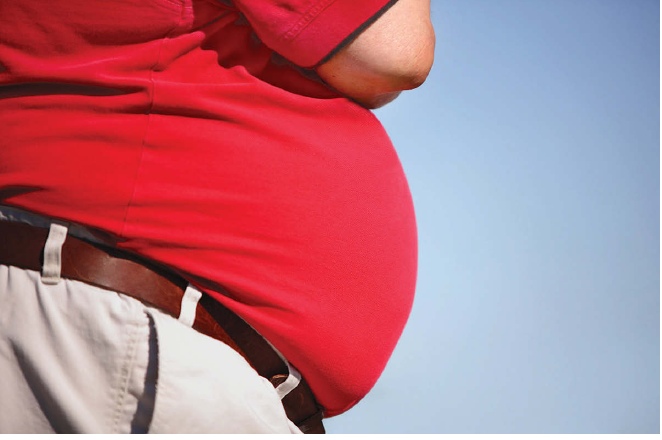
The combination of decreased physical activity and increased consumption of energy-dense foods has led to a global rise in obesity rates. This trend affects both adults and children, creating serious public health concerns for the future.
Adult obesity trends
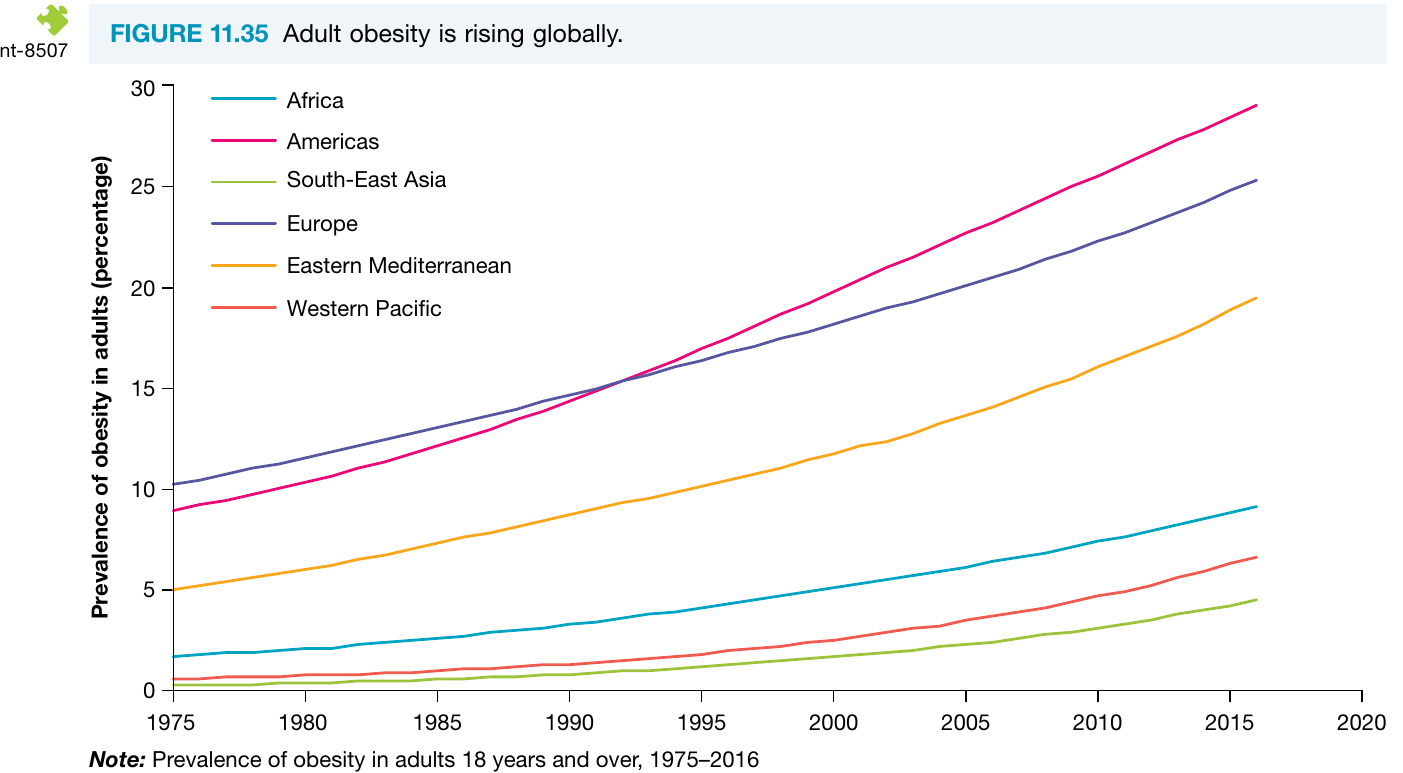
Adult obesity has been rising steadily across all world regions since 1975. The data reveals concerning patterns:
Note
The Americas show the highest obesity rates, reaching approximately 29 per cent by 2016. Europe follows with around 25 per cent of adults affected by obesity. Whilst Africa, the Eastern Mediterranean, Western Pacific, and South-East Asia currently show lower rates, all regions demonstrate consistent upward trajectories. This universal increase illustrates that obesity has become a global epidemic affecting all parts of the world.
The rise in obesity creates serious health implications because excess body weight acts as a risk factor for many non-communicable diseases, including type 2 diabetes, cardiovascular disease, certain cancers, and respiratory problems.
Childhood obesity changes
Childhood obesity has also increased substantially between 2000 and 2019:
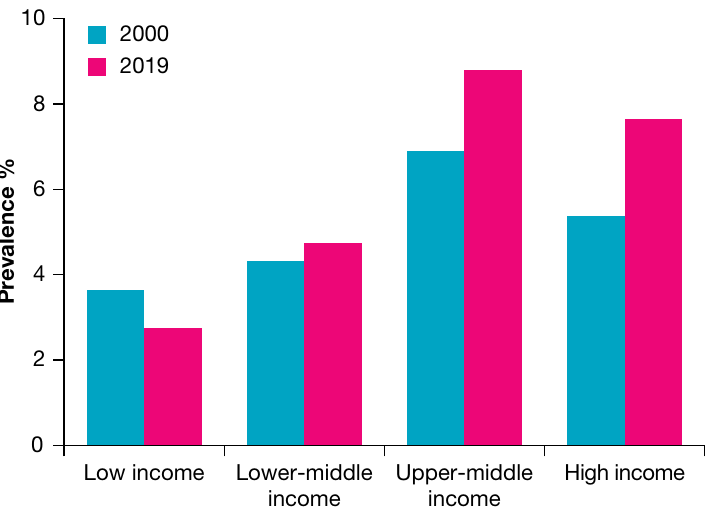
The data shows that upper-middle income countries experienced the highest prevalence of childhood obesity at approximately 8.8 per cent in 2019, representing a significant increase from 2000. High-income countries also saw rises in childhood obesity rates. Interestingly, low-income countries showed a decrease between the two time periods, though this may reflect other health challenges in these regions.
Important
Childhood obesity is particularly concerning because it often persists into adulthood, establishing patterns that increase lifetime risk of chronic diseases. Children who are obese face immediate health risks and are more likely to become obese adults, creating a cycle of poor health across generations.
The challenge of obesity reduction
Reducing obesity levels presents one of the greatest challenges in global health. Whilst countries have successfully reduced rates of tobacco smoking and alcohol consumption - leading to decreases in related diseases such as cancer, heart disease, diabetes, and stroke - no country has yet achieved success in reversing obesity trends. This difficulty stems from the complex interplay of factors driving obesity, including food environments, economic factors, cultural practices, and individual behaviours.
Reducing premature mortality from non-communicable diseases
The global community has made some progress in reducing deaths from NCDs. The risk of dying from any one of the four main NCDs between ages 30 and 70 decreased from 22 per cent in 2000 to 18 per cent in 2019. However, achieving the SDG target for reducing mortality from non-communicable diseases requires significantly greater effort.
WHO recommendations for NCD prevention
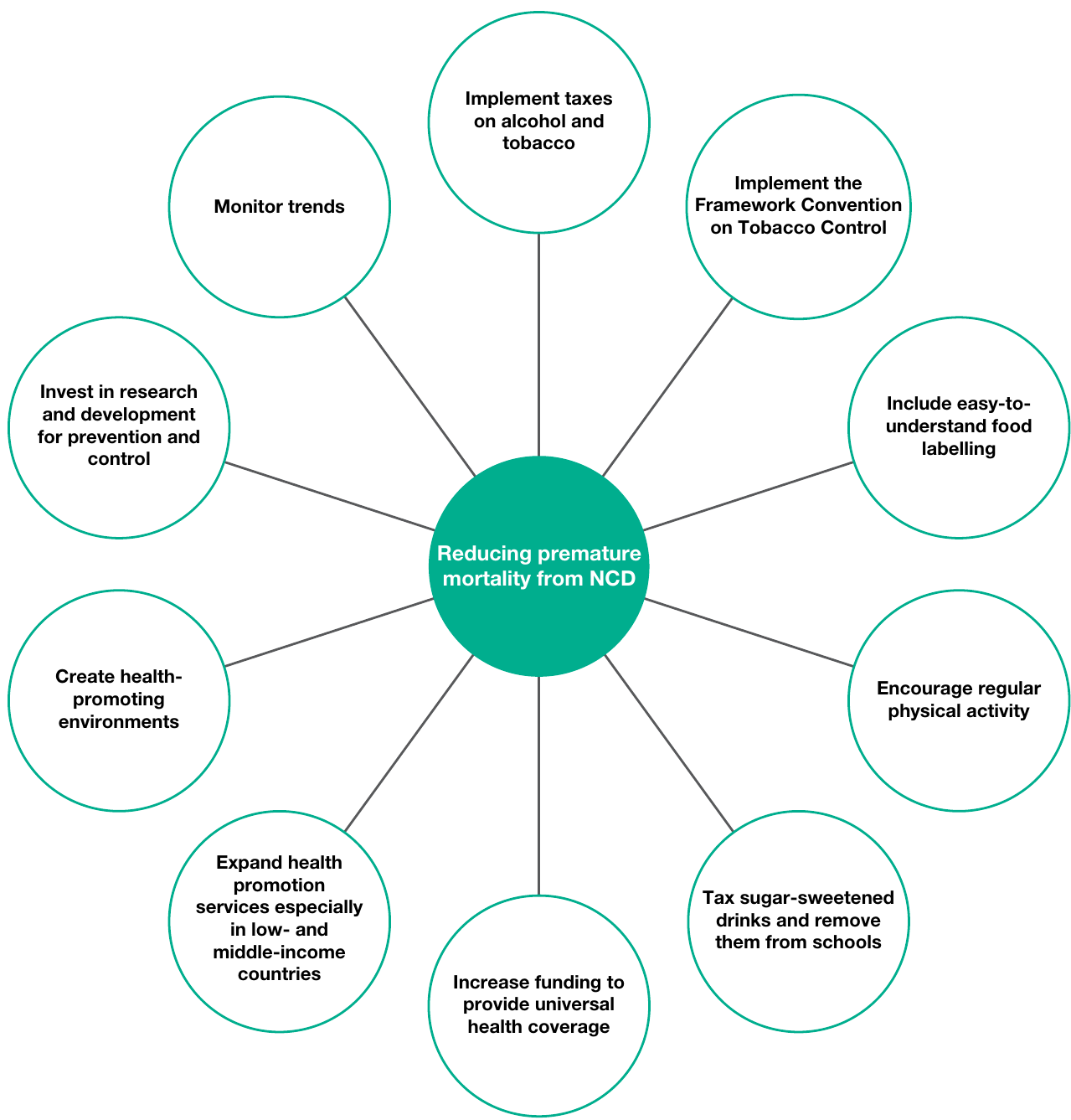
The World Health Organization has developed comprehensive recommendations for countries to reduce NCD mortality:
Note
Tax policies on harmful products provide a powerful tool for reducing consumption. Implementing taxes on alcohol and tobacco products makes these items less affordable, particularly for young people, whilst generating revenue that can be invested in health services.
The Framework Convention on Tobacco Control represents a global treaty designed to substantially reduce deaths from smoking. Implementation of this convention across all countries would create consistent standards for tobacco control worldwide, including measures such as advertising bans, smoke-free environments, and support for cessation.
Food labeling requirements help consumers make informed choices. Legislation requiring food labels to include easy-to-understand information about nutritional content, including sugar, salt, and fat levels, empowers people to select healthier options.
Encouraging physical activity in schools and workplaces creates environments that support healthy behaviours. Finding ways to incorporate regular physical activity into daily routines helps counter sedentary lifestyles.

Taxation and regulation of sugar-sweetened drinks addresses a major source of excessive sugar consumption. Placing taxes on these beverages, removing them from schools, and restricting their marketing to children reduces exposure to products that contribute to obesity, type 2 diabetes, and cardiovascular disease.
Challenges in low-income countries
Low-income countries face particular difficulties in preventing and controlling non-communicable diseases. These nations have less capacity to implement comprehensive NCD programmes due to limited resources and competing health priorities.
Important
The prevalence of hypertension (high blood pressure) illustrates these disparities. In low-income countries, an estimated 28.9 per cent of adults suffer from high blood pressure, a rate higher than in high-income countries. Despite this greater need, high-income countries are nearly four times more likely to have services for treating non-communicable diseases covered by health insurance compared to low-income countries.
Countries without adequate health insurance coverage struggle to provide universal access to essential healthcare for early diagnosis, treatment, management, or cure of NCDs. This creates a situation where people in low-income countries face higher rates of disease but have less access to the care they need.
Tobacco control implementation
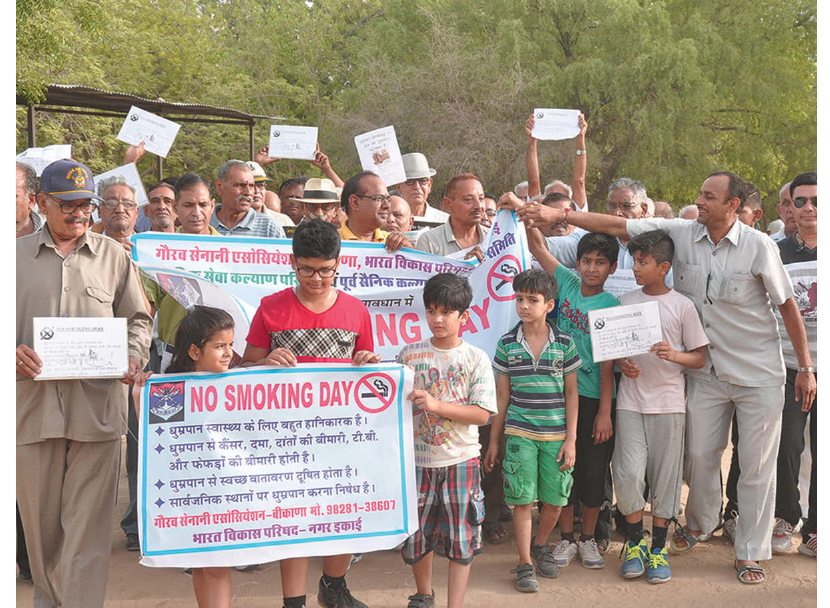
Implementation of the WHO Framework Convention on Tobacco Control across all countries would significantly reduce deaths from smoking. In 2018, more than 1.3 billion people aged 15 years or older smoked tobacco, representing 38.6 per cent of all males and 8.5 per cent of all females in this age group.
Note
Nearly 80 per cent of the world's smokers live in low- and middle-income countries. Yet there are no services to help people quit smoking in one quarter of low-income countries. This represents a critical gap in healthcare provision.
Some progress has occurred, with more countries implementing laws requiring plain packaging for cigarettes, mandating health warnings on tobacco product packaging, and improving national monitoring of tobacco use. However, much more work remains to achieve comprehensive tobacco control globally.
Additional measures for NCD reduction
Beyond the specific interventions already mentioned, several broader approaches are needed:
Raising political priority for NCD prevention and control is essential, particularly in low- and middle-income countries where the focus has largely been on addressing infectious diseases. Governments must recognise NCDs as a critical health priority worthy of significant investment and policy attention.
Reducing risk factors requires creating health-promoting environments that make healthy choices easier. This includes urban planning that encourages walking and cycling, food policies that improve access to nutritious foods, and social policies that address the underlying determinants of health.
Strengthening health systems enables better prevention and control of NCDs whilst providing universal health coverage. Health systems need adequate funding, trained personnel, essential medicines, and appropriate technologies to address the NCD burden effectively.
Investing in research and development generates new knowledge about NCD prevention and control whilst enabling monitoring of trends. Understanding which interventions work best in different contexts helps countries allocate resources effectively.
Mental health and wellbeing
Mental health represents a crucial component of overall health and wellbeing. When people experience good mental health and wellbeing, they can realise their potential, cope with normal life stresses, work productively, and contribute to their communities. Unfortunately, many people worldwide do not enjoy good mental health.

Understanding poor mental health
Poor mental health and wellbeing is associated with multiple risk factors:
- Rapid social change that disrupts traditional support systems
- Stressful work conditions and unemployment
- Gender discrimination and social exclusion
- Unhealthy lifestyle choices
- Risks of violence and human rights violations
- Physical ill health
These factors often interact, creating complex situations that increase vulnerability to mental health problems.
The burden of depression
Mental disorders, particularly depression, rank among the 20 leading causes of disability worldwide. An estimated 350 million people experience depression, making it one of the most common mental health conditions globally.
Important
Depression is long-lasting and causes enormous suffering. It reduces a person's ability to function at work, at school, and within their family. At its most severe, depression can lead to suicide. Globally, more than 800,000 people die by suicide every year, making suicide the second leading cause of death among 15- to 29-year-olds.
Risk factors for mental disorders
People who have experienced traumatic life events face greater risk of developing mental disorders. These events include:
- Unemployment and financial hardship
- Bereavement and loss of loved ones
- Psychological trauma from violence or abuse
- Displacement and migration
Note
Mental disorders contribute to poverty and homelessness, creating a vicious cycle where poor mental health leads to difficult life circumstances, which in turn worsen mental health. People with mental disorders often face stigmatisation, suffer discrimination, and are denied their basic human rights.
Mental disorders frequently affect, and are affected by, other diseases such as cancer, cardiovascular disease, and HIV/AIDS. As a result, those suffering from mental disorders often experience higher rates of morbidity (illness) and mortality (death) and lower life expectancy compared to the general population.
Treatment and prevention
Mental disorders such as depression can be treated effectively with appropriate medication and psychological support. Antidepressants and talking therapies help many people recover from depression and manage their symptoms.
Important
However, access to treatment remains inadequate. Fewer than half of those affected worldwide have access to antidepressant treatments. In many countries, particularly low- and middle-income nations, less than 10 per cent of people with depression receive treatment. This treatment gap represents a major barrier to improving global mental health.
Mental disorders also need to be accurately diagnosed before treatment can begin. The availability of specialised and general mental health workers in low- and middle-income countries is extremely low, meaning most mental disorders go undiagnosed and untreated. Almost half the world's population lives in countries where, on average, there is one psychiatrist to serve approximately 200,000 people. This severe shortage of trained mental health professionals makes it nearly impossible to provide adequate care.
Prevention of depression and other mental disorders is possible through several approaches:
- Integrating positive thinking programmes into school-based curriculum helps young people develop resilience
- Providing support programmes for parents of children with behavioural problems reduces adult depression levels
- Implementing exercise programmes for elderly people promotes both physical and mental health
- Creating environments that respect and support people's rights provides strong social support for good mental health
Promoting mental health and wellbeing
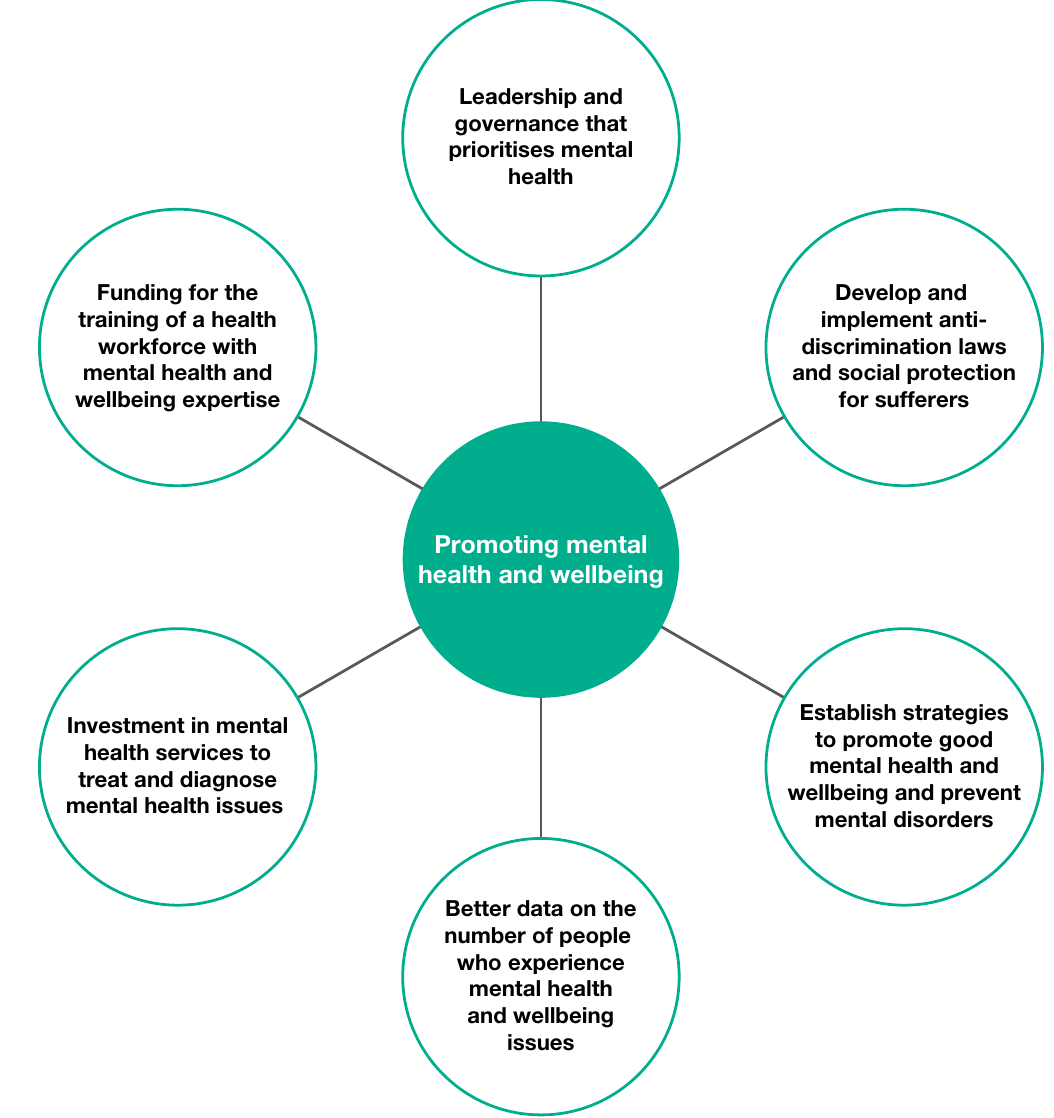
To promote mental health and wellbeing and achieve the targets of SDG 3, several key actions are needed:
Note
Effective leadership and governance for mental health must become a high priority for governments, particularly in low- and middle-income countries. This includes implementing anti-discrimination laws and social protection for those who suffer from mental disorders. Without strong government commitment and appropriate legal frameworks, mental health will remain a neglected area of health policy.
Developing and implementing strategies to promote good mental health and wellbeing whilst preventing mental disorders requires comprehensive planning. These strategies should address the social, economic, and environmental factors that influence mental health, not just focus on treating illness after it occurs.
Collecting better data on the number of people experiencing mental health and wellbeing issues enables governments to understand the scale of the problem and plan services accordingly. Many countries lack basic information about mental health in their populations.
Investing in mental health services that are accessible to those who need them and provide treatment for those affected is essential. Services should be integrated into primary healthcare settings rather than isolated in separate psychiatric facilities.
Funding the training of a health workforce with expertise in mental health and wellbeing ensures that countries have the skilled personnel needed to provide quality care. This includes training general healthcare workers to recognise and provide initial support for mental health problems, as well as training specialist mental health professionals.
Road traffic accidents
Road traffic accidents represent a major cause of death and disability worldwide. Around 1.35 million people die each year from road traffic accidents - approximately 3500 people lose their lives each day. This makes road traffic injuries the ninth leading cause of death globally.
Beyond deaths, a further 20-50 million people suffer non-fatal injuries each year, with many experiencing long-term disability as a result. These disabilities can prevent people from working, caring for their families, and participating fully in their communities.
Who is most affected?
Road traffic accidents disproportionately affect certain groups:
- Young people: Road traffic injuries are the leading cause of mortality among people aged 15-29 years
- Males: Almost three-quarters of all road deaths are males
- Low- and middle-income countries: 90 per cent of road traffic deaths occur in these nations
- Africa: This region experiences particularly high rates of road traffic deaths relative to its population
Contributing factors
Three main factors contribute to most road traffic accidents worldwide:
Note
Poor quality roads create dangerous driving conditions. Inadequate road design, lack of proper signage, poor maintenance, and insufficient lighting all increase accident risk. In many low- and middle-income countries, road infrastructure has not kept pace with the rapid increase in vehicle ownership.
Unsafe vehicles that lack basic safety features or are poorly maintained pose significant risks. Vehicles without seatbelts, airbags, or anti-lock braking systems provide less protection in accidents. Additionally, vehicles in poor mechanical condition may have faulty brakes, steering, or lighting.
Driver behaviour represents the most significant factor in road traffic accidents. Speed, driving whilst under the influence of alcohol and drugs, and other risk-taking behaviours put people at risk of injury, disability, or death. Behaviours such as not wearing seatbelts, using mobile phones whilst driving, and aggressive driving all increase accident risk.
Reducing the burden from road traffic accidents
SDG 3 aims to halve the number of global deaths and injuries from road traffic accidents. This represents an ambitious goal, particularly as the number of vehicles on the road increases each year.
Important
Achieving this target requires a coordinated approach involving multiple sectors:
The transport sector must invest in good road infrastructure, including properly designed roads, adequate signage, street lighting, and safe pedestrian crossings. Well-planned road systems separate different types of traffic and provide safe routes for vulnerable road users such as pedestrians and cyclists.
Police and law enforcement play a critical role in modifying driver behaviour through enforcement of traffic laws. This includes conducting speed checks, alcohol testing, and ensuring compliance with seatbelt and helmet laws. Without consistent enforcement, even good laws will have limited impact.
The health sector needs to provide emergency services and quality healthcare to ensure those injured in road accidents can receive immediate and longer-term treatment. Rapid response times and appropriate trauma care can save lives and reduce disability following accidents.
The education sector contributes through road safety education, teaching young people about safe behaviour as pedestrians, cyclists, and eventually drivers.
In many low- and middle-income countries, limited resources and lack of political interest mean insufficient investment in health promotion and law enforcement. Additionally, limited healthcare services mean many victims of road accidents do not receive the necessary emergency services and treatment they need. Addressing these gaps requires both increased funding and stronger political commitment to road safety.
Drug and alcohol misuse
The misuse of substances, particularly alcohol and illicit drugs, represents a significant public health issue worldwide. These substances harm individuals, families, and communities whilst placing substantial burdens on healthcare systems.
Alcohol

Alcohol is responsible for 3 million deaths each year, representing approximately 5.1 per cent of the global burden of disease. The health impacts of alcohol are extensive and varied.
Health consequences of alcohol use include increased risk of developing over 200 diseases and health conditions. These include:
- Cirrhosis of the liver
- Several forms of cancer (including liver, breast, and colorectal cancers)
- Cardiovascular disease
- Mental health problems
Note
Harmful alcohol consumption can also lead to death, injury, and disability from violence, drowning, and accidents. Alcohol impairs judgment and coordination, increasing the likelihood of risky behaviours and accidents.
Global alcohol consumption patterns show that worldwide consumption stands at around 6.4 litres of pure alcohol per person aged 15 years or older annually, a level that has remained relatively stable since 2010. However, significant regional variations exist. Europe has the highest rate of consumption per person, whilst increasing rates of alcohol consumption are occurring in South-East Asia and countries in the Western Pacific region.
Gender differences in alcohol-related deaths are substantial. Each year, alcohol accounts for approximately 7.6 per cent of deaths for males and 4 per cent for females. Of particular concern is the increasing rate of alcohol consumption by females in many parts of the world.
Important
Treatment access remains inadequate. Alcohol is a drug of dependence, and many people need specialised medical assistance to change their behaviour. However, only one in six people worldwide have access to healthcare services capable of supporting them with alcohol issues. This treatment gap means most people struggling with alcohol dependence cannot access the help they need.
Illicit drugs

It has been estimated that 150-250 million people, or between 3.5 and 5.7 per cent of people aged 15-64 worldwide, have used illicit drugs. Between 15 and 27 million people are considered to have drug-use disorders, representing dependence that requires treatment.
Types of illicit drugs vary in prevalence. The most commonly used illicit drug is cannabis, followed by amphetamines, cocaine, and opioids. Each type of drug carries different health risks and patterns of harm.
Health and social impacts of illicit drug use are severe and wide-ranging. Illicit drugs are responsible for more than 450,000 deaths each year. They affect economic and social development, contributing to crime, instability, and insecurity.
Important
Injecting drugs carries particularly high risks. It creates a high risk of contracting blood-borne viruses such as HIV, hepatitis C, and hepatitis B through sharing of needles and other injecting equipment. Injecting drug use accounts for an estimated 30 per cent of new HIV infections outside sub-Saharan Africa. This connection between drug use and HIV transmission creates a dual public health challenge.
Trends in illicit drug use show mixed patterns. In some countries, use has remained stable, whilst in other countries, including many low- and middle-income countries, rates have been increasing. Illicit drug use is becoming more concentrated among youth, particularly male youth living in urban areas.
Risk factors for substance abuse among young people include:
- Neglect and abuse
- Household dysfunction
- Exposure to violence
- Instability in home and community environments
Children and youth experiencing these risk factors are at greater risk of developing substance abuse problems.
Reducing the burden from alcohol and illicit drugs
It has been estimated that treating all drug-dependent people worldwide would cost US$200-250 billion. Whilst this represents a substantial investment, the costs of not treating substance dependence - in terms of healthcare costs, lost productivity, crime, and social disruption - far exceed this amount.
Note
Strengthening prevention and treatment services requires greater funding and better organisation of services. Drug and alcohol dependent people require treatment, yet this is only accessible to around one in six (4.5 million) people worldwide. In Africa, access is even more limited, at only 1 in 18 people. Expanding access to evidence-based treatment programmes would reduce the burden of disease associated with drug and alcohol misuse.
Government policies and enforcement play crucial roles in addressing substance misuse. Governments need to implement strong policies relating to drug and alcohol use and work with police, health, and education sectors to ensure:
- Enforcement of legislation controlling alcohol and drug sales
- Provision of resources for prevention programmes
- Treatment services for those with alcohol and drug disorders
- Collection of accurate data on substance use patterns
International cooperation is essential to address the illegal movement of drugs and alcohol between countries. Drug trafficking represents a global problem requiring coordinated international responses, including law enforcement cooperation, information sharing, and harmonised approaches to drug policy.
Hazardous chemicals and air, water and soil pollution
Environmental hazards represent one of the most significant threats to global health. Every year, almost 12.6 million people die from diseases associated with environmental hazards such as air, water, or soil pollution. This represents one in four deaths worldwide. Additionally, 22 per cent of the global disease burden (measured in DALYs) is attributable to environmental risks that could be prevented.
Important
Low- and middle-income countries experience the largest environment-related disease burden, with a total of 7.3 million deaths. Children under five and adults aged 50-75 face the greatest risks from environmental hazards.
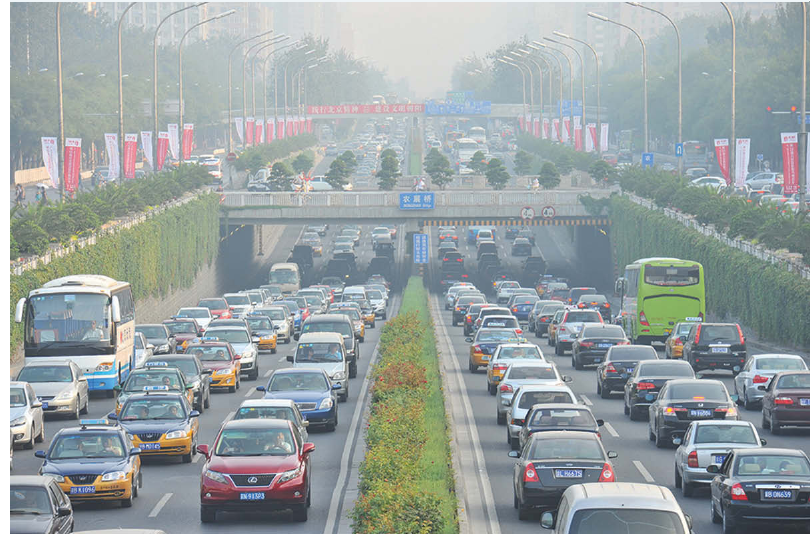
As more people move to cities, pollution from heavy traffic, poor housing, and limited access to water and sanitation services creates significant health and wellbeing risks. Environmental risk factors contribute to more than 100 diseases and injuries, with two-thirds of these attributable to indoor and external air pollution.
Air pollution
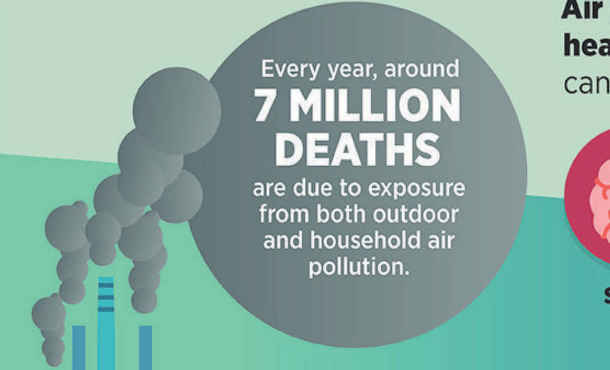
In 2019, 91 per cent of the world's population did not breathe clean air. More than half of the urban population were exposed to external air pollution levels at least 2.5 times above the safety standard set by the WHO. Indoor and external air pollution resulted in around 7 million deaths annually.
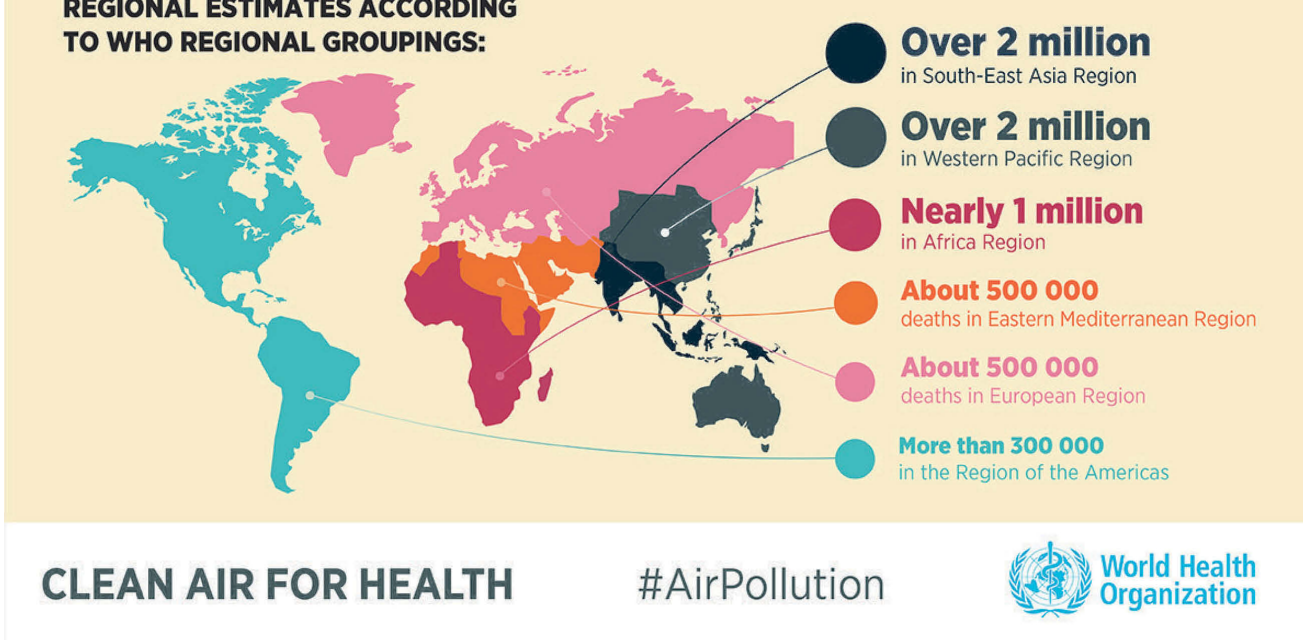
These deaths occur mainly from heart and lung diseases:
- Stroke
- Heart disease
- Respiratory infections
- Lung cancer (both chronic and acute respiratory diseases, including asthma)
The distribution of air pollution deaths varies by region, with South-East Asia and the Western Pacific experiencing over 2 million deaths each, Africa nearly 1 million, and the Eastern Mediterranean and European regions approximately 500,000 each.
Indoor air pollution
Around 3 billion people, mainly in low- and middle-income countries, cook and heat their homes using solid fuels such as wood, charcoal, coal, and dung in open fires and poorly functioning stoves. These cooking methods create severe health hazards.
Note
How indoor air pollution affects health: These fuels produce small soot particles that penetrate deep into the lungs. Where ventilation is limited, indoor smoke can contain extremely high levels of damaging fine particles. The small particles inflame the airways and lungs and impair immune functioning.
Who is most at risk: Women and children face the greatest risk from indoor air pollution as they usually spend more time in the home and are responsible for most cooking activities. This exposure pattern means women and children bear a disproportionate burden of indoor air pollution-related disease.
Health impacts of indoor air pollution are substantial:
- Almost doubles the risk for childhood pneumonia and acute lower respiratory infections
- Responsible for almost one-quarter of all premature deaths from stroke in adults
- Causes 15 per cent of all deaths from ischaemic heart disease
- Accounts for more than one-third of deaths from chronic obstructive pulmonary disease
- Contributes to 17 per cent of lung cancer deaths
External air pollution

External air pollution is caused by energy production and traffic fumes, which release deadly air pollutants such as black carbon and greenhouse gases. These pollutants contribute to increased morbidity (illness) and mortality (death).
Note
As cities become larger, air quality in many of them is becoming a global concern. Urbanisation often brings increased vehicle numbers, industrial activity, and energy consumption, all of which contribute to air pollution. Without appropriate controls and clean technologies, urban air quality deteriorates, creating serious health risks for city residents.
Reducing air pollution relies on several key strategies:
- Using clean technologies and fuels for cooking, heating, and lighting
- Improving transport systems to reduce vehicle emissions
- Implementing improved urban design that reduces pollution exposure
- Promoting energy-efficient housing that requires less energy for heating and cooling
Water pollution
Contamination of drinking water and soil, mainly through poor sanitation, is responsible for an estimated 871,000 deaths annually, half of which occur in Africa.
Health impacts of water pollution: Unsafe water, sanitation, and hygiene are responsible for many deaths from diarrhoeal diseases. These conditions also contribute to deaths from malnutrition, intestinal worm infections, and schistosomiasis (a parasitic disease transmitted through contaminated water).
Progress in reducing water-related deaths: As global access to clean water and sanitation increases, deaths resulting from these diseases are declining. This demonstrates that investments in water and sanitation infrastructure can produce significant health benefits.
Reducing deaths and illness from environmental pollution
Reducing environmental pollution levels represents a challenge for all countries, requiring coordinated action across multiple sectors.
Important
Decreasing reliance on fossil fuels is essential for improving air quality. This involves transitioning to renewable energy sources such as solar, wind, and hydroelectric power, which produce energy without releasing harmful air pollutants.
Increasing access to clean fuels and efficient technologies helps households avoid indoor air pollution. Providing affordable alternatives to solid fuels for cooking and heating - such as liquefied petroleum gas, biogas, or electric cookers - reduces exposure to harmful smoke.
Reducing vehicle emissions requires investing in rapid transit systems that can move large numbers of people efficiently within cities. Good public transport systems reduce reliance on private cars, decreasing air pollution whilst also reducing traffic congestion.
Implementing tobacco smoke-free legislation is effective in reducing exposure to second-hand tobacco smoke, which represents a form of indoor air pollution with serious health consequences.
Government incentives and regulations play crucial roles in reducing pollution. Governments need to:
- Provide incentives for the use of clean energy
- Ensure environmental considerations are included in decisions made by transport, waste management, and industry sectors
- Implement rigorous monitoring of air pollution levels to track progress and identify problem areas
- Enforce environmental standards through appropriate legislation
Improving water and sanitation access: Increasing access to safe water and adequate sanitation whilst promoting hand washing would further reduce deaths from diarrhoeal diseases. These interventions are particularly important in low- and middle-income countries where water and sanitation infrastructure remains inadequate.
Remember!
Summary
Key Points to Remember:
-
Four main NCDs account for 71% of global deaths: Cardiovascular disease, cancer, diabetes, and chronic respiratory disease are responsible for the majority of non-communicable disease deaths, with 85% of this burden now affecting low- and middle-income countries.
-
Obesity is rising globally with no country achieving reversal: Adult and childhood obesity rates continue to increase across all regions, driven by decreased physical activity and increased consumption of energy-dense foods, creating a major risk factor for multiple NCDs.
-
Mental health requires urgent attention: Depression affects 350 million people worldwide, with suicide claiming over 800,000 lives annually, yet fewer than half of those affected can access treatment, highlighting the need for better services, trained workforce, and anti-discrimination laws.
-
Multiple risk factors drive the NCD epidemic: Tobacco use (5 million deaths), alcohol misuse (3 million deaths), illicit drugs (450,000 deaths), poor diet, and physical inactivity all contribute to the burden of NCDs, whilst environmental pollution causes 12.6 million deaths annually.
-
Comprehensive strategies are needed to reduce NCD mortality: Achieving SDG 3 targets requires implementing taxes on harmful products, enforcing the Framework Convention on Tobacco Control, improving food labelling, promoting physical activity, strengthening health systems, and reducing environmental pollution through clean technologies and better sanitation.