The Relationships Between SDG 3 and SDG 13 (VCE SSCE Health and Human Development): Revision Notes
📚Revision Notes
The Relationships Between SDG 3 and SDG 13
Introduction
The Sustainable Development Goals (SDGs) are interconnected and work together to create a better world. Understanding how different goals relate to each other helps us see the bigger picture of global development. This note focuses on the relationship between SDG 3 (Good health and wellbeing) and SDG 13 (Climate action), demonstrating how addressing climate change is essential for improving global health outcomes.
Note
SDG 3 sits at the centre of multiple development goals, showing that good health and wellbeing cannot be achieved in isolation. Climate action (SDG 13) is particularly important because climate change affects many aspects of human health and development.
Understanding SDG 13: Climate action
SDG 13 focuses on taking urgent action to combat climate change and its impacts. This goal recognises that climate change poses a serious threat to human populations worldwide and requires immediate global cooperation to address.
Key aims of SDG 13 by 2030
The goal sets out several important targets that countries should work towards achieving. These include strengthening the ability of all nations to adapt to climate-related hazards and natural disasters. This means building resilience so that countries can better cope when extreme weather events occur.
Another crucial target involves integrating climate change measures into national policies, strategies and planning. Rather than treating climate action as separate from other government priorities, countries need to weave climate considerations into all aspects of policy-making. This ensures that climate impacts are considered in decisions about infrastructure, agriculture, health systems and economic development.
The goal also emphasises improving education and awareness-raising. When people and organisations understand climate change better, they are more capable of taking actions that reduce or prevent environmental degradation. Knowledge empowers communities to make choices that protect the environment.
Note
High-income countries have a special responsibility under this goal. They must implement commitments made through United Nations frameworks to reduce climate change. Additionally, they should provide financial support to help low- and middle-income countries implement their own climate reduction strategies. This recognises that wealthier nations have historically contributed more to greenhouse gas emissions and have greater resources to address the problem.
Finally, the goal promotes raising capacity for effective climate change planning and management in low-income countries and small island developing states. These regions often face the most severe climate impacts but have fewer resources to respond. Special attention should be given to women, youth and local and marginalised communities in these efforts.
The meaning and context of SDG 13
Climate change results from human activities rather than natural processes. The over-reliance on fossil fuels has led to increased greenhouse gas emissions, which trap heat in the Earth's atmosphere. This has contributed to global warming and rising sea levels, fundamentally altering weather patterns around the world.
These changes have brought about a significant increase in the frequency of weather-related natural disasters. Severe weather events and rising sea levels now affect people everywhere, regardless of their location. The impacts threaten homes, livelihoods and wellbeing across all continents.
Note
Recent Climate Data Trends
Recent climate data paints a concerning picture:
- The year 2020 was one of the hottest years in recorded history
- The five-year average global temperature from 2016 to 2020 was the highest on record
- The world continues to experience rising sea levels, extreme weather conditions and increasing concentrations of greenhouse gases
These trends show that climate change is accelerating rather than slowing down.
Important
The Human Cost of Climate-Related Disasters
The human cost of climate-related disasters is staggering. Climate-related events are responsible for the deaths of 150,000 people each year. Many more people are injured, left homeless, displaced or require emergency assistance.
While some fatalities result from events such as earthquakes and tsunamis, over 90 per cent of all disasters are caused by floods, storms, droughts, heatwaves and other extreme weather events. This statistic highlights how weather-related climate impacts represent the greatest threat.
Effects of climate change on health and wellbeing
Climate change represents a major threat to health and wellbeing and human development across multiple dimensions. It affects the sociocultural and environmental factors that impact health and wellbeing, including access to clean air, safe drinking water, adequate food and secure shelter. Without these fundamental prerequisites for health, people cannot maintain good wellbeing.
Rising sea levels pose particular risks for coastal populations. Those living in small island states and other coastal regions, as well as those in cities built on the coast, face the possibility of losing their homes and livelihoods. This is a critical concern because more than half of the world's population lives within 60 kilometres of the coast. Displacement from coastal areas can destroy communities and traditional ways of life.
Vulnerable populations
Not all populations face equal risks from climate change. Countries with weak health infrastructure are most at risk and have less ability to cope with climate impacts. When extreme weather events occur, these nations struggle to provide adequate healthcare responses or rebuild damaged health facilities.
Important
Populations at Greatest Risk
Children and elderly people are particularly vulnerable to health and wellbeing risks, especially when living in low- and middle-income countries. Children's developing bodies are more susceptible to environmental hazards, while elderly people often have existing health conditions that climate impacts can worsen.
Between 2030 and 2050, climate change is expected to cause approximately 250,000 additional deaths each year from malnutrition, malaria, diarrhoea and heat stress.
Specific health impacts
Climate change is expected to bring about significant increases in various health problems. Understanding these impacts helps explain why climate action is so urgent for protecting health.
Infectious diseases will increase due to enhanced humidity and heat from droughts, floods and heatwaves. These changes in temperature and moisture create ideal breeding grounds for disease-carrying organisms. Vector-borne diseases such as malaria and dengue fever thrive in warm, humid conditions. As climate change expands the geographical areas experiencing these conditions, diseases that were once confined to tropical regions may spread to new areas. Neglected tropical diseases will also become more prevalent as environmental conditions favour their transmission.
Allergies and asthma are expected to rise due to increases in air pollution and longer pollen seasons. Warmer temperatures extend the period during which plants release pollen, exposing sensitive individuals to allergens for longer periods. Air quality deterioration compounds this problem, triggering respiratory symptoms in vulnerable people.
Cardiovascular and respiratory diseases will cause more deaths, particularly among elderly people. Extreme high air temperatures raise the levels of ozone and pollutants in the air. These conditions place additional stress on the heart and lungs, which can be fatal for people with existing cardiovascular or respiratory conditions. Heatwaves create dangerous conditions for anyone with compromised health.
Note
Climate Change and Food Security
Hunger and malnutrition will increase as food production is affected by extreme weather patterns. Some areas will experience increased drought, while others face flooding. Drought significantly limits food production by depriving crops of necessary water. Meanwhile, flooding can contaminate sources of fresh water and damage agricultural land. Flooding also increases the risk of diarrhoeal diseases, which can lead to dehydration and malnutrition, particularly in children.
Mental, social, spiritual and emotional health and wellbeing will be reduced due to displacement resulting from the loss of homes and livelihoods. When people are forced to leave their communities, they lose social connections, cultural practices and sense of place. This displacement can lead to anxiety, depression and a sense of hopelessness. The trauma of losing one's home and community has lasting psychological impacts.
Note
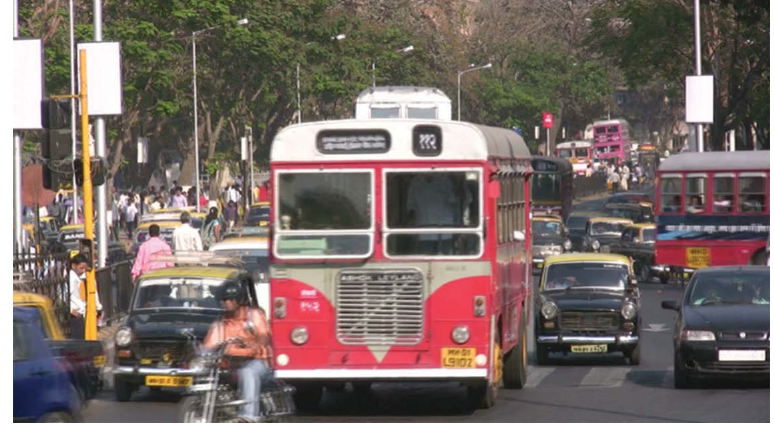
The image above shows public transport in an urban setting. Using public transport instead of private vehicles is one practical action that can help reduce carbon emissions and air pollution.
Global action and commitment
A lack of action on climate change has the potential to undo progress made in other development areas. Advances in reducing poverty, increasing access to safe water and improving food security could all be reversed if climate change continues unchecked. This makes climate action essential not just for environmental reasons, but for protecting all aspects of human development.
SDG 13 recognises that climate change can be addressed but requires global action. No single country can solve this problem alone. All countries must commit to transforming existing energy, industry, transport, food, agriculture and forestry systems to reduce greenhouse gas emissions and slow global warming.
This transformation will take time and require significant changes to how societies function. In the meantime, countries also need to develop their capacity to anticipate extreme weather events through early warning systems. These systems can save lives by giving people time to prepare for or evacuate from dangerous conditions.
Countries need to become more resilient to the effects of climate change. Resilience means having the ability to withstand and recover from climate impacts. This includes putting in place strategies to reduce the effects of extreme weather events when they do occur. For example, protecting water and sanitation systems from flood damage ensures that communities maintain access to clean water even after disasters strike.
UN Climate Summit and Green Climate Fund
Note
International Climate Cooperation
In 2014, the UN Climate Summit in New York brought together governments, businesses and other private sector actors who made commitments to take action on climate change. This summit represented an important step in building global consensus about the urgency of the problem.
At this summit, participants recognised that low- and middle-income countries need financial and technical support for developing and implementing new climate initiatives. These countries often lack the resources to invest in expensive renewable energy infrastructure or climate adaptation measures, even though they may face severe climate impacts.
In response to this need, the Green Climate Fund was created. This fund is designed to generate money to support international climate action. By providing financial resources to countries that need assistance, the fund helps ensure that climate action occurs globally rather than only in wealthy nations that can afford to act independently.
Note
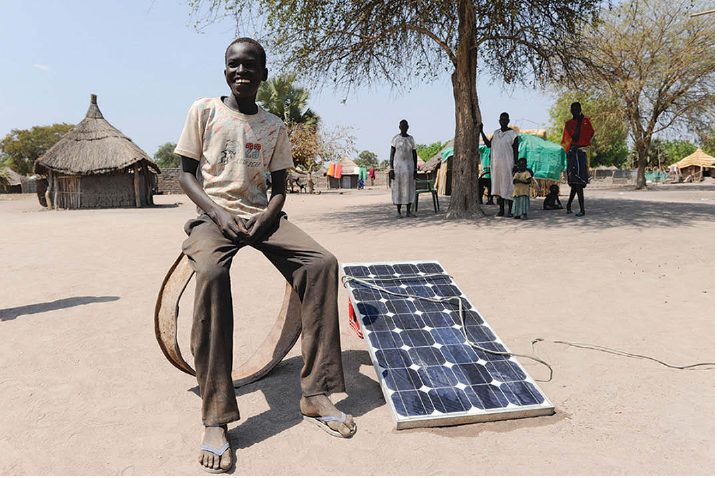
This image shows a home solar system being used in southern Sudan, Africa. In areas where people previously had no access to electricity, solar power provides a clean energy alternative that doesn't contribute to greenhouse gas emissions.
Links between SDG 13 and SDG 3
The relationship between climate action and good health is both direct and powerful. Many policies and individual actions that reduce greenhouse gas emissions also improve health and wellbeing outcomes.
How climate action improves health
Cleaner energy systems benefit health in multiple ways. When countries transition away from fossil fuels towards renewable energy sources, they reduce air pollution. Fewer pollutants in the air means fewer respiratory diseases and better overall health for populations. Clean energy also reduces the greenhouse gases driving climate change, creating a double benefit.
Example
Worked Example: Public Transport and Health Benefits
Promoting energy-efficient public transport provides a clear example of how climate action and health intersect:
Step 1: More people use buses, trains and trams instead of private vehicles
- Result: Carbon emissions decrease
Step 2: Public transport systems reduce traffic congestion
- Result: Air pollution in urban areas decreases
Step 3: Improved air quality affects population health
- Result: Fewer respiratory diseases and reduced rates of asthma and breathing problems
This demonstrates how a single climate action creates multiple health benefits.
Encouraging alternatives such as cycling or walking rather than using private vehicles creates even greater health benefits. These active forms of transport reduce carbon emissions while simultaneously increasing physical activity levels. Regular physical activity helps prevent non-communicable diseases such as cardiovascular disease, diabetes and some cancers. This shows how climate action can directly promote better health outcomes.
All of these changes would help reduce current morbidity and mortality rates. Fewer people would suffer from communicable diseases that thrive in polluted environments. At the same time, rates of non-communicable diseases would decline as air quality improves and people engage in more physical activity.
The interdependence of SDG 13 and SDG 3
The achievement of SDG 3 (Good health and wellbeing) depends upon collaborative action being taken to address climate change. This interdependence can be understood through several specific examples.
Important
How Climate Change Undermines Health Goals
Clean water and sanitation underpin efforts to reduce child deaths from diseases such as diarrhoea. However, if climate change causes flooding that contaminates water sources, or drought that reduces water availability, these efforts will fail. Climate action is therefore essential for maintaining the water and sanitation systems that protect child health.
Ending epidemics of infectious diseases becomes impossible if climate change produces conditions that increase disease risk. For example, if rising temperatures and humidity expand the habitat of mosquitoes carrying malaria, efforts to eliminate this disease will be undermined. Climate stability is necessary for infectious disease control.
Similarly, reducing premature mortality from non-communicable diseases is compromised when climate change produces conditions that increase the risk of these diseases. Air pollution from fossil fuels contributes to cardiovascular and respiratory diseases. Without addressing the climate impacts of these fuels, mortality from these conditions will remain high.
The goal of reducing deaths and illnesses from hazardous chemicals, air, water and soil pollution cannot be achieved if climate change effects are not addressed. Many of the same activities that cause climate change also cause pollution. Solving one problem requires solving the other.
Benefits of climate action for health
Actions to address climate change will also protect and promote health and wellbeing, helping to achieve SDG 3. The benefits extend beyond simply preventing negative health outcomes. Climate action will bring about a planet that is not only more environmentally intact, but also has cleaner air, safer water and more food available. These improvements create better conditions for health and wellbeing.
Climate action will also lead to more effective and fairer health and social protection systems. When countries invest in climate resilience, they often strengthen their health infrastructure as part of this effort. Early warning systems for extreme weather, for example, require good communication networks that can also be used for health emergencies.
Note
Ultimately, climate action creates healthier people and more resilient communities. What is good for the planet is also good for people's health and wellbeing. This alignment means that climate action should be viewed not as a cost or burden, but as an investment in human health and development.
Summary
Key Points to Remember:
-
SDG 13 (Climate action) and SDG 3 (Good health and wellbeing) are deeply interconnected, with climate change posing significant threats to health outcomes globally.
-
Climate change increases health risks through multiple pathways: infectious diseases thrive in warmer conditions, air pollution worsens respiratory problems, extreme weather causes injuries and deaths, food production suffers affecting nutrition, and displacement harms mental health.
-
Vulnerable populations, particularly children and elderly people in low- and middle-income countries, face the greatest risks from climate change impacts on health.
-
Global cooperation is essential, with high-income countries providing financial and technical support through mechanisms like the Green Climate Fund to help low- and middle-income countries take climate action.
-
Actions that reduce climate change also improve health: cleaner energy reduces air pollution, public transport and active travel reduce emissions while increasing physical activity, and protecting environmental systems maintains the clean air, water and food necessary for good health.