The Relationships Between SDG 3 and SDG 2 (VCE SSCE Health and Human Development): Revision Notes
📚Revision Notes
The Relationships Between SDG 3 and SDG 2
Introduction to SDG 2: Zero hunger
SDG 2 aims to end all forms of hunger and malnutrition by ensuring that everyone, especially children and vulnerable groups, has access to nutritious food throughout the year. This goal promotes sustainable agriculture as a means to achieve food security.
Note
Sustainable agriculture refers to the capacity of farming practices to provide sufficient food over time in ways that are economically efficient and profitable, socially responsible, and environmentally sound. This approach balances the needs of current and future generations whilst protecting the environment.
Key objectives by 2030
SDG 2 seeks to achieve several interconnected targets:
- End hunger and ensure all people, particularly those living in poverty and vulnerable situations (such as infants), have access to safe, nutritious and sufficient food
- End all forms of malnutrition
- Double the agricultural productivity and incomes of small-scale food producers, whilst ensuring equal access to land and resources
- Implement sustainable food production systems and resilient agricultural practices that increase productivity, maintain ecosystems, and adapt to climate change and extreme weather
- Maintain the genetic diversity of seeds, plants and animals, ensuring access for all
- Increase investment in agriculture infrastructure, research and technology
- Address trade restrictions that disadvantage farmers, particularly in low- and middle-income countries
- Ensure the proper functioning of global food commodity markets and access to market information
Understanding SDG 2: The meaning of zero hunger
Defining key concepts
Food security is the state in which all people obtain nutritionally adequate, culturally appropriate, safe food regularly through local non-emergency sources. It represents more than just having enough food; it encompasses quality, cultural appropriateness, and reliable access.
Hunger is defined as the continuing lack of food needed for an active and healthy life. When people experience hunger, they cannot access sufficient food to maintain their health and wellbeing.
Food scarcity and hunger result in malnutrition and poor health. When people are malnourished, they experience inadequate intake of essential micronutrients such as iron, vitamin A, iodine and zinc. These deficiencies have serious consequences for health and development.
Who is most at risk?
Important
The groups most vulnerable to the effects of malnutrition include:
- Children, particularly those under five years of age
- Pregnant and lactating women
- The elderly
These groups require special attention in food security programmes and nutritional interventions.
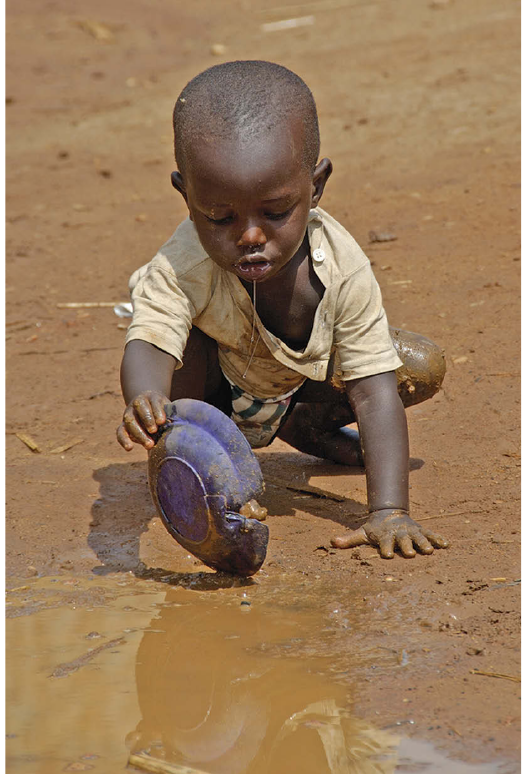
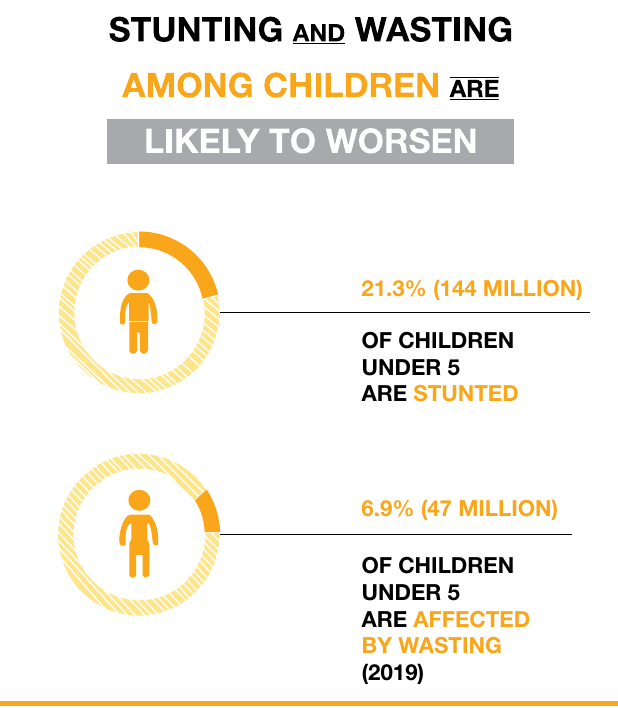
Globally, 144 million children experience stunted growth due to undernourishment, whilst a further 47 million children are affected by wasting (a more acute form of malnutrition).
Impact of hunger on health and wellbeing and human development
Child mortality and disease
Hunger and malnutrition represent the biggest contributor to child mortality, causing 45% of the 6.3 million preventable deaths in children under five years of age. When children experience hunger, their immune systems become weakened, making them too vulnerable to fight off diseases.
Children suffering from hunger experience:
- Increased frequency and severity of diseases such as pneumonia, measles, malaria and diarrhoea
- Greater risk of dying from these conditions
- Impaired physical and cognitive development
Note
Hunger serves as an underlying cause in:
- 61% of deaths from diarrhoea
- 57% of deaths from malaria
- 52% of deaths from pneumonia
- 45% of deaths from measles
These statistics demonstrate how malnutrition weakens children's ability to fight common diseases, turning treatable conditions into life-threatening ones.
Important
Exam tip: Malnutrition in infants can be prevented by mothers exclusively breastfeeding their babies for the first six months. This is an important protective measure for infant health and wellbeing.
Micronutrient deficiencies
Micronutrients, especially iron, vitamin A and iodine, are particularly important for good health and wellbeing. According to the World Health Organization, deficiencies in iron and vitamin A rank among the top ten leading causes of death and disease in low-income countries.
Iron deficiency
Iron deficiency during pregnancy can lead to:
- Maternal death
- Impaired physical and cognitive development in children
- Iron-deficiency anaemia, which contributes to 20% of all maternal deaths
Note
Iron is essential for producing haemoglobin, which carries oxygen in the blood. During pregnancy, iron requirements increase significantly to support the growing foetus and placenta. Without adequate iron, both mother and baby face serious health risks.
Iodine deficiency
Serious iodine deficiency during pregnancy can result in:
- Stillbirth
- Spontaneous abortion
- Congenital abnormalities such as cretinism (a form of mental impairment)
Globally, iodine deficiency affects 780 million people worldwide, especially during pregnancy.
Vitamin A deficiency
Vitamin A deficiency can lead to:
- Blindness
- Poor immune function
- Reduced cell function needed for normal growth
Important
Pregnant women and children with vitamin A deficiency have higher rates of morbidity (illness) and mortality (death). Vitamin A is crucial for vision, immune function, and cell growth, making it especially critical during periods of rapid development.
Global statistics on undernourishment
Globally, 687 million people are undernourished and do not have enough food to lead healthy, active lives. Because hunger causes poor health and wellbeing, stunted growth, low energy levels and reductions in mental functioning, it creates a cycle that perpetuates poverty by reducing people's ability to work and learn.
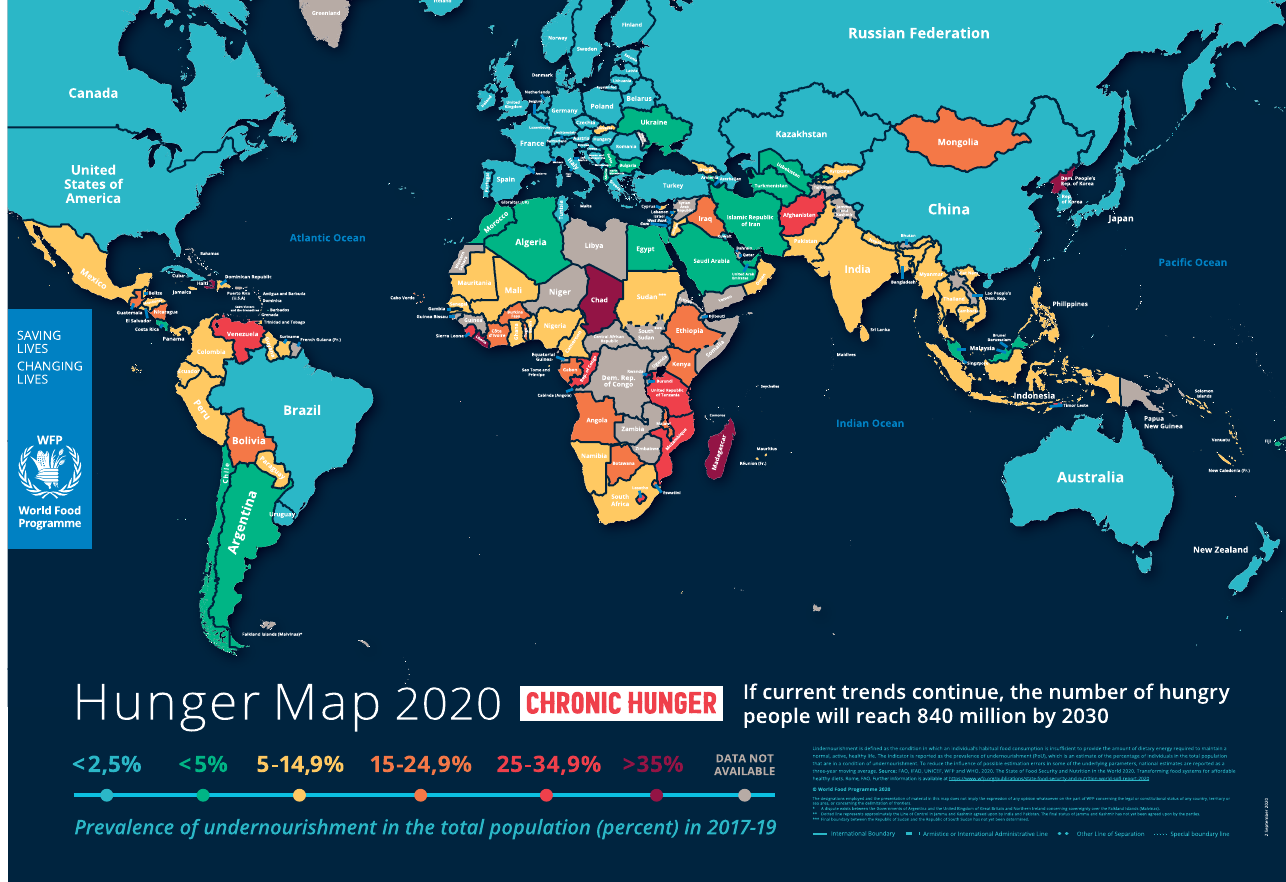
Most of the world's hungry people live in low- and middle-income countries, where 12.9% of the population is undernourished. Regional variations include:
- Southern Asia: Faces the greatest hunger burden, with approximately 381 million undernourished people
- Sub-Saharan Africa: Undernourishment affects an estimated 19.1% of the population
Important
Rates of undernourishment have increased from 628.9 million in 2014 to 687 million in 2019. This increase has been linked to conflict, drought and environmental disasters related to climate change, highlighting the urgent need for action on food security.
Impact on human development
Extreme hunger and malnutrition are major barriers to human development. When people are malnourished and suffer ill health, their human development is severely impaired:
- Without food, people are unable to live long and healthy lives or pursue their interests
- They cannot achieve a decent standard of living
- They lack the basic human right of having adequate food
- Children who are hungry and malnourished cannot attend school
- They lack opportunities to develop the skills and knowledge needed to secure decent work
- They cannot participate fully in the social and political lives of their communities
Note
This creates a vicious cycle: hunger leads to poor health and reduced capacity to work or learn, which perpetuates poverty, which in turn leads to continued hunger. Breaking this cycle requires comprehensive interventions addressing both food security and health.
Links between SDG 2 and SDG 3
The relationship between SDG 2 (Zero hunger) and SDG 3 (Good health and wellbeing) is bidirectional and mutually reinforcing.
How achieving zero hunger supports SDG 3
Actions designed to achieve zero hunger will simultaneously help achieve SDG 3 by:
Improving maternal and child health
- Access to nutritious food contributes to reductions in under-five mortality rates
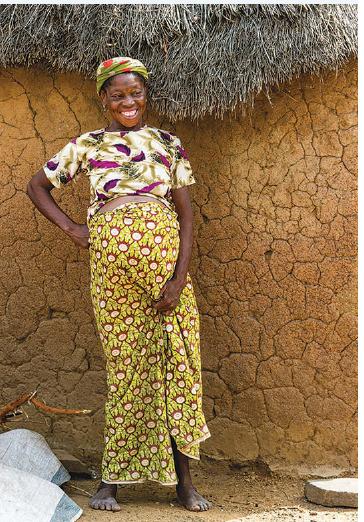
- Well-nourished mothers are more likely to give birth to healthier babies
- Mothers experience better health and wellbeing during pregnancy and childbirth
Reducing disease burden
- With improved nutrition, children face reduced risk of contracting and dying from communicable diseases such as malaria and hepatitis
- Better nutrition reduces susceptibility to vaccine-preventable diseases such as measles and tuberculosis
- A well-nourished population experiences better overall health
Reducing healthcare system pressure
- A healthier, well-nourished population may reduce demand for health services
- This can decrease corresponding costs to the healthcare system
How achieving good health supports zero hunger
Achieving good health and wellbeing will also contribute to the achievement of zero hunger:
Enabling food production
- Adults who enjoy good health and wellbeing are able to work productively
- They can produce their own food for their families
- Alternatively, they can work and earn an income
Breaking the poverty-hunger cycle
- Earning an income means families can purchase healthy food to eat
- This helps reduce the level of hunger within communities
- Better health enables participation in economic activities that support food security
Note
This bidirectional relationship demonstrates why addressing hunger and health together is more effective than tackling either issue in isolation. Progress on one goal naturally supports progress on the other.
Case study: Innovation in reducing food loss and waste
During the COVID-19 pandemic, restrictions in movement and quarantine measures increased levels of food loss and waste globally. This threatened people's food security and nutrition whilst hurting the livelihoods of small producers. However, innovative technologies are being developed to improve how food is produced, distributed and consumed.
Apps to maximise food sale or donation
Smartphone applications provide simple ways to reach large portions of the global population and address food waste:
Example
Innovation Example: Too Good to Go
Too Good to Go gives shops and restaurants a platform to sell surplus food at reduced prices at the end of the day. For example, in Rome, users can find discounted food from neighbourhood markets, large supermarket chains and popular eateries.
Impact: This reduces food waste whilst making nutritious food more affordable and accessible to consumers.
Example
Innovation Example: Feeding India
Feeding India focuses on food donations for those in need. Restaurants and individuals can donate food through the app, which is then collected and distributed by a network of over 4,500 volunteers. These programmes run in more than 45 Indian cities and have served over 4.8 million meals.
Impact: This directly addresses hunger by redirecting surplus food to those who need it most.
Example
Innovation Example: Twiga Foods (Kenya)
Twiga Foods connects 3,000 food outlets daily with fresh produce through a network of 17,000 farmers and 8,000 vendors. This allows restaurants to buy only what they need and farmers to deliver more efficiently.
Impact: The platform has reduced typical post-harvest losses in Kenya from 30% to just 4% for produce on their network, dramatically improving food security and farmer incomes.
New technology through 3D product design
The Food and Agricultural Organization (FAO) has developed innovative technologies using 3D printing to increase the efficiency of post-harvest handling and food processing. They offer open-source 3D designs for download and use.
Example
Innovation Example: Multipurpose Wooden Crate
One popular download is a multipurpose wooden crate for transport, handling, storage and retail display of produce. This innovative design:
- Uses basic wooden materials
- Reduces the need to transfer produce between containers
- Significantly reduces food spoilage along the value chain
- Has had 13,000 downloads in under two years
- Is used widely in Sudan and Thailand
Impact: By minimizing handling and transfer, this simple solution reduces damage and spoilage throughout the supply chain.
Simple equipment used innovatively
Innovation doesn't always require new technology. Sometimes it means using simple techniques in new ways to challenge traditional practices.
Example
Innovation Example: Crate System in Bangladesh
The Problem: Tomatoes were traditionally transported from farm to market in large mesh sacks, resulting in many bruised or damaged tomatoes.
The Solution: An FAO project proposed using large crates instead.
The Results:
- Substantially reduced losses
- Allowed farmers to sell a larger proportion of their produce
- Improved the quality and shelf-life of produce
Extended Impact: In Sri Lanka, the improvement was so noticeable that one supermarket now provides crates to farmers to guarantee the quality of their produce.
These simple but effective changes can dramatically improve handling in the supply chain and significantly impact the income and food security of local farmers, whilst also improving food quality for consumers.
Note
The case studies demonstrate that innovation in food systems doesn't always require expensive technology. Sometimes the most effective solutions are simple, affordable approaches that can be widely adopted and scaled up quickly.
Remember!
Summary
Key Points to Remember:
-
SDG 2 aims to end all forms of hunger and malnutrition by ensuring everyone has access to nutritious food through sustainable agriculture.
-
Hunger and malnutrition cause 45% of preventable deaths in children under five, making it the biggest contributor to child mortality. Vulnerable groups include children under five, pregnant and lactating women, and the elderly.
-
Micronutrient deficiencies (iron, iodine and vitamin A) have severe health consequences, including maternal death, impaired child development, cretinism, blindness and increased morbidity and mortality.
-
687 million people globally are undernourished, with most living in low- and middle-income countries. Southern Asia and sub-Saharan Africa face the greatest hunger burdens.
-
The relationship between SDG 2 and SDG 3 is mutually reinforcing: achieving zero hunger improves health outcomes by reducing disease and mortality, whilst achieving good health enables people to work, produce food and earn income to purchase nutritious food, thus reducing hunger.