A Biological Model of Stress (VCE SSCE Psychology): Revision Notes
📚Revision Notes
A Biological Model of Stress
Introduction to stress and physical illness
Hans Selye, an Austrian endocrinologist, pioneered stress research in the 1930s. His groundbreaking work in 1936 established a direct connection between psychological stress and the development of physical illnesses. One of the most notable conditions linked to stress is peptic ulceration—painful lesions that form in the lining of the stomach, small intestine, or lower oesophagus.
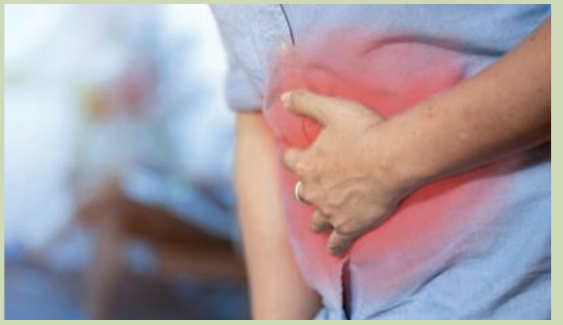
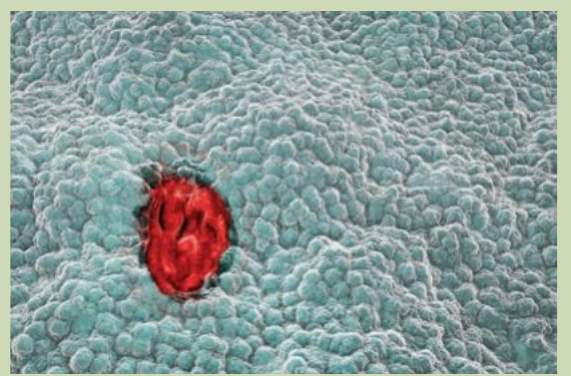
Several studies have confirmed this stress-illness relationship in both human and animal populations. Research following the devastating Hanshin-Awaji earthquake in Japan (17 January 1995), which killed over 6,400 people, revealed a notable increase in peptic ulcer cases among survivors. Additional research in Thailand compared 70 patients with perforated peptic ulcers to a control group and concluded that stress was associated with the development of peptic ulcer disease. More recently, Danish research has reinforced these findings, demonstrating that psychological stress increases the incidence of peptic ulcers.
Note
These earthquake survivor studies provide compelling real-world evidence for the stress-illness connection. The dramatic increase in peptic ulcers following the Hanshin-Awaji earthquake demonstrates how severe psychological stress can manifest as physical disease, supporting Selye's laboratory findings with human population data.
These studies collectively support Selye's original findings and highlight the powerful connection between our psychological state and physical health.
General adaptation syndrome: A biological model of stress
Through his experimental work with rats, Selye developed a comprehensive model to explain how organisms respond to stress. He exposed laboratory rats to various stressful stimuli, including extreme temperatures, surgical injuries, excessive exercise, and non-lethal drug intoxication. Despite the diversity of these stressors, Selye observed a consistent physiological response pattern, which he termed the general adaptation syndrome (GAS).
The general adaptation syndrome is a biological model of stress that proposes we have a non-specific biological response to stress that occurs in three stages. Two key characteristics define this model:
Important
Two Defining Characteristics of GAS:
-
Non-specificity: The biological response remains the same regardless of the type of stressor encountered. Whether facing extreme heat, physical injury, or chemical exposure, the body responds through the same physiological pathway.
-
Species consistency: All members of the same species (in Selye's research, rats) display identical stress response patterns.
Selye identified three distinct stages through which organisms progress when experiencing prolonged stress:
- Stage 1: Alarm reaction
- Stage 2: Resistance
- Stage 3: Exhaustion
Stage 1: Alarm reaction
The alarm reaction stage represents the body's initial response when we first become aware of a stressor. This stage occurs when the body recognises an immediate threat or challenge and prepares to respond. The alarm reaction unfolds through two distinct phases: shock and countershock.
Shock phase
During the shock phase, the body experiences an acute stress response characterised by a temporary drop in resistance. The body's ability to deal with the stressor falls below normal levels as physiological systems initially struggle to cope with the threat.
Key physiological changes during shock include:
- Decreased muscle tone
- Lowered body temperature
- Reduced blood pressure
- Decreased blood glucose levels
This phase represents a momentary dip in the body's defensive capabilities as it registers the presence of the stressor.
Countershock phase
The countershock phase immediately follows shock as the body attempts to compensate for the initial acute stress response. During this phase, the body's ability to deal with the stressor rises above normal levels.
Note
This compensatory response involves a cascade of hormonal and physiological changes that prepare the body for action:
- Release of stress hormones (adrenaline and cortisol)
- Activation of the fight-or-flight-or-freeze response
- Increased muscle tension
- Elevated heart rate
- Faster breathing rate
- Increased blood glucose levels
- Pupil dilation
- Raised body temperature
The alarm reaction stage typically lasts only briefly—sometimes just a few seconds, though it may persist longer depending on the stressor's nature and intensity.
Stage 2: Resistance
When a stressor persists beyond the initial alarm reaction, the body enters the resistance stage. This stage represents the body's sustained attempt to adapt to ongoing stress. The body actively mobilises resources to cope with the prolonged presence of the stressor, and resistance levels continue to rise above normal.
During resistance, cortisol levels reach their peak concentration. This hormone plays a vital role in maintaining the body's adaptive response by:
- Increasing glucose and fat levels to provide additional energy
- Elevating protein concentration in the blood to enhance tissue repair capabilities
- Supporting the body's attempt to restore equilibrium despite ongoing stress
Important
The Hidden Cost of Adaptation:
The body cannot maintain this heightened state indefinitely. While the resistance stage allows for temporary adaptation, the sustained elevation of stress hormones begins to take a toll. Prolonged cortisol exposure suppresses the immune system, reducing the body's ability to fight infections and disease.
As resistance continues, the body begins showing physiological signs of wear and tear:
- Cold and flu symptoms
- Sore throat
- Lethargy and fatigue
- Persistent headaches
Psychological and behavioural symptoms may also emerge:
- Social withdrawal
- Increased absenteeism from work or school
- Moodiness and irritability
- Difficulty concentrating
Note
These symptoms indicate that whilst the body is still coping with the stressor, its resources are being depleted and its resistance is beginning to falter. The appearance of these warning signs suggests the individual is at risk of progressing to the exhaustion stage if the stressor continues.
Stage 3: Exhaustion
The exhaustion stage occurs when the body has fought the stressor for an extended period and has depleted its reserves. At this point, resistance to the stressor drops well below normal levels, leaving the individual weak and highly vulnerable to illness.
Key features of the exhaustion stage include:
- Complete depletion of energy stores
- Severely compromised immune system function
- Impaired gut function due to prolonged cortisol exposure
- Low resistance to both physical and psychological illnesses
Important
Serious Health Consequences:
Individuals in the exhaustion stage become susceptible to numerous conditions:
- Infections
- Stomach ulcers
- Sleep disturbances
- Chronic fatigue
- Anxiety disorders
- Depression
The exhaustion stage represents the body's failure to maintain adaptation. Without intervention or removal of the stressor, serious health consequences become likely.
Visual representation of the GAS
The three stages of the general adaptation syndrome can be visualised as a curve showing resistance levels compared to normal baseline over time.
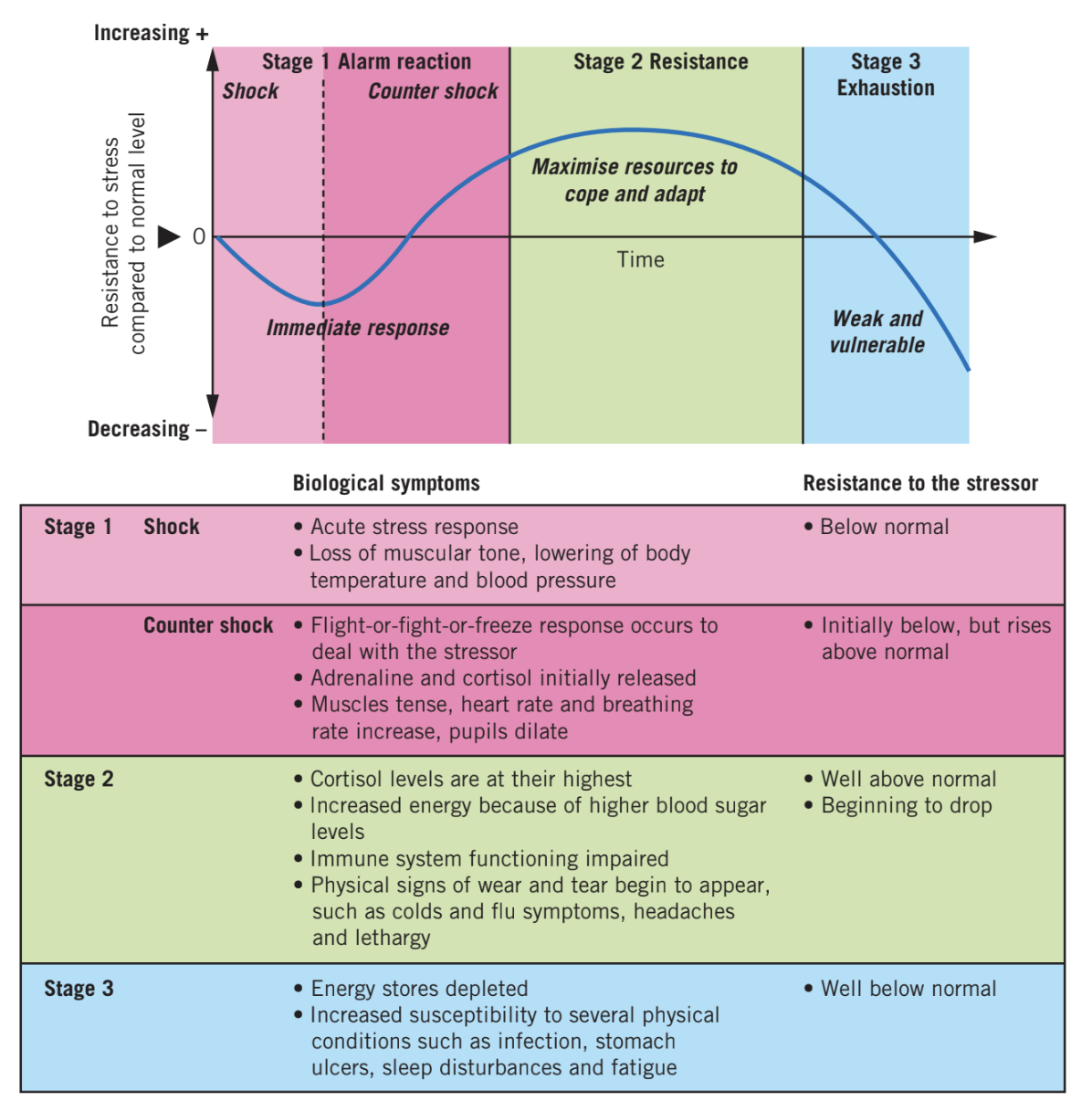
The diagram illustrates how resistance initially drops below normal during shock, rises above normal during countershock and resistance, then falls dramatically below normal during exhaustion. This visual representation helps clarify the dynamic nature of the body's stress response and the progressive impact of prolonged stress exposure.
Note
SCARE Mnemonic:
A helpful mnemonic for remembering the stages is SCARE:
- Shock
- Countershock
- Alarm reaction (both shock and countershock are part of this stage)
- Resistance
- Exhaustion
Explanatory power of the general adaptation syndrome
Selye's work on the biological stress response gained substantial recognition in the scientific community. Between 1949 and 1953, he received 17 nominations for the Nobel Prize in Physiology or Medicine. During the mid-twentieth century, researchers across diverse fields—including veterinary medicine, clinical allergy, and psychiatry—adopted Selye's concept of biological stress. The model provided a valuable framework for scientists investigating the relationship between the pressures of modern life and disease development.
Strengths of the GAS model
The GAS model offers several important contributions to our understanding of stress:
Testability and structure: The model proposes a predictable pattern of responses that can be systematically tested in laboratory settings. This structured approach allows for empirical investigation and replication of findings.
Note
Identification of biological processes: The model identifies specific biological mechanisms involved in the stress response, particularly hormone secretion (adrenaline and cortisol) and immune system suppression. This focus on physiological processes provided a concrete basis for understanding stress.
Link between stress and illness: The GAS was one of the first theoretical models to propose that stress could weaken the body's resistance to illness. This groundbreaking idea established stress research as a legitimate area of medical and psychological investigation.
Empirical support: Research evidence suggests that the three stages of GAS exist and that the body's non-specific response to stressors represents a physiological reality, at least in rats. This empirical foundation supports the model's validity.
Limitations of the GAS model
Despite its contributions, the GAS model has notable limitations:
Generalisability concerns: Selye's research was conducted predominantly on rats. Humans and rats differ physiologically in important ways. Human stress responses tend to be more complex and variable than those observed in laboratory rats. Therefore, directly generalising Selye's findings to human populations is problematic.
Important
Missing the Psychological Component:
The model does not account for psychological or cognitive processing involved in the human stress response. Human beings interpret, evaluate, and assign meaning to potentially stressful situations—processes that can profoundly affect the intensity and nature of the stress response experienced.
Individual differences ignored: The GAS model does not address individual variation in stress responses. Different people experience different stress-related conditions. For example, high stress levels are associated with diverse disorders including hypertension (high blood pressure), post-traumatic stress disorder, and major depression. The model cannot explain why one person develops cardiovascular problems whilst another develops a mental health condition.
Note
Oversimplification: By proposing a universal, non-specific response to all stressors, the model may oversimplify the complex interactions between biological, psychological, and environmental factors that shape stress responses in humans.
Remember!
Summary
Key Points to Remember:
-
The GAS proposes three stages: alarm reaction (with shock and countershock phases), resistance, and exhaustion, representing the body's response to prolonged stress.
-
The alarm reaction involves an initial drop in resistance (shock) followed by a compensatory rise (countershock), driven by adrenaline and cortisol release and activation of the fight-or-flight-or-freeze response.
-
Resistance represents sustained coping where cortisol peaks to maximise resources, but prolonged exposure suppresses immunity and causes wear and tear (minor illnesses, fatigue, irritability).
-
Exhaustion occurs when reserves are depleted, resistance falls below normal, and the individual becomes vulnerable to serious physical and psychological conditions including infections, ulcers, and mental disorders.
-
The model's strengths include testability and identification of biological mechanisms, but its limitations include poor generalisability from rats to humans and failure to account for psychological factors and individual differences.