Supporting Psychological Development and Mental Wellbeing (VCE SSCE Psychology): Revision Notes
📚Revision Notes
Supporting Psychological Development and Mental Wellbeing
Introduction to support systems
When individuals receive a diagnosis of a neurodevelopmental disorder such as autism or ADHD, a mental disorder including depression or anxiety, or when they display atypical behaviours that cause concern, numerous support systems become available to assist both the individual and their family. These support networks include registered psychologists, qualified psychiatrists, trained mental health workers and various specialist organisations. Each plays a distinct role in promoting psychological development and maintaining mental wellbeing.
Note
The support systems available span a wide range of professionals and organisations, each with specific roles and expertise. Understanding these different types of support helps individuals and families access the most appropriate care for their needs.
Cultural responsiveness in mental health diagnosis
The Diagnostic and Statistical Manual of Mental Disorders, Fifth Edition, Text Revision (DSM-5-TR), released in 2022, represents the most current diagnostic tool used by physicians and health professionals in diagnosing mental disorders. This manual provides clinicians with a standardised language for diagnosis and study of mental disorders, enabling them to conduct unbiased, objective assessments of individual symptoms across various settings including hospitals and private practice.

Whilst earlier editions of the DSM provided information about each mental disorder's prevalence, development, course and risk factors, the DSM-5-TR marks an advancement by incorporating enhanced cultural sensitivity. This latest edition includes diagnostic criteria that reflect cross-cultural variations in how disorders present, more detailed and structured information about cultural concepts of distress, and a clinical interview tool designed to facilitate comprehensive, person-centred assessments.
Important
Key Cultural Sensitivity Features in DSM-5-TR:
- Diagnostic criteria reflecting cross-cultural variations in disorder presentation
- Detailed and structured information about cultural concepts of distress
- Clinical interview tools for comprehensive, person-centred assessments
These features represent important steps towards culturally responsive mental health care.
Mental health professionals and their roles
The role of psychologists
In Australia, becoming a registered psychologist involves completing a minimum of six years of psychology education and training. Psychologists study psychology rather than medicine, yet they possess the ability to diagnose mental disorders and associated atypical behaviours. Their diagnostic approach differs from medical practitioners by concentrating on the individual's thoughts and emotional state rather than medical or biological causes such as chemical imbalances in the brain or hormonal issues.

Because psychologists lack medical qualifications, they cannot prescribe medications nor perform medical procedures. However, their capabilities include assessing an individual's overall mental health and developing comprehensive management plans and treatments for mental disorders. They provide counselling and psychotherapy services, which often involve modifying thinking patterns and behaviours to enhance mental wellbeing.
Note
In cases involving mental disorders, psychologists frequently collaborate with psychiatrists, where the psychiatrist manages medical treatment whilst the psychologist handles counselling and psychotherapy. This collaborative approach ensures comprehensive care for the patient.
When supporting psychological development, psychologists assist children with learning, behaviour, emotions and mental health concerns. They help children and families understand diagnosed conditions and available treatments. Their specific services include:
- Conducting educational and developmental assessments, including intelligence testing
- Administering tests to evaluate memory and cognitive processing speed
- Providing support for learning difficulties
- Assisting with neurodevelopmental disorders such as ADHD
- Managing defiant or challenging behaviours
- Developing social skills, particularly for children with autism
The role of psychiatrists
Psychiatrists complete approximately 12 years of study to qualify and register with the Royal Australian and New Zealand College of Psychiatry. This extensive training includes obtaining a medical degree (4–6 years), completing on-the-job hospital training (1 year) and finishing specialist psychiatry training (5 years). Psychiatrists are therefore medical doctors with expertise in mental health who specialise in diagnosing and treating individuals with mental disorders.

Like psychologists, psychiatrists can assess mental and physical symptoms, make diagnoses and work with individuals to develop management plans for treatment and recovery. They also provide psychological treatment. However, unlike psychologists, psychiatrists can prescribe medications, perform medical procedures such as deep brain stimulation, and admit patients to hospital when required.
When supporting psychological development, psychiatrists prove particularly valuable when a child or adolescent experiences persistent atypical behaviours, mental health problems or neurodevelopmental issues. They can diagnose behavioural and emotional problems, neurodevelopmental disorders and intellectual disabilities. Additionally, they can prescribe medications, admit children or adolescents to hospital when necessary, and provide psychological support for both the child and their family.
Comparing psychologists and psychiatrists
Whilst both psychologists and psychiatrists specialise in mental wellbeing and can assess mental health, diagnose and manage mental disorders and atypical behaviours, several key differences exist between these roles:
| Psychologist | Similarities | Psychiatrist |
|---|---|---|
| Study for six years, not including a medical degree | Specialise in mental wellbeing | Study for 12 years, including a medical degree |
| Focus on the thoughts and emotional state of the individual | Can assess mental health, diagnose and manage mental disorders and associated atypical behaviours | May focus more on medical or biological causes for mental disorders, like chemical imbalances in the brain or hormonal issues |
| Tend to provide counselling or psychotherapy, which can involve changing thinking patterns and behaviours to improve mental wellbeing | Can provide psychological treatments such as counselling or psychotherapy and perform psychological testing | Can prescribe medications, perform some medical procedures and admit someone to hospital if required |
Note
Both professionals play complementary roles in supporting individuals with mental health concerns and developmental issues, often working collaboratively to provide comprehensive care.
Organisations supporting mental wellbeing
A wide range of services are provided by not-for-profit and government-based organisations at no cost to those diagnosed with atypical behaviours, mental disorders or developmental issues. These services prove particularly helpful for individuals and families who cannot afford private psychiatrist or psychologist consultations, which can be expensive despite Medicare subsidies. Many organisations also provide access to support for those living in remote areas or locations lacking adequate resources.
SANE Australia
SANE Australia commits to providing affordable access to quality clinical and psychosocial support services that facilitate recovery for people diagnosed with mental disorders, enabling them to lead better lives. This includes individuals and their families currently living with complex mental health issues such as schizophrenia spectrum disorders, bipolar and related disorders, obsessive-compulsive and related disorders, personality disorders, trauma-related disorders, eating disorders and severe depression and anxiety.
SANE Australia offers a range of free services including:
- Factsheets and guides with accessible information containing personal stories of hope and recovery
- Opportunities for peer connection and learning through supportive peer groups and an anonymous online forum
- Compassionate support from mental health counsellors via phone, chat and email
Beyond Blue
Beyond Blue provides information and support to help everyone in Australia achieve their best possible mental health, regardless of age or location. Operating for 20 years, the organisation focuses on supporting those affected by anxiety, depression and suicide. Beyond Blue provides:
- A 24/7 free phone service
- Online chat service
- Anonymous forums
- Trusted information about maintaining mental health, preventing suicide and steps for recovery
headspace
headspace is the National Youth Mental Health Foundation, established in 2006 to provide early intervention mental health services for young people aged 12–25 years. The organisation supports young people with mental health, physical health (including sexual health), alcohol and other drug services, as well as work and study support.
With a focus on early intervention, headspace works with young people to provide support at a pivotal time in their lives – helping get them back on track and strengthening their ability to manage their mental health in the future. Services offered include:
- Counselling in person at their centres, online and over the phone
- Interactive self-help information online
- Work and study programmes
Autism Spectrum Australia (Aspect)
Autism is often diagnosed at an early age, so Autism Spectrum Australia (Aspect) provides support to prepare parents and families with young children diagnosed with autism for the next stage of their lives. They provide resources and services for children at all stages of the lifespan, from the early years (0–4) through primary school and adolescence.
Specifically, Aspect provides:
- Assessments for autism across the lifespan, which can identify developmental difficulties and determine which strategies and supports will assist someone to achieve their goals and reach their full potential
- Therapy services including speech pathology, occupational therapy, psychological support, education and skills development, positive behaviour support, telehealth services and parent training, all delivered in an environment that best suits the individual, family and goals for intervention
ADHD Australia
ADHD Australia is a registered national, independent, non-profit organisation committed to removing barriers to wellbeing for those living with ADHD. It aims to create positive public awareness and improved understanding through evidence-based information and by reducing the stigma associated with ADHD. They provide:
- A regular newsletter
- Information on evidence-based research findings
- Close collaboration with ADHD parent and carer support groups around Australia
The role of mental health support workers
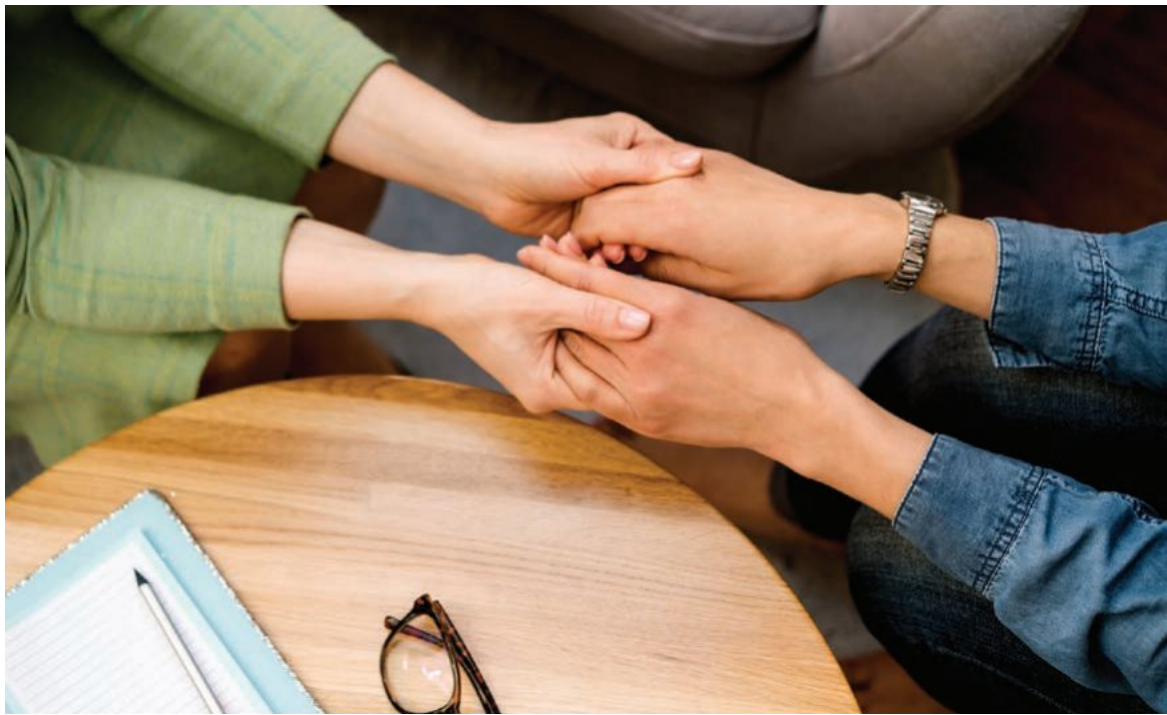
Mental health support workers work with people who have mental disorders, as well as their carers, families and friends. Their role differs from counselling or specific treatment provision, instead offering more general support that is guided by other mental health practitioners such as psychiatrists.
Note
Mental health support workers form an integral part of a comprehensive support and recovery plan. While they don't provide counselling or specific treatments, they offer essential everyday support that helps clients maintain progress and connect with their community.
Their role involves providing everyday support and helping clients:
- Develop individual recovery plans
- Review their recovery plans
- Monitor their own progress
- Meet their goals
- Manage their daily activities
- Connect with their local community
- Obtain health and social services
Mental health support workers work with outreach programmes and mental health groups as well as individuals. They also provide referrals to health, social and community services.
Culturally responsive practices in diagnosis and management
Understanding cultural responsiveness
As Australia's cultural diversity continues to grow, mental health services must understand and respond to cultural differences within the community. Cultural beliefs about what constitutes a mental disorder or neurodiversity, and how to respond to it, affect how people seek help and whether they will choose to access services.
Important
Cultural responsiveness requires that health care services be respectful of, and relevant to, the health beliefs, health practices, culture and linguistic needs of diverse populations and communities. This includes communities whose members identify as having specific cultural or linguistic needs as a result of, for example, their place of birth, ancestry or ethnic origin, religion, preferred language or language spoken at home.
In Australia, these communities include, but are not limited to:
- Aboriginal and Torres Strait Islander peoples
- People from culturally and linguistically diverse backgrounds
- Refugees and displaced peoples
- People with different abilities, including intellectual and cognitive disabilities
- LGBTQIA+ people
When managing and diagnosing atypical behaviours associated with developmental issues or mental disorders, mental health professionals employ culturally appropriate practices. This ensures that the health care provided is targeted to individuals, empowering them to manage their own mental health, irrespective of their social or cultural group.
Important
Evidence demonstrates that when there is a lack of cultural responsiveness, wellbeing outcomes tend to be much poorer. In 2020, Victorian Transcultural Mental Health (VTMH), the leading transcultural and intersectional mental health service for Victoria, created a set of cultural responsiveness principles and practices to guide the provision of mental health care in Victoria.
Cross-cultural perspectives
This principle emphasises the importance of mental health professionals recognising that what constitutes a mental disorder, and its key characteristics such as distress, are not universal. Furthermore, social groups and cultural contexts can influence whether and how someone will seek help.
Culturally responsive practices that accommodate varied perspectives include:
- Listening to communities and their concerns
- Acknowledging differences and injustices that may affect mental health
- Finding broad agreement on issues and identifying collective priorities
- Pursuing universal goals, such as zero deaths from suicide, which should include targeted strategies and programmes tailored to specific communities
Cultural safety
The principle of cultural safety involves acknowledging that there is often a power dynamic in mental health service systems that favours the professionals involved, rather than the patients, who have less power. This is especially true for people from culturally diverse backgrounds, including Aboriginal and Torres Strait Islander peoples, refugees and displaced people.
Mental health professionals can use a range of culturally responsive practices to help meet diverse clients' needs, including:
- Avoiding imposing their own cultural values on others
- Encouraging patients to communicate, ensuring that they listen and treat them with respect
- Allowing trusted family or friends to be involved or informed about a patient's diagnosis or treatment plan
- Acknowledging and accommodating the fact that a client or patient has little power when accessing mental health services, particularly if they are admitted against their will for their own safety, and that this can be a source of lasting harm and distress
Cultural humility
Having cultural humility involves the willingness and ability to listen to and learn from people's lived experiences. Mental health care must move beyond concepts of cultural sensitivity and cultural competence towards understanding power imbalances and institutional discrimination as they apply to health care.
Mental health professionals who practise cultural humility will:
- Make a lifelong commitment to self-reflection and self-critique
- Recognise and challenge the power imbalances in client/patient and professional relationships
- Develop partnerships with communities that are mutually beneficial and not overly protective
Cultural responsiveness and recovery
This principle recognises that culture shapes the expression of mental health problems, how they are experienced, preferred modes of coping, pathways to care and the effectiveness of treatment and prevention, as well as the processes of resilience and recovery.
Culturally responsive recovery-based practices can include:
- Respect for the health beliefs, practices, culture, language and faith of diverse populations
- The provision of services that are accessible, approachable, acceptable, accommodating, affordable and appropriate
- Finding ways to work with people in the context of their lives rather than expecting them to fit into predetermined treatment models
Summary
Key Points to Remember:
-
Psychologists and psychiatrists have distinct but complementary roles: Psychologists complete six years of training and focus on thoughts and emotions through counselling and psychotherapy, whilst psychiatrists complete 12 years including medical training and can prescribe medications and perform medical procedures.
-
Multiple organisations provide free mental health support: SANE Australia, Beyond Blue, headspace, Autism Spectrum Australia and ADHD Australia offer accessible services for individuals and families affected by mental disorders and developmental issues, particularly valuable for those who cannot afford private care or live in remote areas.
-
Mental health support workers provide essential everyday support: They help clients develop and review recovery plans, monitor progress, manage daily activities and connect with community services, working under the guidance of other mental health practitioners.
-
Cultural responsiveness is essential in diverse communities: Health care services must respect and respond to the varied health beliefs, practices, cultural backgrounds and linguistic needs of different populations to ensure effective support and better wellbeing outcomes.
-
Four key principles guide culturally responsive mental health care: Cross-cultural perspectives recognise that mental disorder concepts vary across cultures; cultural safety addresses power imbalances; cultural humility involves ongoing self-reflection and learning from lived experiences; and cultural responsiveness in recovery acknowledges that culture shapes how mental health problems are expressed, experienced and treated.