Case Study: Antarctica - Fishing and Whaling (AQA A-Level Geography): Revision Notes
📚Revision Notes
Case Study: Antarctica - Fishing and Whaling
Introduction to Antarctic marine resources
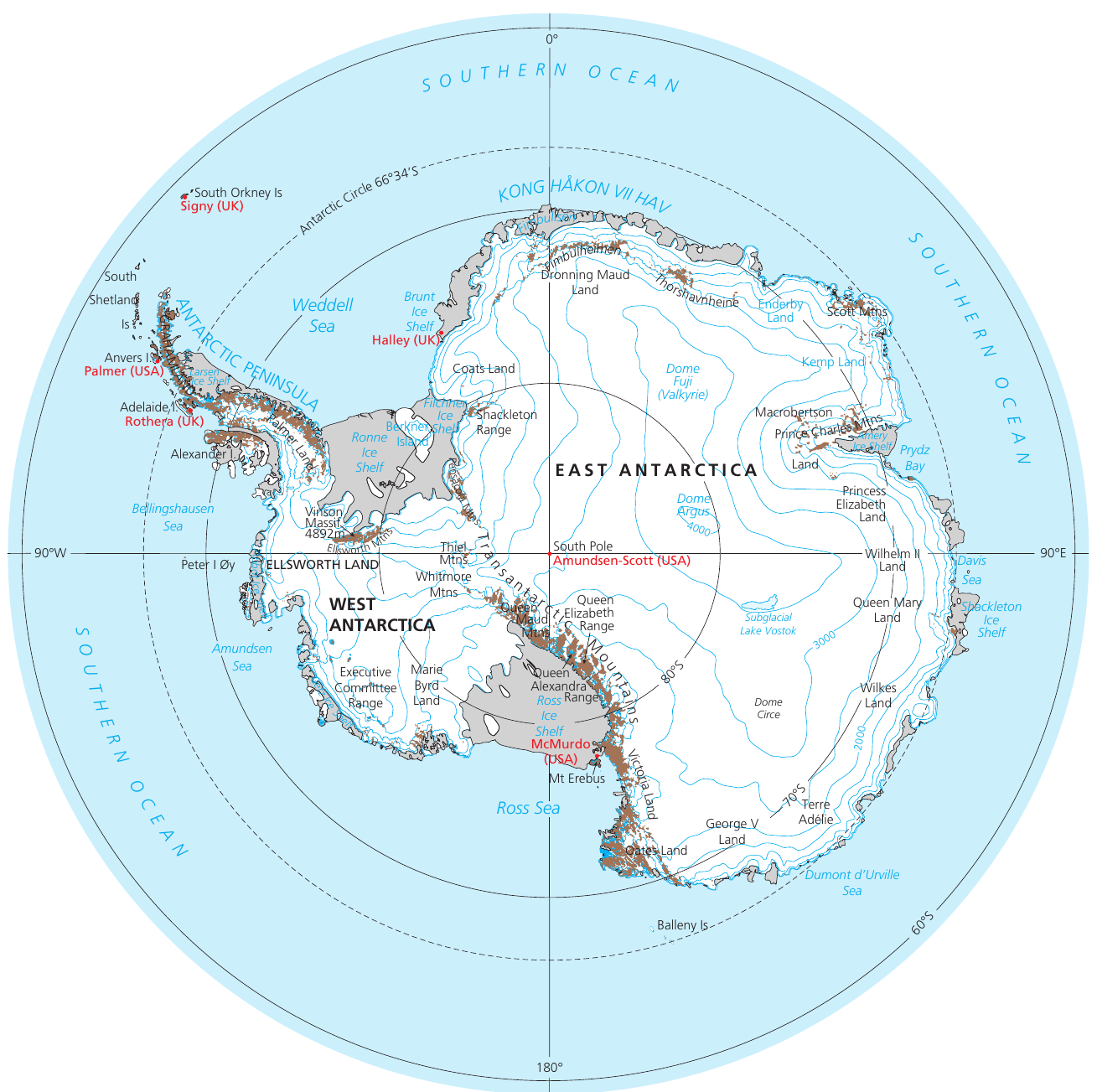
Antarctica's surrounding ocean waters are exceptionally nutrient-rich, supporting abundant marine ecosystems. The nutrient content is enhanced by upwelling, where cooler water rises from ocean depths, bringing vital nutrients to the surface. This process supports phytoplankton growth - microscopic algae that form the foundation of the marine food web. These productive waters have historically attracted commercial exploitation, making them feeding grounds for some of the world's largest whale species.
Note
The Southern Ocean's high productivity is directly linked to the upwelling process, which continuously delivers nutrients from the deep ocean to surface waters where photosynthesis can occur.
The history of whaling in Antarctica
Early development of the whaling industry
Whaling operations began during the nineteenth century as a commercial enterprise. Initially concentrated in the North Atlantic Ocean, whale populations in this region experienced severe decline due to intensive hunting. As Atlantic whale numbers fell, whaling companies redirected their operations southward to the Southern Ocean surrounding Antarctica, where whale populations remained abundant.
The industry established permanent bases to support operations. Whaling stations were built on South Georgia and the South Shetlands, serving as processing centres and logistical hubs for whaling fleets operating in Antarctic waters.
Commercial products and profitability
The whaling industry generated substantial economic returns through various products:
Note
Whale Products:
The diversity of products extracted from whales made the industry highly profitable during its peak period:
- Whale oil - used for lighting and lubrication in pre-petroleum era
- Whalebone - flexible material used in manufacturing corsets, umbrellas, and other goods
- Meat extract - concentrated protein product for food
- Frozen whale meat - particularly valuable in Asian markets during later periods
This diverse product range made whaling highly profitable during its peak operational period.
Decline of whale populations
By the 1960s, the industry faced a critical turning point. Whale populations had crashed dramatically due to intensive hunting pressure over decades. Commercial whaling operations had reduced population numbers by over 90 per cent, pushing many species toward endangerment. At this point, whaling was no longer economically viable because insufficient whales remained to sustain commercial operations.
Important
Endangered Species Crisis
By the 1960s, multiple whale species had become endangered due to commercial whaling, with population reductions exceeding 90 per cent from historical levels. This represented one of the most severe cases of marine species exploitation in modern history.
International protection measures
The International Whaling Commission (IWC) responded to the population crisis by implementing a ban on commercial whaling in 1986. This moratorium aimed to allow whale populations time to recover from decades of exploitation.
However, protection remains incomplete. Current threats persist from several nations, particularly Japan, which has maintained its interest in resuming whaling activities. Other pro-whaling nations include Norway and Iceland, both of which are IWC members. These countries continue lobbying efforts to overturn or modify the commercial whaling restrictions, creating ongoing international tensions regarding Southern Ocean whaling.
Note
Despite the 1986 moratorium, some nations have continued whaling under the guise of "scientific research," though this practice has been widely criticized by conservation organizations and many IWC member states.
Fishing activities in Antarctic waters
The transition from whaling to fishing
As whaling declined in the 1960s, fishing operations expanded to replace it as the primary form of marine resource exploitation in Antarctic waters. Russian vessels were among the first to systematically exploit the Southern Ocean for various fish species, including the commercially valuable Antarctic toothfish.
Concerns have been raised regarding the quantities of fish being harvested, particularly by Russian and Japanese fishing fleets targeting krill populations.
Antarctic toothfish fishery
The Antarctic toothfish has become a major commercial target species. This fish is caught in significant quantities, raising concerns about sustainable harvest levels and potential stock depletion. The toothfish is marketed internationally as "Chilean sea bass," commanding premium prices in restaurants worldwide.
Krill fishing and its significance
Important
What are Krill?
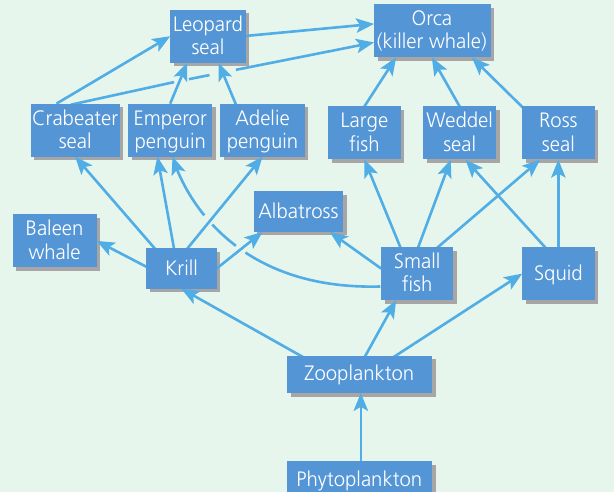
Krill are tiny shrimp-like crustaceans that swim in massive concentrations and represent a fundamental component of the entire Antarctic food web. Their abundance and nutritional value make them the single most important species in the Southern Ocean ecosystem.
Krill's role in the ecosystem
The Antarctic marine ecosystem demonstrates almost complete dependence on krill as a food source. Virtually everything in the Antarctic region relies on krill for survival. Species dependent on krill include:
- Seabirds - various species including albatrosses and petrels
- Penguins - Emperor and Adélie penguins consume vast quantities
- Seals - Crabeater, Weddell, Ross, and Leopard seals
- Whales - particularly Baleen whales such as Blue and Humpback whales
- Fish species - including the commercially valuable Antarctic toothfish
This dependency means that any significant reduction in krill populations would have cascading effects throughout the entire ecosystem.
Commercial exploitation of krill
Krill harvesting serves two primary commercial purposes that have driven the dramatic expansion of fishing operations in recent decades.
Aquaculture feed: Commercial operations process krill into feed for farmed fish, supporting global aquaculture industries. As fish farming has expanded worldwide, demand for protein-rich krill meal has increased substantially.
Nutritional supplements: Krill oil has emerged as a valuable health product worldwide due to its exceptional omega-3 fatty acid content. The oil is marketed for preventing hypertension, strokes and depression. Retail prices reflect this premium market position - cartons containing 100 capsules of red krill oil can command prices as high as £40 in health food outlets.
Note
Krill Oil Market Value
The nutritional supplement industry has created enormous demand for krill oil because it contains higher concentrations of omega-3 fatty acids compared to traditional fish oil supplements. This premium positioning has made krill fishing increasingly profitable, driving expansion of fishing operations.
The recent surge in demand for krill oil products has driven a dramatic expansion in krill fishing activities. This increase directly correlates with long-term reductions in krill biomass in Antarctic waters.
Environmental threats from fishing activities
Commercial fishing poses a significant threat to both the Southern Ocean and Antarctica's terrestrial ecosystems. Several interconnected concerns have emerged regarding current fishing practices that threaten the long-term sustainability of Antarctic marine environments.
Overfishing and stock depletion
The risk of overfishing target species remains high. Excessive harvesting can deplete fish stocks below sustainable levels, preventing population recovery. For krill specifically, unsustainable fishing practices threaten to trigger a population crash, which would have catastrophic consequences across the Antarctic ecosystem given the species' foundational role in food webs.
Note
Sustainable Fishing Thresholds
Marine biologists have difficulty determining safe harvest levels for krill because their population naturally fluctuates in response to environmental conditions. Climate change further complicates these assessments, making it challenging to establish fishing quotas that ensure long-term population stability.
By-catch problems
Important
What is By-catch?
By-catch refers to the unintentional capture of non-target species during fishing operations targeting specific species. This represents a major conservation concern as it kills marine life that has no commercial value.
Commercial fishing vessels often catch and kill species they are not specifically targeting. This collateral damage affects various marine species including seabirds, seals, and non-commercial fish, reducing biodiversity in Antarctic waters.
Marine habitat destruction
Fishing operations damage marine environments through multiple pathways that collectively threaten the integrity of Antarctic marine ecosystems:
- Fishing gear impacts - Nets and trawling equipment physically damage seafloor habitats and can become lost, continuing to trap marine life indefinitely
- Waste disposal - Ships dump various types of waste into the ocean, including discarded plastic materials that contaminate the marine environment and enter the food chain
- Lost or discarded fishing nets - These "ghost nets" continue capturing and killing marine life for extended periods, causing ongoing ecological damage long after fishing operations have concluded
Note
Ghost nets are particularly problematic because modern synthetic fishing nets can persist in the ocean for decades or even centuries, continuously trapping and killing marine animals throughout their lifespan.
Marine species may be killed either through direct capture by fishing operations or by becoming ensnared in lost fishing equipment and hooks.
Ecosystem collapse risk
Because virtually all Antarctic species depend on krill as a primary food source, the potential for ecosystem-wide collapse exists. A significant decline in krill populations would eliminate the food base supporting the entire marine community, affecting species at all trophic levels from small fish to great whales. This cascading effect would represent an environmental catastrophe with consequences extending beyond Antarctica to global marine systems.
Important
Food Web Dependencies
The Antarctic ecosystem's extreme dependence on a single species (krill) makes it particularly vulnerable to disruption. Unlike more diverse ecosystems where species have multiple food sources, the Antarctic food web's reliance on krill means that krill population declines directly threaten every other species in the region.
Summary
Summary
Key Points to Remember:
-
Historical whaling impact: Whaling during the nineteenth and twentieth centuries reduced Antarctic whale populations by over 90 per cent, leading to the 1986 International Whaling Commission moratorium on commercial whaling.
-
Ongoing conservation challenges: Despite protection measures, Japan, Norway and Iceland continue lobbying to resume commercial whaling, creating persistent threats to whale recovery.
-
Krill's central role: Krill form the foundation of the Antarctic food web, supporting virtually every other species including seabirds, penguins, seals, whales and fish. Their ecological importance cannot be overstated.
-
Expanding commercial pressure: Commercial krill fishing has intensified dramatically due to demand for aquaculture feed and krill oil health supplements, threatening ecosystem stability and potentially triggering population collapse.
-
Multiple environmental threats: Fishing activities pose interconnected environmental threats including overfishing of target species, by-catch of non-target species, and marine habitat destruction through gear damage and waste dumping. These factors combine to create the potential for catastrophic ecosystem collapse if krill populations crash.