Ethical and Environmental Concerns Drive Localism and Awareness of Consumer Impacts (Edexcel A-Level Geography): Revision Notes
📚Revision Notes
Ethical and Environmental Concerns Drive Localism and Awareness of Consumer Impacts
Globalisation is Associated With A Range of Environmentals Stresses
🔗 It inevitably puts pressure on natural resources
-
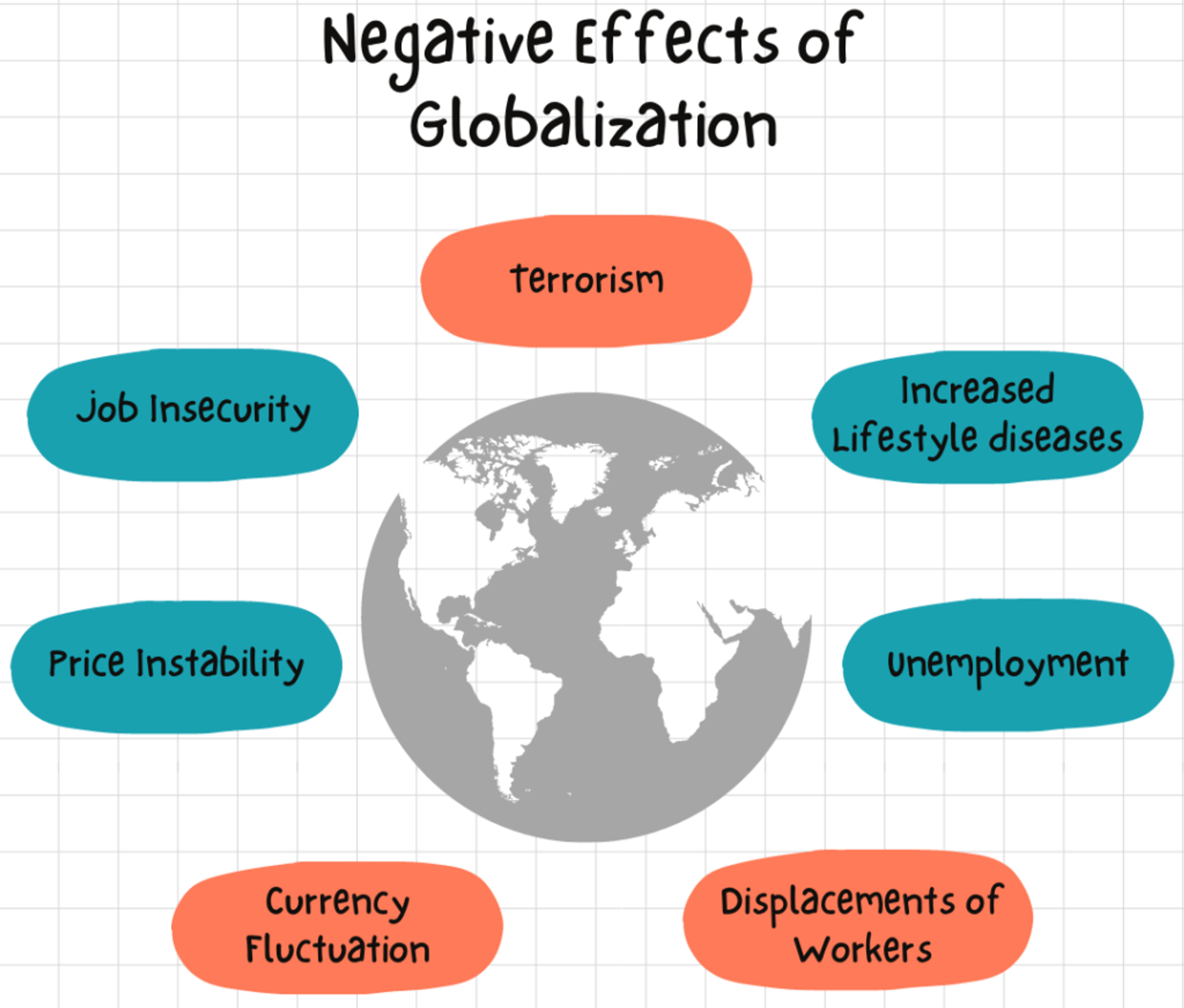
**Positive and Negative Effects of Globalization***
Links Between Globalisation and Rising Environmental Insecurity
| Insecurity | Causes and Symptoms |
|---|---|
| Food | ● By 2050, food demand is likely to double worldwide ● Rising middle class • diet characterised by consumption of meat & dairy which has a large ecological footprint |
| Water | ● Food production also depletes water supplies ● Pastoral and agriculture is very water intensive ● Will increase with population growth |
| Energy | ● 50% ↑ in global energy use is predicted by 2035 ● Increased use of fossil fuels is inevitable |
| Climate | ● Manufactured items w/ large production networks ● Energy hungry items such as TVs ● Throwaway society (pens, clothing etc) |
Localism
The response to globalisation with the aim of increasing local sustainability → Meeting the needs of the present without compromising the ability of future generations to meet their own needs
- Economic Sustainability - 🔗 Individuals and communities should have access to a reliable income over time
- Social Sustainability 🔗 All individuals should enjoy a reasonable QOL
- Environmental Sustainability 🔗No lasting damage should be done to the environment Benefits and Costs of Localism
| Benefits | Costs |
|---|---|
| ● Saves energy use (especially in transport) ● Reduces size of eco-footprint ● Encourages eco-friendly farming ● Provides alternatives for local people ● Improves social and cultural cooperation ● Supports local suppliers and businesses ● Keeps money within the local area ● Self-sufficient | ● Emissions from long-distance transport are often offset by more efficient production methods ● Local products may be of lower quality than available elsewhere ● Limited choice for local consumers ● Shortages of products at certain times due to local production cycles ● Local market may be unreliable so local business not sustained ● Prices of local products may be higher ● Reduces opportunities outside of the area |
Fairtrade and Ethical Consumption
↳ May reduce inequalities and environmental degradation and improve working conditions
Evaluation of Ethical Consumption Schemes
| Actions | Evaluation | |
|---|---|---|
| Fair Trade | ● Certification shows products have been produced by small-scale farms or businesses ● Produces receive a minimum fair price by operating as cooperatives and selling directly to the processing point or retailer ● Worker's rights are protected and no slave or child labout is used ● A Fairtrade premium is invested in local communities through improvements in healthcare, education etc | ● Lets shoppers know what they spend will find its way to the pockets of those in need But ● As the schemes grow it is harder to regulate ● Beginning to be forgotten about ● It is not possible for all the world farmers to join the scheme |
| Supply chain monitoring | ● Larger companies are accepting the need for corporate social responsibility ● Due to the large supply chains, they recognise that they need to try and keep a handle on them | ● Many large TNCs are making a big effort to reduce the amount of worker exploitation among other illegal actions in their factories But ● It is very hard for TNCs to control the actions of their suppliers |
| NGO monitoring | ● Involves charities flying workers over to the corporate meetings and allowing them to express their opinions ○ 📝 Eg. tesco meeting • no ladies toilet ∴ Tesco threatened to change supplier if conditions did not improve | ● Helps to raise awareness of many ethical issues ● The NGOs are not bias But ● NGOs have limited financial resources |
What is Ethical Consumption
Consumers can try to choose products and services that meet high ethical and environmental standards at the point of production. Such as:
- Safe working conditions
- Zero/limited pollution
- Sustainable farming
- Sustainable use of resources
- Sustainable forestry
- Animal welfare Consumers even have the power to stop using products and services that are known to go against the standards mentioned above.
Recycling and Resource Consumption
Local authorities play a key role in reducing waste and ecological footprints through recycling
↳ But the need for recycling could potentially be eradicated in the future through use of substitute materials such as graphene
-
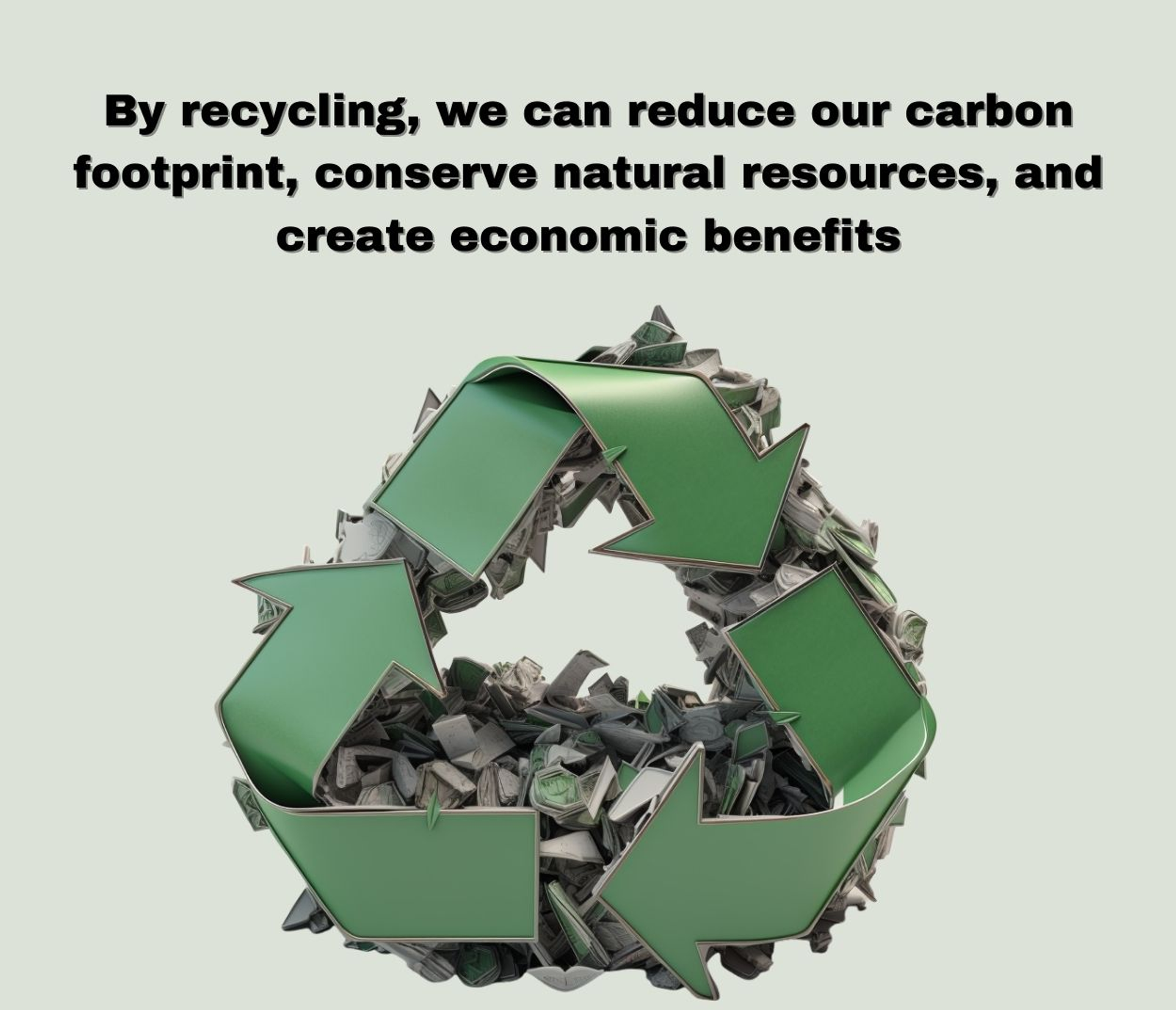
**The Green Circle***
| Benefits | Costs |
|---|---|
| ● ↓ Amount of waste going into landfill ● Provides raw materials for production and consumption, ∴ ↓ need for new materials ● Makes the earth's resources last longer ● ↓ industry energy use, as some recycled materials use less energy in processing than the original raw materials ● ↓ Greenhouse gas emissions due to lower energy use ● ↓ Deforestation ● Creates new industries & ∴ jobs • helps to replace those lost due to deindustrialisation | ● Zero waste is not possible as some wastes cannot be easily/not at all recycled ● Some recycling technologies are more expensive than extracting and using original raw materials ● Developing countries cannot afford this ● Recycling principles need to be expanded 📝 • eg. grey water ● Urbanisation & ↑ incomes has ↑ amount of waste created ● Lifespan of electronic goods & recycling of their components needs to be improved ● Large variations in willingness and ability to recycle between countries ∴ difficult to achieve global agreement ● Recycling itself is very energy intensive |