Geopolitical power stems from a range of human and physical characteristics of superpowers (Edexcel A-Level Geography): Revision Notes
📚Revision Notes
Geopolitical power stems from a range of human and physical characteristics of superpowers
Superpower → A nation with the ability to project its influence anywhere in the world & be a dominant global force. Has a leading position in international politics
↳ Used to describe the 3 dominant powers in 1940s: USA, USSR & British Empire
↳ Sometimes referred to as a hyperpower: An unchallenged superpower that is dominant in all aspects of power [Political, Economic, Cultural & Military = Pillars of Power]
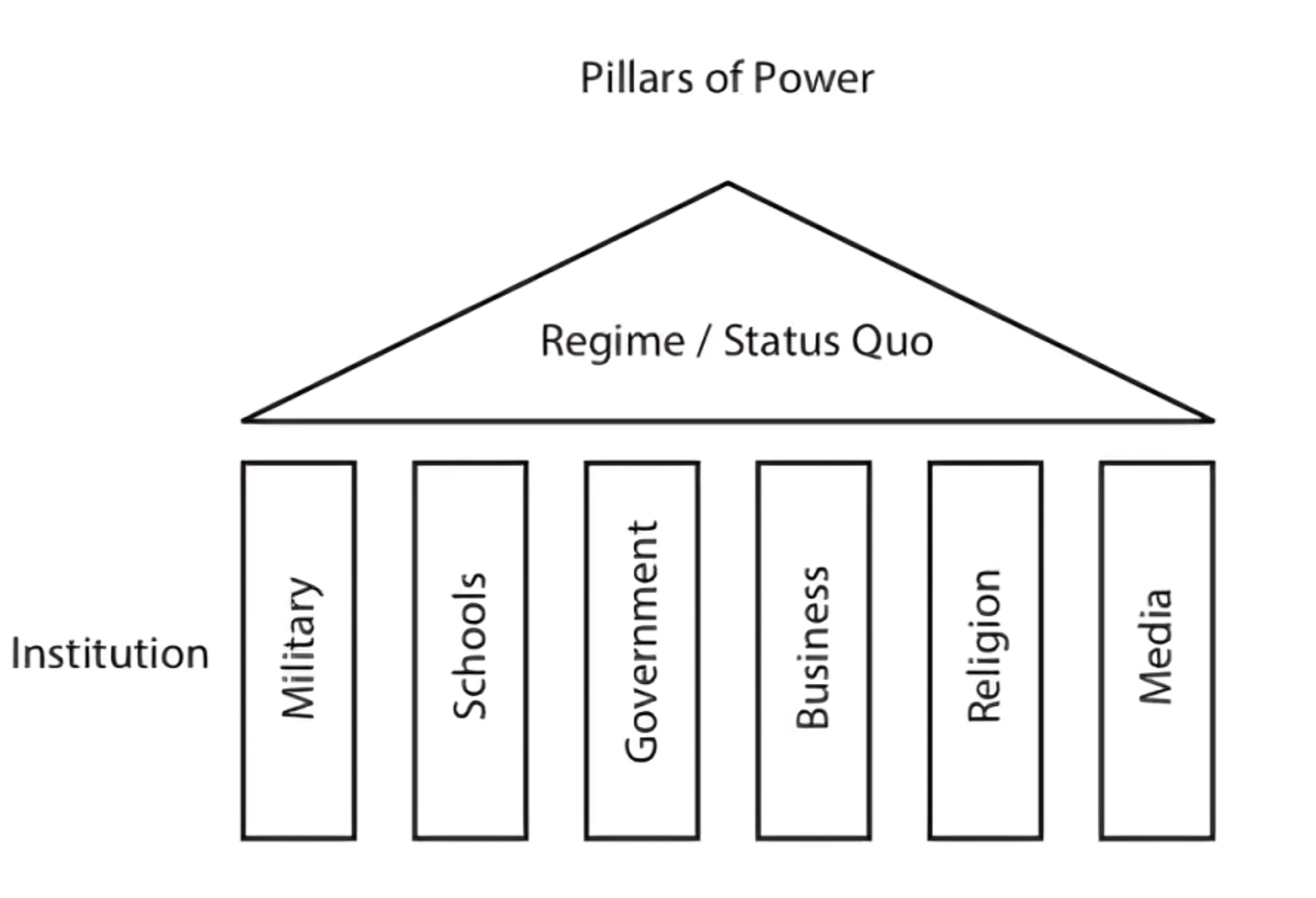
Pillars of Power
- Economic → Large & powerful = national wealth - helps to build & maintain military & develop human resources
- High GDP & levels of trade, home to many TNCs, Hard currency held in reserve by other countries
- High GDP & levels of trade, home to many TNCs, Hard currency held in reserve by other countries
Pillars of Power
- Military Power → Used in 2 ways: Threat (bargaining chip) & military force (used to achieve geopolitical goals). Ways to reach distant places:
- Blue Water → One which can deploy into the open ocean. Smaller nations = green water navy design to control littoral waters
- Drones, missiles and satellite technology
- High expenditure, could command global military control, unparalleled intelligence networks, exporter of military technology
- Political Power → Ability to influence people through diplomacy
- Permanent seat on UN security council w/ powerful allies, many multilateral agreements
- Cultural Power → How appealing a nation's values and ideology - often exercised through arts, foods etc
- Ideology: A set of beliefs, values & opinions held by many people in society. Superpowers often project their ideologies on others
- Long-standing traditions and large cultural history/way of life voluntarily enjoyed by many worldwide
- Demographic - Significant % of global population, attracts skilled migrants & other workers
- Resources → Physical & human resources
- Able to export and control the supply of valuable commodities, multiple resources reduce dependence, occupying a world location that enables it to command influence
Key Concept → Hard vs Soft Power
Power → The capacity or ability to direct or influence the behaviour of others or the course of events
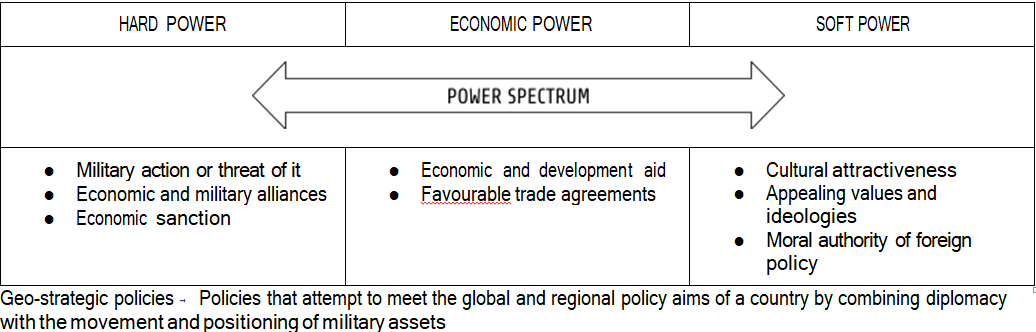
- Soft Power - Persuasion (some countries make policies attractive & appealing)
- Culture, history and diplomacy
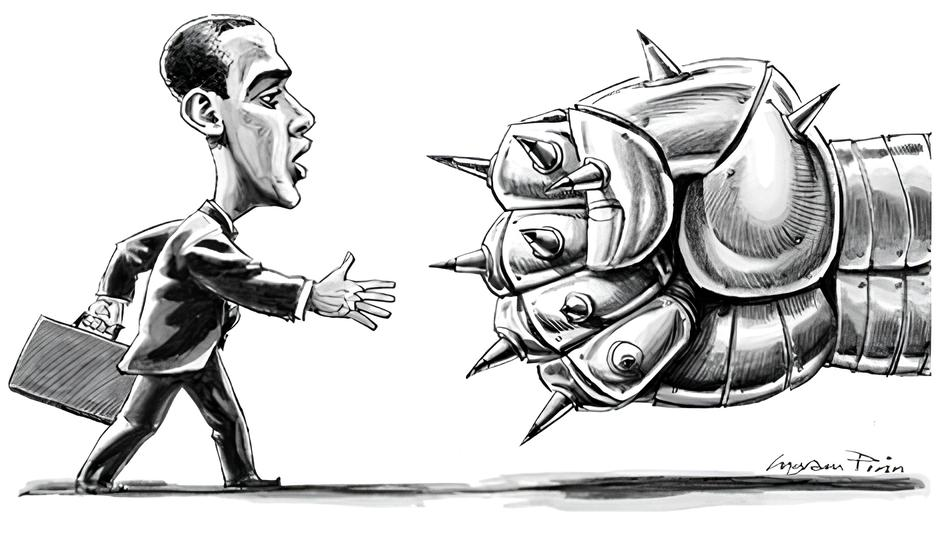
- Hard Power → Using force or economy (economic sanctions)
- Invasions, war, coercion & conflict - don't often go as planned
- Invasions, war, coercion & conflict - don't often go as planned
Hard vs Soft Power
- Examples of hard power that still exists
- In 1991 and 2003, USA invaded Iraq partly to secure oil supplies
- Russia invaded Georgia in 2008 and Ukraine/Crimea in 2014, claiming to be protecting ethnic Russians
- Sharp Power → Power of manipulation (common in China and Russia)
Spectrum of Power
The Heartland Theory → Very Influential - Contributes to Policies of Containment
- States that the world island of Europe, Asia and Africa contain most of the world's natural resources
- Heartland - an area of central Asia, bordered by the Himalayas, Russian steppes and Arctic (very hard to invade due to physical barriers). Known as a power base, allowing control of the world island
- Believed if 1 nation controlled the heartland, it would become globally dominant as it would control 50% of the world's resources
- Influence of the Theory
- Persuades the USA, UK and other European countries that Russia needed to be contained
- Reinforced the idea that control of physical resources (land, mineral wealth) was important
- He believed other countries should work together the balance the heartland power and make sure it did not become too dominant
- Containment
- Idea that emerging powers after WW1 should be contained
- In the 21st Century, these ideas seemed outdated
- Modern military technology can hit deep inside country territory - size no longer protects
- Threat of cyber warfare
- Physical resources are traded internationally, less need to have them domestically
- War & conflict seen as abnormal, but previously they were seen as a way to gain power