Devolution in England. (Edexcel A-Level Politics): Revision Notes
📚Revision Notes
8.3.1 Devolution in England.
The Impact of Devolution on the United Kingdom
Key Term: Devolution
Note
- Definition: The transfer of powers to subnational assemblies from the central government. These powers are said to be devolved, rather than given away, since the central government retains sovereignty and, in theory, could reclaim them.
1997 General Election and Devolution
- Labour's Commitment: Labour promised referendums for Wales and Scotland on whether they wanted powers to be devolved to separate parliaments.
- Scotland: Historically had its own parliament until the Act of Union in 1707. In the referendum, Scotland voted decisively in favour of restoring a Scottish Parliament.
- Wales: Had a less pronounced sense of its own identity compared to Scotland, resulting in a narrow vote in favour of a Welsh Assembly.
Referendum Results
- Scotland:
- Yes to devolution: 74.3%
- No to devolution: 25.7%
- Turnout: 60.1%
- Wales:
- Yes to devolution: 50.3%
- No to devolution: 49.7%
- Turnout: 50.2%
Tony Blair's Perspective on Devolution
- Objective: Devolution was a key part of New Labour's constitutional modernisation, aiming to bring decision-making closer to the people and strengthen the United Kingdom by addressing nationalist demands for greater self-determination.
- Slogan: "Let Scotland and Wales do what they do best locally. Let the UK do what it is best at globally."
Issues with Devolution
- Scottish National Party (SNP): Replaced Labour as the dominant force in the Scottish Parliament and used its mandate to press for an independence referendum in 2014.
- Asymmetry: Devolution has led to an uneven distribution of political power within the UK, with Scotland having more autonomy than Wales or Northern Ireland, and no devolved powers for England, resulting in an imbalance.
Should Devolution be Extended to England and the Regions?
Arguments in Favour of English Devolution
- Asymmetry: Devolution to Scotland, Wales, and Northern Ireland has created a situation where England lacks similar regional governance, leading to claims of an unfair constitutional arrangement.
- Regional Identity: England's significant regional identities (e.g., Cornwall, Yorkshire) might benefit from devolved powers and regional assemblies.
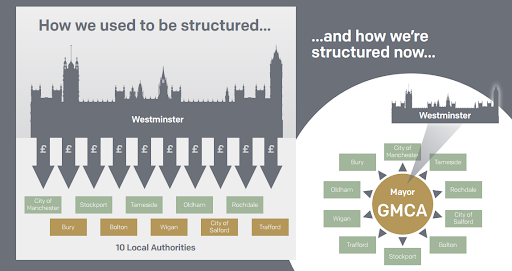
- Success Stories: Examples include Cornwall's devolved powers since 2015 and successful mayoral initiatives like Andy Burnham's transport integration in Manchester and Boris Johnson's environmental measures in London.
- Barnett Formula: Devolution could help address disparities in public funding per capita, potentially increasing spending in deprived areas.
- Local Governance: Devolved powers could alleviate the issue of over-centralization and provide tailored solutions for local needs.
Arguments Against English Devolution
- Lack of Demand: Limited significant public demand for further devolution, with current asymmetry deemed acceptable by some.
- English Votes for English Laws (EVEL): Provides a partial solution to the imbalance.
- Potential Disruption: An English Parliament might undermine Westminster's authority and disrupt representation.
- Regional Identity: England lacks the strong regional identities seen in Scotland or Wales, with low turnout in past regional devolution votes (e.g., 2004 North-east England vote).
- Fragmentation: Devolution could lead to fragmented and inconsistent legislation (e.g., local policies on issues like drug decriminalisation).
- Voter Fatigue: Low turnout in local elections could lead to voter confusion and reduced political engagement.
Evaluation
Paragraph 1
- Legal Challenges: The case of R(Miller) v Secretary of State for exiting the EU highlighted issues with devolution, such as the bypassing of the Sewel Convention, which requires Westminster to consult devolved bodies when changing devolved policies.
- Brexit Referendum: Demonstrates democratic legitimacy, with the UK Parliament reflecting the outcome of a 52-48 referendum result.
Paragraph 2
- Internal Markets: The free movement of goods within the UK prevents devolved bodies from setting their own trading standards, potentially undermining devolution and the Sewel Convention.
- Evaluation: No significant evidence that further devolution is necessary based on the benefits of a unified internal market.
Paragraph 3
- Local Governance: Low turnout in mayoral elections and voter fatigue suggest some drawbacks to further devolution.
- Evaluation: Despite these concerns, further devolution could address funding disparities (e.g., Barnett Formula) and offer benefits such as improved local governance and successful regional initiatives.