Ways of Maintaining Biodiversity (OCR A-Level Biology A): Revision Notes
📚Revision Notes
Ways of Maintaining Biodiversity
Introduction to conservation
Conservation means protecting and maintaining ecosystems and species. The most effective approach is to maintain flourishing populations in their natural habitats. When numbers decline to the point where wild survival is threatened, plants and animals may need to be removed to botanic gardens or zoos.
Conservation efforts often focus on individual species or groups of species. High-profile programmes typically centre on flagship species - usually charismatic mammals such as giant pandas and whales. However, threatened ecosystems like tropical rainforests are equally important conservation targets, along with many less well-known ecosystems.
Note
The choice between in situ (on-site) and ex situ (off-site) conservation depends on the severity of threats facing the species. While maintaining populations in their natural habitats is always preferable, sometimes removal to protected facilities becomes the only viable option for species survival.
In situ conservation
What is in situ conservation?
In situ conservation is the protection and maintenance of an area so that species can continue to live in their original habitat. The Latin phrase in situ means 'in their original place'.
In situ conservation should always be the preferred option for conserving species. This is because:
- Species have access to all the resources they need in their adapted environment
- Species continue to evolve naturally in response to environmental changes
- Animals are more likely to breed successfully in their natural environment
- All life-support systems are naturally provided
Important
Key Limitations of In Situ Conservation
While in situ conservation is preferred, it has important limitations to consider:
- Animals and plants kept elsewhere must adapt to artificial environments, which they may not always manage successfully
- Captive organisms are protected from environmental changes and kept in relatively unchanging conditions, which may affect their future survival if returned to the wild
- Larger species confined to smaller spaces may adapt to captivity rather than wild conditions, making reintroduction difficult
- Small populations may be vulnerable to poaching, making in situ conservation more risky
Internationally designated areas
Some areas receive international designation by organizations such as UNESCO (United Nations Educational, Scientific and Cultural Organization).
Biosphere reserves are areas recognized under UNESCO's Man and the Biosphere programme to promote sustainable development based on local communities and sound science. The UK currently has biosphere reserves, including the Dyfi biosphere reserve in Wales and the north Norfolk coast.
World Heritage Sites are identified by UNESCO as important physical or cultural sites. There are World Heritage Sites in the UK, including St Kilda off the northwest coast of Scotland, where breeding sites for seabirds are protected.
Nationally protected areas
The UK has three types of nationally protected area:
- National parks – in England, Scotland and Wales
- Areas of Outstanding Natural Beauty (AONBs) – in England, Northern Ireland and Wales
- National Scenic Areas – in Scotland
National parks are areas of countryside that include villages and towns. A national park authority manages each one, with powers including planning controls. For example, the Dark Peak moorland in the Peak District National Park represents the nearest thing to wilderness in England.
National nature reserves
Nature reserves are areas that protect sensitive ecosystems and provide 'outdoor laboratories' for research. They are managed by national bodies such as Natural England, with management focused on maintaining conditions for the UK's rarest animals and plants.
Note
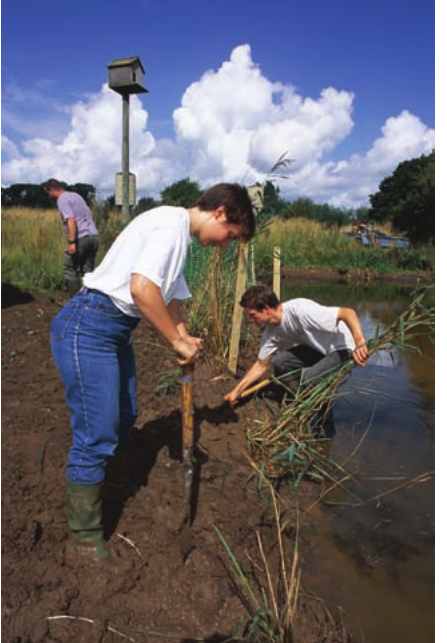
Wicken Fen National Nature Reserve in Cambridgeshire provides habitat for one of Europe's rarest birds – the bittern, Botaurus stellaris. This demonstrates how targeted habitat management can support critically endangered species.
Local nature reserves
Local nature reserves are controlled by local authorities through ownership, lease, or agreement with landowners. The main aim is to care for the natural features that make each site special. Many are managed by county wildlife trusts.
For example, Pagham Harbour in West Sussex is a local nature reserve providing important habitat for migrating birds.
Marine Conservation Zones
The Marine and Coastal Access Act 2009 established Marine Conservation Zones to protect UK seas. Currently, there are Marine Conservation Zones covering approximately . These zones protect habitats and species representative of marine biodiversity.
The seas around Lundy Island in the Bristol Channel became the first Marine Conservation Zone in January . Similar schemes in Wales and Scotland contribute to a UK-wide network of marine protected areas. Management involves reducing negative impacts from fishing, pollution, and other factors.
Note
The Success of No-Take Zones
No-take zones in other areas of the world have demonstrated that almost lifeless seabed areas can be recolonized to support diverse communities within a short time. Many countries are establishing reserves, recognizing the potential for ecotourism and sustainable commercial fisheries. For instance, Palau's president proposed banning all commercial fishing to create one of the world's largest marine reserves covering an area roughly the size of France.
Sites of Special Scientific Interest (SSSI)
SSSIs provide legal protection to the best sites for wildlife and geology. Protection is such that landowners cannot change the area's management without permission.
Examples include:
- Gwithian sand dunes in West Cornwall (protecting sand dune ecosystems at risk of erosion)
- Sylvan House Barn in Gloucestershire (just housing lesser horseshoe bats)
- Humber Estuary (draining a fifth of England's fresh water and hosting the largest UK breeding colony of grey seals)
Other methods of ecosystem protection
Ecosystems are also protected through ownership by bodies such as the National Trust and English Heritage. This includes human-made ecosystems like chalk downland in southern England.
Many farmers and private landowners implement conservation practices to encourage wildlife. The Environmental Stewardship Scheme provides funding to farmers and land managers in England who deliver effective environmental management. Introduced in , this scheme replaced earlier programmes. Farmers may provide wildlife habitats such as ponds, hedges, and buffer zones around crops.
Farmers participating in such schemes must:
- Ensure land is well managed and retains its traditional character
- Protect historic features and natural resources
- Conserve traditional livestock breeds and crop varieties
- Provide opportunities for people to visit and learn about the countryside
Summary of in situ conservation activities
In situ conservation involves more than simply designating protected areas. It represents an active approach to maintaining and restoring ecosystems through various interventions.
Summary
Key In Situ Conservation Activities
-
Reclaiming ecosystems that have been damaged by human activities or natural catastrophes such as volcanic eruptions, hurricanes, and flooding
-
Creating new habitats by allowing vegetation to colonize abandoned land, digging ponds, and deliberately sinking ships to provide surfaces for coral colonization. For example, rock from digging the Channel Tunnel was used to extend the coastline near Folkestone and create Samphire Hoe Country Park.
-
Maintaining habitats by using fire, grazing, or flooding to prevent the growth of plants that would change the community structure
Ex situ conservation
What is ex situ conservation?
Ex situ conservation means removal of a species to a protected place that is not its normal habitat. Botanic gardens, seed banks, zoos, gene banks, and 'frozen' zoos are examples of this form of conservation.
Ex situ conservation becomes necessary when:
- Protected areas are threatened by water development, mining, road construction, livestock grazing, poaching, logging, habitat loss, and habitat degradation
- Habitat is shrinking or fragmented
- So few specimens remain in the wild that they must be removed to safeguard their future
This form of conservation is sometimes called 'storage of germplasm'. Germplasm is any form of genetic resource, including seeds, sperm, embryos, tissue samples, or live animals and plants.
Botanic gardens
Botanic gardens play several crucial roles in maintaining biodiversity through a wide range of conservation activities.
Keeping examples of wild plants either as living specimens or seeds. Some botanic gardens specialize in plants from specific regions or taxonomic groups. The Karoo has a collection of South Africa's desert and semi-desert plants. The Bedgebury National Pinetum in Kent holds the world's most complete conifer collection in a single botanic garden.
Growing plants extinct in the wild with hopes of reintroduction. Botanists at the Royal Botanic Gardens Edinburgh believe only four plants of Rhododendron kanehirae from Taiwan exist – all in Scottish botanic gardens.
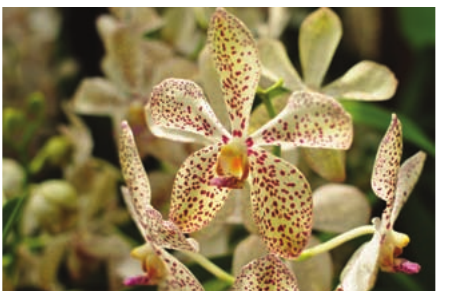
Protecting wild populations of plants collected from the wild. Growing such plants commercially provides sufficient supply for purchase, reducing the need to take rare and endangered species from the wild. The Australian Botanic Garden in New South Wales researches horticultural development of the endangered Wollemi Pine, Wollemia nobilis.
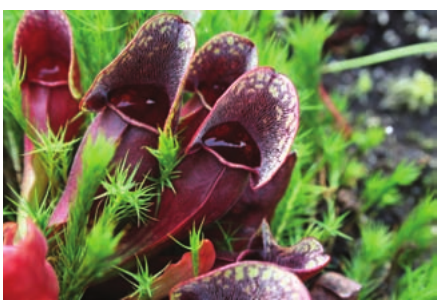
Protecting plants threatened by habitat loss. For example, Ness Botanic Garden in Liverpool acquired seeds from the few remaining plants of a rare Japanese birch species, Betula chichibuensis, and now grows about plants in large groups.
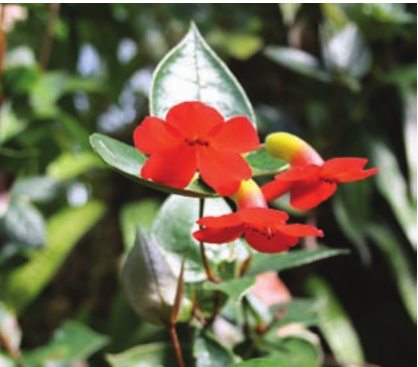
Researching reproduction and growth methods so species cultivated in botanic gardens can be grown in appropriate conditions and propagated. The Royal Botanic Garden Edinburgh has collected Vireya rhododendrons from mountain habitats in South-East Asia and grown them in research collections to understand their biology and evolution.
Researching conservation methods so plants can be introduced to new habitats if original habitats have been destroyed. This includes studying how natural communities change as new species become established, enabling appropriate reintroduction sequences over time.
Reintroducing species to habitats where they have become rare or extinct. Examples include:
- Huaruango woodlands in southern Peru restored with help from Royal Botanic Gardens, Kew
- North American prairies restored using native species
- Atlantic rainforest restoration in Brazil
- Dragon tree (Dracaena draco) replanted in Gran Canaria by the Botanic Garden in Las Palmas
Educating the public about the many roles of plants in ecosystems and their economic value.
Seed banks
Many botanic gardens maintain seed banks where seeds are stored. Seed banks are also associated with research institutes studying major crop plants.
A seed bank is a long-term store of germplasm in the form of seeds. Collections of seeds are dried and stored at temperatures near .
Seeds are:
- Collected from the wild or from crops
- Sorted, dried, and stored in very cold conditions
- Checked at regular intervals for viability
This ensures:
- A supply of plants for the future
- Storage of genetic diversity
- An important store of genes and alleles for future breeding programmes or genetic modification
- A store of plant material potentially useful for providing chemicals such as medicines
The seed banking process
Botanists conduct expeditions to collect seeds from specific areas. Professional seed-collectors work around the world. Seeds are collected from wild plants and locally adapted crops. When possible, seeds of the same species are collected from different sites to ensure stored samples contain a good proportion of the total gene pool.
Example
The Seed Banking Process: Step-by-Step
- Collection and transport of seeds to the seed bank
- Removal of seeds from fruits
- Removal of all debris from seed sample
- Cleaning and checking for damage and infestation
- Removal of all damaged and infected seeds
- X-ray analysis to check seed health
- Seed samples examined under microscope
- Details logged into Seed Information Database
- Seeds placed in drying room at and relative humidity
- Seeds checked to ensure moisture content is –
- Seeds packed in glass jars, labelled for long-term storage
- Seeds placed in store at for years or more
- Germination tests at one month, five years, and ten years
- Seeds taken out of store, germinated, and grown to produce more seeds or used in research or conservation projects
Removing water from seeds slows their metabolism, helping them remain viable for many years. With low water content, there is little danger of ice crystal damage during freezing and thawing. Collections continue when possible to replenish the bank for each species.
Major seed banks worldwide
| Seed bank | Species | Location of seed bank | Organisation |
|---|---|---|---|
| Rice seed bank | rice, Oryza sativa | Philippines | International Rice Research Institute |
| Australian PlantBank | Australian species | New South Wales, Australia | Royal Botanic Gardens, Australia |
| Wellhausen-Anderson Plant Genetic Resources Center | wheat and maize (corn) | Mexico | International Maize and Wheat Improvement Center (CIMMYT) |
| ICRISAT genebank | sorghum, pearl millet, chickpea, pigeonpea and groundnut | India | ICRISAT |
| IITA genebank | African crops, e.g. maize (corn) and legumes | Nigeria | International Institute of Tropical Agriculture (IITA) |
| Millennium Seed Bank | many and various | UK | Kew |
Testing seed viability
The only way to determine whether stored seeds remain viable is to attempt germination. Seed banks conduct germination tests at five-year intervals. When fewer than of seeds germinate successfully, plants are grown from these seeds to collect and store fresh seed.
Important
Genetic Diversity Challenge in Seed Banking
When plants are grown from stored seed samples, there is a risk of altering the originally stored genetic diversity. Small samples of seeds from rare plants present a particular problem, because even smaller samples are taken to test viability or grow plants to increase stored seed numbers. Such samples are unlikely to contain all the genetic diversity of the original sample. The only solution is to store as large and diverse a sample as possible initially.
Limitations of seed banking
Many species produce seeds that do not survive freezing and/or drying, so they cannot be stored in conventional seed banks. Many tropical crops, such as cocoa trees (Theobroma cacao), produce seeds of this type. Instead of storing seeds, other methods must be used to save their genes for the future. Some can be maintained as tissue culture, while others must be grown as mature plants in field gene banks. For cocoa, there are field gene banks in Trinidad and Costa Rica.
Zoos
Zoos have existed for thousands of years. Wealthy individuals once collected animals and kept them in menageries for private enjoyment. Modern zoos are owned and run by zoological societies or other groups, serving various functions beyond providing visitor enjoyment and interest.
Animals from very small populations have a very small gene pool for mixing genes. Inbreeding is a serious problem. Zoos address this by exchanging specimens or using artificial insemination where possible.
Roles of zoos in ex situ conservation
Modern zoos serve multiple essential conservation functions beyond simply displaying animals to the public.
Protecting endangered and vulnerable species. For example, Jersey Zoo is involved with captive breeding of tamarins from Brazil.
Participating in breeding programmes for species that breed in captivity. A good example is the cheetah breeding programme at Fota Wildlife Park in Cork, Ireland.
Researching species biology to gain better understanding of breeding habits, habitat requirements, and genetic diversity. The Zoological Society of London, like many large zoos, has a scientific research programme and is involved with many in situ conservation projects worldwide, including establishment of small marine protected areas at Danajon Bank in the Philippines.
Contributing to reintroduction schemes. The Emperor Valley Zoo in Trinidad has successfully reintroduced captive-bred blue-and-gold macaws (Ara ararauna) to the Nariva Swamp in collaboration with Cincinnati Zoo in the USA. Przewalski's horse (Equus ferus przewalskii) has been bred very successfully in many zoos and transferred to the Dzungarian Gobi Strictly Protected Area in Mongolia, where this wild horse became extinct years ago.
Educating the public about wildlife and conservation.
Genetic diversity in captive breeding
Zoos cooperate to ensure breeding programmes generate genetic diversity and prevent inbreeding – a risk when maintaining small populations. As part of many breeding programmes, animals are transported between zoos. This prevents inbreeding and promotes genetic diversity in captive animals.
Note
International cooperation between zoos is essential for maintaining healthy captive populations. By sharing animals for breeding purposes, zoos can maintain much larger effective population sizes than any single institution could achieve alone.
Gene banks and frozen storage
A gene bank is any method of conservation that keeps whole organisms, gametes, embryos, seeds, tissues, or any other part of an organism. It is not a store of DNA fragments but of whole genomes in one of these forms.
A much cheaper option than housing live animals is collecting sperm and keeping it frozen for many years in a sperm bank. When required, sperm samples are thawed and used for artificial insemination. Young animals of over different species, including rhinoceros, cheetah, and a Chinese pheasant, have been produced using sperm from sperm banks.
Eggs (oocytes) and embryos can also be stored similarly to sperm. Eggs are more difficult to freeze because they are more likely to be damaged during freezing or thawing processes. Eggs are large cells with substantial water content that tends to form damaging ice crystals affecting internal membranes. Eggs are fertilized in vitro and then frozen until a surrogate mother becomes available. This embryo transplantation technique has been used for many species, including wild ox and several African antelope species.
'Frozen zoos' now hold genetic resources from many endangered and vulnerable species in case they are ever needed. San Diego Zoo has one of the largest facilities for storing sperm, embryos, and cell cultures from endangered species. These facilities can hold much more genetic diversity than a normal zoo, and the material can be kept for a very long time.
International conservation
IUCN classification
The International Union for the Conservation of Nature (IUCN) assesses the status of many of the world's animal and plant species. The IUCN now classifies Przewalski's horse as endangered, when it used to be classified as extinct in the wild – a significant achievement for captive breeding and international cooperation.
The IUCN classification system works as follows:
All species are either assessed or not assessed. Assessed species with adequate data are classified into one of the following categories (from most to least threatened):
- Extinct (EX)
- Extinct in the wild (EW) – conserved only in captivity
- Critically endangered (CR)
- Endangered (EN)
- Vulnerable (VU)
- Near threatened (NT)
- Least concern (LC)
Species with inadequate data cannot be properly classified.
Convention on Biological Diversity
The IUCN is one of many international organizations working in conservation. Other organizations include umbrella bodies that coordinate activities of local, regional, and national conservation bodies. Some trace their origin to the UN Conference on Environment and Development (UNCED) in Rio de Janeiro, Brazil (the Earth Summit).
The Convention on Biological Diversity (CBD) was signed at the Earth Summit and ratified in . The convention has three main strands:
- Conservation of biological diversity using in situ and ex situ conservation methods
- Sustainable use of biological resources
- Fair and equitable sharing of benefits arising from genetic resources
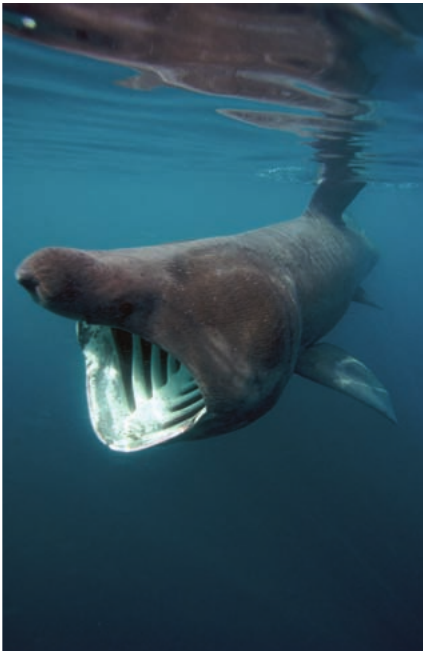
The Secretariat of the Convention on Biological Diversity (SCBD), based in Montreal, Canada, was established to oversee implementation of the convention's goals and organize international cooperation and meetings. Countries signing the convention had to develop national strategies for conservation and sustainable use of biological diversity by writing and implementing biodiversity action plans. The UK biodiversity action plan listed over species at risk, including the basking shark.
Aichi targets
At the th SCBD meeting in at Nagoya in Aichi Province, Japan, countries agreed to take action to halt alarming global biodiversity decline. The resulting Strategic Plan for Biodiversity 2011–2020 set a new conservation direction. Among its targets (known as Aichi targets) for are:
Target 5 – The rate of loss of all natural habitats, including forests, is at least halved and where feasible brought close to zero, and degradation and fragmentation is significantly reduced.
Target 6 – All fish and invertebrate stocks and aquatic plants are managed and harvested sustainably, legally, and applying ecosystem-based approaches, so that overfishing is avoided, recovery plans and measures are in place for all depleted species, fisheries have no significant adverse impacts on threatened species and vulnerable ecosystems, and the impacts of fisheries on stocks, species, and ecosystems are within safe ecological limits.
Target 12 – The extinction of known threatened species has been prevented and their conservation status, particularly of those most in decline, has been improved and sustained.
Note
As a consequence of the Nagoya meeting, the UK biodiversity action plan was replaced by the UK Post-2010 Biodiversity Framework in , and detailed plans were produced by the governments of each UK country.
Trade in wild animals and plants
The trade in animals for the pet trade and in animal materials such as ivory is enormous. So is the trade in plants taken directly from the wild rather than grown under cultivation in nurseries. Much of this trade is illegal.
In , countries signed an agreement to control trade in endangered species and their products such as furs, skins, and ivory. More countries have joined since. This agreement is the Convention on International Trade in Endangered Species of Wild Fauna and Flora (CITES).
CITES came into force in to protect animals and plants from various forms of exploitation. Trade in endangered species and products made from them is restricted in various ways. CITES considers evidence about endangered and vulnerable species and assigns them to one of three appendices. Over animal and plant species are protected by placement on one of the appendices:
- Appendix I lists species most at risk of extinction
- Appendices II and III list species that are less threatened with extinction but may be so in the future if trade persists
The species listed in CITES appendices are reviewed regularly by committees of experts, and the list is growing.
Challenges with CITES
Important
The Unintended Consequences of CITES Listings
Concern has been expressed that a CITES listing does not always benefit a species. When trade in a species or its products becomes illegal, the price obtainable for those products rises, making it worthwhile for people to break the law. Particular problems arise when a CITES listing is announced in advance; in the months between announcement and introduction of the new law, trade in that species tends to increase.
Despite CITES protection, many problems remain with illegal trade in endangered animals, plants, and their products. Elephant poaching has increased steeply in recent years as illegal ivory trade has risen in response to increased demand from China. Estimates suggest as many as elephants are slaughtered annually for this illegal trade.
Summary
Key Points to Remember
-
In situ conservation (protecting species in their natural habitats) is the preferred conservation method because species have access to all necessary resources, continue to evolve naturally, and are more likely to breed successfully.
-
The UK has multiple levels of protected areas: internationally designated (biosphere reserves, World Heritage Sites), nationally protected (national parks, AONBs, National Scenic Areas), nature reserves (national and local), Marine Conservation Zones, and SSSIs.
-
Ex situ conservation (removing species to protected places outside natural habitats) becomes necessary when habitats are shrinking, fragmented, or too few wild specimens remain. Methods include botanic gardens, seed banks, zoos, sperm banks, and 'frozen zoos'.
-
Seed banks store genetic diversity by collecting seeds from wild and cultivated plants, drying them, and storing at for years or more, with regular viability testing.
-
International conservation efforts are coordinated through organizations like the IUCN (which classifies species by threat level), the Convention on Biological Diversity (promoting conservation, sustainable use, and fair benefit-sharing), and CITES (controlling trade in endangered species).