Eye Witness Testimony & Anxiety of the Witness (OCR A-Level Psychology): Revision Notes
📚Revision Notes
2.4.2 Eye Witness Testimony & Anxiety of the Witness
Anxiety
A feeling of worry and nervousness about something with an uncertain outcome
- Strong emotions we experience at the time of an event such as anxiety, can influence how well we remember an event, making our memory less accurate and potentially causing misleading information.
- Deffenbaccher showed that anxiety can influence an individual's memory recall, but the effect of the anxiety depends on how anxious they're feeling.
- The Deffenbacher curve/Yerts Dodson curve shows that some anxiety can improve memory accuracy but too much anxiety can worsen it
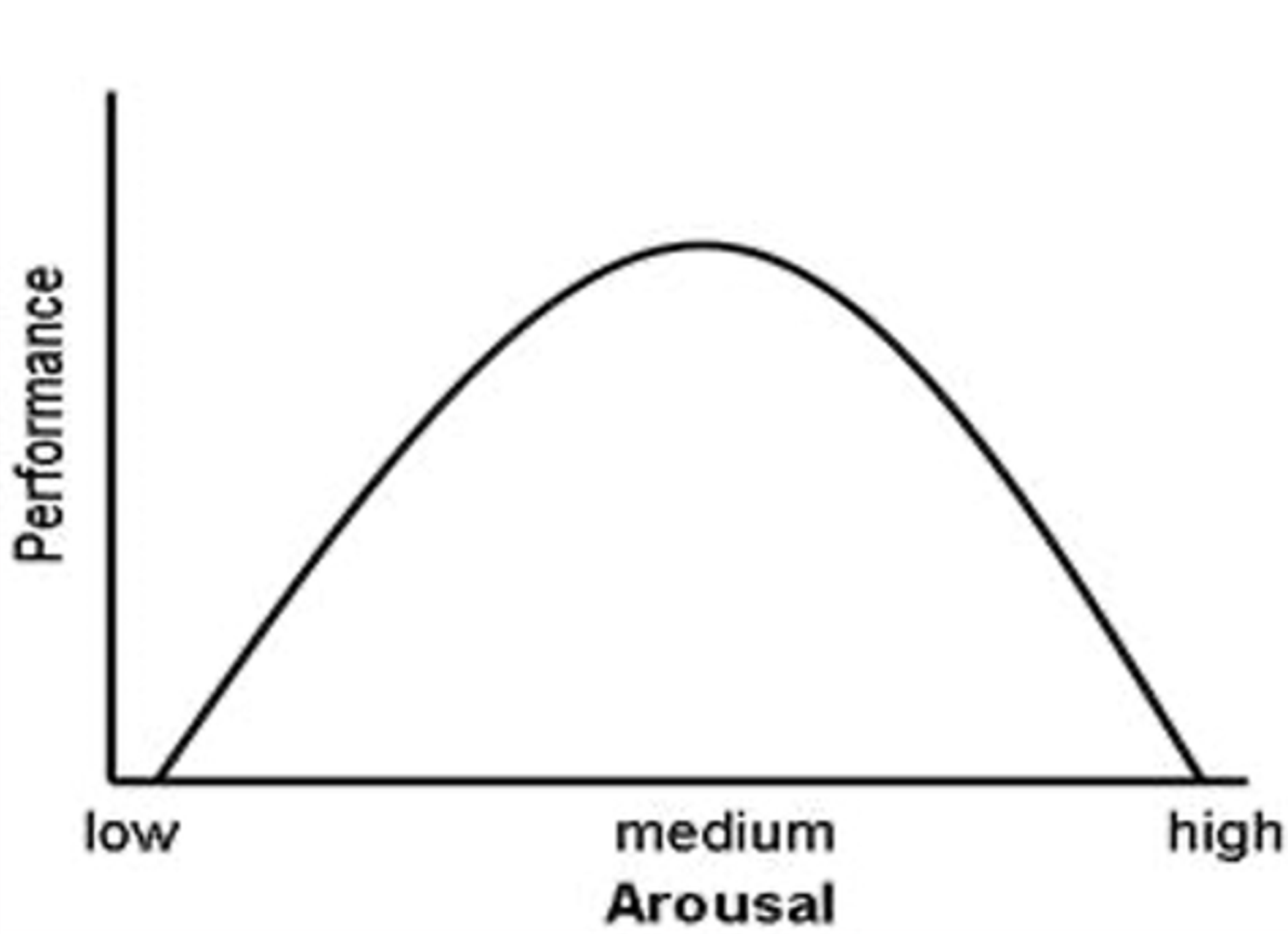
Inverted U shape
Subjective - how much is too much how little is too little
Weapons focus - Where the witness concentrates on the weapon and is distracted from other aspects of the situation.
KEY STUDY
Loftus and Palmer - Investigated the factors that could influence the accuracy of eyewitness testimony in a laboratory experiment.
Procedure: Made participants watch videos of car crashes and answer questions about the speed of the crash. They manipulated the wording of the question across different experimental groups.
People who heard more intense verbs such as 'smashed' estimated the cars were driving faster, this is because it involved a leading question, causing them to have a false memory, resulting in misleading information.
Participants were then asked a leading question about seeing broken glass, causing many participants to have a false memory of there being broken glass in the video
Note
Conclusion: Provides evidence that asking leading questions influences people's memory, causing them to have false memories