Aerobic & Anaerobic Respiration (AQA GCSE Biology): Revision Notes
📚Revision Notes
4.1.5 Uses of Glucose from Photosynthesis
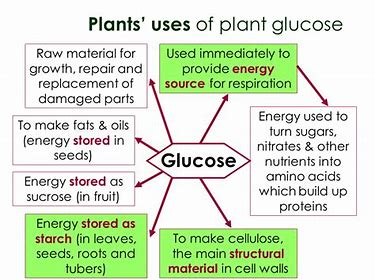
Uses of Glucose in Plants:
- Respiration: Glucose is broken down to release energy.
- Storage: Converted into insoluble starch for storage in roots, stems, and leaves.
- Production of Fats/Oils: Used to produce fat or oil for storage, particularly in seeds.
- Cellulose Production: Glucose is converted into cellulose to strengthen cell walls.
- Protein Synthesis: Combined with nitrates (absorbed from the soil) to form amino acids, which then produce proteins.
Respiration:
- Respiration occurs in every cell in the body and is the process of transferring energy from glucose, enabling living processes to occur.
- All living organisms undergo respiration.
- Respiration is exothermic as energy is transferred to the environment.
- Respiration can occur aerobically (with oxygen) or anaerobically (without oxygen).
| Aerobic Respiration | Anaerobic Respiration |
|---|---|
| • Uses oxygen. • Yields the most energy. • Most reactions take place in the mitochondria. Chemical equation: C₆H₁₂O₆ + 6O₂ → 6CO₂ + 6H₂O • Glucose = C₆H₁₂O₆ • Oxygen = O₂ • Carbon dioxide = CO₂ • Water = H₂O | • Occurs when there is insufficient oxygen. • Yields less energy than aerobic respiration. • Used as a last resort, e.g., during intense exercise when oxygen intake is limited. • Incomplete oxidation of glucose. In animals: C₆H₁₂O₆ → Lactic acid In plants and yeast (fermentation): C₆H₁₂O₆ → Ethanol + CO₂ • This reaction is used in making bread and alcoholic drinks. |