Factors Affecting Food Security (AQA GCSE Biology): Revision Notes
📚Revision Notes
7.5.1 Factors Affecting Food Security
Note
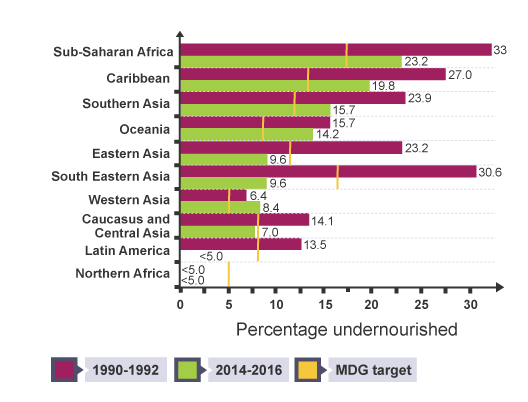
Food security refers to having sufficient, safe, and nutritious food to meet the dietary needs of the population.
Key Factors Influencing Food Security:
- Increasing Population:
- Higher Birth Rates: As the global population grows, more food is required to meet the increasing demand. This puts pressure on agricultural systems to produce enough food.
- Changing Diets:
- Demand in Developed Countries: As people in developed countries shift towards more resource-intensive diets (e.g., higher meat consumption), the demand for certain foods increases. This can strain global food supplies, especially when these resources are already limited.
- New Pests and Pathogens:
- Crop and Livestock Threats: The emergence of new pests and diseases can devastate crops and livestock, reducing food production and threatening food security.
- Climate Change:
- Impact on Agriculture: Changes in climate, such as droughts, floods, and unpredictable weather patterns, can severely affect crop yields and food production. For example, insufficient rainfall can lead to crop failures, while extreme weather can damage infrastructure.
- Conflict:
- Disruption of Resources: Conflicts in certain regions can disrupt the availability and distribution of essential resources like water and agricultural inputs, making it difficult to produce and distribute food.
Sustainable Solutions for Food Security:
- To ensure food security for the global population, it is crucial to adopt sustainable agricultural practices. These include improving crop yields, reducing waste, managing resources efficiently, and developing resilient food systems that can adapt to changing conditions.