Great Expectations: Characters (AQA GCSE English Literature): Revision Notes
📚Revision Notes
Great Expectations: Characters
Key Characters in Great Expectations
- Pip (Philip Pirrip)
- Estella
- Miss Havisham
- Joe Gargery
- Abel Magwitch
- Jaggers
- Herbert Pocket
- Biddy
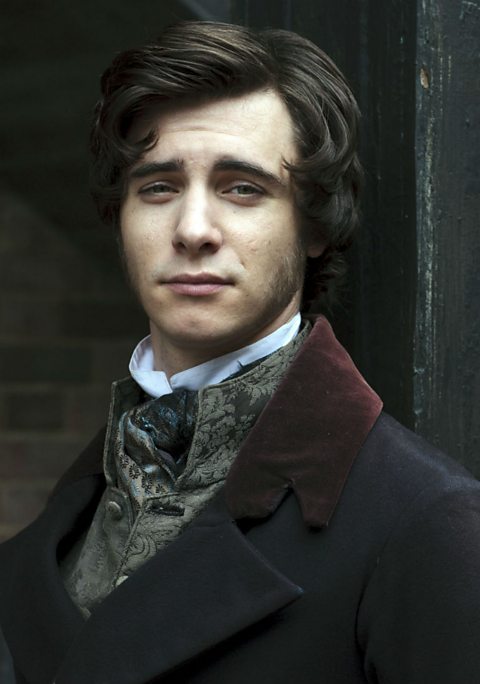
Pip (Philip Pirrip)
Quote: "I wished Joe had been more genteelly brought up."
Analysis: Pip's wish that Joe had been raised "genteelly" shows his growing shame about his humble beginnings. This quote reveals Pip's increasing desire for social status, symbolising his shift in values as he starts prioritising appearance over genuine character. Dickens uses this to criticise the superficiality of social class distinctions and to foreshadow Pip's later regrets.
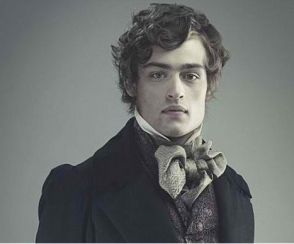
Quote: "I loved her against reason, against promise, against peace."
Analysis: Pip's repeated use of "against" in this quote underscores his obsessive and irrational love for Estella. This love drives much of his life's choices, leading to emotional turmoil. Dickens uses Pip's infatuation to explore the dangers of unattainable desires and to highlight the disillusionment that comes when one's idealised dreams fail to bring happiness.
Estella
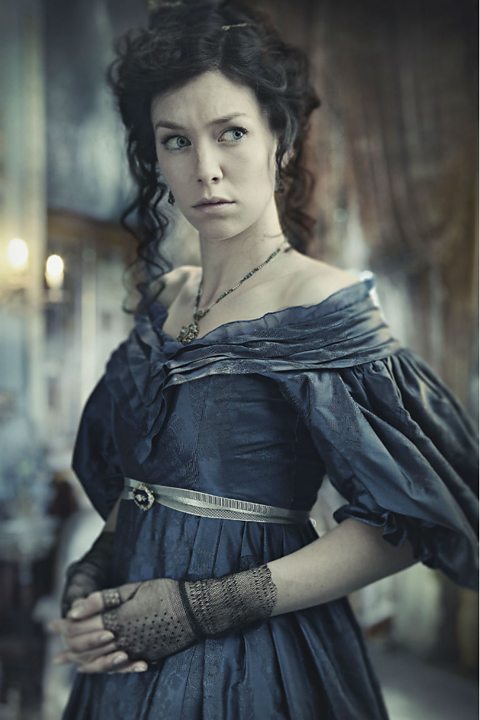
Quote: "I have no heart... no—sympathy—sentiment—nonsense."
Analysis: Estella's stark declaration that she has "no heart" reveals the emotional damage caused by Miss Havisham's manipulation. Her inability to feel sympathy or sentiment underscores the novel's themes of manipulation and the effects of a loveless upbringing. Dickens uses Estella to critique the ways Victorian society often suppressed genuine emotion in favour of maintaining social appearances.
Quote: "There is no sentiment in my heart."
Analysis: Estella's repeated emphasis on her lack of sentiment highlights her internal conflict between what she's been taught and what she might truly feel. Dickens uses this to explore the theme of identity, questioning whether a person's true nature can be entirely shaped by external influences like upbringing.
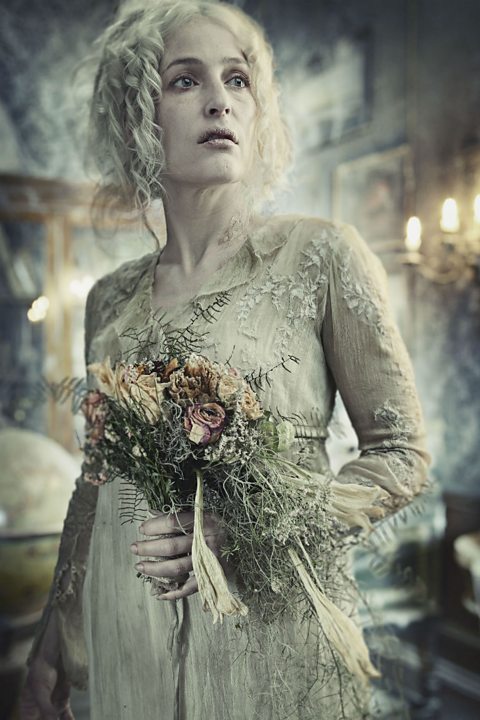
Miss Havisham
Quote: "Love her, love her, love her!"
Analysis: Miss Havisham's obsessive command of Pip reveals her desire to use Estella as a tool for revenge. The repetition of "love her" reflects her twisted view of love as something to be used for vengeance. Dickens uses Miss Havisham to explore the destructive power of living in the past and the dangers of allowing bitterness to control one's life.
Quote: "I am what you have made me."
Analysis: Estella's blunt confrontation with Miss Havisham highlights the consequences of her guardian's manipulative upbringing. The phrase "what you have made me" underscores the novel's theme of parental influence and the tragic outcomes of raising a child with distorted values. Dickens uses this moment to illustrate the long-lasting effects of emotional manipulation.
Joe Gargery
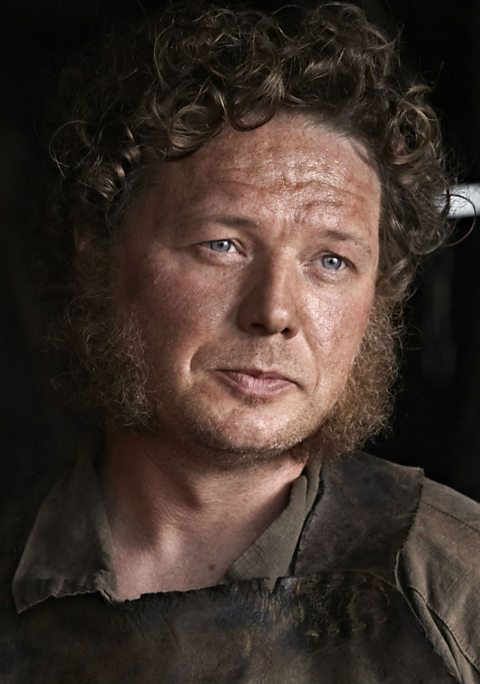
Quote: "Ever the best of friends; ain't us, Pip?"
Analysis: Joe's words reflect his unwavering loyalty and affection for Pip, despite Pip's growing shame about his origins. The phrase "best of friends" highlights Joe's genuine, simple values, contrasting with Pip's increasing obsession with social status. Dickens uses Joe to embody the virtues of the working class, reminding readers of the importance of authenticity and integrity in relationships.
Quote: "Which you have that grown, and that swelled, and that gentle-folked; and you can't help it."
Analysis: Joe's forgiving nature is evident as he accepts Pip's changes without resentment. The phrase "you can't help it" shows Joe's deep love and understanding, recognising the pressures Pip faces. Dickens uses Joe to illustrate the power of unconditional love and forgiveness, guiding Pip back to the values that truly matter in life.
Abel Magwitch
Quote: "I'm your second father. You're my son—more to me nor any son."
Analysis: Magwitch's declaration shows the deep emotional bond that has developed between him and Pip, challenging traditional ideas about family and class. The term "second father" highlights the idea that true kinship is defined by emotional bonds rather than blood ties. Dickens uses Magwitch to explore themes of redemption and transformation, showing that even those with a troubled past can change and form meaningful relationships.
Quote: "I've made a gentleman on you!"
Analysis: Magwitch's pride in making Pip a gentleman is filled with irony, as it forces Pip to confront the shallow nature of social distinctions. The word "gentleman" challenges the Victorian notion that wealth and status define a person's worth. Dickens uses this to critique society's superficial values and to highlight the true meaning of being a "gentleman", which is based on character, not class.
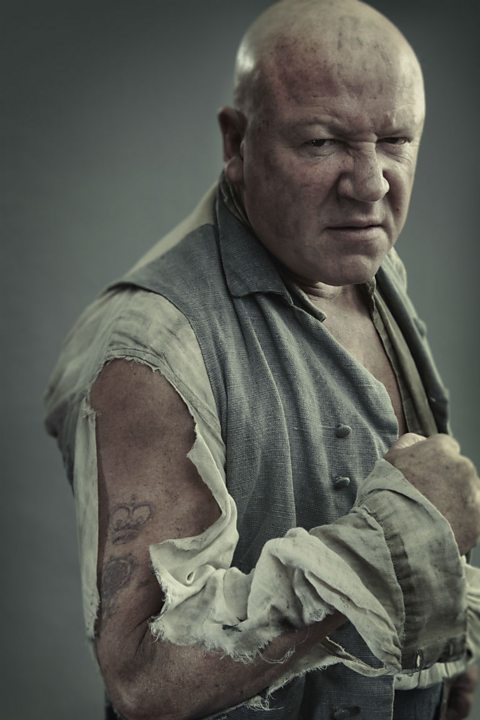
Jaggers
Quote: "Take nothing on its looks; take everything on evidence."
Analysis: Jaggers' advice reflects his cold, logical approach to life and law. The emphasis on "evidence" over "looks" underscores his belief in facts over appearances, contrasting with the more emotional perspectives of characters like Pip and Joe. Dickens uses Jaggers to explore the impersonal nature of the legal system and to question the reliability of appearances.
Quote: "Put the case that he lived in an atmosphere of evil, and that the evil was always about him."
Analysis: Jaggers' hypothetical statement suggests that people are shaped by their environment. The phrase "atmosphere of evil" implies that surroundings can corrupt a person's character. Dickens uses this to explore the impact of social conditions on moral development, aligning with the novel's critique of rigid class structures.
Herbert Pocket
Quote: "The only independent one among us has come back to us today; and here he sits!"
Analysis: Herbert's toast to Pip reflects the theme of friendship and loyalty. The word "independent" highlights Pip's return to his true self, guided by the support of genuine friends like Herbert. Dickens uses Herbert to show the importance of true friendship, which is based on mutual respect and understanding, not wealth or status.
Quote: "You are part of my existence, part of myself."
Analysis: Herbert's deep connection with Pip is reflected in this quote. The phrase "part of my existence" shows the lasting impact of childhood friendships on one's identity. Dickens uses Herbert to highlight the theme of enduring friendship and its positive influence on personal growth.