Factors Contributing to Energy Supply (AQA GCSE Geography): Revision Notes
📚Revision Notes
6.4.2 Factors Contributing to Energy Supply
What affects energy supply?
- Energy supply varies around the world due to several factors.
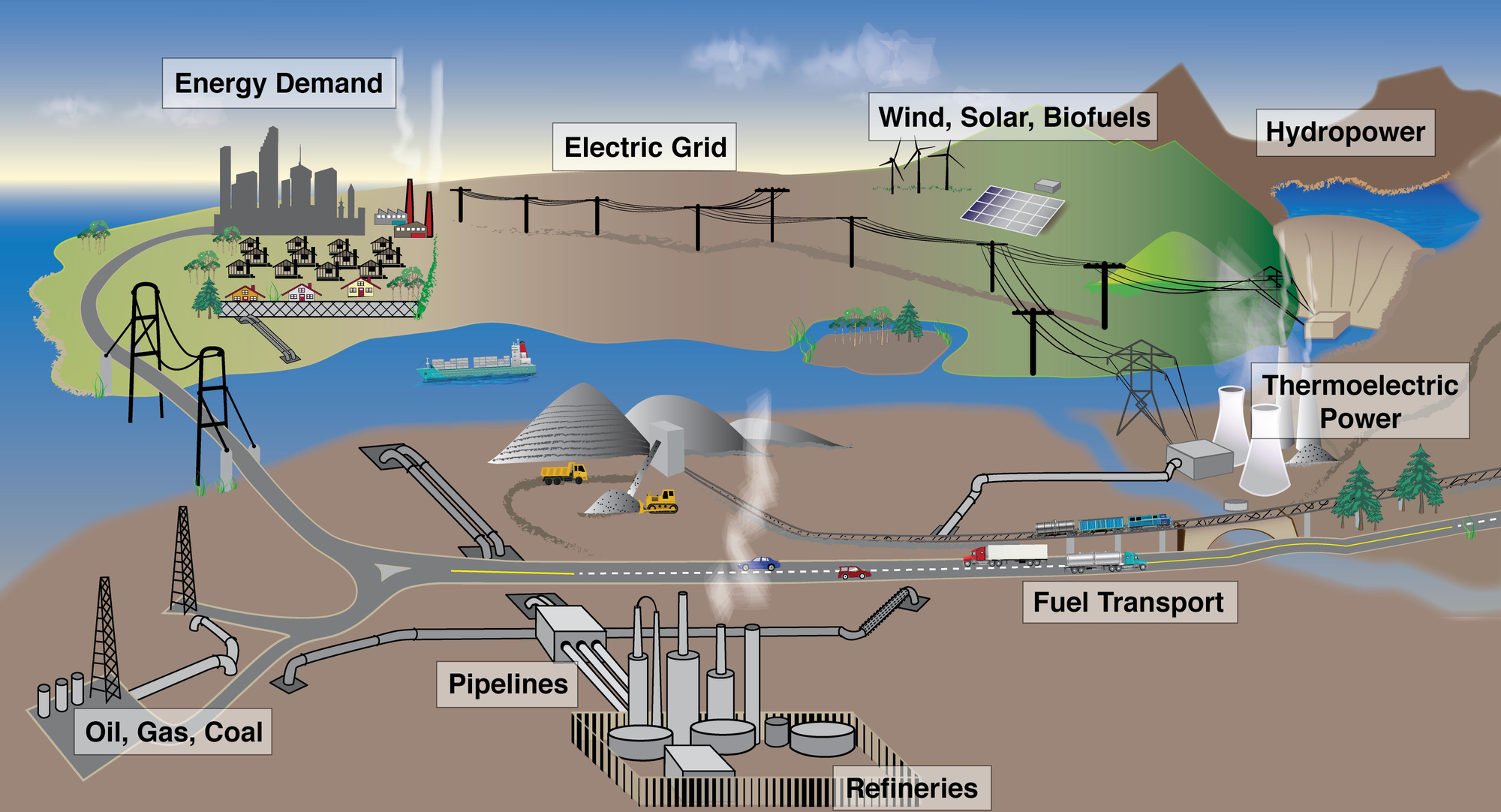
Energy Supply, Delivery, and Demand
Physical Factors
- Climate and Geography:
- Affects potential for solar, wind, tidal, HEP, and wave power.
- Natural Disasters:
- Can damage infrastructure and affect energy development.
- Fossil Fuels Distribution:
- Unequal distribution globally; some countries have more than others.
- Some may run out quicker; others are more accessible.
Economic Factors
-
Fossil Fuel Prices:
- Volatile and can fluctuate due to availability or conflict.
-
Infrastructure Costs:
- Building new infrastructure (power stations, wind farms) can be very high.
-
Resource Accessibility:
- Some LICs have resources but lack funds to exploit them.
-
Scarcity:
- Fossil fuels are becoming scarce and more expensive to extract.
Technological Factors
- Oil Reserves:
- Some trapped in rocks needing specialist technology.
- Exploitation Technology:
- Some countries lack technology to exploit resources (e.g., uranium in Niger).
Political Factors
-
International Agreements:
- Climate change agreements to cut greenhouse gas emissions (e.g., Kyoto Protocol).
-
Wars and Instability:
- Affects ability to export resources (e.g., Gulf War).
-
Safety Concerns:
- Nuclear power and waste disposal have become harder due to regulations.
Non-Renewable Energy Sources
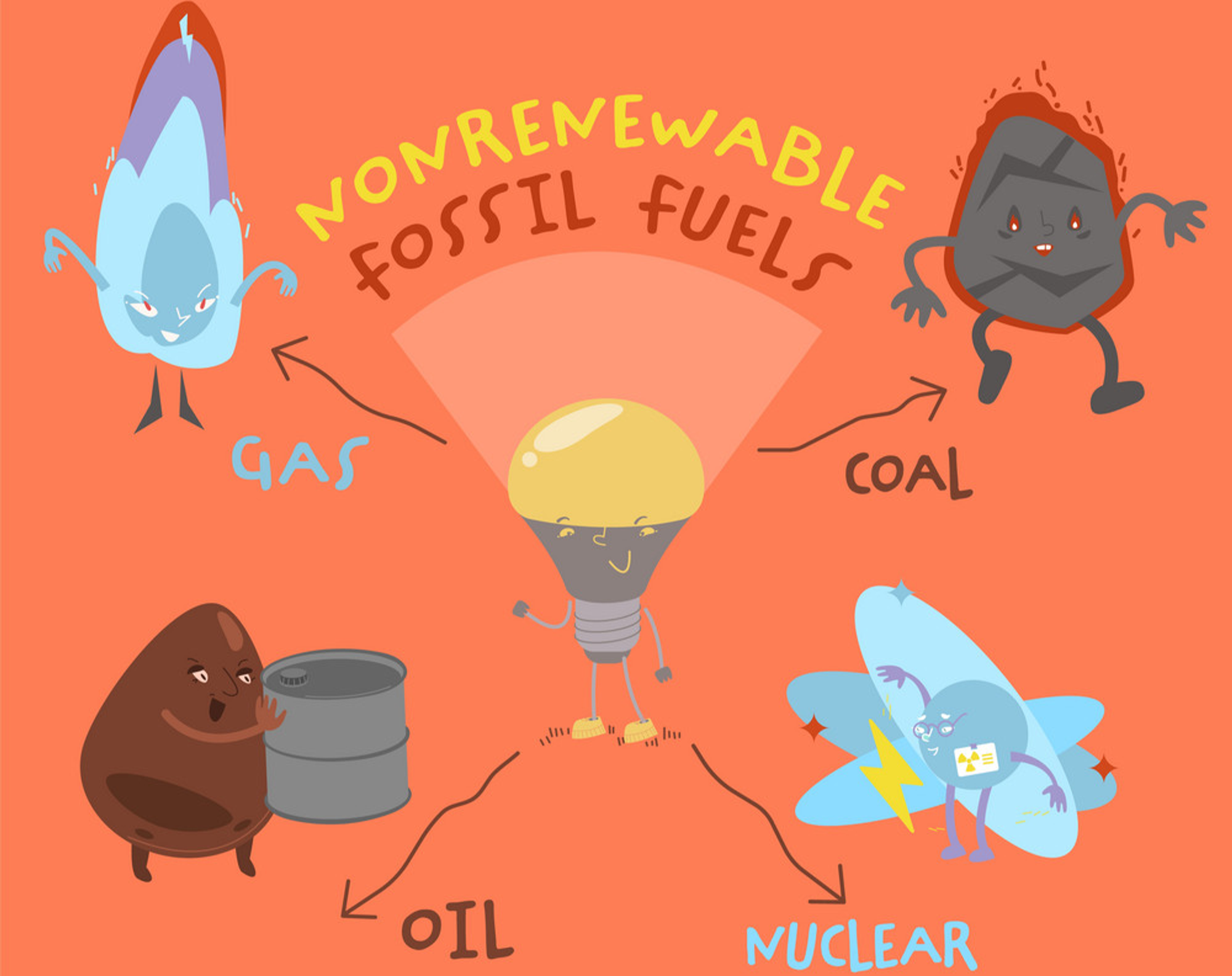
Fossil fuels have traditionally supplied most of our energy, but the supply will eventually run out.
Fossil Fuels
- Formed from organic matter millions of years ago (coal, gas, oil).
- Still abundant, but limited.
- Important despite CO2 levels increasing.
- Carbon capture can reduce environmental impact.
Nuclear Power
- Expensive to build power stations.
- Raw material uranium is low cost due to small usage.
- Dangerous waste and disasters (e.g., Fukushima in 2011).
Non-Renewable Sources of Energy