Human activity (Edexcel GCSE Geography A): Revision Notes
📚Revision Notes
Human activity and river landscapes
Human activities have dramatically changed how our river systems work. When people modify the land through building cities, farming, and industrial development, these changes create significant impacts on river behaviour, water flow patterns, and the natural landscape. Understanding these connections is essential for managing our water resources effectively.
Note
The relationship between human activities and river systems is complex and interconnected. Changes in one part of a river system can have far-reaching effects both upstream and downstream, making it crucial to understand these processes for effective environmental management.

How urbanisation affects rivers
Urban development transforms natural landscapes in ways that significantly alter river systems. When towns and cities expand, they create fundamental changes to how water moves across the land surface.
The growth of urban areas means that large portions of the natural ground become covered with impermeable surfaces like concrete, tarmac, and rooftops. These artificial surfaces prevent rainwater from soaking into the ground naturally. Instead, water runs quickly across these hard surfaces and flows directly into rivers, dramatically increasing the volume of water reaching river channels. This increased surface run-off leads to higher discharge rates and more frequent flooding events.
Note
Understanding Surface Run-off
Surface run-off is the flow of water over the ground surface when soil is saturated or cannot absorb water quickly enough. In urban areas, impermeable surfaces prevent any water absorption, meaning nearly all rainfall becomes immediate run-off that reaches rivers within hours rather than days.
Urban expansion also creates pressure for new housing developments, which are often built on floodplains - the natural areas where rivers spread out during high water periods. Building on these areas removes the river's natural flood storage capacity and puts communities at greater risk during heavy rainfall events.
To accommodate urban development, rivers are frequently channelised or even forced to flow underground through pipes and tunnels. While this creates space for buildings and roads, it prevents the natural processes of erosion and deposition that help rivers maintain their healthy equilibrium. Channelised rivers lose their ability to meander naturally and become more prone to rapid flow and flooding downstream.
Important
Critical Impact: Flood Risk
Urbanisation significantly increases flood risk through a combination of factors: increased surface run-off, reduced natural flood storage on floodplains, and channelised rivers that cannot accommodate sudden surges in water volume. This makes urban flood management one of the most challenging aspects of river landscape management.
Agricultural impacts on river systems
Farming practices create multiple pathways for changing how water moves through river landscapes. Modern agriculture involves various techniques that modify natural water cycles and affect river behaviour in complex ways.
Field drainage systems are installed to improve farmland productivity by removing excess water from soil. While these drains help crops grow better, they also act like fast highways for moving water directly into streams and rivers. This rapid water movement can destroy natural wetland habitats that normally help philtre water and provide flood protection.
Deforestation for creating farmland removes trees that naturally intercept rainfall before it reaches the ground. Trees normally slow down water movement and help reduce surface run-off. When forests are cleared, rainwater reaches rivers much more quickly, increasing the risk of sudden floods and carrying more sediment with it.
Note
The Role of Interception
Interception occurs when vegetation catches rainwater on leaves, branches, and stems before it reaches the ground. This natural process significantly slows water movement and reduces the amount of rainfall that becomes immediate surface run-off. Forests can intercept up to 25% of annual rainfall in some regions.
Water abstraction for irrigation reduces the natural flow and velocity of rivers. When farmers pump water out for crop irrigation, it leaves less water flowing in the river channel. This reduced flow means that rivers deposit more sediment and can become shallower over time.
Ploughing activities disturb soil across large areas, loosening earth and making it easier for rainfall to wash sediment into river systems. This increased sediment load can change river channel shapes and affect water quality downstream.
Industrial effects on river environments
Industry creates significant demands on river systems while also introducing potential pollution sources that can transform river landscapes and ecosystems.
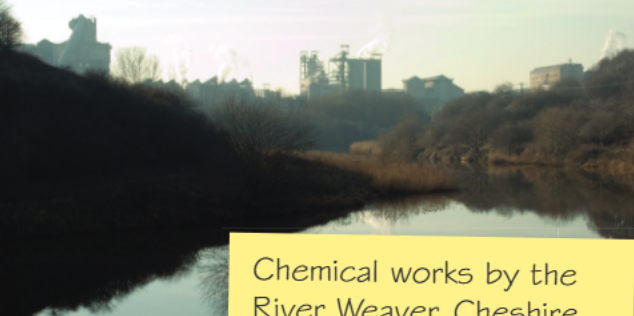
Industrial processes require large quantities of water for cooling, cleaning, and manufacturing. This high water demand can substantially reduce the amount of water flowing in rivers, leading to lower discharge rates and reduced erosion capacity. When rivers carry less water, they deposit more sediment and may become shallower or change course more easily.
Important
Pollution Risk Warning
Industrial activities pose serious risks of chemical pollution when waste materials or processing chemicals accidentally spill or are deliberately discharged into river systems. Even small amounts of certain chemicals can have devastating effects on entire river ecosystems, making pollution prevention and monitoring critical for maintaining healthy river environments.
Industrial activities also pose risks of chemical pollution when waste materials or processing chemicals accidentally spill or are deliberately discharged into river systems. Chemical contamination can kill aquatic plants and animals, disrupting the natural balance of river ecosystems. Polluted rivers may also change colour, develop unusual odours, or become unsafe for human use.
The combination of water abstraction and pollution potential means that industrial areas often experience significant changes to their natural river landscapes, transforming once-pristine waterways into heavily modified environments that require careful management and monitoring.
Understanding land-use change impacts
When examining how human activities affect rivers, it's important to focus on the broader concept of land-use change rather than just looking at individual river modifications. Land-use changes create cascading effects that influence multiple aspects of river behaviour.
Note
Cascading Effects in River Systems
Cascading effects occur when one change triggers a series of additional changes throughout the river system. For example, deforestation leads to increased surface run-off, which increases river discharge, which increases erosion, which increases sediment transport, which can lead to deposition problems downstream - all from one initial land-use change.
Converting natural land surfaces to artificial ones, such as paving over gardens to create car parks, increases the amount of impermeable surface area. This change means that less rainwater can infiltrate into the ground, so more water becomes surface run-off that reaches rivers faster than before. The increased speed of water movement leads to higher discharge rates and greater flood risks.
Deforestation represents another critical type of land-use change that affects rivers. Removing trees reduces the amount of rainfall interception, allowing more water to reach the ground surface directly. This creates increased surface run-off and faster water movement towards river channels.
Building developments on floodplains eliminate one of the natural ways that rivers manage flood water without causing damage. Floodplains normally provide space for rivers to spread out safely during high water periods, but construction in these areas increases flood risks for both new developments and areas downstream.
Summary
Key Points to Remember:
- Human activities modify river landscapes through three main pathways: urbanisation, agriculture, and industry
- Impermeable surfaces created by urban development increase surface run-off and river discharge, leading to higher flood risks
- Agricultural practices like drainage and deforestation speed up water movement to rivers and increase sediment transport
- Industrial water use reduces river flow while industrial pollution can destroy aquatic ecosystems
- Land-use changes create cascading effects that influence multiple aspects of river behaviour and flood management