Retailing changes (Edexcel GCSE Geography A): Revision Notes
📚Revision Notes
Retailing changes

Retailing changes refer to the transformation in how and where people shop, including shifts in shopping location, format, and technology. These changes have significantly impacted urban areas across the UK, particularly affecting city centres and creating new patterns of commercial development.
The modern retail landscape has been shaped by three key types of change: location changes (movement from city centres to suburbs), format changes (development of large shopping centres), and technology changes (rise of internet shopping). Understanding these transformations is essential for explaining contemporary urban geography patterns.
Note
Retailing changes affect not just shopping patterns, but also urban land use, employment distribution, and city centre vitality. These changes create both challenges and opportunities for urban planners and local authorities.
Birmingham case study: historical changes in retailing

Birmingham provides an excellent example of how retailing has changed over time in British cities. The transformation has occurred in three distinct phases, each responding to different social and economic pressures.
Example
Case Study: Birmingham's Retail Evolution
Birmingham demonstrates the typical pattern of retail change experienced by many British industrial cities. The city's transformation shows how external pressures such as suburbanisation, industrial decline, and technological advancement have reshaped urban retail geography over more than a century.
Timeline of retail change
The evolution of Birmingham's retail sector follows a clear chronological pattern that illustrates the main drivers of urban change.
19th century developments During the 1800s, Birmingham experienced significant population movement as people began relocating from the city centre to suburban areas. This migration was primarily driven by residents seeking to escape the increasing pollution levels that characterised industrial cities of this period. This early suburbanisation set the stage for later retail decentralisation.
1970s industrial relocation The 1970s marked a crucial turning point when manufacturing industries began relocating from city centres to suburban locations. This industrial decentralisation reduced employment opportunities in the CBD and changed the economic geography of the city, making suburban areas more attractive for both businesses and residents.
1970s and 1980s retail decentralisation Following the industrial changes, shopping outlets began moving to edge-of-town and out-of-town locations during the late 1970s and 1980s. Major developments like Merry Hill exemplified this trend, offering large-scale retail facilities away from traditional city centres.
Important
The timeline shows how retail change follows industrial change - as manufacturing moved out of city centres, retail followed the population and employment to suburban locations. This pattern has been repeated across many UK cities.
Decline of CBD retailing
Central Business Districts across the UK have experienced significant decline in their retail sectors. In Birmingham's case, this decline has been particularly noticeable as traditional shopping areas have struggled to compete with newer retail formats.
As Birmingham's CBD declined, so did its retailing capacity and attractiveness to both shoppers and retailers. The city council recognised this challenge and responded by supporting major redevelopment projects. These initiatives included the construction of modern shopping centres such as the Bullring and Grand Central, designed to revitalise the city centre's retail offering.
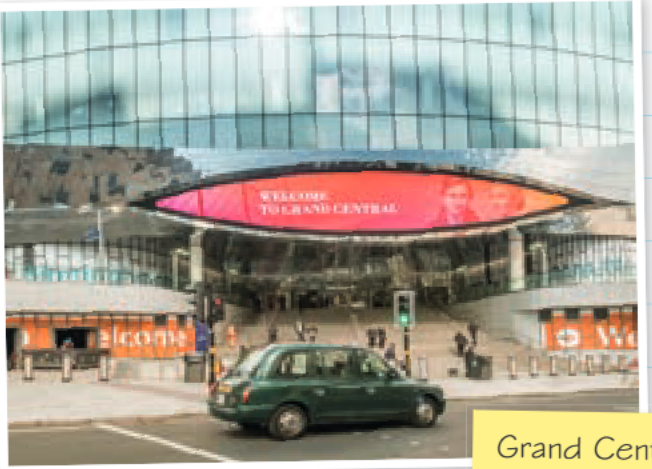
The Grand Central shopping centre represents a significant investment in bringing consumers back to the CBD through modern retail facilities and improved accessibility.
Note
CBD decline is not inevitable - cities can respond through strategic investment and redevelopment. However, this requires significant financial resources and coordinated planning efforts from local authorities.
Rise of new shopping centres
Edge-of-town and out-of-town shopping centres have gained popularity due to their distinct advantages over traditional city centre retail locations. These developments have fundamentally changed shopping patterns and retail geography.
The success of these new retail formats lies in their ability to address the key limitations of traditional city centre shopping, particularly around cost, convenience, and accessibility.
Advantages for retailers
Out-of-town locations offer retailers significantly cheaper operational costs compared to city centre premises. The larger units available in these locations allow for more extensive product displays and storage facilities. Additionally, the reduced property costs enable retailers to offer more competitive pricing while maintaining profit margins.
Advantages for consumers
Consumers benefit from the convenience features that characterise modern shopping centres. Free and easily accessible parking removes one of the major barriers to city centre shopping. The design concept of having all stores under one roof provides weather protection and creates a more comfortable shopping environment, particularly important in the British climate.
Important
The success of out-of-town shopping centres demonstrates how retail location decisions are driven by both economic factors (lower costs) and consumer preferences (convenience and accessibility). This explains why these developments have been so successful in attracting both retailers and shoppers.
Rise of internet shopping
The growth of internet shopping since the late 1990s has created another significant challenge for traditional CBD retailing. Online shopping has reduced the number of consumers physically visiting city centres, fundamentally altering retail patterns.
Internet shopping represents the most recent and potentially most disruptive change to traditional retail patterns. Unlike physical location changes, online retail eliminates the need for physical shopping spaces entirely.
Benefits of internet shopping
24-hour accessibility Unlike physical stores with limited opening hours, internet shopping provides round-the-clock access to products and services. This flexibility appeals to consumers with busy lifestyles or those who prefer shopping outside traditional retail hours.
Special discounts and offers Online retailers can offer competitive pricing and exclusive discounts that may not be available in physical stores. This price advantage attracts cost-conscious consumers and creates additional pressure on high street retailers.
Convenience shopping The concept of 'armchair' shopping allows consumers to browse and purchase products from home, eliminating travel time, parking costs, and the physical effort associated with traditional shopping trips.
Note
Internet shopping has grown rapidly because it addresses many of the disadvantages of both city centre and out-of-town shopping - it eliminates travel time, parking problems, and opening hour restrictions while often offering better prices.
Impact of decentralisation in Birmingham
The decentralisation of retailing has had measurable effects on Birmingham's urban geography and economic patterns. Understanding these impacts helps explain the broader challenges facing British cities.
Economic impacts
The movement of shops to out-of-town locations such as Merry Hill resulted in a 12% decline in trade within Birmingham's CBD. This reduction in commercial activity had knock-on effects on employment, property values, and the overall vitality of the city centre.
Land use changes
The development of Merry Hill involved the redevelopment of what was originally a brownfield site. This transformation demonstrates how retail decentralisation can contribute to urban regeneration in some areas while potentially causing decline in others.
Regeneration responses
Birmingham has responded to CBD decline through ambitious redevelopment projects. New developments such as the Mailbox and Bullring have helped counter the effects of decentralisation, leading to renewed growth in trade within the city centre. These projects represent significant investment in modern retail infrastructure designed to compete with out-of-town alternatives.
Important
The 12% decline in Birmingham's CBD trade shows that decentralisation has real, measurable economic impacts. However, the success of redevelopment projects like the Bullring demonstrates that cities can fight back against decline through strategic investment.
Summary
Key Points to Remember:
- Retailing changes in cities follow identifiable patterns, typically moving from city centres to suburbs, then to edge-of-town locations, and finally incorporating online platforms
- Birmingham's retail evolution demonstrates how economic, social, and technological changes drive spatial reorganisation of shopping facilities
- Out-of-town shopping centres offer distinct advantages including cheaper costs for retailers and convenient parking for consumers
- Internet shopping has created new challenges for physical retail locations through 24-hour accessibility and competitive pricing
- Cities can respond to retail decline through strategic redevelopment projects that modernise CBD facilities and improve their competitiveness