China and Germany (Edexcel GCSE Geography A): Revision Notes
📚Revision Notes
Energy management in China and Germany
Introduction to sustainable energy approaches
Countries at different stages of development face unique challenges when managing their energy resources sustainably. The key function of sustainable energy management is to balance economic growth with environmental protection. Understanding how both developing and developed nations approach this transition helps us see the various strategies available for creating a more sustainable energy future.
China's sustainable energy approach
Background challenges facing China
China faces enormous environmental challenges as the world's largest developing economy. The country contributes approximately 31% of global carbon emissions, which is more than any other nation worldwide. This massive carbon footprint reflects China's rapid industrialisation and heavy reliance on fossil fuels, particularly coal.
Important
Critical Environmental Impact
China is home to seven of the world's ten most polluted cities. The country burns more coal than the United States, Europe and Japan combined, creating significant air quality problems that affect millions of people's health and quality of life.
However, China recognised these challenges and introduced the China Renewable Energy Law in 2006. This legislation aims to develop renewable energy resources on a massive scale, showing the government's commitment to transitioning towards cleaner energy sources.
China's three main energy strategies
China has implemented a comprehensive approach focusing on three primary strategies for sustainable energy transition.
Note
The Three-Pronged Strategy
China's approach combines large-scale infrastructure development with regulatory measures:
- Massive hydro-electric power projects
- Rapid solar power expansion
- Strategic coal use restrictions
This multi-faceted approach allows China to tackle its energy challenges from multiple angles simultaneously.
Hydro-electric power development
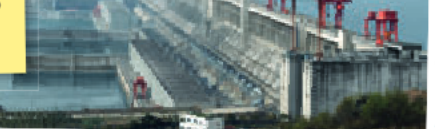
China has invested heavily in hydro-electric power as a clean alternative to coal-fired power stations. The most impressive example of this strategy is the Three Gorges Dam, one of the world's largest engineering projects.
Example
Worked Example: Three Gorges Dam Impact
Power Generation: In 2014, the Three Gorges Dam generated 98.8 billion kWh of electricity.
Coal Equivalent Calculation:
- 98.8 billion kWh ≈ 49 million tonnes of coal equivalent
- This represents the amount of coal that would need to be burned to produce the same energy
Environmental Impact: This demonstrates how large-scale hydro-electric projects can significantly reduce a country's reliance on fossil fuels whilst meeting growing energy demands.
Solar power expansion
China has rapidly emerged as a leading global producer of solar power technology. The government is constructing an ambitious solar plant in the Gobi Desert that could potentially produce enough energy to power one million homes. This massive project represents China's approach of using its vast land resources for large-scale renewable energy generation.
Additionally, raised awareness of China's energy needs has increased the adoption of solar panels across the country. Both government initiatives and private investment are driving this growth, making solar power increasingly common in both urban and rural areas.
Coal use restrictions
Recognising the severe environmental damage caused by coal consumption, the Chinese government introduced new laws in 2015. These regulations restrict the use of heavily polluting coal, particularly in urban areas where air quality is most critical for public health.
These restrictions serve a dual purpose - they immediately improve air quality in cities whilst also encouraging businesses and consumers to transition to cleaner energy alternatives.
Germany's sustainable energy approach
Background and ambitious targets
Germany represents a different model of energy transition as a fully developed country with advanced technology and substantial financial resources. Currently, 44% of Germany's electricity comes from renewable resources, demonstrating significant progress in moving away from fossil fuels.
The German government has set an extremely ambitious target to reach net-zero emissions by 2045. This goal requires massive expansion of renewable energy infrastructure and continued innovation in clean technology.
Note
Feed-in Tariff System
Germany operates a feed-in tariff system that pays producers of renewable energy for the electricity they generate. This policy creates strong financial incentives for both businesses and individuals to invest in clean energy technology, making renewable energy economically attractive.
Germany's solar power focus
Germany has made substantial investments in solar power technology, including the development of several large-scale solar parks. The Bavaria Solarpark serves as an excellent example of this strategy.
Example
Worked Example: Bavaria Solarpark Analysis
Long-term Production Target:
- 215 million kWh over 30 years
- Average annual production: million kWh per year
Environmental Impact:
- Total CO₂ reduction: 100,000 tonnes over 30 years
- Average annual CO₂ reduction: tonnes per year
This demonstrates how developed countries can use advanced technology and substantial investment to create effective renewable energy solutions.
Comparing approaches and learning from examples
Both countries show that sustainable energy management requires different strategies depending on a nation's level of development and available resources. China focuses on massive infrastructure projects like enormous dams and desert solar installations, using its scale and government coordination to drive change rapidly.
Germany's approach reflects its developed economy status, with the ability to provide financial incentives through feed-in tariffs and invest in advanced renewable technologies. The German model shows how market-based solutions can encourage widespread private investment in clean energy.
Note
Policy Response to Global Events
An important factor that influenced Germany's energy policy was the 2011 Japanese nuclear accidents. After these events, Germany's government developed a new plan for increasing renewable energy production, particularly focusing on offshore wind farms. This demonstrates how global events can accelerate policy changes towards sustainable energy solutions.
Both countries prove that developing sustainable energy resources requires long-term planning, substantial investment, and government commitment to environmental goals.
Summary
Key Points to Remember:
-
China contributes 31% of global carbon emissions but is implementing three major strategies: hydro-electric power, solar expansion, and coal restrictions
-
Germany generates 44% of its electricity from renewables and aims for net-zero emissions by 2045 using feed-in tariffs to encourage investment
-
The Three Gorges Dam produces 98.8 billion kWh annually, equivalent to replacing 49 million tonnes of coal with clean energy
-
Different development levels require different approaches - China uses large-scale government projects whilst Germany uses market incentives
-
Both examples show that sustainable energy management needs long-term commitment and substantial investment from governments and private sectors