Crime in modern Britain (Edexcel GCSE History): Revision Notes
📚Revision Notes
Crime in modern Britain
Since 1900, Britain has experienced significant social, technological, and economic changes that have transformed the nature of criminal activity. While some traditional crimes continue, criminals have adapted to use new methods and technologies, creating fresh challenges for law enforcement.
Continuity and change in crime
The relationship between old and new crimes in modern Britain demonstrates both continuity and change. Many crimes that appear completely new are actually modern versions of traditional offences, while others represent genuine developments in criminal activity.
Note
Understanding modern crime requires recognising that many "new" criminal activities are actually traditional crimes adapted to use contemporary methods and technologies.
Traditional crimes with new methods
Some crimes have remained consistent throughout history, but criminals have found new ways to commit them using modern technology and transport systems. Theft, for example, has always existed as a common crime, but modern transportation systems have created new opportunities for stealing. Similarly, violent crimes continue to occur, though the weapons used in violent acts have evolved significantly over time.
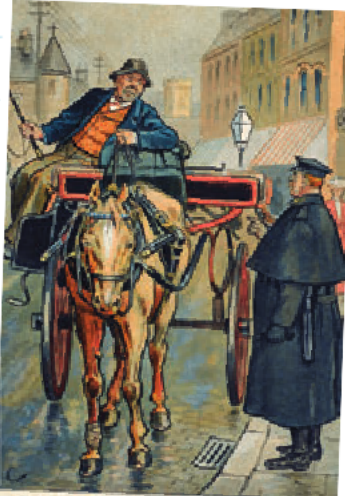
An interesting example of legal change is drink-driving, which was made illegal in 1872. This shows how society adapted its laws to address the dangers posed by combining alcohol consumption with operating vehicles, even in the horse-drawn transport era.
Note
The 1872 drink-driving law demonstrates how legal systems have historically adapted to address new dangers created by technological developments, even before the invention of motor cars.
Distinguishing genuine change from adaptation
Understanding whether a crime represents true change or adaptation of older offences requires careful analysis. Many crimes that seem completely modern are often new versions of traditional criminal activities, adapted to take advantage of contemporary society and technology.
Cybercrime
The development of internet technology has created entirely new opportunities for criminal activity that didn't exist before the digital age. Cybercrime represents one of the most significant changes in criminal behaviour since 1900.
Types of cybercrime
Most cybercrimes involve updated versions of traditional offences committed through internet technology. Online theft occurs when criminals steal digital information or money through electronic means. Fraud has evolved to include deceiving people through emails, websites, and other digital platforms to obtain money illegally. Extortion now includes threatening individuals online to extract money from them, often targeting multiple victims simultaneously.
Scale and impact
What makes cybercrime particularly dangerous is the potential scale of criminal activity. Traditional crimes typically targeted individual victims or small groups, but cyber criminals can target thousands of people simultaneously. This creates significant new challenges for police forces, who must develop new expertise and methods to combat these digital threats.
Important
Cybercrime's ability to target thousands of victims simultaneously represents a fundamental change from traditional crime, creating unprecedented challenges for law enforcement agencies worldwide.
Modern smuggling and human trafficking
Smuggling represents a clear example of continuity in criminal activity. The illegal transportation of goods without paying taxes has occurred for centuries, but modern smuggling has expanded to include new types of contraband and more serious criminal enterprises.
Traditional smuggling continues
In contemporary Britain, criminals continue to smuggle traditional goods like cigarettes and alcohol into the country to avoid paying taxes. These activities mirror smuggling operations that have existed for hundreds of years, though modern transport and communication methods have changed the scale and methods used.
Human trafficking emerges
A more serious development has been the growth in people smuggling, which involves illegally transporting individuals into or around the country. This often connects to human trafficking, where people are forced into activities against their will after being transported. Victims may be forced into labour, prostitution, or other criminal activities, representing a severe violation of human rights that extends far beyond traditional smuggling of goods.
Important
Human trafficking represents a serious escalation from traditional smuggling, involving severe human rights violations where victims are forced into labour, prostitution, or criminal activities against their will.
Changing social attitudes
Some forms of smuggling are now viewed differently by society. Activities like smuggling cigarettes and alcohol are sometimes seen as less serious "social crimes" by certain communities, even though they remain illegal and deprive the government of tax revenue.
Terrorism
While terrorism itself isn't a new phenomenon, modern weapons, transport systems, and communication technology have increased both the potential impact of terrorist attacks and the number of people at risk.
The 7/7 London attacks
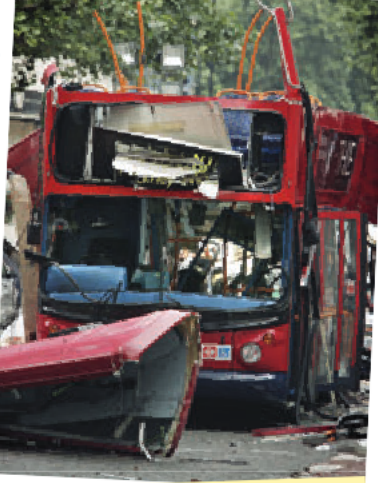
On July 7, 2005, four suicide bombers who claimed to be members of al-Qaeda launched coordinated attacks against central London's transport system. Three bombs exploded on Underground trains while one detonated on a bus, killing 52 people and injuring approximately 770 others. This attack demonstrated how terrorists could exploit modern public transport systems to cause maximum casualties and disruption.
Example
Case Study: The 7/7 London Attacks
Date: July 7, 2005
Method: Four coordinated suicide bombings targeting London's transport system
- Three bombs on Underground trains
- One bomb on a bus
Impact:
- 52 people killed
- Approximately 770 injured
- Demonstrated vulnerability of modern transport networks to terrorist exploitation
Modern challenges
Contemporary terrorism presents new challenges because modern weapons, efficient transport networks, and instant communication systems mean that terrorist attacks can affect larger numbers of people than in previous centuries. Although the risk to any individual remains extremely low, the potential scale of modern terrorist attacks creates significant concerns for public safety and national security.
Historical context
It's important to remember that terrorism has existed throughout British history. Earlier forms of terrorism, such as the Gunpowder Plot, show that politically motivated violence against civilian targets is not a recent development, though modern technology has changed how such attacks can be carried out.
Note
Terrorism is not a new phenomenon in British history. The Gunpowder Plot and other historical examples show that politically motivated violence has existed for centuries, but modern technology has changed the potential scale and impact of such attacks.
Timeline of key developments
- 1872: Drunk driving made illegal, showing early adaptation of law to transport technology
- 1900-1950: Traditional crimes continue but criminals begin adapting to modern transport
- 1990s onwards: Internet technology creates opportunities for cybercrime
- July 7, 2005: London transport bombings kill 52 people, demonstrating modern terrorism's impact
- 2000s-present: Human trafficking becomes increasingly recognised as serious criminal activity
Summary
Key Points to Remember:
- Crime in modern Britain shows both continuity and change - many "new" crimes are actually old crimes using different methods
- Cybercrime represents genuinely new criminal opportunities created by internet technology, allowing criminals to target thousands of victims simultaneously
- Traditional smuggling continues alongside more serious human trafficking, which forces people into labour, prostitution, or crime
- The July 7, 2005 London bombings killed 52 people and showed how modern transport systems can be exploited by terrorists
- Modern technology, weapons, and transport have increased the potential scale and impact of criminal activity compared to earlier periods