Cromwell and the king's annulment (Edexcel GCSE History): Revision Notes
📚Revision Notes
Cromwell and the king's annulment
Introduction
Thomas Cromwell became Henry VIII's chief minister in 1534, and his clever handling of the king's annulment from Catherine of Aragon was crucial to his rise to power. This period marked a significant turning point in English history, as it led to the break from Rome and established Henry as head of the English Church.
Note
This period represents one of the most dramatic shifts in English political and religious history. Cromwell's innovative approach to the annulment problem fundamentally changed England's relationship with the Catholic Church and established precedents that would shape the nation for centuries to come.
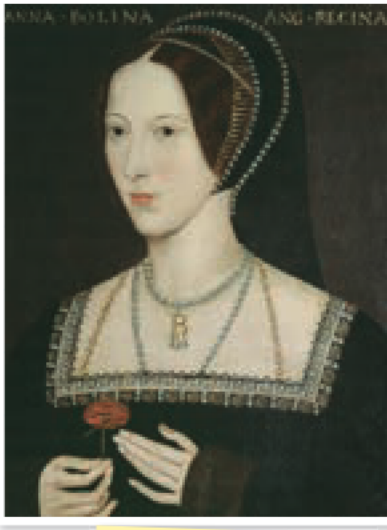
How Cromwell managed Henry's annulment from Catherine of Aragon
Cromwell's approach to securing Henry's annulment was both strategic and revolutionary. Rather than continuing failed negotiations with the Pope, he completely changed tactics to give Henry what he wanted. His success lay in recognising that traditional diplomatic solutions would not work and developing an entirely new approach to the problem.
The six key steps Cromwell took:
1. Recognising papal opposition Cromwell quickly understood that Pope Clement VII would never grant Henry an annulment of his marriage to Catherine of Aragon. The Pope was unwilling to upset Charles V, the Holy Roman Emperor and Catherine's nephew, who had significant political influence over the papacy.
2. Shifting the source of authority Instead of seeking papal approval, Cromwell argued that the power to grant annulments should be taken away from the Pope entirely and given to Henry himself. This was a radical departure from centuries of Church tradition.
Important
This represented a revolutionary concept that challenged the entire foundation of papal authority in England. By proposing that Henry could grant his own annulment, Cromwell was essentially arguing for England's complete religious independence from Rome.
3. The secret marriage Henry and Anne Boleyn were secretly married by Archbishop Cranmer in January 1533. This timing was critical because Anne was already pregnant, and there was an urgent need to ensure their child would be considered a legitimate heir to the throne.
4. Legal foundations Parliament passed the Act in Restraint of Appeals in March 1533. This groundbreaking legislation declared that England was an empire, not subject to any foreign ruler - including the Pope. Only Henry, as head of the Church, could now annul his marriage to Catherine.
Example
Worked Example: The Legal Process
Step 1: Parliament passes the Act in Restraint of Appeals (March 1533)
- Declares England's independence from foreign authority
- Establishes Henry's supreme authority in religious matters
Step 2: Legal hearing conducted (May 1533)
- Archbishop Cranmer leads the proceedings
- Court has authority under new legislation
Step 3: Official decisions announced
- Original papal dispensation declared invalid
- Henry and Catherine's marriage annulled
- Henry and Anne's marriage validated
5. The official hearing A divorce hearing began in May 1533, led by Archbishop Cranmer. The court announced several key decisions:
- The Pope's original legal dispensation allowing Henry to marry Catherine was invalid
- Henry and Catherine had never been legally married
- Henry's secret marriage to Anne Boleyn was valid because he had been a bachelor at the time
6. Securing the succession Anne Boleyn was crowned as Henry's queen in a royal coronation ceremony and gave birth to Princess Elizabeth in September 1533. This completed Cromwell's plan to secure Henry's annulment while providing a potential heir.
Cromwell's growing power after 1534
Following the successful annulment, Henry rewarded Cromwell with unprecedented authority. His influence over the king increased dramatically as he accumulated multiple important positions, demonstrating how effectively he had solved the king's most pressing problem.
Note
Cromwell's rise to power was remarkably rapid and comprehensive. By holding multiple key positions simultaneously, he created an unprecedented concentration of authority that allowed him to control virtually every aspect of government policy.
Key positions held by Cromwell:
Church authority: Became Vicar-General in 1535, giving him power to institute Church reforms and control religious policy.
Personal access: Became Lord Privy Seal in 1536, a senior position in the Privy Council with unlimited access to Henry's documents and decision-making.
Financial control: Had become Chancellor of the Exchequer in 1533, managing England's finances and treasury.
Legal influence: Became Master of the Rolls in 1533, giving him significant power over the legal system.
Royal household: Became Lord Great Chamberlain in 1740, controlling access to the king and managing his household affairs.
By arranging the annulment successfully, Cromwell had demonstrated his huge influence over Henry and secured his position as the king's most trusted advisor.
Timeline of key events
- January 1533: Henry and Anne Boleyn secretly married by Archbishop Cranmer
- March 1533: Act in Restraint of Appeals passed by Parliament
- May 1533: Divorce hearing begins under Archbishop Cranmer
- September 1533: Princess Elizabeth born to Anne Boleyn
- 1534: Cromwell becomes Henry's chief minister
- 1535: Cromwell becomes Vicar-General
- 1536: Cromwell becomes Lord Privy Seal
- 1540: Cromwell becomes Lord Great Chamberlain
Summary
Key Points to Remember:
- Cromwell succeeded where others failed by changing tactics completely - instead of asking the Pope for permission, he gave Henry the authority to grant his own annulment
- The Act in Restraint of Appeals (1533) was crucial legislation that declared England independent from papal authority
- Cromwell's success with the annulment led to his accumulation of multiple powerful positions, making him one of the most influential ministers in Tudor history
- The secret marriage timing was critical - Anne was pregnant and the child needed to be legitimate
- This period marked England's break from Rome and the beginning of the English Reformation