Jane Seymour (Edexcel GCSE History): Revision Notes
📚Revision Notes
Jane Seymour: Henry VIII's third wife (1536-1537)
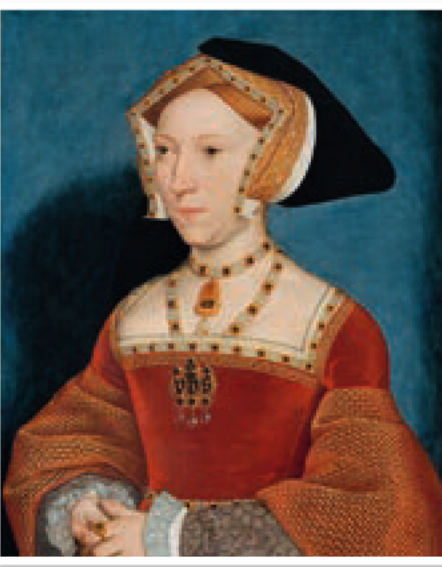
Jane Seymour became Henry VIII's third queen on 30 May 1536, just eleven days after Anne Boleyn's execution. Though her marriage lasted only sixteen months, she played a crucial role in Tudor history by providing Henry with his long-awaited male heir before dying shortly after childbirth.
The urgent need for marriage
Henry's decision to marry Jane Seymour quickly was driven by a desperate succession crisis. By 1536, the king faced the terrifying prospect of dying without a legitimate male heir, which would have thrown England into chaos.
Important
The Critical Succession Crisis of 1536
Henry faced an unprecedented threat to the Tudor dynasty. Both Princess Mary and Princess Elizabeth had been declared illegitimate, and his illegitimate son Henry Fitzroy had died in 1534. The Act of Succession 1534 would have allowed Henry to name Fitzroy as his successor, but this option was now lost. Without immediate action, England risked falling into a succession dispute similar to the devastating Wars of the Roses.
Without a legitimate heir, the throne risked passing to someone outside Henry's immediate family, potentially causing a devastating succession dispute similar to the Wars of the Roses that had plagued England in the previous century.
The marriage and its significance
Jane Seymour represented everything Henry believed he needed in a wife. Unlike the politically active Anne Boleyn, Jane was described as kind, obedient, and deliberately uninterested in politics. Henry was genuinely attracted to these qualities, seeing them as more appropriate for a queen.
The marriage also served Henry's immediate practical needs. At 45 years old, the king understood that time was running out for him to produce legitimate heirs. Jane's youth and apparent fertility made her an ideal candidate to secure the Tudor dynasty's future.
The heir that saved the dynasty
Jane fulfilled her most important royal duty on 12 October 1537 when she gave birth to Edward, later Edward VI. This birth was monumentally significant for several reasons.
First, it solved the immediate succession crisis. England finally had a legitimate male heir, dramatically reducing the chances of competing claims to the throne after Henry's death. The birth strengthened royal authority throughout the kingdom.
Note
Divine Approval and Religious Legitimacy
Henry interpreted Edward's birth as divine approval of his actions. The successful birth seemed to prove that God had blessed his marriage to Jane and, by extension, approved of his previous decisions to annul his marriages to Catherine of Aragon and execute Anne Boleyn. This religious justification was crucial for Henry's legitimacy as Supreme Head of the Church of England.
Death and consequences
Tragically, Jane died less than two weeks after giving birth to Edward. The queen likely suffered from postnatal complications, possibly puerperal sepsis, which was often fatal in the 16th century.
Henry's grief was profound and genuine. He entered deep mourning and refused to consider remarriage for two full years - an unusually long period for a king who desperately needed more heirs to secure the succession.
Note
The Seymour Family's Rise to Power
Jane's death ironically elevated her family's status permanently. Her brothers, particularly Edward Seymour, became increasingly powerful as uncles to the future king. Edward Seymour eventually became Earl of Hertford and later Duke of Somerset, serving as a key advisor to Henry and later as Lord Protector during Edward VI's minority.
However, the practical needs of kingship eventually overcame personal grief. Despite having Edward, Henry still needed additional male heirs in case of accident or illness. Marriage also remained crucial for forming diplomatic alliances with European powers, particularly as England faced potential threats from the alliance between France's Francis I and Holy Roman Emperor Charles V.
Timeline of key events
Summary
Key Dates in Jane Seymour's Story:
- 30 May 1536: Jane Seymour marries Henry VIII (11 days after Anne Boleyn's execution)
- 12 October 1537: Birth of Prince Edward (later Edward VI)
- October 1537: Jane Seymour dies from postnatal complications
- 1537-1539: Henry remains in mourning, refuses to remarry
- 1540: Henry eventually marries Anne of Cleves
Summary
Key Points to Remember:
- Jane Seymour married Henry VIII on 30 May 1536, solving his urgent need for a legitimate heir
- She successfully gave birth to Edward VI on 12 October 1537, securing the Tudor succession
- Her death shortly after childbirth devastated Henry, who mourned for two years before remarrying
- Edward's birth was seen as divine approval of Henry's religious and political decisions
- The Seymour family gained permanent influence at court as uncles to the future king