Henry's strengths, weaknesses and aims (Edexcel GCSE History): Revision Notes
📚Revision Notes
Henry VIII's strengths, weaknesses and aims (1509-29)
Introduction
When Henry VIII became king in 1509, he was just 18 years old and inherited a very different England from the one his father had ruled. Henry VII had been cautious, financially minded, and focused on establishing Tudor legitimacy after winning the throne at Bosworth Field in 1485. In contrast, the young Henry VIII brought a completely new approach to kingship, with grand ambitions and a very different personality. Understanding Henry's personal characteristics and goals is essential to grasping how English politics and foreign policy developed during his early reign.
Note
The contrast between father and son was striking - where Henry VII had been a careful, methodical ruler focused on consolidating power, Henry VIII embodied the new Renaissance ideal of kingship that emphasised glory, magnificence, and bold action.
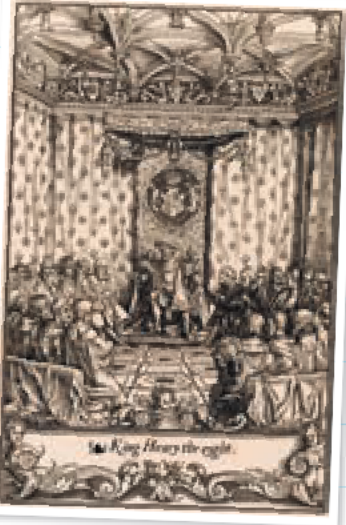
Henry's key strengths as a new king
Popular appeal and royal image
Henry's greatest asset when he came to the throne was his popularity with the English people. Unlike his father, who had been seen as grasping and overly concerned with taxation, Henry VIII represented a fresh start. He was young, energetic, and embodied the Renaissance ideal of kingship that was emerging across Europe. His physical presence was particularly important - contemporaries described him as tall, athletic, and handsome, looking every inch the king that people expected to see.
Political stability and experienced governance
England in 1509 was remarkably stable compared to many European kingdoms. Henry VII had successfully ended the civil wars of the fifteenth century and established effective governmental systems. This meant that Henry VIII inherited not just a peaceful realm, but also a group of experienced advisers who understood how to run the country. These councillors, many of whom had served his father, provided the young king with the administrative expertise he initially lacked.
Strong international position
Henry's marriage to Catherine of Aragon gave England a powerful alliance with Spain, which was rapidly becoming the dominant force in European politics. This connection opened up opportunities for England to play a much larger role in continental affairs than had been possible during the previous reign. Additionally, England's island position provided natural defence advantages, while the country's growing wealth from trade gave Henry resources that many continental rulers envied.
Financial advantages
Perhaps most importantly, Henry VII had left the crown financially secure. Unlike many European monarchs who were constantly struggling with debt, Henry VIII began his reign with substantial reserves of money. This financial strength gave him the freedom to pursue ambitious policies without immediately worrying about the costs, though this advantage would not last forever.
Important
Critical Advantage: Henry's substantial financial inheritance was perhaps his greatest asset as a new king. This treasure gave him the freedom to pursue expensive military campaigns and court magnificence that other European rulers could only dream of - at least initially.
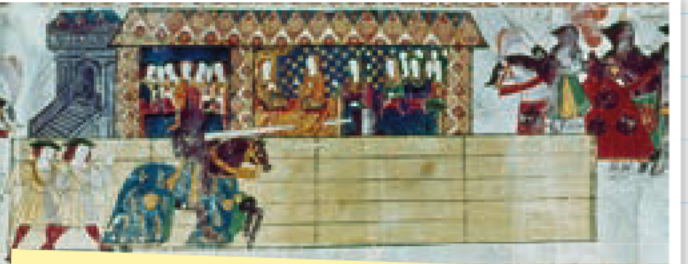
Henry's significant weaknesses
Inexperience and youth
At only 18, Henry had received limited preparation for the practical realities of governing a kingdom. While he was well-educated and understood the theory of kingship, he lacked the experience needed to make complex political decisions. This inexperience would lead to several costly mistakes in his early years as king, particularly in foreign policy where his enthusiasm often outran his judgement.
Unrealistic vision of royal power
Henry's understanding of what it meant to be king was heavily influenced by romantic literature and heroic legends rather than practical politics. He imagined himself as a warrior-king like Henry V, winning glorious victories on foreign battlefields and being celebrated throughout Europe. This idealised view of kingship meant he often pursued expensive military campaigns that brought little real benefit to England.
Note
Henry's romantic view of kingship was shaped by chivalric literature and the legends of mediaeval warrior-kings. He saw himself following in the footsteps of heroes like King Arthur and Henry V at Agincourt, rather than understanding the more complex realities of 16th-century European politics.
Lack of interest in administration
Unlike his father, Henry VIII found the day-to-day business of government boring and preferred to delegate responsibility to his ministers. While this wasn't necessarily a weakness if he chose good advisers, it meant that Henry often lost touch with important domestic issues. His preference for entertainment and display over careful administration would create problems throughout his reign.
Risk-taking personality
Henry was naturally inclined to take dangerous risks, both personally and politically. He loved participating in tournaments and jousting, activities that were extremely hazardous for a king who had no male heir. More broadly, his willingness to gamble on expensive foreign ventures often put England in difficult positions when these policies failed to achieve their objectives.
Important
A Dangerous Combination: Henry's risk-taking personality, combined with his lack of male heir, made his personal participation in dangerous activities like jousting a serious threat to political stability. If he had been killed or seriously injured, England could have faced a succession crisis.
Henry's primary aims as king
Creating effective royal government
One of Henry's most important goals was to establish a system of government where royal authority was clearly supreme. He wanted to create structures that would allow him to make policy decisions while leaving the detailed implementation to capable ministers. This aimed to combine strong royal leadership with efficient administration, though it required finding and keeping talented advisers who could handle complex governmental tasks.
Achieving military glory and international prestige
Henry was determined to make England a major player in European politics through military success. He dreamed of winning spectacular victories that would earn him recognition as one of Europe's great warrior-kings. This ambition drove much of his foreign policy during the early years of his reign, leading to several military campaigns that were designed more for glory than practical advantage.
Example
Example of Henry's Military Ambitions: The Field of Cloth of Gold in 1520 perfectly demonstrated Henry's desire for international prestige. This magnificent diplomatic meeting with the French king involved enormous expense to create temporary palaces and elaborate ceremonies, all designed to showcase English wealth and Henry's status as an equal to other European monarchs.
Recovering English territories in France
Like many English kings before him, Henry believed that England had legitimate claims to significant territories in France. He aimed to recover these lands through military conquest, seeing this as both a matter of royal honour and a way to demonstrate English power to other European rulers. This goal would prove extremely expensive and ultimately unsuccessful, but it remained a constant theme in Henry's thinking about foreign policy.
Building a magnificent royal court
Henry wanted to create a royal court that could compete with the grandest courts in Europe, particularly those of France and Spain. He aimed to attract the best artists, scholars, and entertainers to England, creating a cultural centre that would enhance his international reputation. This involved massive spending on palaces, art, music, and elaborate ceremonies that would showcase English wealth and sophistication.
Ensuring dynastic succession
Perhaps most crucially, Henry needed to produce a male heir to secure the Tudor dynasty's future. This goal would become increasingly important as years passed without Catherine of Aragon giving birth to a surviving son. The succession question would eventually reshape English politics and religion, though in 1509 it seemed like a problem that would solve itself naturally.
Important
The Succession Crisis: What began as a normal expectation of producing an heir would become the defining issue of Henry's entire reign. The failure to have a male heir with Catherine of Aragon would ultimately lead to the English Reformation and Henry's break with Rome.
Timeline of key events (1509-1529)
- 1509: Henry VIII becomes king at age 18, marries Catherine of Aragon
- 1512-1514: First French war - limited success in northern France
- 1513: Battle of Flodden - major English victory over Scotland
- 1515: Thomas Wolsey becomes Lord Chancellor
- 1520: Field of Cloth of Gold - magnificent diplomatic meeting with France
- 1521: Henry receives title "Defender of the Faith" from the Pope
- 1525: Battle of Pavia - Henry's ally Emperor Charles V defeats France
- 1527: Henry begins seeking annulment of marriage to Catherine
- 1529: Fall of Wolsey as Henry's chief minister
Summary
Key Points to Remember:
-
Henry's popularity - His youth, good looks, and energetic personality made him very different from his cautious father and initially won him widespread support
-
Financial inheritance - The substantial treasury left by Henry VII gave the new king freedom to pursue expensive policies without immediate financial constraints
-
Delegation strategy - Henry's preference for leaving detailed governance to ministers like Wolsey allowed him to focus on the aspects of kingship he enjoyed most
-
Military ambitions - His desire for military glory and territorial conquest in France would drive much of his foreign policy and drain royal resources
-
Succession concerns - The need for a male heir would become the defining issue of Henry's reign, ultimately leading to the break with Rome