The Reformation and its impact, 1529-40 (Edexcel GCSE History): Revision Notes
📚Revision Notes
Failure of the uprising
Why the Pilgrimage of Grace failed
The Pilgrimage of Grace, which took place in 1536, ultimately failed due to a combination of misplaced trust and ruthless royal response. Despite involving around 40,000 people and representing the largest uprising of Henry VIII's reign, the rebellion collapsed when its leaders made critical errors in judgement about the king's intentions.
Note
The Pilgrimage of Grace was not just a political rebellion - it represented a massive popular movement against Henry VIII's religious reforms, particularly the dissolution of monasteries that were central to northern English communities.
Key reasons for the failure
Robert Aske's fatal mistake
Robert Aske, the main leader of the Pilgrimage of Grace, made a devastating error by placing too much faith in Henry VIII's promises. When the king offered a pardon and suggested holding a parliament to discuss the rebels' concerns, Aske believed these offers were genuine. This misplaced trust led him to disband the rebel army, completely removing the military pressure on Henry's government.
Important
Critical Error: By disbanding the forces, Aske eliminated the rebels' main source of power and gave the king exactly what he needed - time to organise a proper military response without being under immediate threat.
Henry's ruthless strategy
Henry VIII had no intention of genuinely negotiating with the rebels. Instead, he used the temporary peace to plan how to crush the uprising completely. The king understood that accepting the rebels' demands would make him appear weak and encourage future challenges to his authority.
When Henry finally acted in 1537, his response was swift and brutal. He ordered the violent destruction of the rebellion and had its leaders executed. The harsh punishment served multiple purposes - it eliminated the immediate threat and sent a clear warning to anyone else considering rebellion.
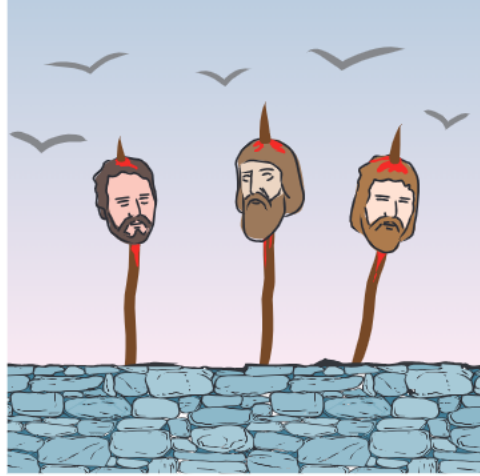
The execution of rebel leaders created a stark visual reminder of Henry's power. Their heads were displayed on stakes as a warning to others about the consequences of challenging royal authority.
Significance and consequences of the Pilgrimage of Grace
Threat to Henry's throne
The uprising represented the most serious challenge to Henry's rule during his entire reign. At its peak, the rebellion controlled significant portions of northern England, including major towns and cities. If the rebel army had continued marching south towards London, they could potentially have forced Henry from power. This near-miss demonstrated just how precarious the king's position had become by 1536.
Note
The rebellion's scale was unprecedented - it involved not just peasants and commoners, but also nobles, clergy, and local gentry who were united in their opposition to Henry's policies.
Impact on religious reform
The rebellion revealed that large numbers of people, particularly in northern England, remained strongly committed to Catholic beliefs and practices. Many northerners actively opposed Henry's break with Rome and the changes to traditional religious life. This Catholic resistance forced Henry and his chief minister Thomas Cromwell to postpone some of their planned Protestant reforms, representing a temporary setback to the Reformation programme.
Strengthening the Council of the North
The uprising clearly showed Henry that his control over northern England was inadequate. The rebellion had gained momentum partly because royal authority was weak in these distant regions. In response, Henry strengthened the Council of the North, giving it greater powers and resources to maintain government control and prevent future uprisings.
Example
Practical Response: Enhanced Northern Control
Henry's solution was systematic:
- Step 1: Identify the problem - weak royal presence in the North
- Step 2: Strengthen existing institutions - expand Council of the North powers
- Step 3: Install loyal administrators to prevent future rebellions
- Result: More effective royal control over distant northern territories
Acceleration of monastery closures
An unexpected consequence of the Pilgrimage of Grace was that it actually speeded up the dissolution of the monasteries. Henry realised that many monks and abbots had supported the rebellion, seeing them as a potential source of future resistance to his policies. To eliminate this threat, he accelerated the closure of larger monasteries and religious houses, completing the process more quickly than originally planned.
Important
Unintended Consequence: The rebellion meant to save the monasteries actually hastened their destruction, as Henry viewed them as centres of potential resistance to his authority.
Timeline of key events
- 1536: Pilgrimage of Grace begins in Lincolnshire, spreads to Yorkshire and other northern counties
- Late 1536: Henry offers pardon and parliament to rebels; Robert Aske disbands the army
- 1537: Henry crushes remaining resistance and executes rebel leaders
- 1537-1540: Dissolution of larger monasteries accelerated; Council of the North strengthened
Summary
Key Points to Remember:
-
Fatal trust: Robert Aske's decision to believe Henry's promises and disband the rebel army was the key reason the uprising failed
-
Royal ruthlessness: Henry VIII used negotiation as a delaying tactic while planning to crush the rebellion completely
-
Serious threat: The Pilgrimage of Grace was the largest and most dangerous uprising of Henry's reign, nearly threatening his throne
-
Religious resistance: The rebellion revealed strong Catholic opposition to the Reformation, particularly in northern England
-
Lasting consequences: The failed uprising led to stronger royal control in the North and faster closure of monasteries