The role of religious houses (Edexcel GCSE History): Revision Notes
📚Revision Notes
The role of religious houses
Introduction
Note
When examining Tudor England, it's essential to understand the significant presence and influence of religious institutions that existed before Henry VIII's reforms.
When Henry VIII began his reign in 1509, England contained approximately 800 religious houses that were home to over 10,000 monks and nuns. These institutions played a crucial role in English society and were deeply embedded in local communities across the country.
Types of religious houses
Religious houses, commonly called monasteries, came in different sizes and were organised under various religious orders. Each type had its own rules and regulations that guided the daily lives of the monks and nuns who lived there.
Important
Understanding the hierarchy of religious institutions is crucial for comprehending their varying levels of influence and wealth in Tudor society.
The largest religious institutions were abbeys, which were controlled by either an abbot (if housing monks) or an abbess (if housing nuns). Famous examples included Westminster, Tewkesbury, and Glastonbury. These were typically the most influential and wealthy establishments.
Medium-sized religious houses were known as priories when they housed monks, or nunneries when they were home to nuns. These institutions were smaller than abbeys but still played important roles in their local areas.
The smallest religious communities were called friaries, which exclusively housed monks. Despite their smaller size, these institutions were still vital parts of their communities.
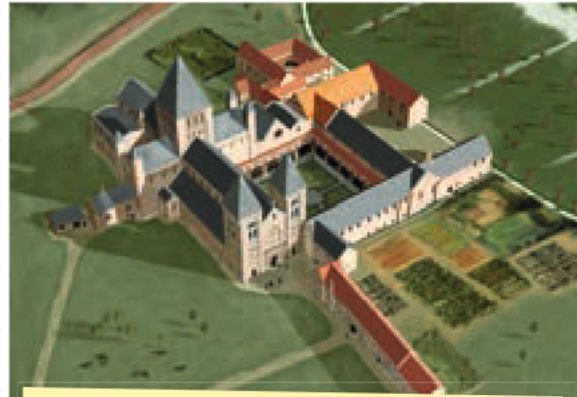
Most of these religious institutions had ancient roots, having existed since the Middle Ages. They operated under different religious orders, each with their own specific rules and traditions that governed how the monks and nuns should live their daily lives.
The wealth and influence of monasteries
Religious houses wielded significant economic power in Tudor England. The monasteries collectively owned approximately one-third of all land in the country, making them some of the largest landowners. The wealthiest 20 monasteries each generated annual incomes of £1000, which was comparable to the income of many noble families.
Note
This vast wealth meant that monasteries were often major players in local economies, wielding influence comparable to the most powerful noble families of the time.
They frequently received endowments from wealthy landowners who wished to support religious activities and ensure prayers were said for their souls after death.
Functions and roles of religious houses
The multifaceted nature of religious houses made them indispensable to Tudor society. These institutions served far beyond their primary religious purpose, acting as crucial pillars of social, economic, and cultural life.
Religious role
The primary purpose of monasteries was religious contemplation and worship. Monks and nuns followed strict monastic rules that required them to participate in regular worship and prayer throughout each day. They were expected to live simply, maintaining vows of poverty, chastity, and obedience.
An important religious service they provided was saying prayers for the dead, known as chantries. This service was particularly valued by wealthy patrons who paid for ongoing prayers to help their souls in the afterlife.
Educational role
Monasteries served as important centres of learning and education. Many religious houses ran schools where they educated young boys, particularly those from noble and gentry families. These institutions also functioned as libraries and centres of learning, where monks carefully preserved manuscripts and books. They played a crucial role in maintaining literacy and learning during a time when education was not widely available.
Medical role
Religious houses often acted as the local hospital, providing medical care for their communities. Monks and nuns cared for the sick and dying, offering both physical treatment and spiritual comfort. This was particularly important in an era when professional medical care was limited and expensive.
Places of refuge
Monasteries provided safe accommodation for travellers journeying across the country. They also served as sanctuaries for people who felt threatened or were fleeing from danger. This function made them important stopping points on major travel routes and provided security for vulnerable individuals.
Commercial role
Many larger monasteries operated as significant business enterprises. They controlled extensive estates and regularly rented out land to local farmers and other tenants. This commercial activity made them important economic centres that contributed to local trade and commerce.
Administrative role
Senior monks often participated in local government and justice systems. Some held positions of authority, with 30 monks holding seats in the House of Lords. Others advised kings and other rulers, using their education and experience to help with administrative tasks and decision-making.
Social and economic role
Monasteries provided essential support for their local communities. They offered employment opportunities for local people who helped run the monastic estates and maintain the buildings. The institutions also provided assistance to the poor, offering food, shelter, and support to those in need.
Additionally, monasteries served as homes for widows, widowers, and elderly nobles who had nowhere else to go. This social safety net was particularly important in a society where formal welfare systems did not exist.
Timeline of key events
- 1509: Henry VIII becomes king; England has 800 religious houses with over 10,000 monks and nuns
- 1529-40: The Reformation period when the role and future of religious houses becomes uncertain
Summary
Key Points to Remember:
- England had 800 religious houses serving over 10,000 monks and nuns when Henry VIII began his reign
- Monasteries came in three main types: abbeys (largest), priories/nunneries (medium), and friaries (smallest)
- Religious houses owned about one-third of all land in England and were extremely wealthy institutions
- Monasteries served multiple roles in society: religious worship, education, medical care, refuge, commercial activities, administration, and social support
- These institutions were deeply integrated into local communities and provided essential services that would later need to be replaced when they were dissolved