Britain after 1945 (Edexcel GCSE History): Revision Notes
📚Revision Notes
Britain after 1945
Post-war challenges and reconstruction
After the Second World War ended in 1945, Britain faced enormous challenges that would shape the next 25 years. The war had left the country in desperate need of rebuilding, but it had also created opportunities for social change that would transform British society.
The German bombing raids during the war had caused devastating damage across Britain's major cities. In London alone, approximately 70,000 buildings had been completely destroyed, with nearly 2 million more suffering damage. This created an enormous need for reconstruction work, from rebuilding homes to repairing essential infrastructure like roads, railways, and public buildings.
However, Britain faced a serious problem: there simply weren't enough workers to carry out all this rebuilding work. Between 1945 and 1946, the British workforce actually decreased by 1.36 million people. This dramatic reduction happened for several reasons - many people had died during combat or from bombing, others had retired, marriage restrictions on women working were lifted, and significantly, many British people chose to emigrate to countries like Canada and Australia, believing they would find better opportunities abroad.
Note
The scale of emigration from Britain in the immediate post-war period was remarkable. Many British citizens, despite having won the war, felt that their future prospects were better in Commonwealth countries like Canada and Australia, where there was more space, fewer shortages, and greater economic opportunities.
The solution: Commonwealth migration
Faced with severe labour shortages and massive reconstruction needs, the British Parliament made a crucial decision. They looked to the British Empire, particularly the Commonwealth countries, as a source of workers. This led to the British Nationality Act of 1948, which was a landmark piece of legislation that fundamentally changed British society.
Important
The British Nationality Act of 1948 was one of the most significant pieces of legislation in modern British history. It gave everyone living in Commonwealth countries the legal right to live and work in Britain, opening the door to large-scale migration that would permanently transform British society and culture.
The Act gave everyone living in Commonwealth countries the legal right to live and work in Britain. Many people in Commonwealth nations, especially those in the Caribbean, viewed Britain as their "mother country" - a place they had fought for during two world wars and felt a strong connection to. The prospect of moving to Britain was particularly attractive because wages there were at least three times higher than what people could earn in the Caribbean.
The Act seemed to offer wonderful opportunities, and thousands of Caribbean people migrated to Britain to help with the massive rebuilding effort. This migration would have profound effects on British society, particularly in areas like Notting Hill in London.
Living conditions in post-war Britain
Life in Britain during the decade after 1945 was far from easy. Many people lived in much harsher conditions than they had experienced during the war itself. The country was struggling with several major problems that affected daily life for millions of people.
Housing was perhaps the biggest challenge. Thousands of families were waiting for new homes to be built to replace those destroyed in the bombing. The destruction had been so extensive that there simply weren't enough houses for everyone who needed them. This housing shortage would become particularly acute in London, which had suffered the most damage and continued to attract the largest number of new residents.
Food shortages also continued long after the war had ended. Bread was rationed for the first time during this period, and the rationing of all foods didn't actually end until 1954 - nine years after the war finished. The situation became even worse during the severe winter of 1947, which disrupted coal production and energy supplies, leading to further food shortages and hardship.
Note
It's remarkable that food rationing in Britain lasted longer after the Second World War than it did during the war itself. This demonstrates just how severe the economic and logistical challenges were in the immediate post-war period, as Britain struggled to rebuild while maintaining its international commitments.
The problems were most severe in London, which had both the largest population and the greatest number of homeless people compared to any other British city. This combination of factors created enormous pressure on housing, services, and resources in the capital.
Crime and policing challenges
The difficult living conditions and widespread poverty created additional problems for British society. Policing such a damaged and struggling country proved very difficult, especially in London. Petty theft became common as people stole from damaged houses, offices, and warehouses where goods were often left unprotected. Food and other essential goods were frequently sold secretly and illegally at very high prices, creating a black market economy.
The Swinging Sixties: A transformation
Despite the challenges of the immediate post-war period, Britain began to recover during the 1950s. The economy gradually improved, rationing ended, and there was almost full employment. This economic recovery set the stage for the cultural revolution that would define the 1960s.
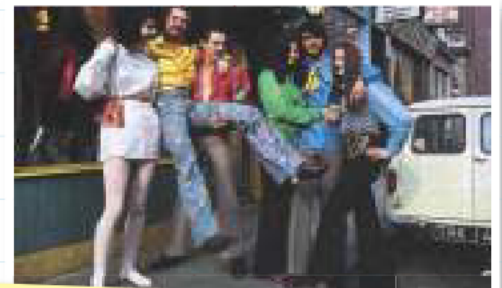
By the 1960s, London had become the most exciting city in the world and the centre of new styles, fashion, and music. This period became known as the "Swinging Sixties", though it's important to note that not everyone enjoyed these changes equally. There was still enormous poverty in many areas, including the north-east of England, and poverty also significantly affected many migrants who had come to Britain seeking better opportunities.
Note
While the "Swinging Sixties" represented an exciting time of cultural change and youth liberation, it's crucial to remember that this transformation was not experienced equally across British society. Many communities, particularly in industrial areas and among recent immigrants, continued to face significant economic hardships and social challenges.
The 1960s brought important social changes, particularly for young people. Young people had more money than previous generations, enjoyed more leisure time, and experienced a greater sense of freedom than their parents had known. This generation also became more politically aware and active, taking part in marches and rallies to express their views on important issues. This political awareness had a significant impact on black communities as well, who began to organise and campaign for their rights more effectively.
Timeline of key events
- 1945: Second World War ends, massive reconstruction begins
- 1945-1946: British workforce falls by 1.36 million people
- 1947: Severe winter causes further hardship and food shortages
- 1948: British Nationality Act gives Commonwealth citizens right to live and work in Britain
- 1948-1950s: Large-scale Caribbean migration to Britain begins
- 1954: Food rationing finally ends
- 1950s: Economic recovery begins, almost full employment achieved
- 1960s: The "Swinging Sixties" cultural revolution begins
Note
This timeline shows how Britain's recovery was a gradual process that took nearly two decades. The contrast between the severe hardships of the late 1940s and the cultural optimism of the 1960s demonstrates the remarkable transformation that British society underwent during this period.
Summary
Key Points to Remember:
- The British Nationality Act of 1948 opened Britain's doors to Commonwealth migration, fundamentally changing British society
- Post-war Britain faced severe challenges including housing shortages, continued rationing until 1954, and widespread poverty
- Labour shortages after 1945 made Commonwealth workers essential for Britain's reconstruction effort
- The economic recovery of the 1950s paved the way for the cultural changes of the "Swinging Sixties"
- London became both the centre of exciting cultural change and the location of the most severe housing and social problems