Indigenous peoples: beliefs (Edexcel GCSE History): Revision Notes
📚Revision Notes
Indigenous peoples: beliefs
The belief systems of Indigenous peoples of the Plains during the early settlement period were fundamentally different from those of white Americans. These differences in worldview would create significant tensions and conflicts as settlers moved westward.
Beliefs about nature
Plains Indians held a deeply spiritual relationship with the natural world that shaped every aspect of their lives. They viewed all elements of nature as possessing spiritual essence - from animals and plants to rivers, mountains, and weather patterns. This spiritual understanding meant that these spirits could either assist humans in their daily lives or bring harm if not properly respected.
Rather than seeking to dominate and control the natural environment, Indigenous communities believed humans should work in harmony with nature's spiritual forces. This cooperative approach to the environment stood in stark contrast to European-American attitudes that emphasised conquering and transforming the landscape for economic gain.
Note
Indigenous peoples maintained that they could communicate directly with the spirit world through sacred visions and ceremonial ritual dances. These spiritual practices were central to their decision-making processes, hunting activities, and community guidance.
Beliefs about land and property
The concept of land ownership among Indigenous peoples differed dramatically from European-American legal traditions, creating one of the most significant sources of conflict during westward expansion.
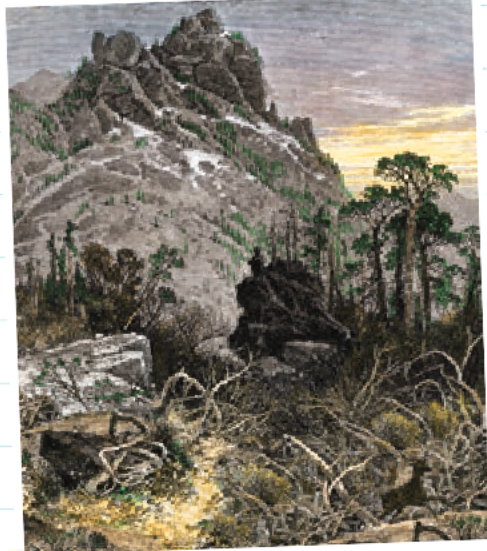
Many tribes designated certain geographical areas as sacred spaces with deep spiritual significance. For the Lakota Sioux, the Black Hills (known as Paha Sapa) held particular importance as the place where their tribe originated. These sacred locations were considered essential to tribal identity and spiritual practices.
Example
Sacred Land Example: The Black Hills
The Lakota Sioux considered the Black Hills (Paha Sapa) to be:
- The place where their tribe originated
- Essential to their spiritual practices
- Central to their tribal identity
- A sacred space that could not be owned or sold
This contrasted sharply with settlers who saw the same land as territory to be claimed, surveyed, and legally possessed.
While Indigenous families might maintain individual garden plots for growing crops, the broader concept of land ownership was generally foreign to their societies. Land was viewed as a shared resource that belonged to the entire community rather than something that could be bought, sold, or possessed by individuals. This communal approach to land use meant that vast territories were available for hunting, gathering, and seasonal movements without the restrictions of private property boundaries.
Important
The consequences of these different property concepts created inevitable tension and conflict between settlers and Indigenous peoples, as European-Americans sought to claim, fence, and legally own the same lands that tribes considered their ancestral territories.
Attitudes to war
Indigenous societies had developed sophisticated approaches to conflict that prioritised tribal survival and minimised unnecessary casualties. Unlike European military traditions that often emphasised total victory and heavy losses, Plains tribes recognised that excessive warfare could threaten their communities' long-term survival.
Young warriors were essential to each tribe's ability to hunt, defend territory, and maintain population levels. Therefore, tribal leaders developed conflict strategies that avoided devastating losses of fighting-age men. This practical approach to warfare reflected their understanding that tribal survival depended on preserving human resources.
The highest honour in combat came not from killing enemies but from demonstrating courage and skill through "counting coup" - successfully striking an opponent and escaping without injury. This practice allowed warriors to prove their bravery while minimising fatalities on both sides.
Note
Indigenous war parties also employed strategic retreat as an accepted and honourable tactic. If a battle began to turn against them, warriors would withdraw rather than fight to the death, preserving their forces for future conflicts.
These approaches to warfare created significant challenges for the US Army, which was accustomed to European-style battles with clear victories and defeats. Military commanders often found it difficult to achieve decisive victories against Indigenous forces who employed different strategic approaches and did not follow conventional rules of engagement.
Timeline of key developments
- c1835-1840: Increasing contact between Plains Indians and settlers along western trails
- 1849: California Gold Rush brings more settlers through Indigenous territories
- 1851: Fort Laramie Treaty attempts to define tribal boundaries
- 1858-1862: Growing tensions over land use and property rights lead to increased conflicts
Remember!
Summary
Key Points to Remember:
- Indigenous peoples believed all natural elements possessed spirits that could help or harm humans
- Land was viewed as a communal resource rather than individual property, creating major conflicts with settlers
- Sacred areas like the Black Hills held deep spiritual significance for specific tribes
- Warfare focused on honour and tribal survival rather than total victory and high casualties
- These different belief systems created inevitable tensions during westward expansion that would shape decades of conflict