Reasons for the growth of opposition (Edexcel GCSE History): Revision Notes
📚Revision Notes
Reasons for the growth of opposition to Vietnam War (1964-75)
The Vietnam War sparked unprecedented opposition at home in the United States. Unlike previous conflicts, a combination of factors led to widespread anti-war sentiment that fundamentally changed how Americans viewed military involvement abroad.
The student movement
Declining support and growing numbers
Initial approval for the war declined significantly as US involvement escalated over time. This period witnessed remarkable growth in student anti-war organisations across the country.
The student population itself was expanding rapidly - student numbers increased to 8.5 million in 1970 from about 6 million five years earlier. This larger, more politically engaged student body became a driving force behind anti-war activism.
Note
The rapid expansion of higher education during this period meant that more young Americans were concentrated on college campuses, creating natural centres for political organisation and protest activities.
Generational rejection and counter culture
Many young people actively rejected the attitudes of previous generations and demanded social change. A new 'counter culture' was emerging, and students were a central part of this movement. They questioned traditional authority and challenged the government's decisions about Vietnam.
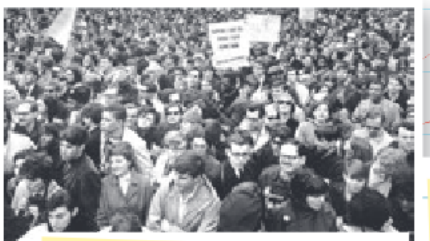
This growing opposition wasn't limited to civilians. In 1967, ex-soldiers formed Veterans Against the War, a powerful organisation that held protests and some members publicly threw away their military medals in acts of defiance.
Important
The formation of Veterans Against the War was particularly significant because it gave credibility to the anti-war movement. When veterans - who had actually fought in Vietnam - spoke out against the conflict, it was much harder for the government to dismiss opposition as unpatriotic.
TV and media coverage of the war
The first "media war"
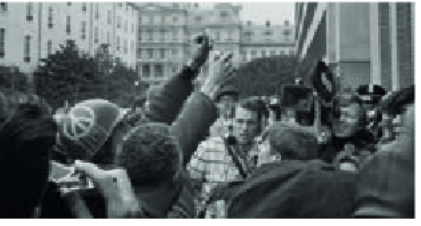
Unlike earlier wars, Vietnam was the first conflict where reporters were able to travel with the troops into the war zone and report back on what they saw. This brought the Vietnam War directly into people's homes via television. Indeed, the Vietnam conflict has been described as a 'media war' because media coverage was so important to public perceptions of the conflict.
The media also reported extensively on the large-scale anti-war protests that were spreading across the USA, further amplifying the opposition movement.
Note
Previous wars had been filtered through military censors and government press releases. Vietnam marked the first time Americans could see unfiltered footage of combat, casualties, and the realities of warfare broadcast directly into their living rooms each evening.
Impact of media images and footage on opinion at home
Many Americans started to believe the TV reporters were being more honest than the politicians about what was really happening in Vietnam. The news reports inspired the American public to get involved in understanding and debating the issues surrounding the war.
There was a growing feeling that the government could not be trusted to keep the public properly informed about what was happening. Many Americans also felt the government was misrepresenting how the war was progressing, leading to increased scepticism about official statements.
Vietnam and the draught system
How the draught worked
The draught system forced men aged 18-25 years to serve in the military forces. Men who were chosen for military service received draught cards telling them where to report for duty.
Example
Evolution of the Draught System (1966-1969)
Step 1: In 1966, the first men were drafted, chosen on the grounds that US authorities viewed them as 'delinquent' - meaning they did not behave in socially acceptable ways, such as being involved in petty crime
Step 2: Next, volunteers were used to fill military ranks
Step 3: Finally, men aged 18 to 25 years were called up for service
Step 4: In 1969, a lottery system replaced the old process for the draught. Men born between 1944 and 1950 were issued a number and called up at random
Scale of conscription
The draught system affected millions of Americans. Of the 2.6 million US soldiers who served in Vietnam, 650,000 were draftees - meaning about one in four soldiers had been forced to serve rather than volunteering.
Women were not drafted for active combat, but approximately 265,000 American women served during the Vietnam War, with 11,000 serving in Vietnam itself, primarily as volunteer nurses handling critical trauma cases.
Note
The scale of conscription was enormous - nearly a quarter of all Vietnam veterans were draftees who had no choice in their service. This involuntary nature of military service became a major source of resentment and opposition to the war.
The impact of increased conscription
The draught system led to widespread public criticism about unfairness, especially as the poorest families were hit hardest. Some men burned their draught cards or refused to join up. This was considered a criminal offence, so 'draught dodgers' had to go into hiding to avoid arrest.
Some fled to Canada, while men from wealthier families avoided service or postponed being called up by going to college or studying abroad. This created obvious inequalities in who was forced to fight.
Important
The draught system exposed deep social inequalities in American society. Wealthy families could afford to send their sons to college to avoid the draught, while working-class and poor young men had no choice but to serve. This class-based unfairness fuelled much of the anti-war sentiment.
The visible opposition to the draught became a powerful symbol of broader anti-war sentiment, with dramatic protests including public burning of draught cards that captured national attention.
Timeline of key events
- 1964-66: Initial support for Vietnam War begins to decline
- 1966: First men drafted under new system
- 1967: Veterans Against the War formed; major anti-war demonstrations begin
- 1969: Draught lottery system introduced
- 1970: Student population reaches 8.5 million, peak of campus protests
Summary
Key Points to Remember:
- Media coverage transformed public opinion - Vietnam was the first war brought directly into American homes through television, earning it the nickname "media war"
- The student movement grew rapidly - student numbers increased from 6 million to 8.5 million between 1965-1970, providing a large base for anti-war activism
- The draught system created widespread resentment - forcing young men to serve while allowing wealthy families to avoid service through college deferments highlighted social inequalities
- Veterans joined the opposition - the formation of Veterans Against the War in 1967 gave credibility to anti-war protests and showed even soldiers questioned the conflict
- Public trust in government declined - many Americans felt politicians were being dishonest about the war's progress, leading to increased scepticism of official statements