Reasons for US failure in Vietnam (Edexcel GCSE History): Revision Notes
📚Revision Notes
Impact of US opposition to the war
The Vietnam War created significant opposition within the United States, and this opposition had profound effects on American society, politics, and economics. Understanding these impacts helps explain why the war became increasingly difficult to sustain and ultimately contributed to US failure in Vietnam.
Note
The opposition to the Vietnam War wasn't just about ending a conflict—it fundamentally transformed American society and created lasting changes in how Americans relate to their government and military institutions.
Social divisions in American society
The anti-war movement created deep rifts in American society that had lasting consequences. The war fundamentally changed how different groups within America related to each other and to their government.
Growing distrust between citizens and institutions
One of the most significant impacts was the breakdown of trust between ordinary Americans and the institutions they had previously respected. The government and military, which had enjoyed strong public support in the 1950s, found themselves increasingly questioned and criticised. This erosion of trust made it much harder for the government to maintain support for the war effort.
Hostile treatment of returning veterans
Perhaps one of the most tragic consequences of the opposition movement was the way returning soldiers were treated. Many veterans faced real hostility when they came home, with some being labelled as "baby killers" by anti-war protesters. This treatment was particularly harsh because these soldiers had often been drafted rather than volunteering for service.
Important
Critical Impact on Veterans: The hostile treatment of returning soldiers represents one of the most shameful aspects of the anti-war movement. Unlike World War II veterans who returned as heroes, Vietnam veterans faced rejection from the very society they had served.
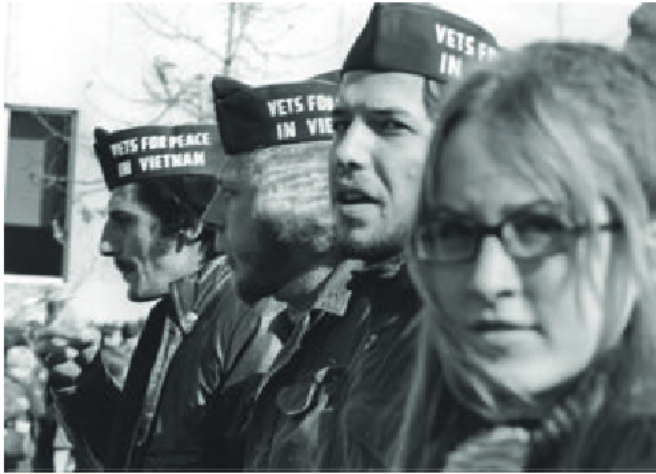
Some veterans experienced both verbal and physical attacks from anti-war activists. This hostile reception made it extremely difficult for many soldiers to readjust to civilian life after their service. The contrast was stark compared to how World War Two veterans had been welcomed home as heroes.
Mental health crisis among veterans
The combination of the traumatic war experience and hostile reception at home led to devastating consequences for many returning soldiers. There was a notably high suicide rate among Vietnam veterans, as they struggled with feelings that American society had abandoned them. These men had been sent to fight a war that their own country increasingly rejected, leaving them feeling isolated and betrayed.
Financial impact on domestic programmes
The enormous cost of the Vietnam War had serious consequences for domestic spending priorities in America. The government found itself unable to fund both an expensive foreign war and ambitious social programmes at home.
President Johnson's "Great Society" programme, which aimed to reduce inequality and tackle racial divisions through increased spending on education, healthcare, and poverty reduction, lost crucial funding that went to the war instead. This meant that pressing domestic problems remained unaddressed while resources were diverted to the conflict in Southeast Asia.
Note
The financial trade-off between war spending and domestic programmes created a cruel irony: while America spent billions fighting communism abroad, it couldn't afford to address inequality and social problems at home that might have strengthened American society.
Political pressure on the government
The anti-war movement created intense political pressure that ultimately influenced government decision-making and America's international standing.
Damaged international reputation
The United States' reputation abroad was significantly diminished as a result of the Vietnam War. Other countries watched as America became bogged down in a conflict it appeared unable to win, despite its overwhelming military and economic advantages. This damaged America's credibility as a world leader and made other nations question US judgement in international affairs.
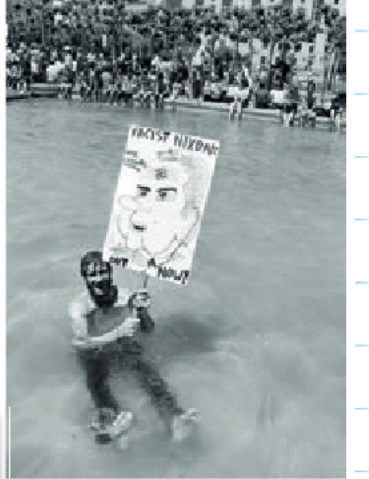
Government concerns about future military involvement
By the end of the conflict in 1975, when the whole of Vietnam came under communist control, the US government had become extremely cautious about military involvement abroad. The Vietnam experience made both politicians and the public wary of committing American forces to conflicts that might become prolonged and unpopular.
Fundamental shift in public attitudes towards authority
Perhaps the most lasting impact was how the Vietnam War changed Americans' relationship with their government. In the 1950s, most Americans had considerable respect for government authority and trusted their leaders' decisions. However, twenty years later, the general feeling had shifted dramatically towards the view that people should be more questioning of government power and decisions.
The Vietnam War played a crucial role in this transformation, as Americans saw their government continuing a war that many felt was unjustified and unwinnable. This scepticism towards authority became a permanent feature of American political culture.
Timeline of key events
- 1950s: American public generally trusting and respectful of government authority
- 1969: 600,000-strong anti-war demonstration in Washington D.C., with many Vietnam veterans joining the protest movement
- 1973: Major anti-war protests continue, including demonstrations outside city halls across America
- 1975: Vietnam War ends with communist victory, leaving lasting impact on American society and politics
Example
Example of Changing Attitudes: The Generational Divide
To understand how dramatically attitudes changed, consider this comparison:
- 1950s mindset: "The government knows best, we should support our leaders"
- 1970s mindset: "We need to question authority and hold government accountable"
This shift from trust to scepticism became one of the war's most lasting legacies.
Summary
Key Points to Remember:
-
Social divisions: The war created deep splits in American society, with veterans facing hostility and high suicide rates upon their return home
-
Financial costs: War spending reduced resources available for domestic programmes like education and poverty reduction, leaving social problems unaddressed
-
Political pressure: Massive anti-war demonstrations and public opposition made it increasingly difficult for the government to continue the war effort
-
Trust breakdown: The war fundamentally damaged the relationship between American citizens and their government, creating lasting scepticism towards authority
-
Long-term consequences: By 1975, America had lost the war and its approach to both domestic and foreign policy was permanently changed by the opposition movement