Cultural changes, 1924-29 (Edexcel GCSE History): Revision Notes
📚Revision Notes
Cultural changes, 1924-29
Introduction to Germany's cultural transformation
Between 1924 and 1929, Germany experienced a remarkable period of cultural innovation and experimentation. This era, often called the "Golden Age" of the Weimar Republic, saw artists, filmmakers, and architects break away from traditional approaches and create bold new forms of expression. The driving force behind much of this creative revolution was a movement called Expressionism, which encouraged artists to focus on raw emotions and personal experiences rather than simply copying reality.
Note
This period of cultural flourishing coincided with Germany's economic recovery after the devastating hyperinflation crisis of 1923. The relative political and economic stability of these years created the perfect conditions for artistic experimentation and innovation.

Art and the expressionist movement
German artists during this period wanted to create art that meant something deeper than just pretty pictures. They painted scenes from everyday life but did so in ways that would make people think about problems in German society. The artistic style known as Expressionism became the dominant force in German art during these years.
Expressionism was fundamentally different from earlier artistic movements because it prioritised emotional impact over realistic representation. Artists working in this style were deeply influenced by the trauma and devastation of the First World War, and their work reflected their attempts to process and comment on the disaster that had befallen their nation.
Important
Expressionism was defined as being "concerned with raw emotion, reflecting the artists' ideas and feelings, and confronting the disaster of the First World War." This movement represented a complete break from traditional artistic approaches that had dominated German culture before 1914.
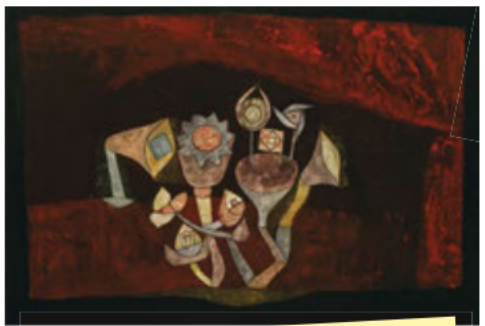
Key figures in this movement included Otto Dix and George Grosz, who created powerful social commentary through their artwork. Paul Klee, another influential artist, taught at the revolutionary Bauhaus school and developed a unique style that combined abstract elements with emotional depth. His 1926 painting "Cave Flowers" demonstrates the innovative approaches that Expressionist artists were taking during this period.
The Expressionist artists weren't just creating art for art's sake - they were using their work as a form of social criticism, commenting on the difficulties of post-war German life and challenging people to think differently about their society.
Cinema and film innovation
The 1920s marked a golden period for German cinema, with films becoming popular entertainment across the world. German filmmakers embraced Expressionist techniques, creating movies that were visually striking and emotionally powerful. These films challenged traditional approaches to storytelling and visual presentation.
German cinema during this period was characterised by dramatic lighting effects, unusual camera angles, and grotesque or exaggerated characters. This created a distinctive visual style that was very different from the more conventional films being made elsewhere. Movies like "Metropolis" (a science fiction epic), "The Cabinet of Dr. Caligari" (a psychological horror film), and "The Cat and the Canary" (a ghost story) showcased these innovative techniques.
Note
These German films gained international recognition and influenced filmmakers around the world. The distinctive visual style of German Expressionist cinema can still be seen in modern horror and science fiction films today.
Marlene Dietrich emerged as one of Germany's most famous actors during this time, becoming an international star who represented the sophisticated, modern image of Weimar culture. Her success demonstrated how German culture was beginning to influence and compete with other major cultural centres around the world.
These films were revolutionary because they used visual techniques to create psychological effects on audiences, moving beyond simple entertainment to create art that challenged viewers' perceptions and emotions.
Architecture and the bauhaus revolution
Perhaps nowhere was the challenge to traditional approaches more evident than in architecture and design. The Bauhaus school, established in Weimar in 1919 by architect Walter Gropius, represented a complete reimagining of how buildings and objects should be designed and created.
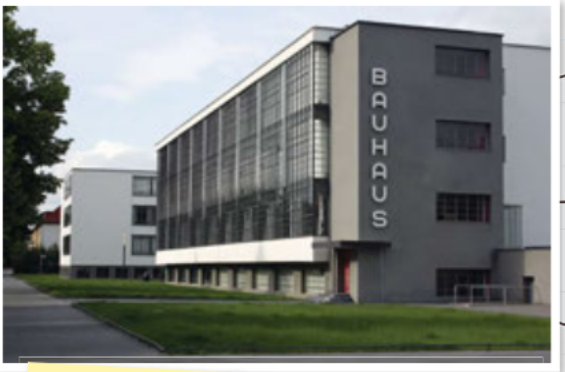
Gropius had a revolutionary idea: instead of keeping different creative disciplines separate, he wanted to bring together art, architecture, design, typography, and sculpture all under one roof. This approach was radical because it challenged the traditional separation between "fine art" and "practical design" that had existed for centuries.
Example
The Bauhaus Philosophy in Action:
The Bauhaus approach can be seen in their building design process:
Step 1: Identify the function the building needs to serve
Step 2: Choose materials and techniques that best support that function
Step 3: Create a design that is both beautiful and practical
Step 4: Integrate artistic elements that enhance rather than decorate
This represented a complete departure from traditional architecture that prioritised ornate decoration over practical function.
The Bauhaus school attracted many talented artists and designers who were excited by this new approach. Their ideas about design looked completely different from anything that had come before the war - they emphasised clean lines, functional beauty, and the integration of modern materials and techniques.
The school's building in Dessau, designed by Gropius between 1925-26, became a perfect example of their philosophy in action. With its geometric shapes, extensive use of glass, and emphasis on functionality, it represented everything the Bauhaus stood for: modern, practical, and boldly different from traditional architectural styles.
Impact on german society and values
These cultural changes represented much more than new artistic styles - they reflected a fundamental shift in how Germans were thinking about their society and their place in the modern world. The new Weimar culture directly challenged traditional attitudes and values that had dominated German society before the war.
Traditional German culture had emphasised hierarchy, formality, and respect for established authority. The new cultural movements of the 1920s promoted individual expression, social criticism, and experimentation with new ideas. This created tension between those who embraced the changes and those who preferred older, more conservative approaches.
Important
This cultural revolution created significant social tensions. While many younger Germans embraced the new artistic movements and modern values, traditionalists viewed these changes as a dangerous departure from German cultural identity. This cultural divide would later be exploited by extremist political movements.
The cultural innovations of this period also reflected Germany's attempt to establish itself as a modern, forward-thinking nation that could compete on the international stage. Through cinema, art, and architecture, Germany was showing the world that it remained capable of cultural leadership despite the devastation of the war.
Timeline of key events
- 1919: Walter Gropius establishes the Bauhaus school in Weimar
- Early 1920s: Expressionist films begin gaining international recognition
- 1924: Beginning of the "Golden Age" period of cultural stability
- 1925-26: Bauhaus school building constructed in Dessau by Gropius
- 1926: Paul Klee creates "Cave Flowers" while teaching at Bauhaus
- 1929: End of the cultural golden age as economic depression begins
Summary
Key Points to Remember:
-
Expressionism dominated German culture between 1924-29, emphasising raw emotion and social commentary over traditional artistic approaches
-
Key figures included Otto Dix, George Grosz, and Paul Klee in art, Marlene Dietrich in cinema, and Walter Gropius in architecture
-
The Bauhaus school revolutionised design by combining multiple creative disciplines and challenging traditional separation between art and practical design
-
German cinema gained international recognition through innovative films using dramatic lighting and psychological techniques
-
These cultural changes challenged traditional German values and represented the nation's attempt to establish modern, international cultural leadership