Waste Management (OCR GCSE Biology A, Combined (Gateway Science Suite)): Revision Notes
📚Revision Notes
7.3.2 Waste Management
Types of Waste
- Household Waste: Includes everyday items like food scraps, packaging, and household products.
- Industrial Waste: By-products from manufacturing, mining, and other industrial processes.
- Agricultural Waste: Waste from farming activities, including animal manure, crop residues, and pesticides.
- Hazardous Waste: Waste that poses a risk to human health or the environment, such as chemicals, batteries, and electronic waste.
Environmental Impacts of Poor Waste Management
-
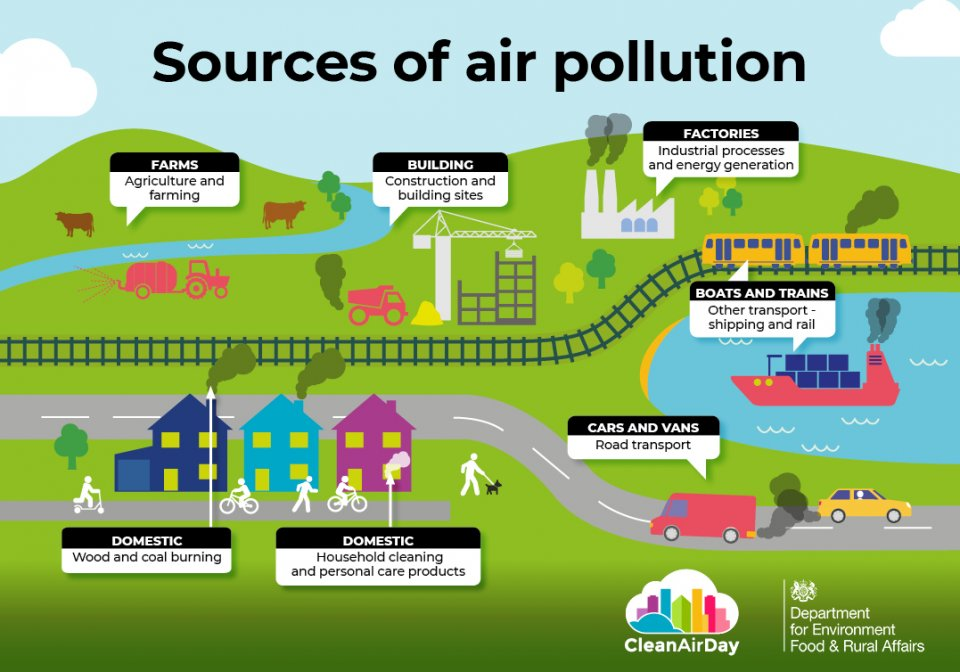
Pollution: Improper disposal of waste can lead to air, water, and soil pollution. For example:
- Air pollution from burning waste, which releases harmful gases like carbon dioxide and methane.
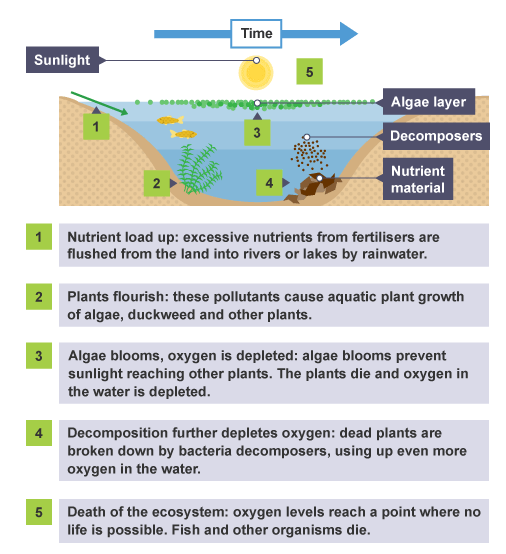
- Water pollution from chemicals and waste entering rivers, lakes, and oceans.
- Soil contamination from hazardous materials, affecting plant growth and entering the food chain.
-
Habitat Destruction: Landfills and waste dumps can destroy natural habitats, displacing wildlife and reducing biodiversity.
-
Health Risks: Exposure to hazardous waste can lead to serious health problems for humans and animals.
Strategies to Protect Biodiversity
- Reduce, Reuse, Recycle: Minimising waste reduces pollution and habitat destruction, helping to preserve ecosystems.
- Composting: Turning organic waste into compost enriches soil without harming the environment.
- Proper Waste Disposal: Ensuring waste is managed properly, like using lined landfills, prevents pollution and protects habitats.