Resources & Sustainability (OCR GCSE Chemistry A, Combined (Gateway Science Suite)): Revision Notes
📚Revision Notes
10.1.1 Resources & Sustainability
What's in Our Water?
Importance of Water:
- Water is essential for life. The quality of life depends on the availability of clean water.
- In the UK, rainwater is treated to make it drinkable.
Composition of Water:
Note
The formula for water is H₂O, but everyday water contains more than just hydrogen and oxygen.
- Water is a fantastic solvent that dissolves two main types of solutes:
- Ions: As water flows over the ground, it picks up various ions from minerals, such as Mg²⁺, Ca²⁺, Na⁺.
- Gases: Rainwater dissolves gases like oxygen (important for marine life) and carbon dioxide (which lowers the pH of water).
Contaminants in Water:
- Water also picks up microorganisms (natural pollutants) like bacteria and viruses.
- Additionally, it may contain man-made pollutants such as fertilisers, pesticides, and household and industrial waste.
Sustainable Water Supply
Water Availability:
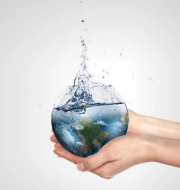
- Although Earth has plenty of water, only a small fraction is safe for drinking.
- With a growing population and developing industries, the demand for water is higher than ever.
Why Do We Need Water?:
- Industrial Use: Water is needed in factories for cooling machinery.
- Hygiene: We need water for personal hygiene, such as washing clothes and keeping clean.
- Drinking Water: Water is essential for drinking and maintaining health.
- Agriculture: Water is necessary on farms to grow food.
Water Usage:
- On average, people in the UK use 150 litres of water per day.
- Water comes from natural underground storage, rivers, and various reservoirs.
- Drought can occur during dry conditions when there is insufficient rain to replenish water supplies.
Sustainability and Water Shortages:
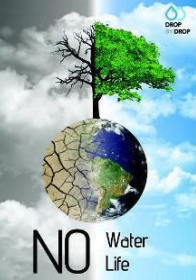
- Water Shortages: These occur when the demand for water exceeds the supply, posing a threat to life and the environment.
- Future Risks: Climate change may increase the risk of water shortages, making the efficient use of water even more important.
Ways to Conserve Water:
- Use washing machines and dishwashers only when they are full.
- Take showers instead of baths to use less water.
- Reuse waste water for plants and car washing.
- Repair dripping taps to prevent water waste.
- Avoid letting water run unnecessarily, such as when brushing teeth.