Plate Boundaries (OCR GCSE Geography A (Geographical Themes)): Revision Notes
📚Revision Notes
1.2.2 Plate Boundaries
Destructive Plate Boundary
- Destructive Plate margins are where two plates are moving towards each other.
- When a heavier oceanic plate meets a continental plate, it is forced down (subducted) into the mantle and melted (DESTROYED). This rising heat from the melting plate causes volcanoes. The 'scraping' of the plate as it is subducted is what causes earthquakes.
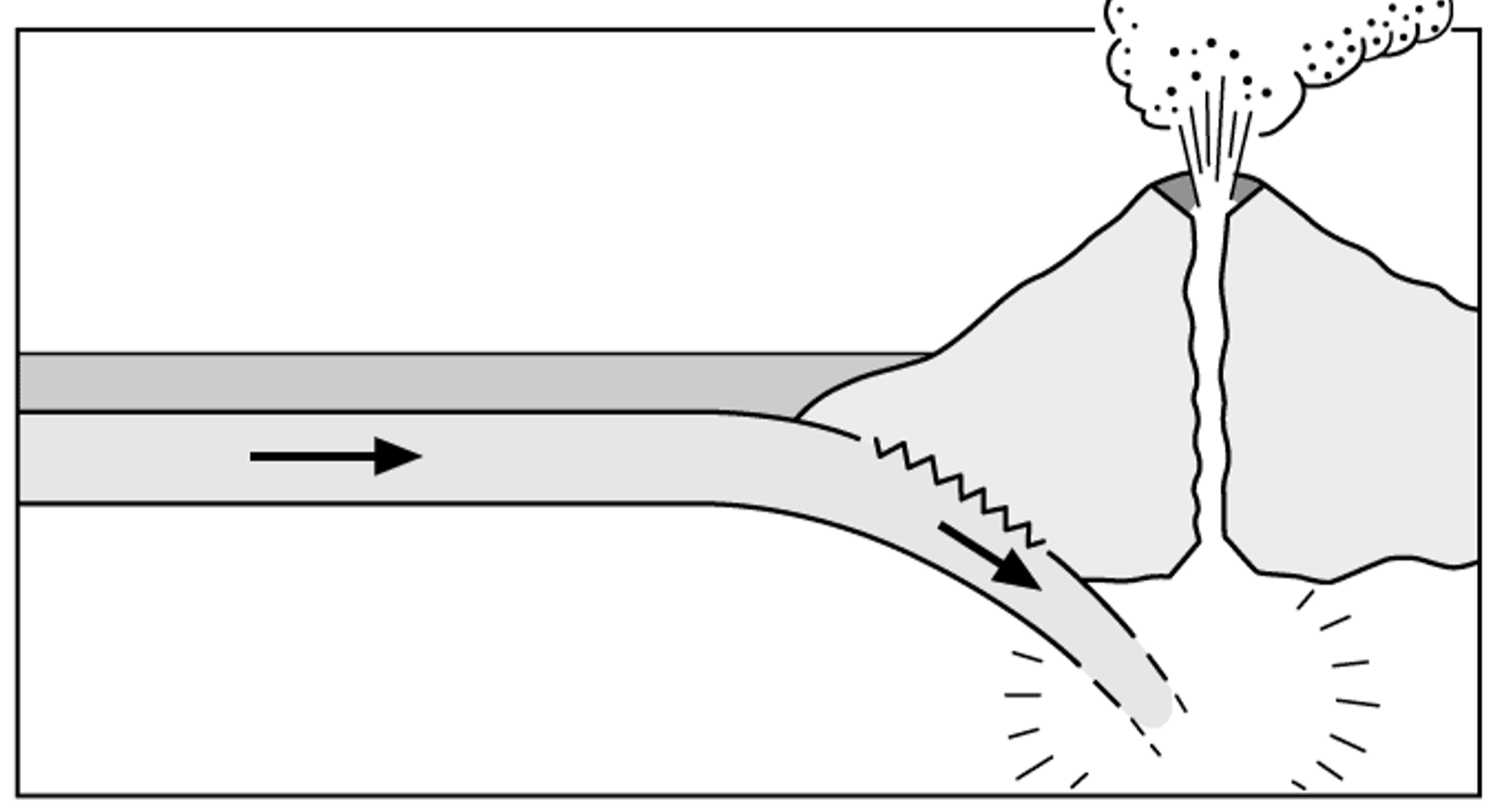
Destructive Margin
Conservative Plate Boundary
- Conservative Plate margins are where two plates are sideways past each other.
- As the plates move past each other, they can cause friction, and as this friction builds and is released, earthquakes occur.
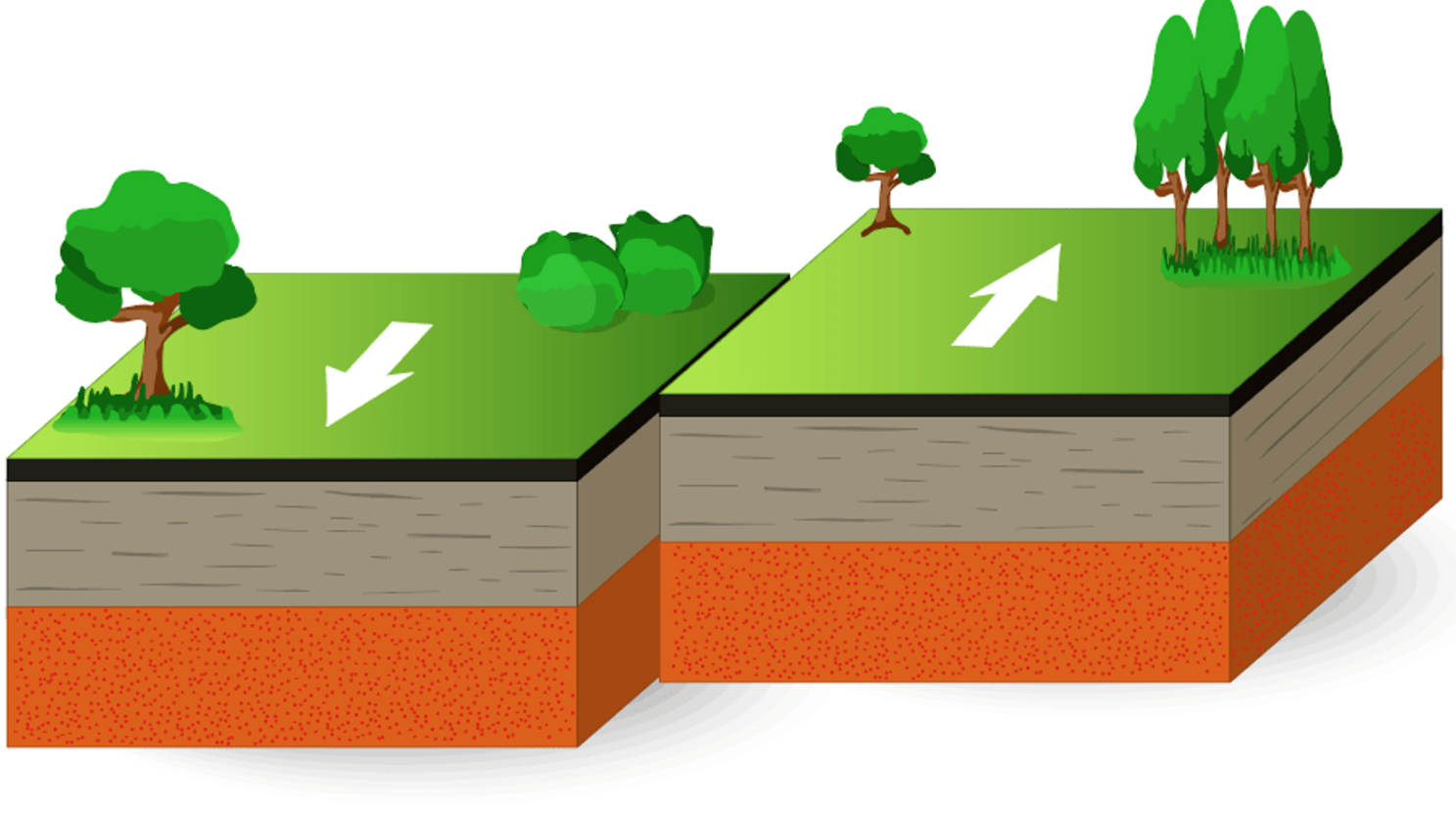
Conservative Plate Margin
Constructive Plate Boundary
- Constructive Plate margins are where two plates move away from each other.
- Magma rises from the mantle to fill the gap and cools, CONSTRUCTING new crust.
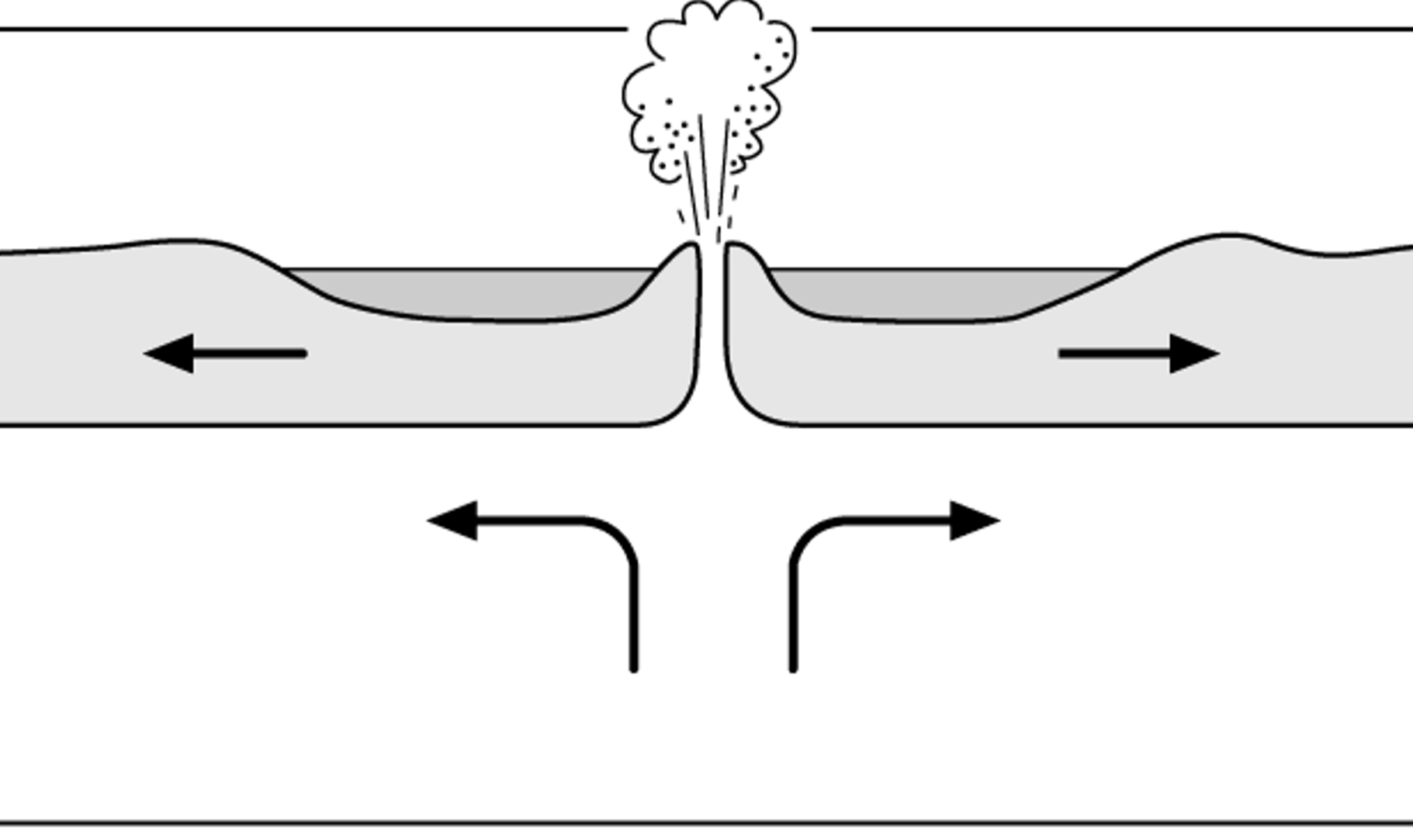
Constructive Plate Margin
Collision Plate Boundary
- Collision Plate margins are where two plates move towards each other.
- As both are continental crusts, one cannot be forced down, so both are pushed upwards forming 'fold' mountains.
- An example is the Himalayas and earthquakes happen here 📝 (e.g., Nepal case study).
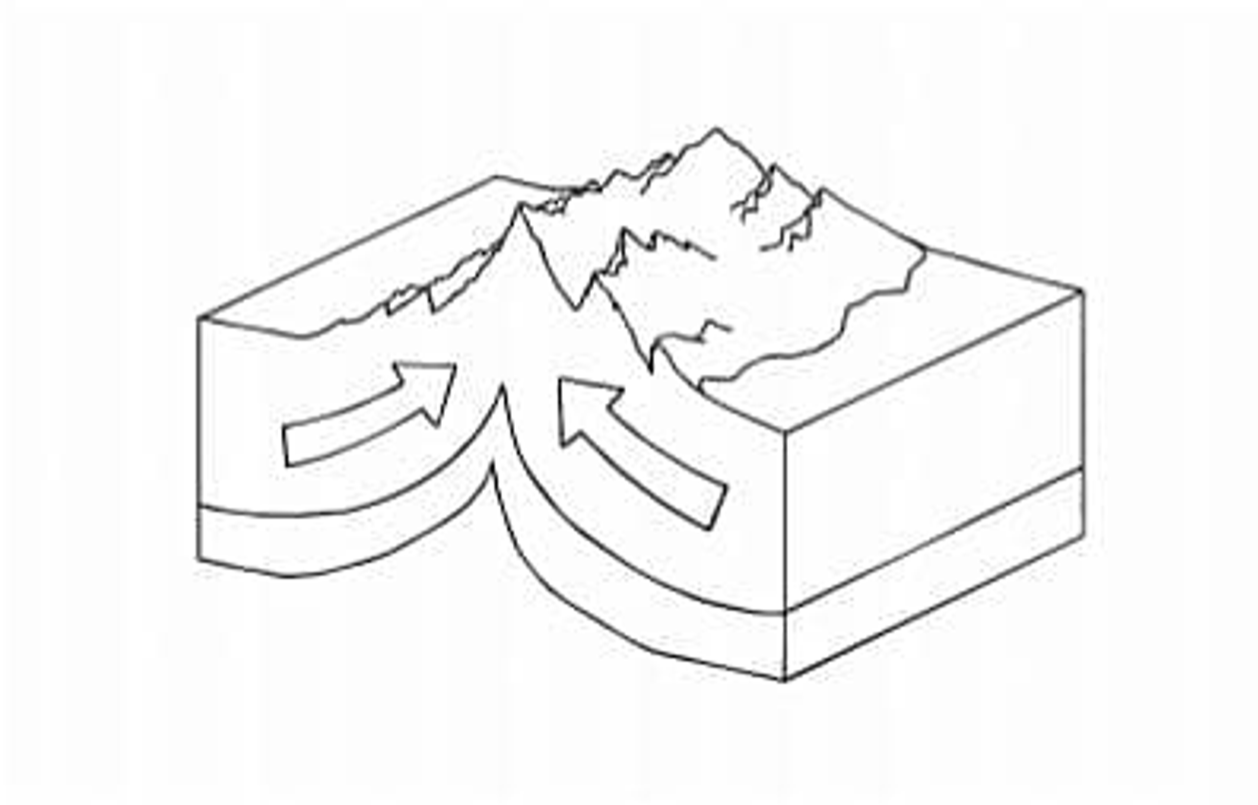
Collision Plate Boundary