Differing attitudes towards the British Empire at the beginning of the twentieth century (OCR GCSE History B (Schools History Project)): Revision Notes
📚Revision Notes
Differing attitudes towards the British Empire at the beginning of the twentieth century
Contextual overview
Note
The 19th century was a time when Britain dominated the world by building an empire that spanned continents and numerous countries.
Commerce: Britain was one of the first nations to industrialise on a massive scale. Britain imported raw materials such as cotton, rubber, palm oil and food to be processed into manufactured goods, which were then sold back to the colonies.
Identity: Over the course of the 18th and 19th centuries, Europe and Britain developed attitudes that they were more advanced, civilised and "superior" to other civilisations. They believed it was their duty to Christianise the world and used it as a justification for domination and takeover.
Migration: The Industrial Revolution had changed the landscape of Britain and its colonies. Small-scale farmers were replaced by large mechanised farms and people moved from rural settings to urban ones. British people also migrated to the new colonies to seek fortune and new opportunities.
Empire: The British Navy grew from the 17th century into one that effectively ruled the seas. It was able to protect the island nation but also merchant ships and colonies. By being able to effectively transport large numbers of troops, the empire was able to maintain control in its colonies.
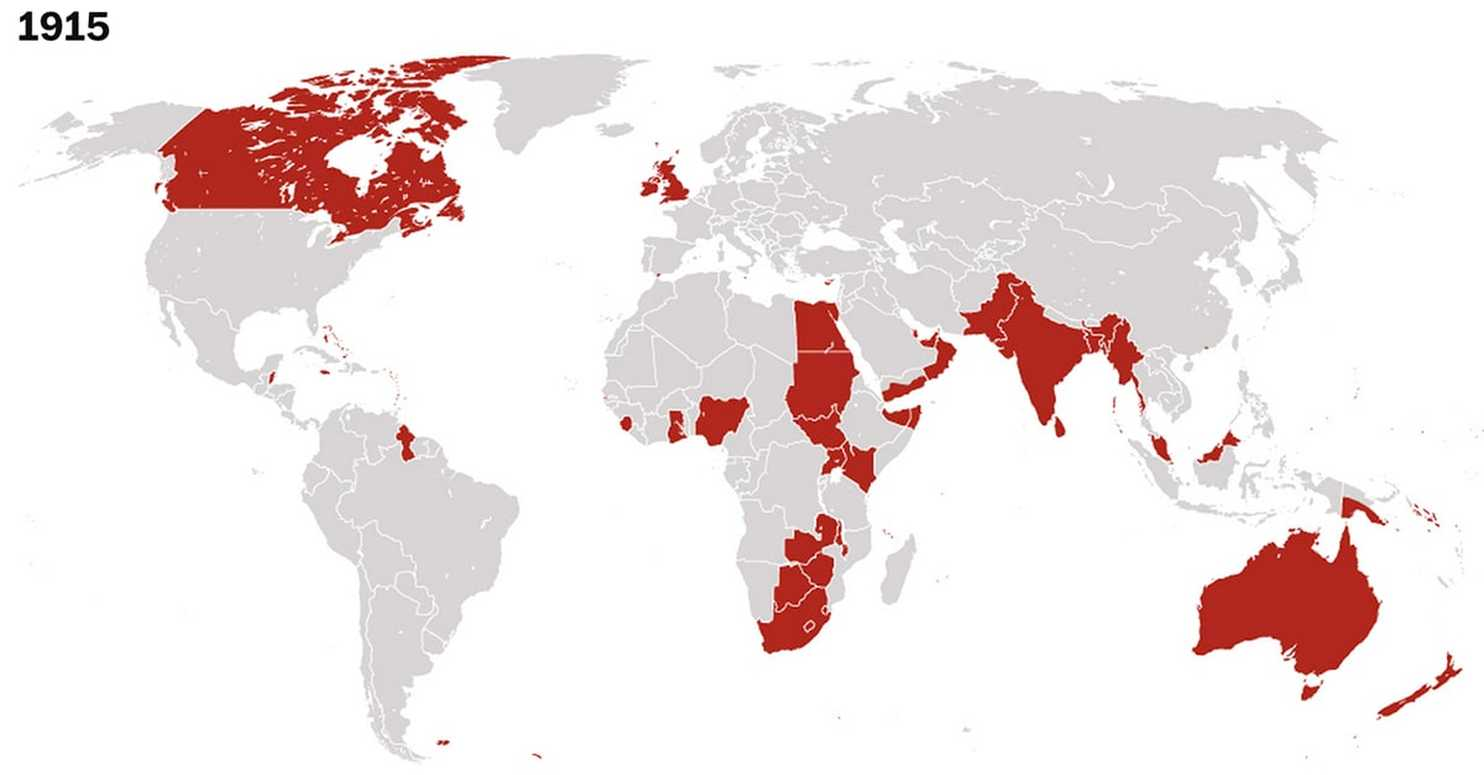
Britain in the Age Empire
Social Darwinism: Charles Darwin came up with the Theory of Evolution in the 19th century to describe how different species change over time. Though people are all the same species, this theory was adapted to suggest non-white people and their cultures were inferior.
Industrialisation: Thanks to a revolution in manufacturing, which saw record levels of production (and therefore profits), the British economy began to grow in the late 18th century. This helped develop the infrastructure of cities.
Imperial Propaganda: The size of the British Empire was a matter of pride and prestige. Consequently, advertisers were quick to associate their goods with the empire.
Imperialism: Colonies were seen as important sources of trade and resources as well as symbols of power, and several European nations had high ambitions.
Commerce: Britain's mechanise factories manufactured huge quantities of textiles and metal products and the empire formed its marketplace.
Differing attitudes towards the British Empire at the beginning of the 20th century
Note
You may have heard of the quote "the empire on which the sun never sets" used in the context of the British Empire, and this is because, at its height, its territory was so extensive that it seemed that at least some part of the empire was always in daylight. By 1913, the British Empire controlled over 412 million people, 23% of the world population at the time, and by 1920, it covered 35,500,000 km2, or 24% of the Earth's total land area.
Members of the British Empire viewed this seemingly unending expansion as inevitable and as a force for good. It differentiated itself from empires of old, such as Rome and Egypt, which it described as tyrannical dictatorships, and instead positioned itself as "the most beneficial empire ever known".
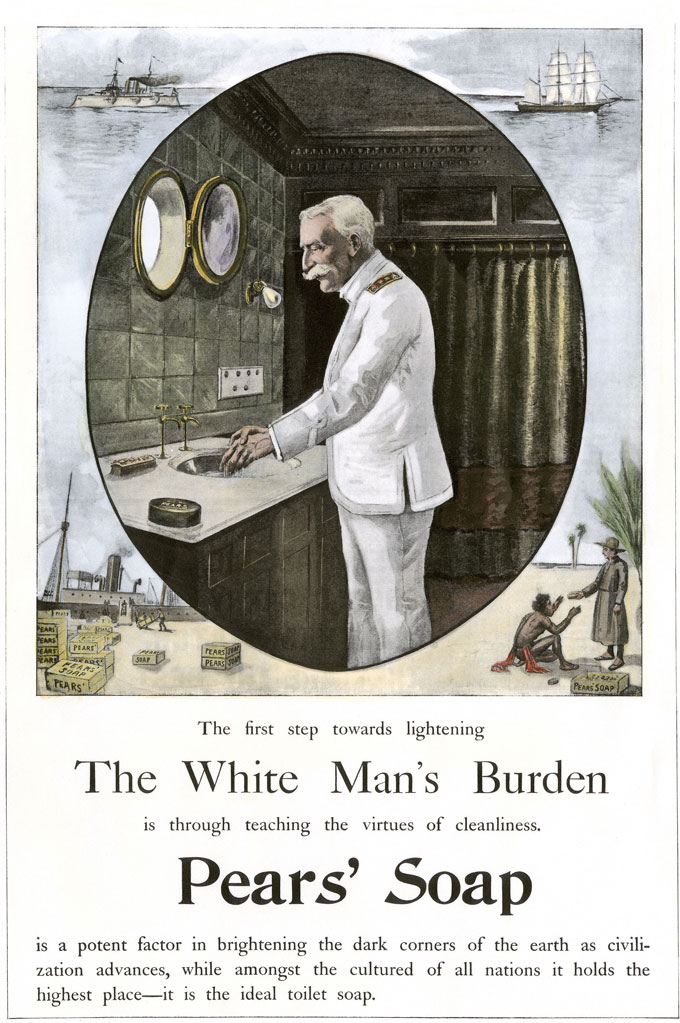
Not everyone felt the same way, however, least especially the territories who were colonised, such as Ireland and India, two colonies that were beginning to question this idealised narrative of dominion. As such, over the course of the early 20th century, more and more voices began to be heard criticising the empire.
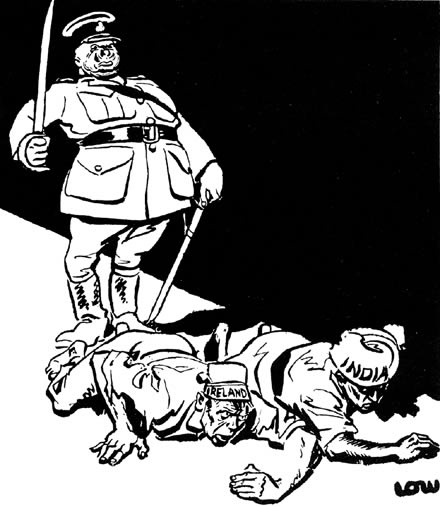
A prominent attitude at the beginning of the 20th century was that of the "white man's burden". This was the belief that the empire was a force for good and that it was the duty of British citizens to "civilise" the world and to extol the virtues of British culture and rule. Advertising, such as the one alongside, were common in newspapers in the early 20th century.
For middle- and upper-class women, it was considered proper to have a nanny raise their children. Edwardian mothers would thus only spend an hour or two with their children in the evenings shortly before bedtime.
Note
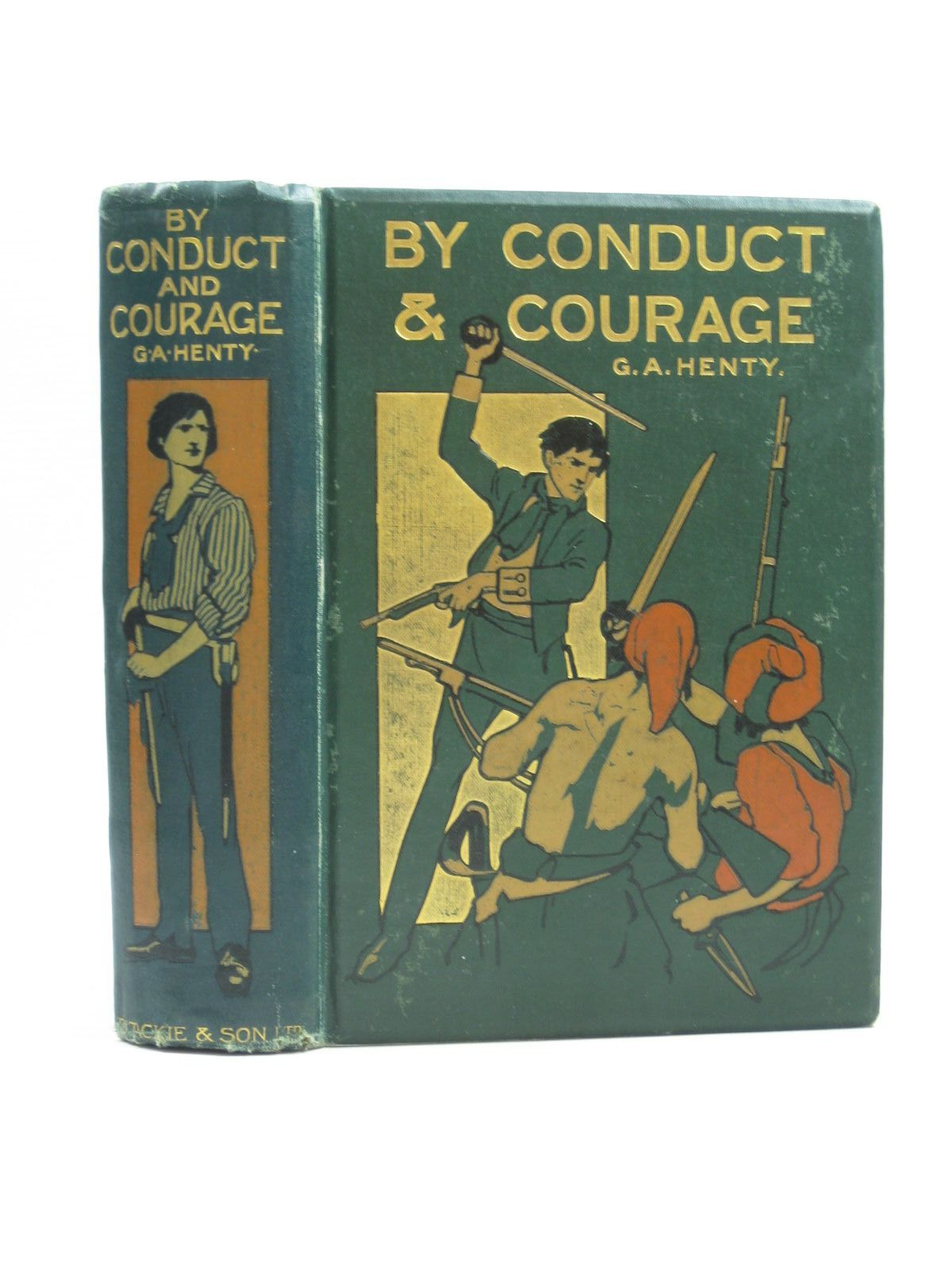
From 1820, it was law for every child to go to school. This meant literacy rates were on the rise and affordable newspapers were popular with the working class. Even children's books told stories of British adventurers in distant lands.
British Control of the Cape Colony and the Growing Tensions with the Boers (1803-1834)
Prior to 1814, the colony at the Cape of Good Hope belonged to the Dutch. Other than it's strategic port, Britain had very little interest in the colony that it took by force in 1803.
- Though Britain initially stated that things could continue as normal at the colony, in 1806 they banned the Dutch language.
- The aim was to convert the various European settlers to British language and culture.
- Another change Britain insisted on was that the Cape finance itself through self-taxation.
- Britain further alienated the Boer and Dutch settlers by outlawing slavery in 1834. More than 90% of grain and wine farms in the region were dependent on slave labour.
- As relations worsened, waves of Boers began leaving the Cape Colony for the interior in journeys called 'treks'.
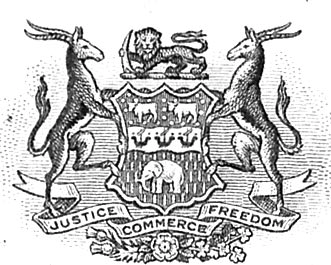
Coat of arms for the British South Africa Company, 1889-1965
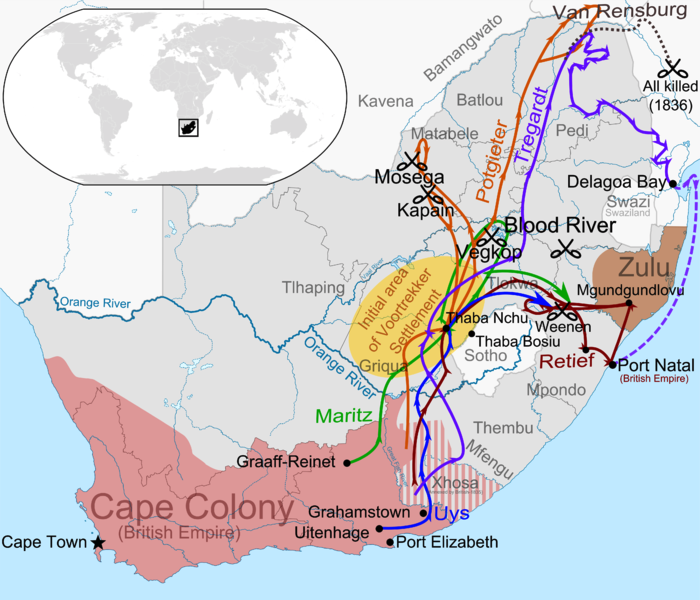
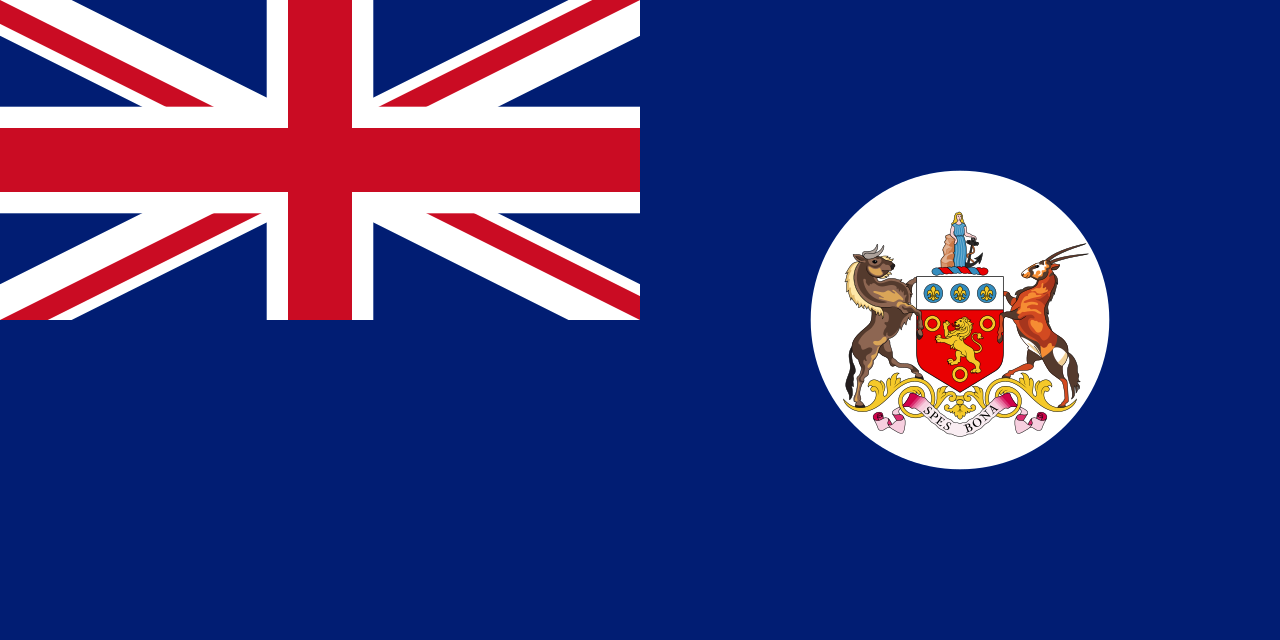
L: Waves of Boer treks, R: Flag of the Cape of Good Hope
The aim of these 'treks', which literally means 'move', was to establish independent Boer settlements.
For the most part, Britain recognised the autonomy of the Boer republics, which were the Transvaal and the Orange Free State, but the relationship was always uneasy. And then the gold was found...
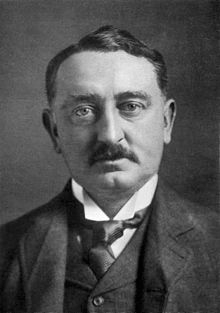
Cecil John Rhodes
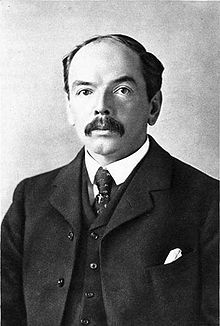
Leander Starr Jameson
The Randlords
The interior of South Africa contained gold and diamonds. A Randlord was an entrepreneur who controlled the gold and diamond industries in the pioneering phase of the 1870s and leading up to World War I.
Cecil Rhodes was among the European Randlords who gained control of the diamond mining industry in Kimberly in the Northern Cape and set up the necessary infrastructure to exploit the resources. In 1886, gold was discovered in the Transvaal and Witwatersrand (modern-day Johannesburg and surrounds).
Rhodes was a British businessman who accumulated considerable wealth in South Africa's diamond mining industry through the De Beers Diamond Company. He was also PM of the Cape Colony from 1890 to 1896 and a fervent supporter of British Imperialism.
Leander Jameson was a Scottish doctor-turned-politician and Randlord best known for his involvement in the failed Jameson Raid. Jameson was instrumental (infamous) in Rhodes being able to turn modern-day Zambia and Zimbabwe into British colonies.
The Early Struggles and Tactics of the Boer War (1899-1902)
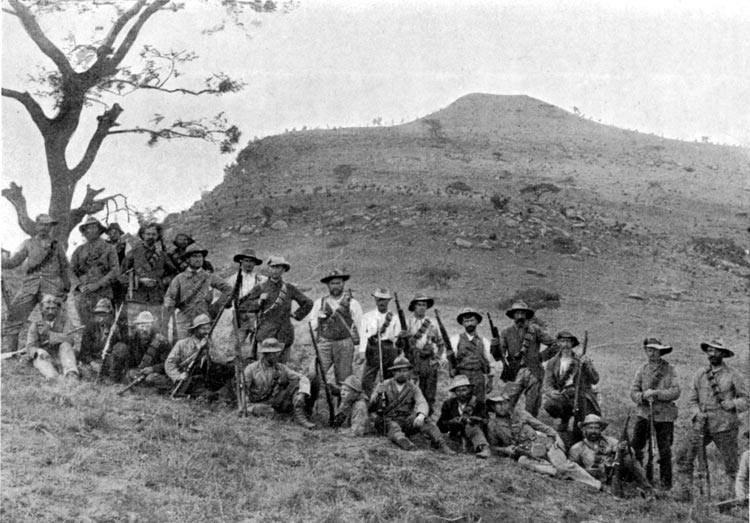
The early months went very badly for the British with three key sieges at Mafikeng, Kimberly and Ladysmith. The British were unprepared for the guerilla tactics used by the Boers, who were volunteer units, excellent horsemen, knew the land, and were indistinguishable from civilians.
- Hostilities grew between the Boers, who were mostly farmers, and the British, who wanted to develop the gold mining industry in the same way they had the diamond industry.
- The Boer Republics treated British miners (known as uitlanders) poorly and also taxed them.
- Rhodes lobbied to improve the uitlanders' situation and for Boer governments for concession.
- When they refused, war was declared in 1899.
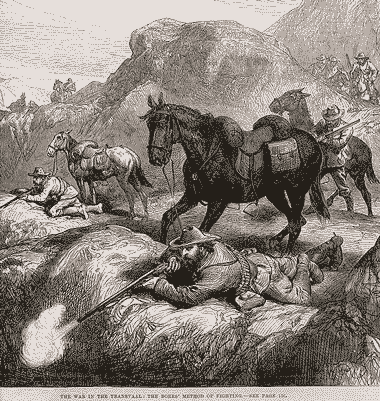
Illustration of a Boer guerilla in the Boer War.

The Boers initially outnumbered the British heavily, which allowed for early advantages. However, when British reinforcements arrived, the tides rapidly turned in favour of Britain.
- Even with thousands of British reinforcements, and the capture of the Boer capital, Pretoria, the Boers refused to surrender.
- Guerrilla warfare continued under generals Louis Botha, Jan Smuts, Christiaan de Wet and Koos de la Rey.
- British Lord Roberts and Lord Kitchener then employed a scorched earth policy to impede the Boer forces.
- Around 30,000 civilian farms and 40 Boer towns were destroyed leaving women and children homeless or sent to concentration camps.
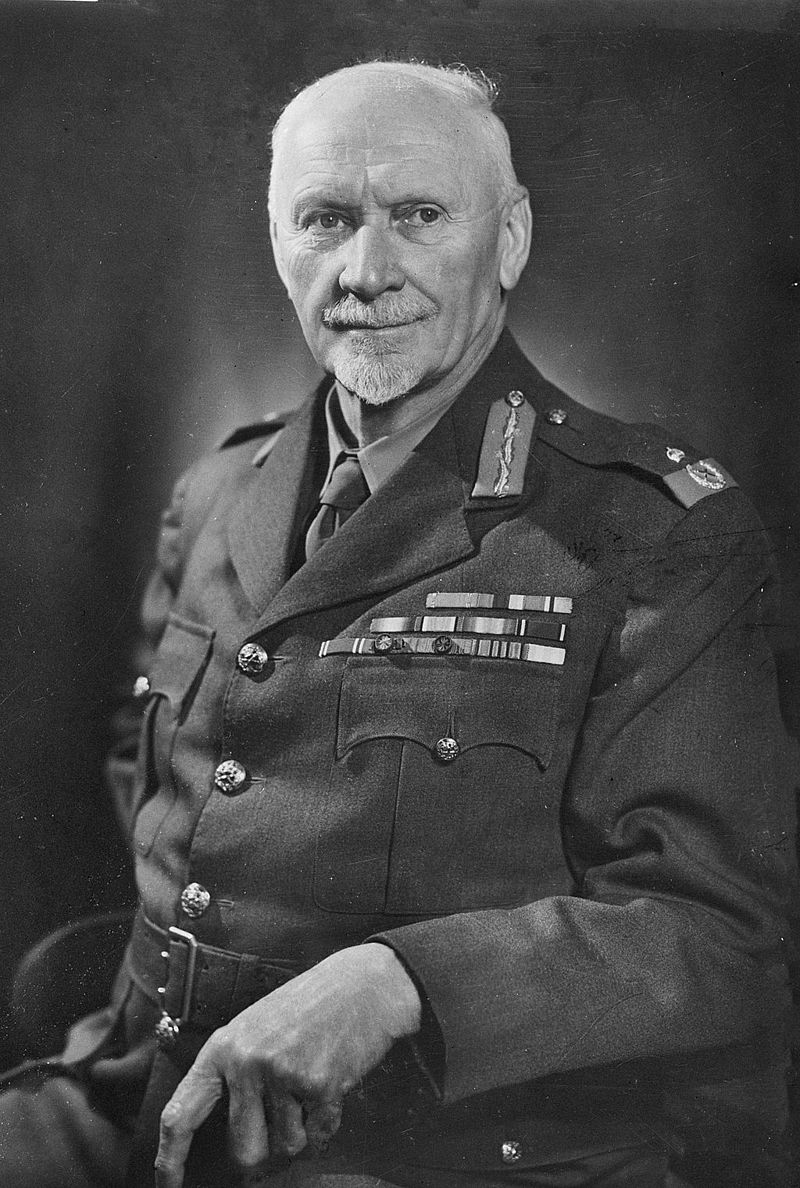
Gen. Jan Smuts
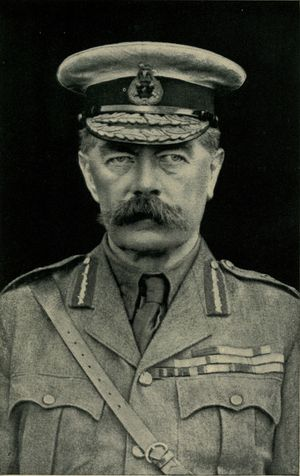
Lord Kitchener
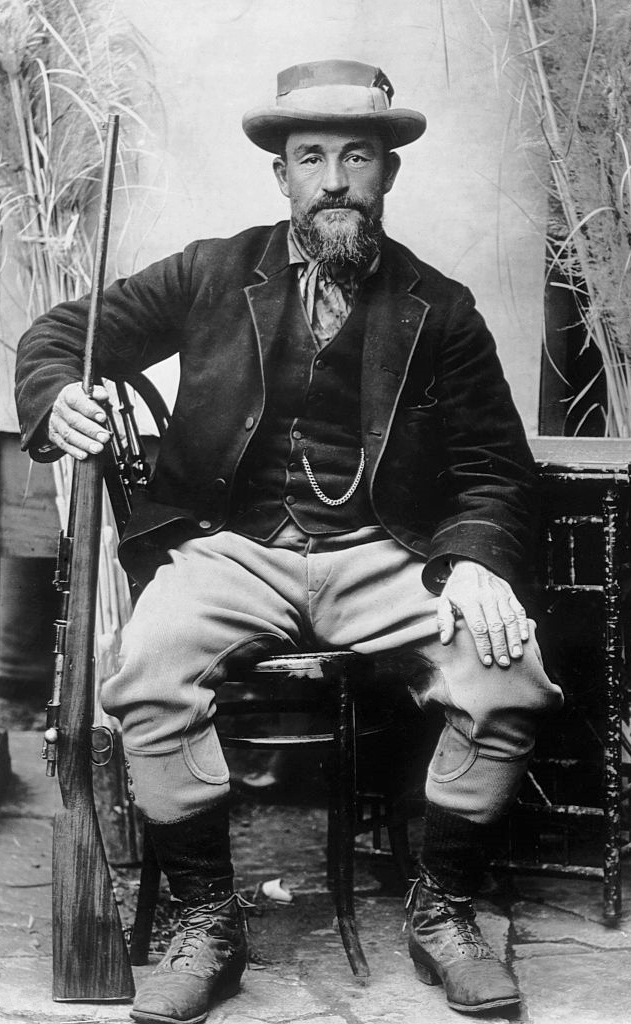
Christiaan De Wet
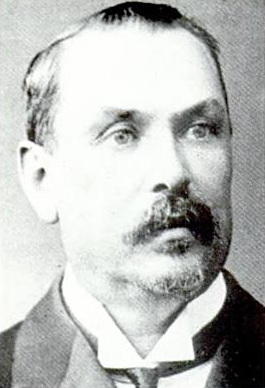
Louis Botha
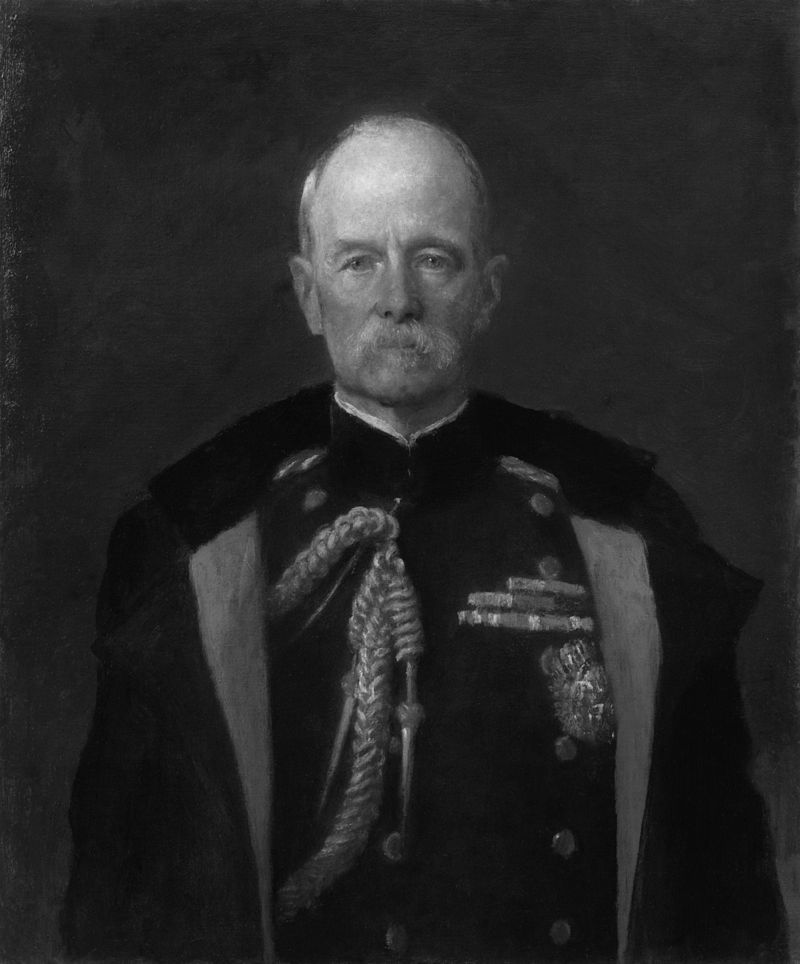
Lord Roberts
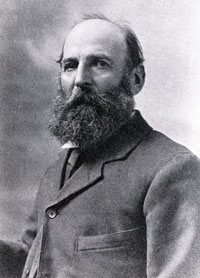
Koos De La Rey
Scorched Earth Policy
Note
Scorched earth: Destruction of crops and livestock, burning of homesteads and farms, poisoning of wells and salting of fields.
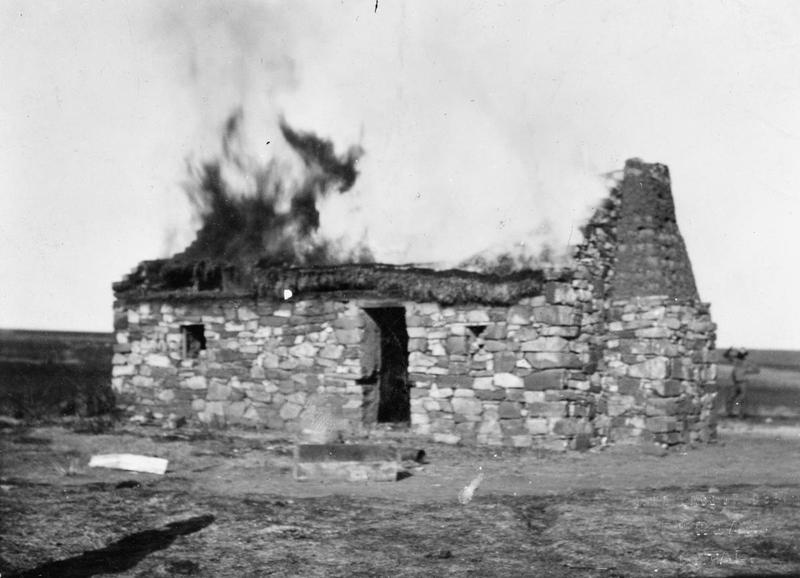
Photograph depicting Britain's scorched earth policy in the Boer War
-
Both Lord Roberts and Lord Kitchener used a scorched earth policy to impede the Boer forces.
-
Around 30,000 civilian farms and 40 Boer towns were destroyed leaving women and children homeless. The aim was to:
- Reduce hiding places/refuge and supplies for Boer commandos
- Cut off food supplies from farms to the Boer forces and republics
- Hinder mobility by killing cattle and horses
- Demoralise Boer forces
-
Boer women and children were rounded up and placed in concentration camps.
The Impact of British Concentration Camps in the Boer War
Note
Emily Hobhouse was the secretary of the South African Conciliation Committee, which opposed the British government's policy on South Africa. A humanitarian and pacifist, she visited SA in December 1900. Upon visiting the concentration camps she returned to Britain to campaign against the camps and was influential in bringing reform.
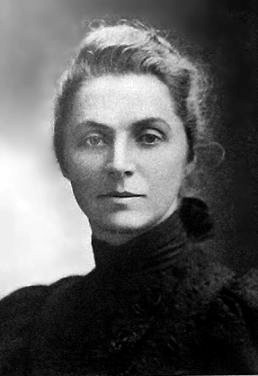
- Towards the end of the war, there were more than 40 concentration camps housing more than 116,000 Afrikaans women and children and a further 60 camps housing 115,000 black people.
- The tented prison camps were overcrowded and had poor sanitation leading to outbreaks of typhoid. The conditions caused thousands to die of starvation, exposure or illness.
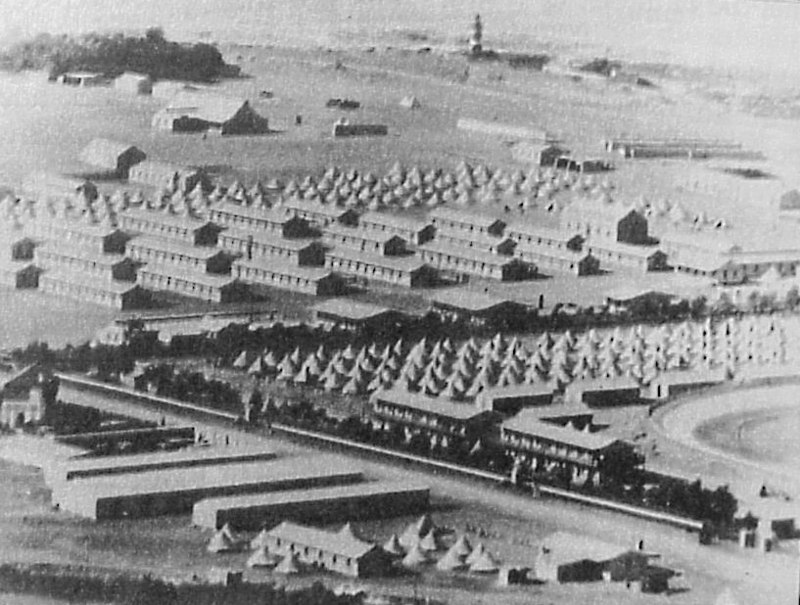
Photograph of transit camp for POWs
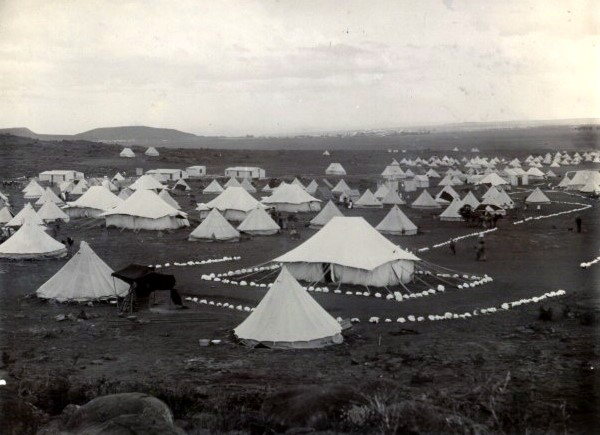
Concentration camp outside Bloemfontein
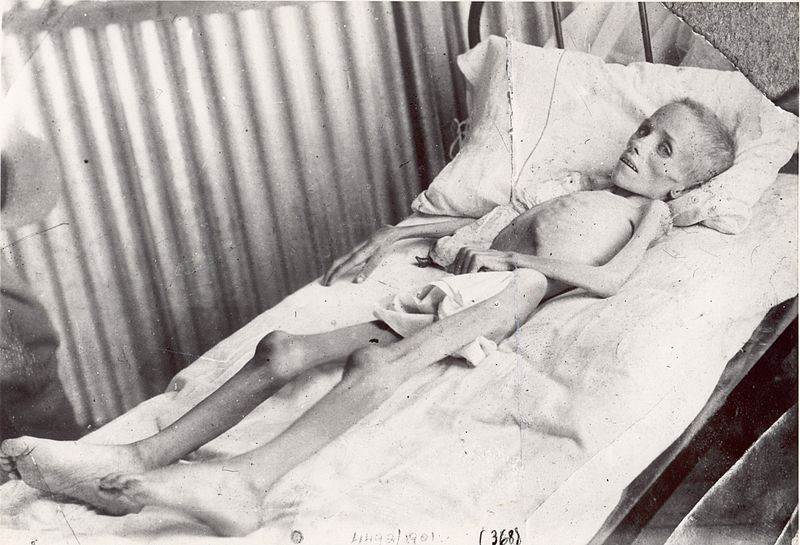
Seven-year-old Izzie van Zyl died of typhoid
Note
Volunteers rushed to sign up to the army, and there was national jubilation when Britain managed to take back Mafikeng after a 217-day-long siege.
In phase 1 of the Boer War (1899-1901) the British were overly confident of success - it had lots of money, men and resources against a Boer republic of 300,000 and no regular army.
The people of Britain, therefore, were supportive of the war and cheered as the First Army Corps left Southampton for Africa.
During the Boer War, technology improved, which meant it was possible to photograph combat as well as film it.
Press coverage of the Boer War was largely patriotic. With the nature of the conflict and establishment of concentration camps being published in newspapers, however, positive attitudes to the war began to weaken.
Imperial conflicts in the second half of the 19th century
Changing Attitudes: Early Stages
- At the start of the war, the British were largely opposed to the Boers.
- British press was overwhelmingly in support of the government.
- At its peak, nearly 100,000 young British men volunteered for the war.
Changing Attitudes: From 1901...
- Liberal groups mobilised to protest the war. This included the South African Conciliation Committee (Hobhouse).
- The press had turned against the war, and liberal groups distributed pamphlets.
- Britain was perceived as capitalistic and greedy for gold and diamonds.
- Public support plummeted as the war became more difficult for Britain and treatment of the Boers came to light.
- Allegations of corruption played a part as Rhodes owned many diamond mines, and Lord Chamberlain and his family had large investments in munitions firms that were profiting from the war.
- Opposition to the war was strongest among the Irish Catholics who sympathised with Boers being oppressed by British tyranny.
Differing attitudes towards the British Empire: responses to the Boer War
Changing attitudes in Britain
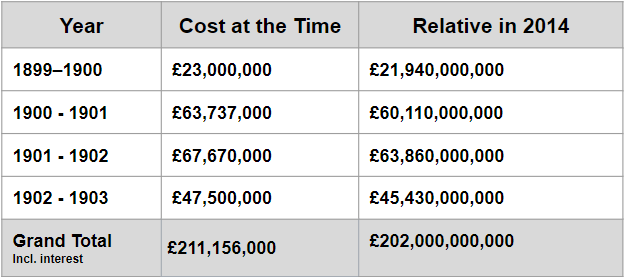
- Britain was paying heavily for the Boer Wars, both financially and with men (22,000 dead, 75,000 wounded or sick) and public sentiment.
- Inside Britain, the Liberal Party fought against British war policies, but was ineffective against the Conservative Party of Prime Minister Salisbury.
The 1900 'Khaki' Election
- Held between 26 September and 24 October 1900, following the dissolution of Parliament on 25 September, this general election was the first of its kind in Britain.
- Believing that the Second Boer War had effectively been won - which it hadn't - the conservatives sought to capitalise on the win and the Conservative Party, led by Lord Salisbury, secured a large majority.
- This was the first time that Winston Churchill was elected to the House of Commons. It was also the final general election of the Victorian era and the 19th century.
Was it all worth it?
The ugly face of imperialism: Through the treatment of Boer civilians, the war showed that the power of the British Empire was not always a force for good.
Bad press: Campaigns by the likes of Emily Hobhouse shone a light on the appalling treatment and conditions of Boer women and children in concentration camps.
British humiliation: The British faced harsh opposition and lost many soldiers compared to the Boers. The British imperial army had its flaws.
War called into question: Though the Boers lost the war, they were able to retain a lot of their independence, which called into question the point of the war.
Victory for Britain: With the arrival of British reinforcements and the use of scorched earth, Britain was able to win the Boer War. But 81% of Boer deaths were children.
Differing attitudes towards the British Empire: responses to the Boer War
In 1900, liberals who opposed the war were condemned as pro-Boer. However, as awareness grew, public opinion changed. By 1902, Lloyd George stated:
"[The Boer War is] a war of extermination… the savagery of which will stain the name of this country."
The sentiment was shared around the world and the handling of the Boer War helped propel them to victory in 1906.
What became clear about the war and the empire were two main things:
- Running the Empire was hugely expensive for the British people.
- Only a few people benefited from the Empire In India, the British army consisted of 74,000 troops and 157,000 Indian troops who all needed to be paid for by the taxpayer
Most people remained very poor. Around £230 million came to Britain from imperial investments, but only into the hands of investors. Because of their wealth, they also had power and influence with policy. Historians argue that the Boer War was a capitalist war to protect Rhodes' investment
The aftermath of the Boer War
In the aftermath of the Boer War at the beginning of the 20th century, a different attitude began to take hold: responsibility rather than glory.
With all its land and wealth, Britain had a responsibility to develop agriculture, transport, commerce, education, and justice in lands it controlled.
What's more, it wasn't enough to just control the land, but power needed to be shared for eventual self-government.
To combat the negative attitude to the Empire, the British government embarked on a public relations campaign to showcase the benefits of British rule. Empire Day was established from 1904 in which schools and communities saluted the flag and listened to speeches and stories about British colonies and heroes. Photographs were also taken to contrast a colony's native characteristics and after British rule.
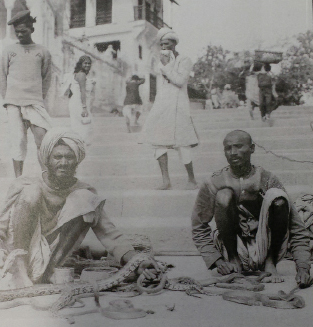
Snake charmers at Benares
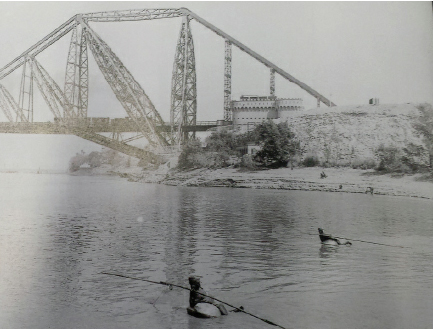
Lansdownne Bridge over the river Indus (modern-day Pakistan) completed by 1899