Theatres and their opponents (OCR GCSE History B (Schools History Project)): Revision Notes
📚Revision Notes
Theatres and their opponents
Elizabethan England engaged in relatively few military campaigns (compared to the all-out war on the continent) which meant money, time and energy could be channelled into the creative arts. The establishment of Protestantism and the Church of England, and the influence of the Renaissance meant that many of the constraints of the Catholic Church on the arts fell away. Elizabeth I was a popular queen, and what she liked, her subjects took a keen interest in too. Consequently, her love of the arts and theatre drove popular interest.
Why was entertainment important?
High mortality rate, low life expectancy
Frequent plagues and disease
High unemployment and poverty
Note
Entertainment was a means to shake off depressing circumstances (especially for the poor) and celebrate life.
Theatres
- Prior to Elizabeth's accession, there were no theatres in England.
- Then, purpose-built theatres began to appear, particularly in London.
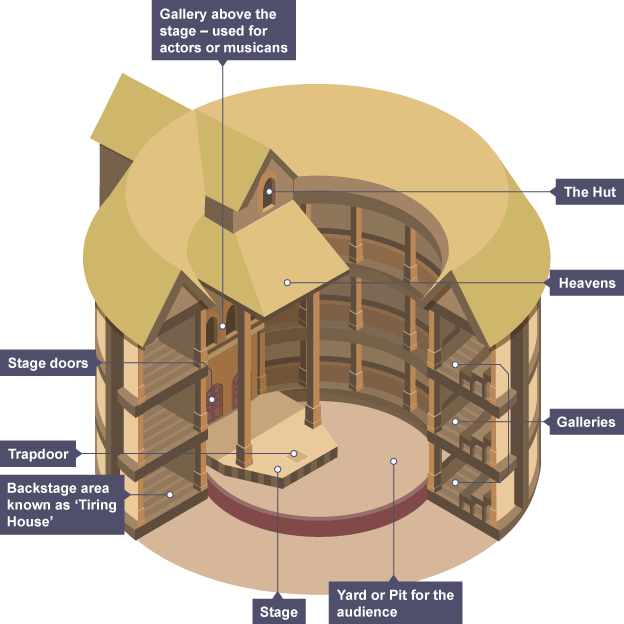
- Theatres were attended by all classes. Their structure accommodated the social divisions.
- Poor people could pay a penny to stand in the pit (aka peanut gallery).
- The rich could buy seats in the galleries.
- Players (actors) got by on patronage.
- Women were banned from acting and were played by teenage boys.
- Theatre was informal with heckling and speaking in the audience.
Note
Illustration of a typical Elizabethan theatre. Poor people stood in the pit, wealthy people sat in the galleries.
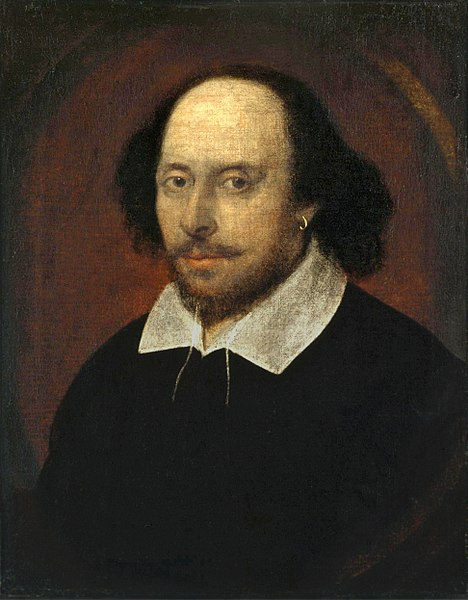
William Shakespeare
- Whilst there were many playwrights in Elizabethan England, William Shakespeare is arguably the most well-known and popular.
- He was a versatile playwright with comedies, romances, tragedies and dramas linked to English history.
- He wrote 37 plays in his career.
- Aware of the queen's vanity, he often flattered the Tudor Dynasty. For example, he depicted Richard III as an evil murderer and Elizabeth's grandfather, Henry VII, as a noble king.
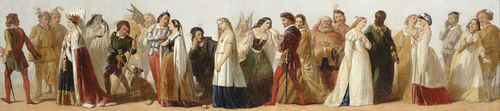
William Shakespeare
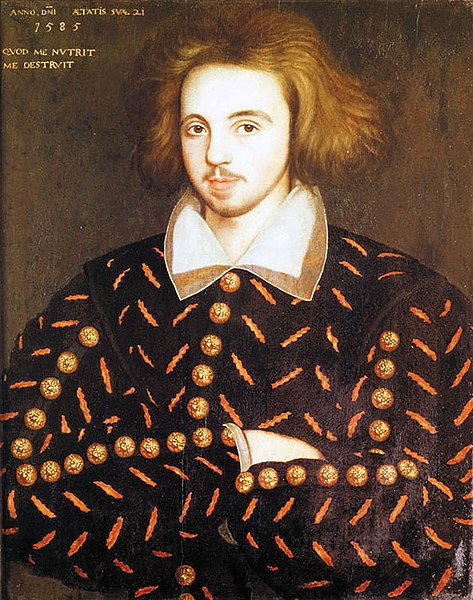
Christopher Marlowe
Note
Christopher Marlowe and Shakespeare were viewed as rivals and it is thought that Shakespeare was credited with some of Marlowe's work.
Popularity of Theatre
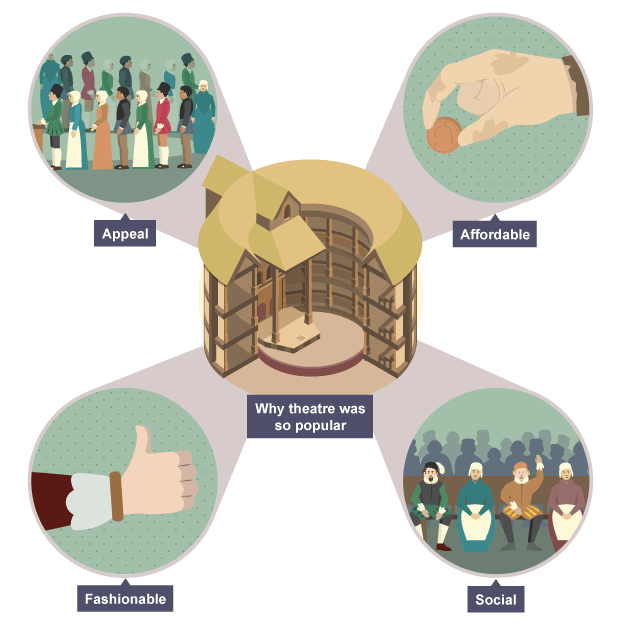
- Elizabeth I was a big fan of theatre and encouraged it, and so it became more popular as her subjects emulated her interests.
- Theatres were affordable for all classes. A penny could buy a poor/unemployed person entertainment for up to two hours.
- Theatres were a good place to socialise. Nobility could advance their social ambitions, poor people could socialise with their friends.
- Plays often had themes appealing to audiences including love and romance, magic, loyalty and patriotism, exploration and travel.
- Plays included dirty jokes, fight scenes and lewd behaviour.
Opponents of theatres
Whilst both rich and poor Elizabethans enjoyed theatres and other forms of entertainment, there were people who were opposed to these practices. The authorities and the Puritans did not approve of theatres and holidays.
Note
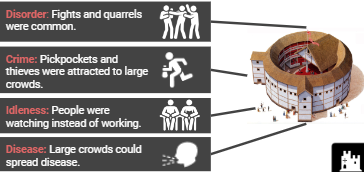
The church and the queen were worried that theatres were used to spread ideas against them. As a result, Elizabeth I appointed the Master of the Revels to censor plays for blasphemy or dubious politics. It was the responsibility of the Lord Mayor and his councillors to maintain law and order in these crowds.
Why the authorities did not like the theatre?