Imperial ambition: the motives and achievements of Elizabethan adventurers (OCR GCSE History B (Schools History Project)): Revision Notes
📚Revision Notes
Imperial ambition: the motives and achievements of Elizabethan adventurers

Imperial ambition: the motives and achievements of Elizabethan adventurers
Part of the Elizabethan Golden Age were voyages of exploration. The New World to the west had yet to be discovered and demand for luxurious spices, perfumes, silk and cotton from the east fuelled trade. But over-land transport was long and costly - it could take up to three years for Far Eastern goods to reach Europe. Danger came in the form of the Muslim Ottoman Empire that was hostile towards Christians and could easily block trade routes. The answer was ships.
With national glory at stake, much European exploration in the 15th and 16th centuries was funded by monarchs. Through this, Vasco da Gama found a route to India around the tip of Africa, discovered by Diaz, while Columbus came upon the New World seeking a route to India.
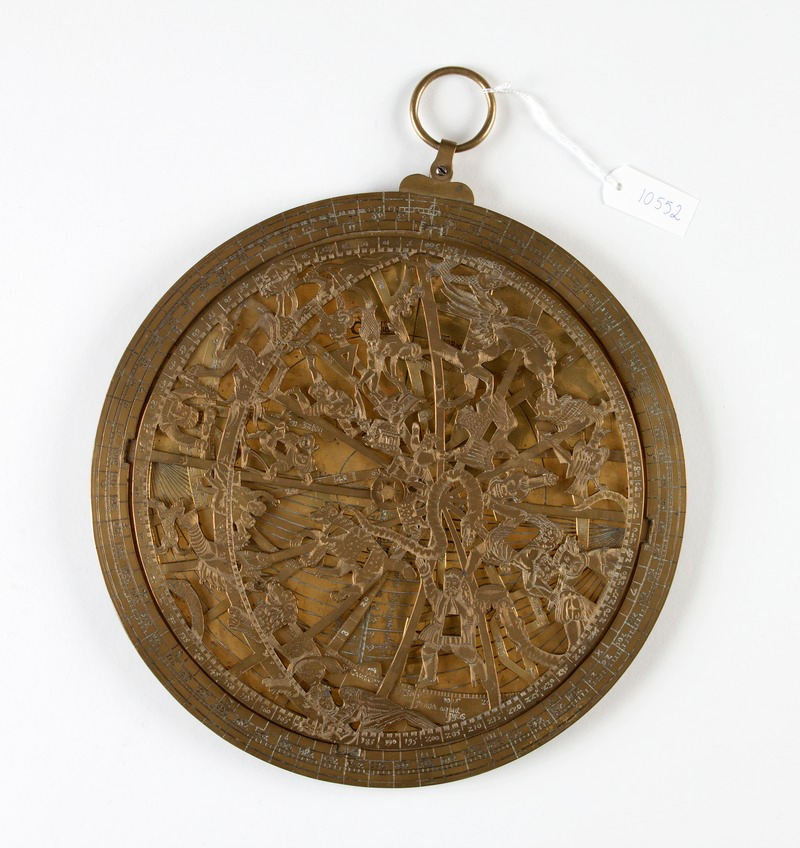
An astrolabe, c.1540-70
Note
The Astrolabe, which helped ships to accurately plot their position, combined with the magnetic compass, a proliferation of printed maps, and improvements to ship design allowed sailors to go farther than ever before.
Why did Elizabeth encourage exploration?
Elizabeth supported the strengthening of England's naval power.
Elizabeth was keen to expand England's overseas territory.
Elizabeth wanted to reduce Spain's threat by actively attacking it.
There was a need for new routes, new markets and new goods.
Elizabethan adventurers
Spain and Portugal were the naval superpowers at this point in history and became extremely rich as a result. Henry VIII had made a powerful enemy of Spain and English ships were consequently denied licences to trade with Spanish colonies. England's answer came in the form of privateers. These nimble English ships were privately owned and they robbed cumbersome Spanish treasure ships with permission from the queen.
Note
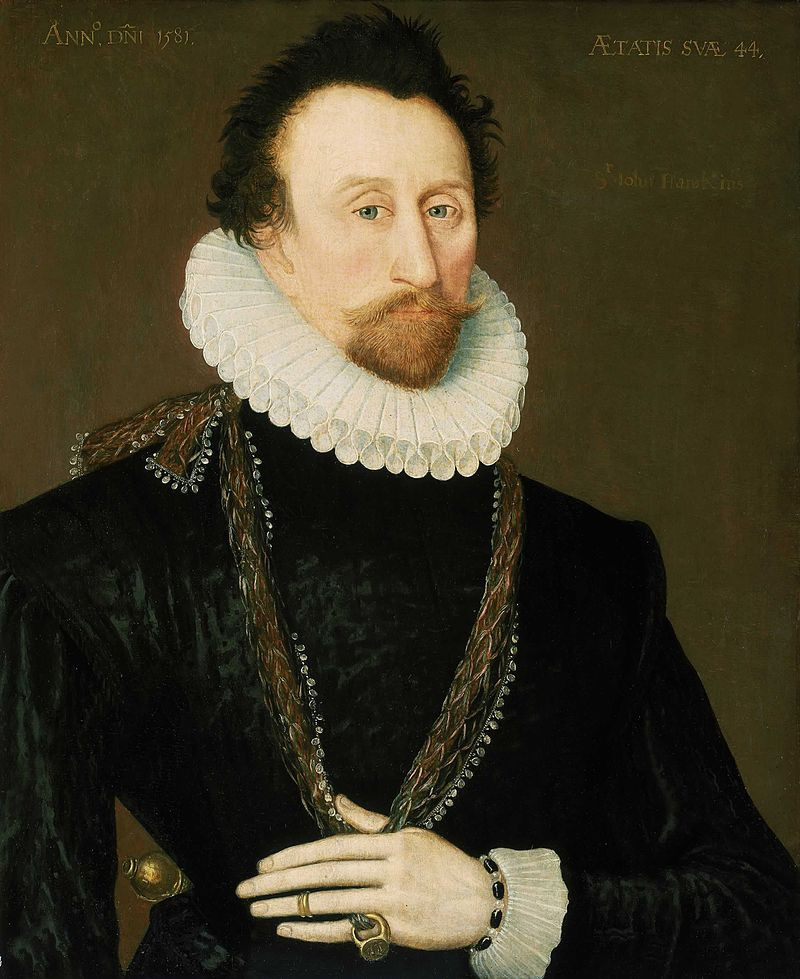
SHIP DESIGN Because of Hawkins's encounters with the Spanish, he designed new ships for the navy based on his experience with them. The English ships were quicker and easier to manoeuvre.
ADMIRAL JOHN HAWKINS 1532-1595 • English slave trader • Naval commander • Merchant • Navigator • Ship designer and builder • Privateer • Cousin of Francis Drake
FIRST VOYAGE (1562-63) With the help of investors, Hawkins set sail for the Caribbean with three ships. Going via Sierra Leone, he hijacked a slave ship carrying 301 slaves and sold them in Santo Domingo, making an enormous profit. His actions caused Spain to ban all English ships from trading in their West Indies colonies.
SECOND VOYAGE (1564-65) Sponsored by Elizabeth, Hawkins set sail with Drake to the west coast of Africa, stealing around 400 slaves which he sold in Borburata. He was able to sell to the Spanish by paying a tax and gained a commercial licence. His expedition saw a 60% profit and was considered a resounding success.
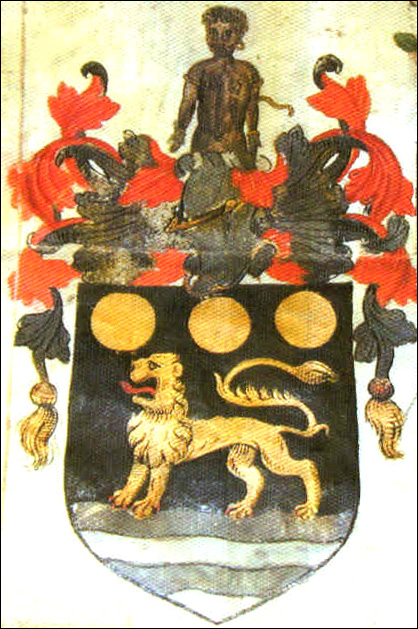
Arms granted to John Hawkins in 1565 for the massive profits he made in the slave trade
THIRD VOYAGE (1567-69) In this voyage, Hawkins and Drake bought slaves in Africa and took cargo and more slaves from a captured Portuguese slave ship that he sold in Santo Domingo, Margarita island and Borburata. They encountered strong Spanish forces, which destroyed all but two of Hawkins's ships.
Hawkins then became involved in counter-espionage for the queen and pretended to be part of the Ridolfi plot. He gained the trust of Spain's ambassador to England and was able to learn details about the plan to assassinate Elizabeth and who was involved. He was rewarded by becoming MP for Plymouth and was appointed Treasurer of the Royal Navy in 1578.
Thanks to the innovations of Hawkins's ship design, in 1588 English ships proved superior against the Spanish Armada - a battle in which he was one the commanders of the English fleet. He was rewarded for his role in defeating the Armada by receiving a battlefield knighthood on behalf of Elizabeth.
Sir Francis Drake is one of the most famous explorers and privateers of the Elizabethan era. He was driven by wealth, fame, personal glory and patriotic spirit to claim new lands for England. As a Puritan, he loathed Spanish Catholics. He captured thousands of pounds worth (£millions in today's money) of Spanish silver. He was supported in his explorations by Elizabeth and Cecil, but this was dangerous as it risked war with Spain.
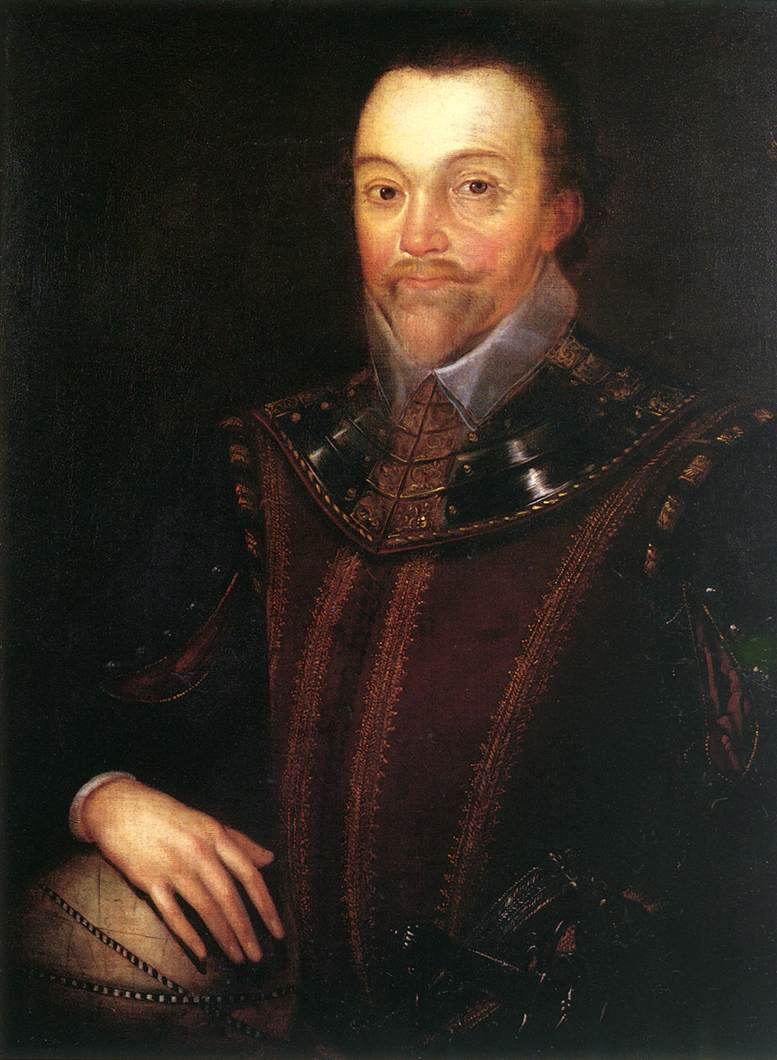
SIR FRANCIS DRAKE 1540-1596 • Sea captain • Privateer • Slave trader • Naval officer • Explorer
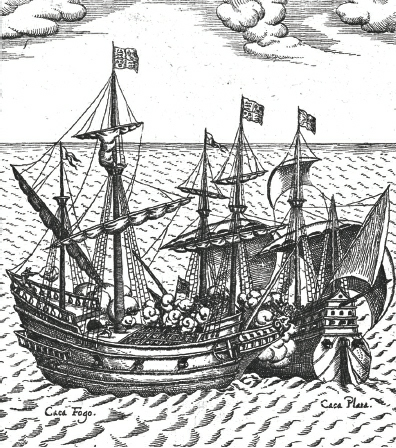
Drake's ship, the Golden Hind, attacking a Spanish galleon
CIRCUMNAVIGATION (1577-1580)
Note
In this voyage, Drake became the first English sailor to circumnavigate the globe (and the second in the world after Magellan). He had captured nearly £200 million in today's money of Spanish treasure, half of which went to Elizabeth.
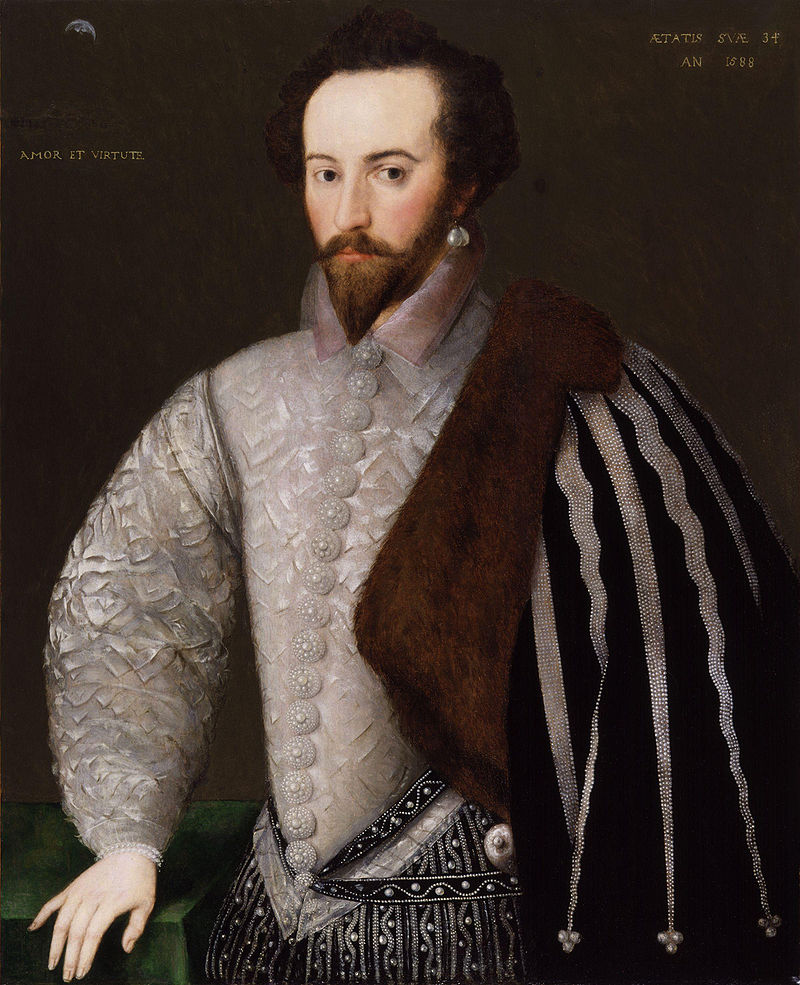
SIR WALTER RALEIGH 1552-1618 • Landed gentleman • Writer • Soldier • Politician • Courtier • Spy • Explorer
Credited with popularising tobacco in England, Walter Raleigh made numerous voyages to the Americas and received a royal patent from Elizabeth to establish a colony in America. This was one of the early attempts at English colonisation. He named the region in North America 'Virginia' in reference to the 'Virgin Queen'. The idea was to cultivate wine, oil, sugar and flax in order to make England less dependent on Europe. It was also thought to be a good solution to England's rapid population growth.
ROANOKE COLONY (1585) Also known as the Lost Colony, this was one of two attempts to establish a colony in North America. It was a failed attempt sponsored by Raleigh, who was commissioned by the queen. It would be a few years after Elizabeth's death before a successful North American colony was established: Jamestown, Virginia.
Growth in trade
Elizabethan explorers discovered sea routes that opened up new markets. The growth in trade boosted the English economy and benefited the merchants who invested in the trading companies. Some of the trading companies that were established were:
Note
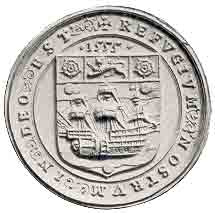
Muscovy company Founded: 1555
Traded with: Russia
Traded: Furs, timber
Note
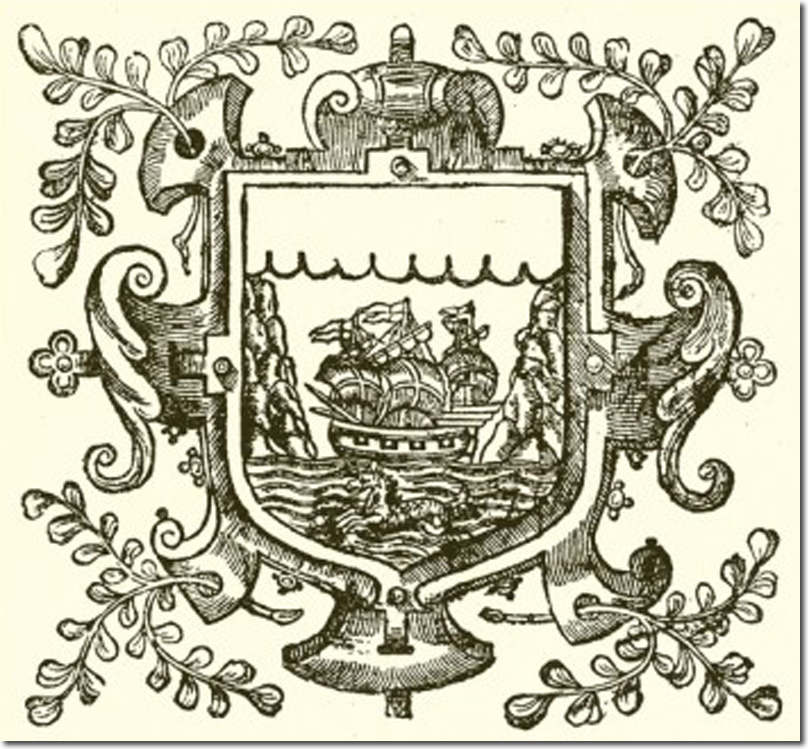
Levant company Founded: 1581
Traded with: Eastern Mediterranean
Traded: Dyes, dried fruit, wine, silk
Note
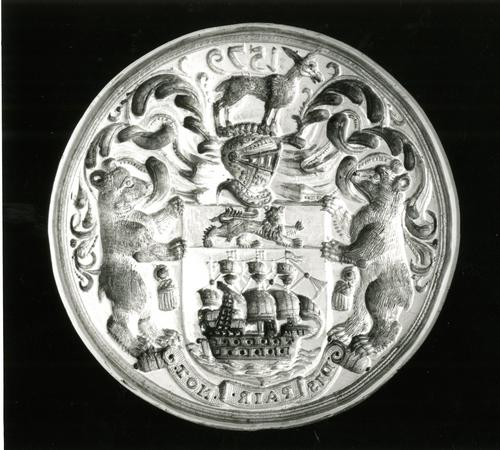
Eastland Company Founded: 1579
Traded with: Baltic
Traded: Timber, tar, canvas
Note
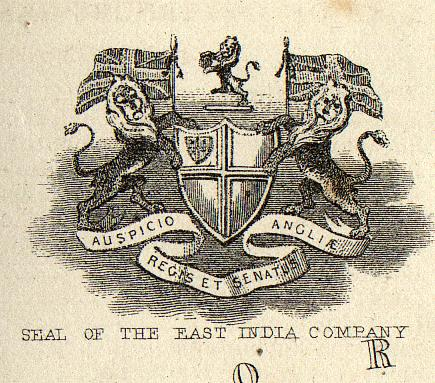
East India Company Founded: 1600
Traded with: India and the Far East
Traded: Silk, cotton, spices, tea