Changes to the Native Americans of the Plains’ way of life (OCR GCSE History B (Schools History Project)): Revision Notes
📚Revision Notes
Changes to the Native Americans of the Plains' way of life
After 1877, the government tried to subject the Native Americans through assimilation. They were transferred to reservations where many Indian cultural practices were banned and where living conditions were very poor.
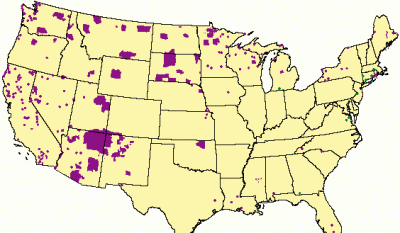
A map of Indian reservations in the United States (indicated in purple)
Note
Moving Plains Indians to reservations enabled white people to settle in the vacated land. The U.S. government encouraged Plains Indians to adapt to the culture of the white people.
Note
The Plains Indians moved to reservations since survival on the Great Plains was growing increasingly difficult due to the presence of railways, the cattle industry and gold mining.
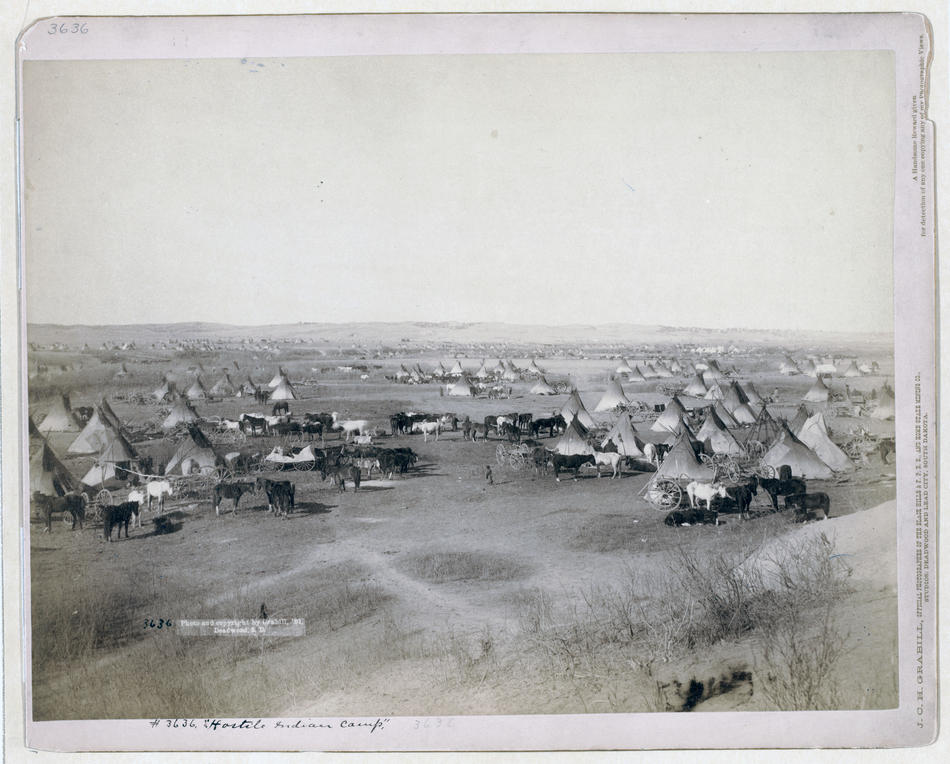
Plains Indians in reservations
Note
The U.S. government promised to protect the Plains Indians from the white settlers, provide them with food, money and land security. The government did not fulfil their promises, however.
Problems of the Reservations for the Plains Indians
It was very far from the Plains Indians' sacred places or very close to their respective enemies. Because of this, they left their reserved lands.
Plains Indians were not equipped with farming skills like growing crops, which led the U.S. government to provide them with more food.
White settlers were not satisfied with their amount of land. This gave the U.S. government an excuse to reduce the size of the Plains Indians' reservations.
Resentment grew among the Plains Indians towards the U.S. government that favoured the white settlers on the Great Plains over Plains Indians.
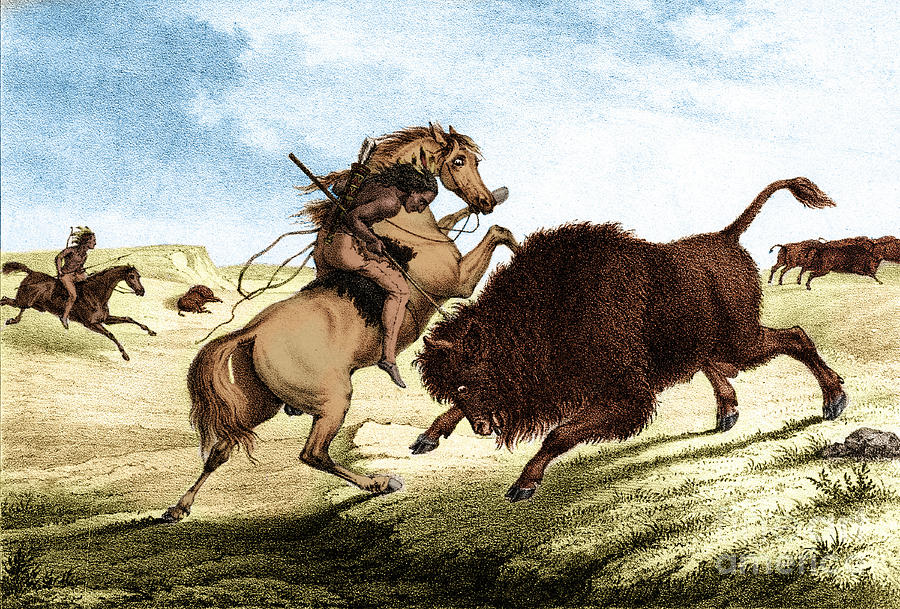
A scene depiction of buffalo hunting of the Plains Indians
There were 35 million buffalos that wandered the Great Plains in 1840. However, by 1883, white settlers had hunted them indiscriminately. When 1890 came, the population of buffalo on the Great Plains had dropped to 1,000. Buffalos were considered an important part of the Plains Indians' culture.
Reasons for Buffalo Extermination
Economic:
Buffalos were killed for the skin. Industrial machines were invented in the U.S. in 1871 that converts buffalo skins into leather products. With this, the whites continued to kill buffalo and transport hide to the cities.
U.S. Government's Policy:
Killing buffalo was part of the U.S. government's policy to "civilise" the Plains Indians by eradicating their source of food and nomadic way of life and forcing them to live like the white settlers.
Impact of Buffalo extermination
The U.S. government confined the Plains Indians to reservations. With a decreasing population of buffalo on the Great Plains, Indians were forced to turn to agriculture and plant crops for food.
The hunting and extermination of buffalo in the West brought destruction to Indians' culture, particularly in terms of rituals performed when hunting buffalo. It was an intrinsic part of their culture.
Note
The extermination of buffalo by the white settlers led the Plains Indians to become dependent on the government for food and other supplies, which could be withheld if they exhibited undesirable behaviour. They were also confined to their respective reservations.
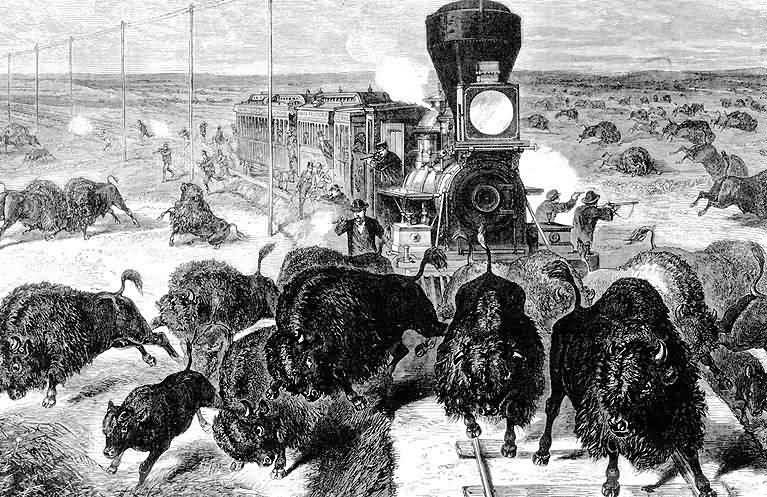
A scene depiction of buffalo extermination by white settlers
Note
Buffalo were central to the lives of the Plains Indians, since they were the source of all the things they needed to survive a nomadic life - food, shelter, clothing, tools, etc. As numbers declined, the Indians were forced to cultivate poor farmland to survive.
Boarding Schools
In an attempt to "civilise" the Plains Indians (living like the white settlers), the U.S. government forced Indian children to attend boarding schools, which would separate them from their parents. Education was one way for the Americans to disseminate their culture.
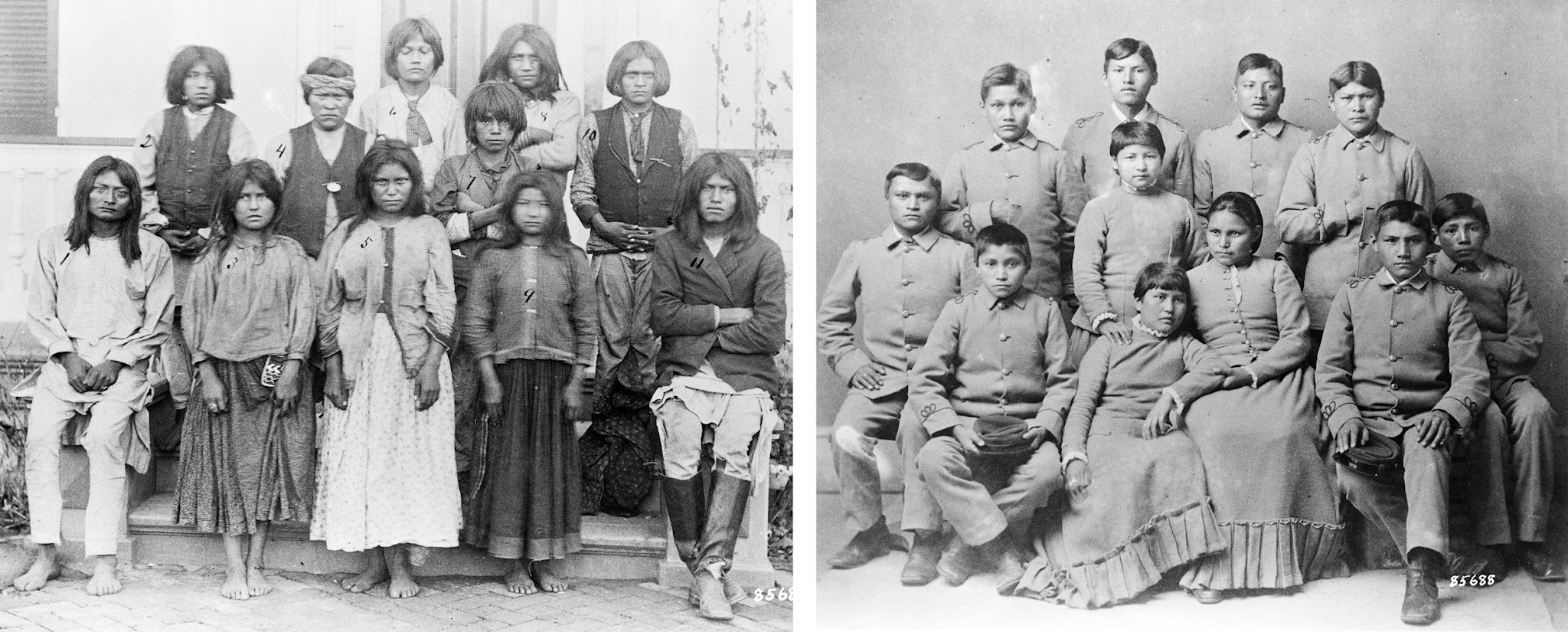
Plains Indians children in boarding schools
Note
Children were forced to abandon their rituals and traditions. Instead, they were taught how to live as Christians. If they refused, they were punished. They were not also allowed to practise their traditions or to speak their native language. The U.S. government denied provisions of food and other supplies to Indian families who refused to send their children to school. Forced to agree, more than 2,000 Indian children were sent to 117 boarding schools in the west.
Christian Culture in Boarding schools
In the 19th century, Colonel Richard Pratt founded boarding schools for Indian children to isolate them from their families and to immerse them in white, Christian culture.
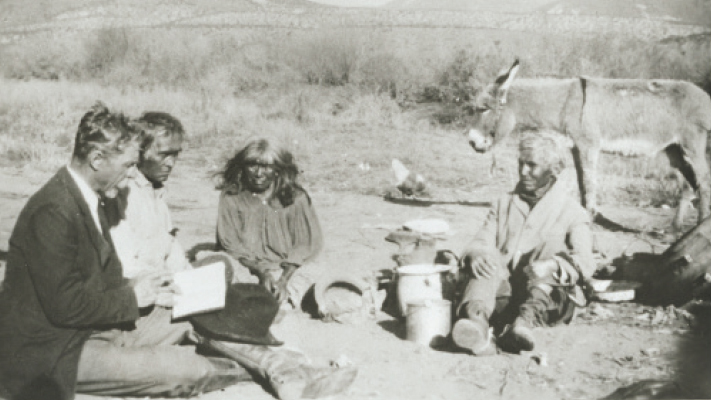
Christian missionaries working on the Great Plains
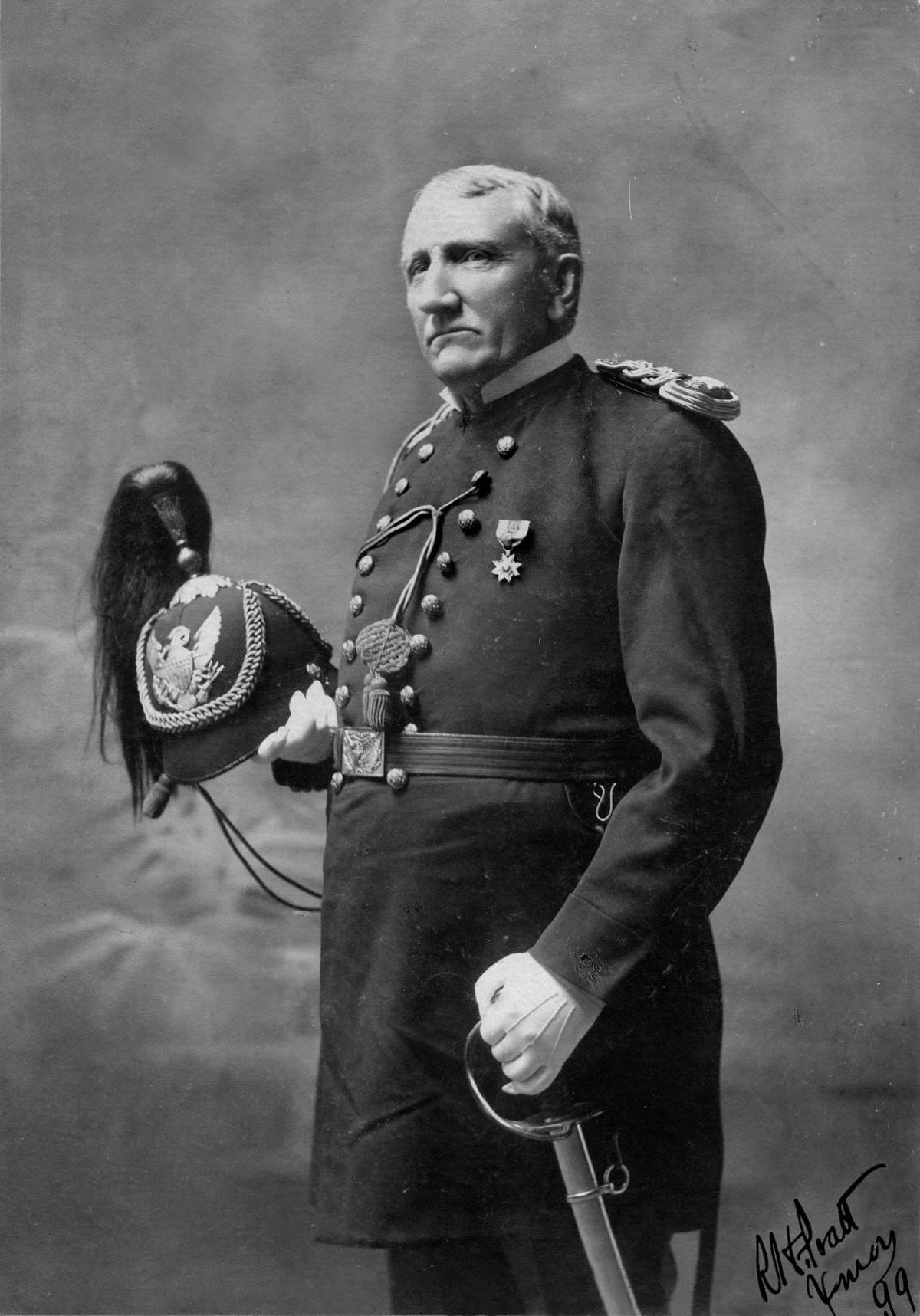
Colonel Richard Pratt
Note
Boarding schools were governed by Catholic and Protestant missionaries to facilitate the assimilation of religious culture for the Plains Indians.
Note
Christian missionaries also worked on the reservations to spread Christian teachings. Acceptance of Christian dogma would save the Plains Indians from the "fires of hell."
Note
Ceremonial rituals, religious dances and feasts that were usually practised by the Plains Indians were not allowed by the U.S. government.
The Dawes Act of 1887
U.S. President Grover Cleveland signed into law the Dawes Act of 1887, which authorised the federal government to divide the land of the Plains Indians.
Note
Assimilation with white American culture and society was the ultimate aim of the law. Efforts were made for the Indians to abandon their traditions.
Note
The Plains Indians were expelled from their tribal lands. More than 90 million acres of their land were sold to white Americans.
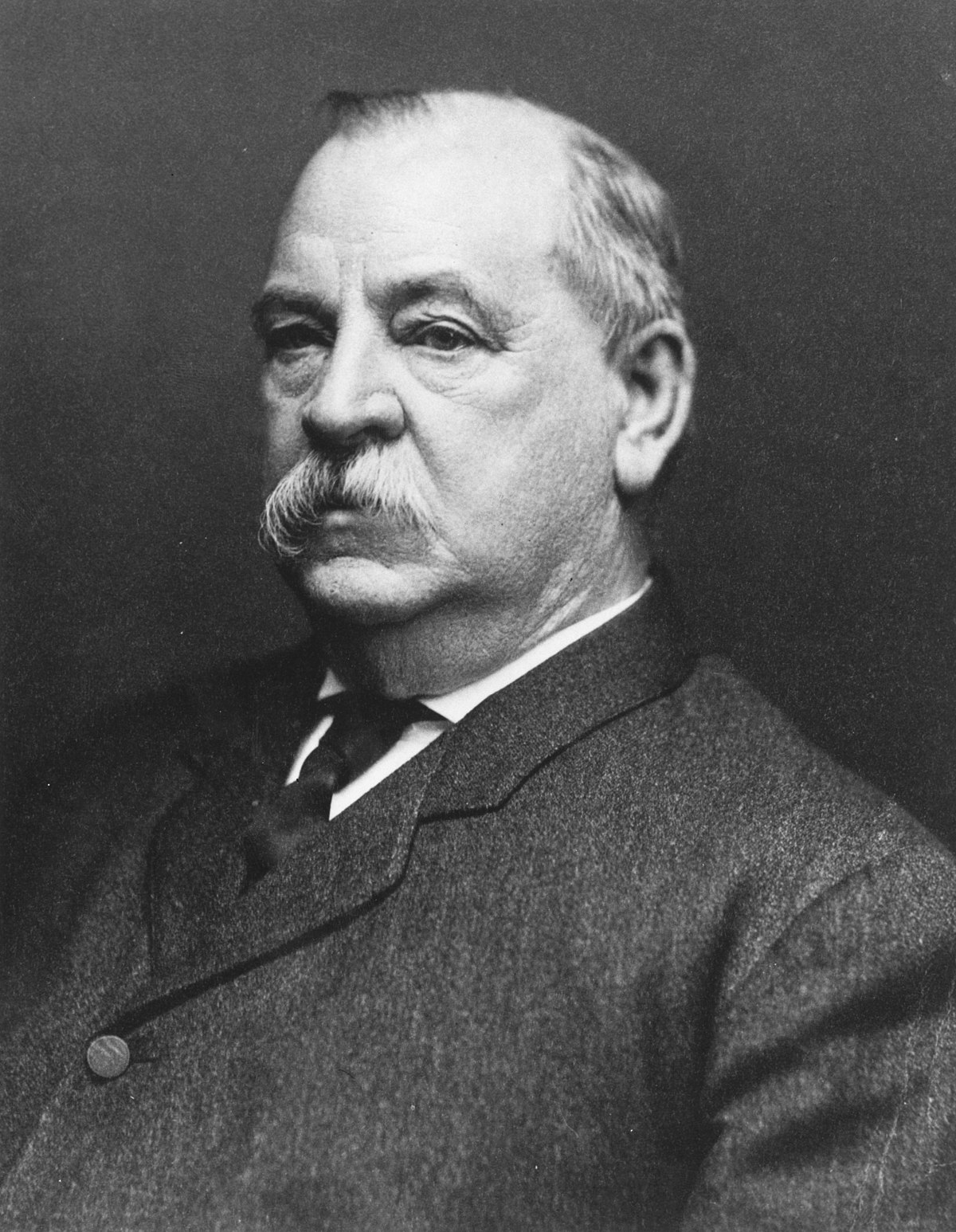
President Grover Cleveland
Provisions of the Dawes Act of 1887
The act allotted each family of the Plains Indians a 160-acre homestead on their reservation. The rest of the lands would be sold to white Americans.
The Plains Indians were forcibly confined to the allotted reservations. Some land was not arable. Only those who accepted the land allotted to them would be allowed to acquire U.S. citizenship.
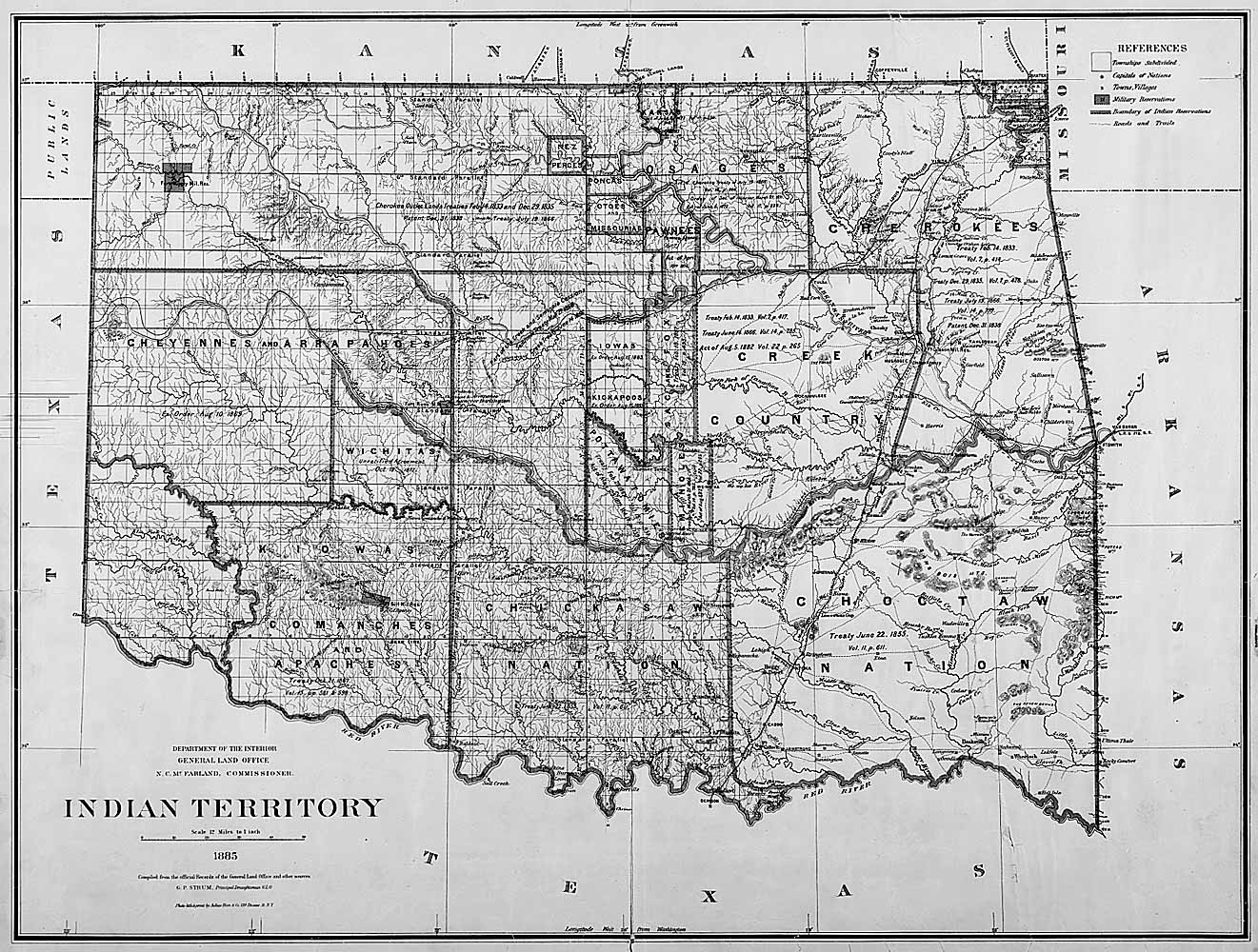
Map of the Indian Territory, 1880s, from the U.S. National Archives
Aims of the Dawes act of 1887
Distribution of 320 acres of grazing land or 160 acres of farmland to each Native American family head and 80 acres to a single person.
After 25 years, all land allotted to Native Americans could be sold.
All land was subjected to taxation by the U.S. government.
Effect of the Dawes Act of 1887
The Dawes Act nearly destroyed the Indian reservation system and was considered one of the most disastrous legislations concerning the Native Indians. Native Americans struggled as the Great Plains were not suitable for farming. Moreover, this act ended hunting, which was the Indians' way of life, thus erasing their cultural identity and autonomy.
The Ghost Dance
Desperation grew among the Indians as the conditions in the reservations deteriorated. Shortages of crops and food aggravated the situation. In 1889, a Paiute Indian named Wovoka said that if they performed a sacred dance, known as the ghost dance, they would be able to reclaim the Great Plains.
The ghost dance spiritual movement increased its influence throughout the 1890s. Many Indians believed that they had angered the gods by abandoning their culture causing their defeat and misfortunes. As a way to make amends, they practised the ghost dance for the gods to create a new world for them. Furthermore, the tensions at Pine Ridge grew when Sitting Bull was arrested and killed by reservation police.
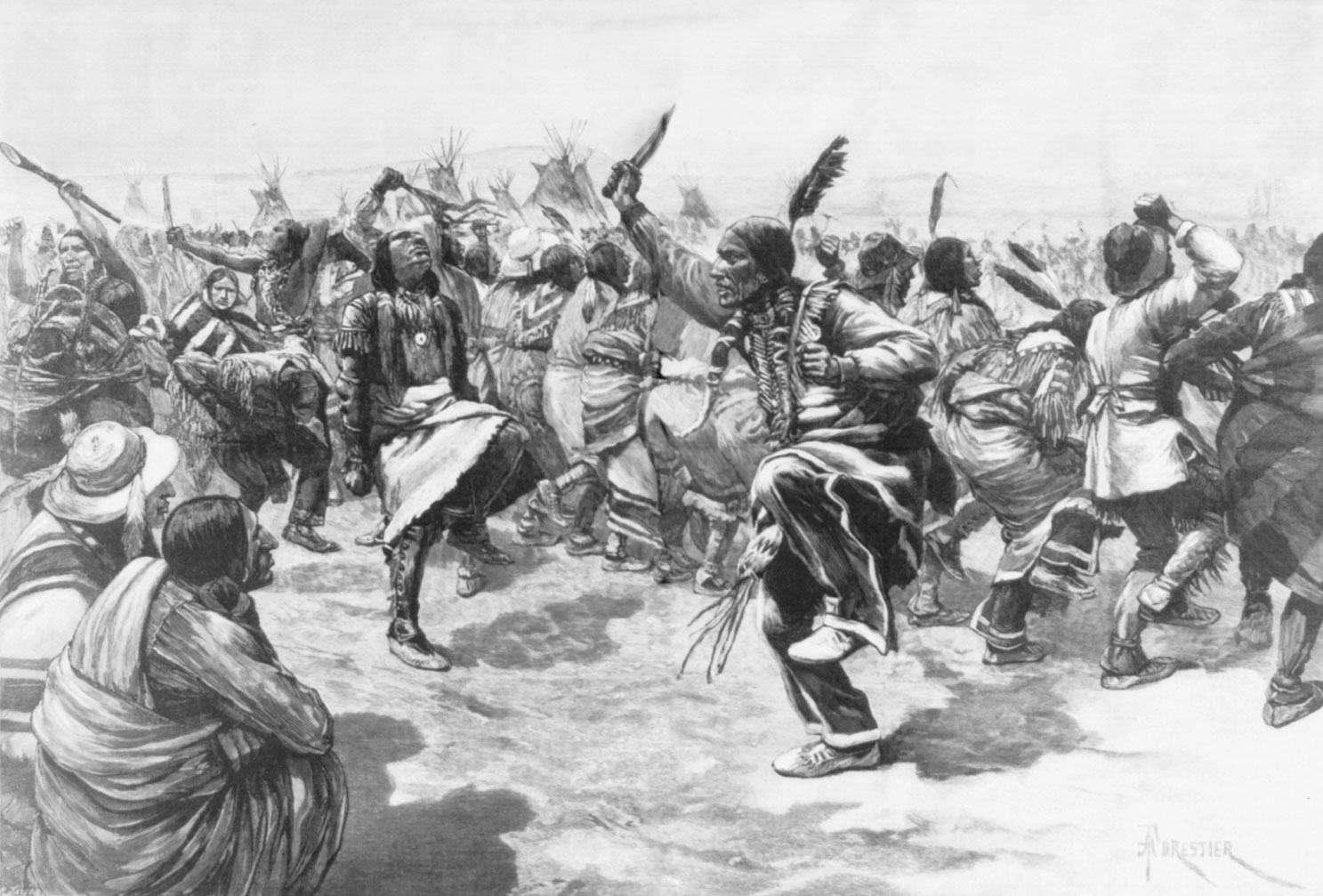
Native Americans performing the ghost dance
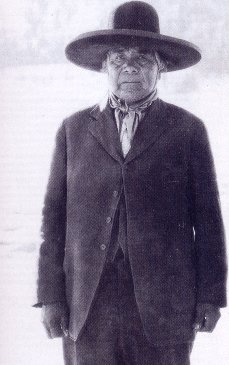
Wovoka
The Wounded Knee Massacre
On 29 December, 1890, the 7th cavalry of the U.S. Army surrounded and killed a band of ghost dancers under Sioux Chief Big Foot near Wounded Knee Creek. The battle that followed led to an event known as the Wounded Knee Massacre.
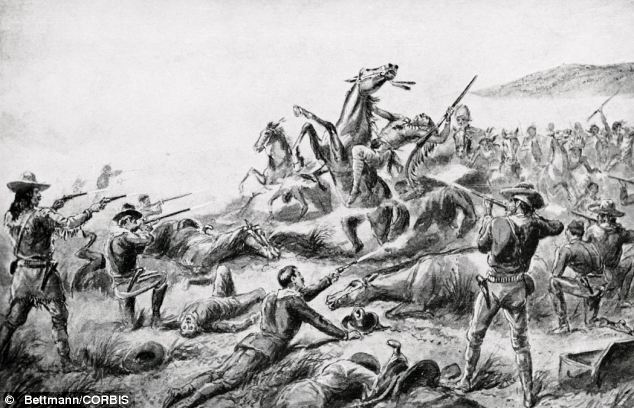
A lithograph after a Painting of the Battle of Wounded Knee by W.M. Cary
The tragic encounter was originally referred to as a battle, but was later labelled a massacre which caused the deaths of about 150 Indians and 25 cavalry. Some historians suggest that soldiers from the 7th cavalry took revenge for the defeat at the Battle of the Little Bighorn.
Note
By the last decade of the 19th century, the west was settled by the influx of homesteaders, miners and those seeking a new life. With railroads connecting most parts of the region, new towns were established. In 1890, the U.S. Census Bureau closed the frontier due to population density restrictions.
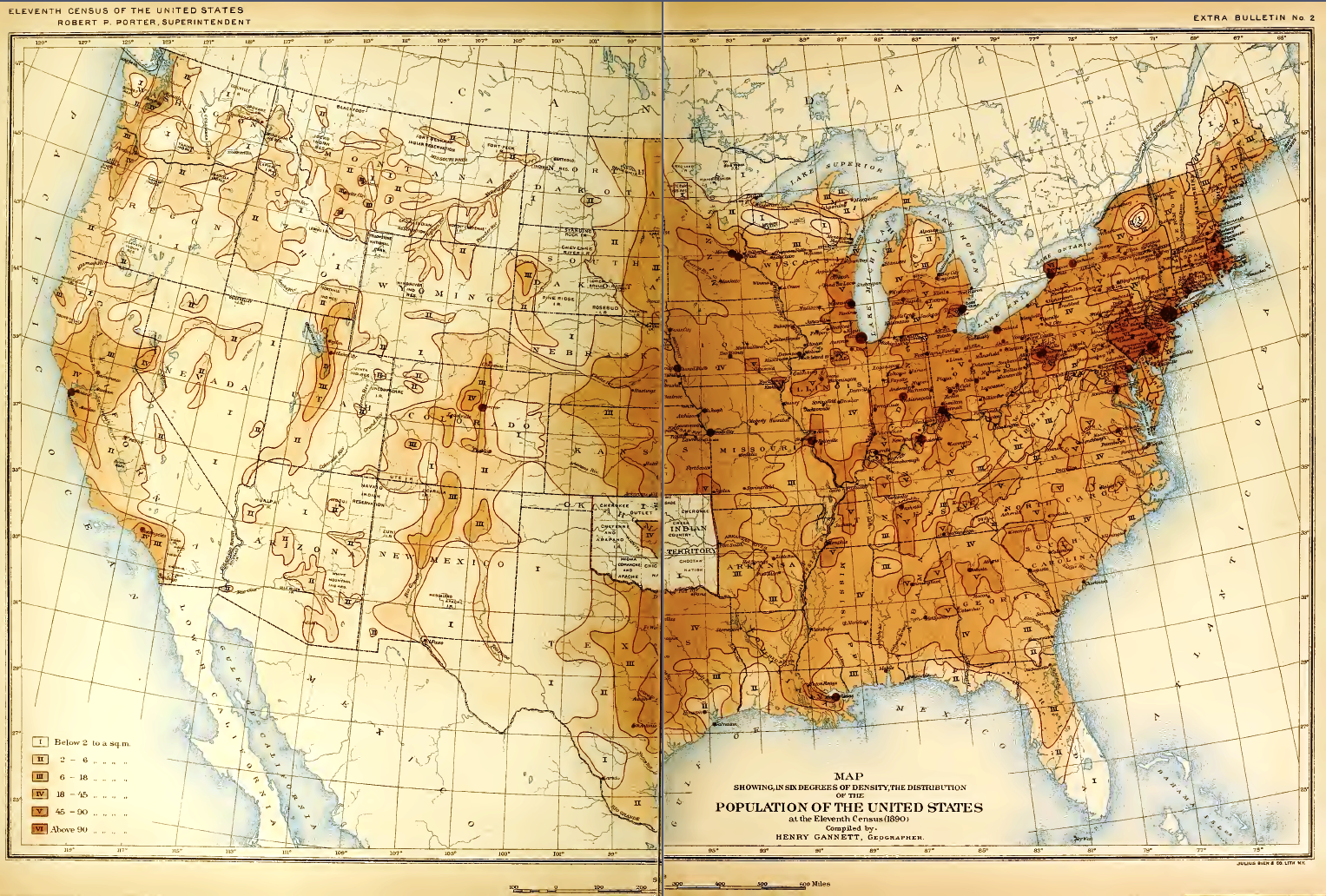
Population density map of the United States at the closing of the frontier
Note
With the closing of the frontier, white Americans' escape to the wilderness also ended. More importantly, it led to the preservation of wild areas, which later resulted in national parks like Yellowstone and Yosemite.