Britain since 1900 (OCR GCSE History B (Schools History Project)): Revision Notes
📚Revision Notes
Growing government involvement in public health
Growing government involvement in public health including pollution controls, anti-smoking initiatives and the promotion of healthy lifestyles
Note
By the turn of the 20th century, improvements in public health and hygiene in the UK were rapid. Between 1906 and 1914, the Liberal governments abandoned the idea of laissez-faire and intervened on improving public health.
ROWNTREE AND POVERTY
Benjamin Seebohm Rowntree (1871-1954) was an English sociological researcher, reformer and industrialist. He conducted three studies in York (1899, 1935 and 1951) investigating the living conditions of the poor. He argued that poverty resulted from low wages, not lack of effort.
Note
York Study #1 (1899) Findings
- He compared the living conditions of poor working-class families to rich families. He established a 'poverty line' of a minimum weekly income to subsist.
- 27.84% of York's population fell below the poverty line.
- He revealed that people at certain stages of life were more at risk of abject poverty, e.g. old age and early childhood.
- He formulated the idea of the poverty cycle.
- Rowntree concluded that the poor were not responsible for their own plight.
Note
York Study #2 (1935) Findings
- Published in 1936 and Poverty and Progress, this study revealed that York's absolute poverty had decreased by 50% since the first study.
- But, he changed the definition of the poverty line so it was not a direct comparison to the first study.
He found that the causes of poverty changed significantly from primarily low wages in the 1890s to unemployment accounting for 44% of cases of poverty.
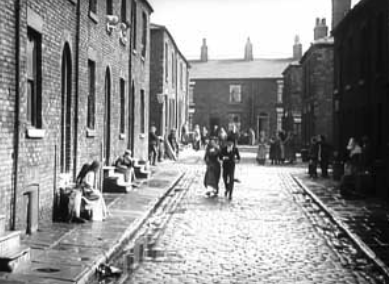
19th-century London slum
Note
York Study #3 (1951) Findings
- Titled Poverty and the Welfare State, this study used a sampling technique rather than a comprehensive survey.
- Absolute poverty had become a minor problem by the 1950s, mainly among the elderly.
- Eradication of poverty was attributed to an expanding economy during the 1950s affluence, employment rights and the welfare state.
- It suggested that the welfare state had transferred wealth from the rich to the poor, which significantly raised working-class living standards.
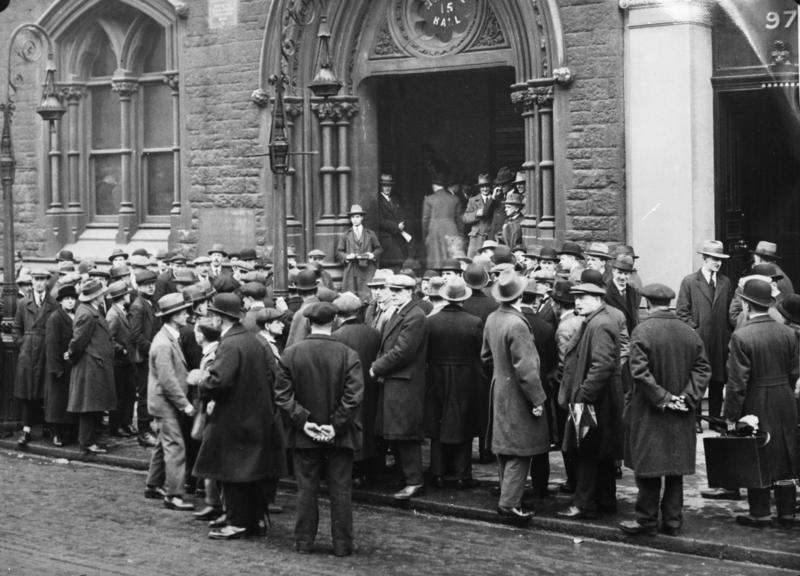
Unemployed people at a workhouse in London, 1930
NATIONAL INSURANCE ACT OF 1911
In 1911, workers who could afford it paid into private insurance schemes for two purposes, (a) if they fell ill and could not work for some time, and (b) if they lost their job. Inspired by the German system of running a national compulsory insurance scheme, Lloyd George applied the same system to the British working class.
Note
Brief historical background
In 1884, Chancellor Otto von Bismarck imposed a compulsory national health insurance in Germany. This system inspired Lloyd George to do the same in Britain. As a result, he included in his 1909 budget proposal an insurance scheme for both health and unemployment. At first, trade unions who already had their own insurance schemes and friendly societies opposed Lloyd George's idea, but were convinced after persuasion.
Under the New Poor Law, unemployed workers were stigmatised by society. The new National Insurance Act aimed to end this stigma of social welfare.
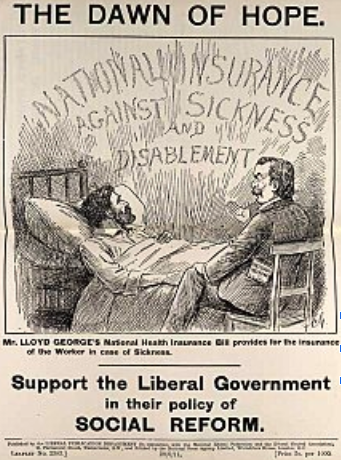
Leaflet promoting the National Insurance Act 1911
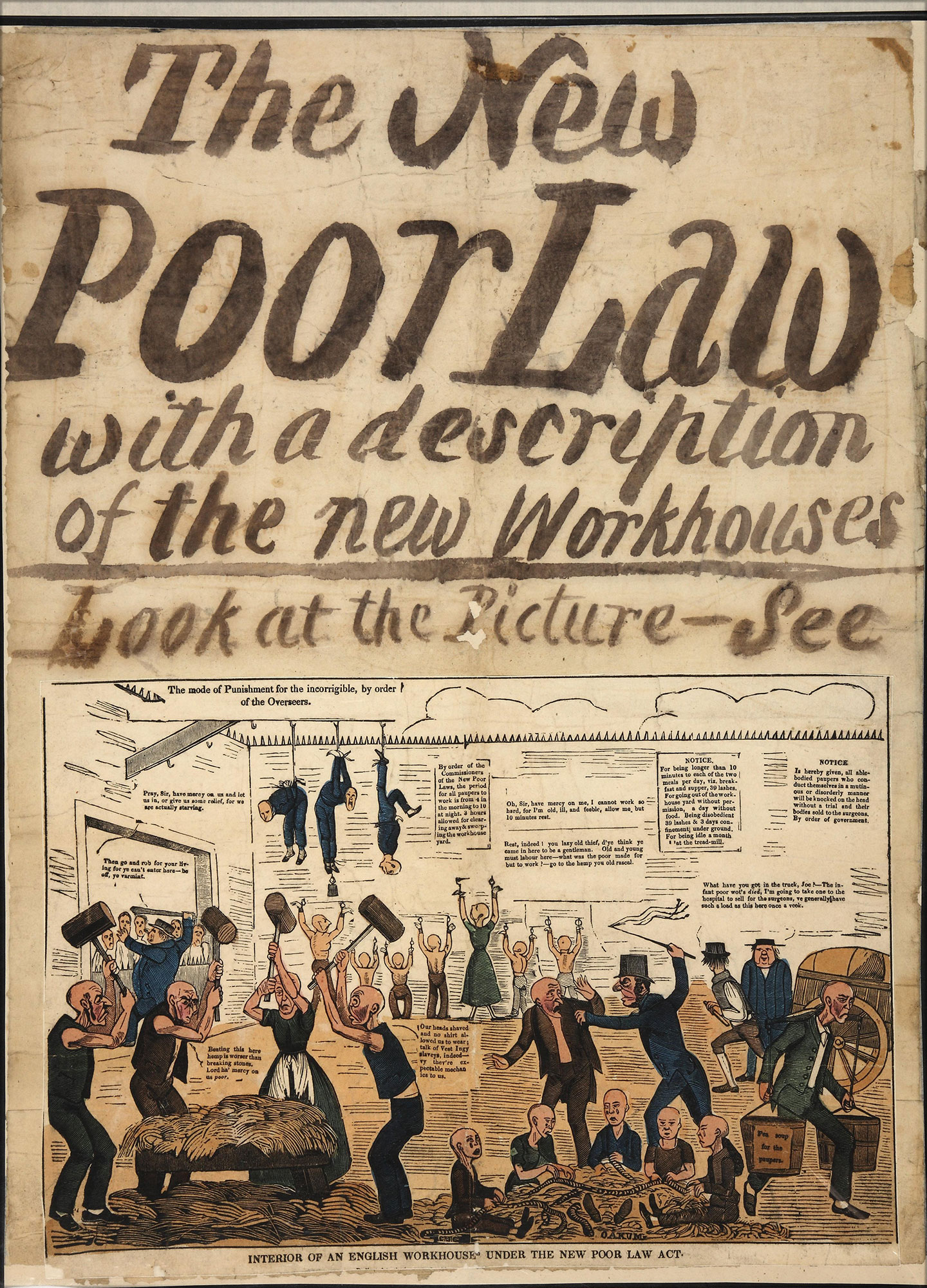
Workhouses under the New Poor Law, 1834
In 1911, compulsory health insurance was introduced. Employees paid 4 pence a week with an additional 2 and 3 pence from the government and the employer. When an employee contracted an illness, they received free medical care but had to pay for medicines.
For 26 weeks, employees who fell ill were paid 10 shillings per week. After pressure from the Co-Operative Women's Guild, maternity benefits were also given. For newborns, families were given 30 shillings.
Approved Societies were tasked with collecting contributions from members and managing the pay-out for treatments. The Prudential ran the largest Approved Society with about 4.3 million members. This also gave way to the National Health Service (NHS).
The second part of the insurance was for unemployment. Workers paid 2.5 pence and the employer paid the same for unemployment insurance. In case a person lost their job, they received 7 shillings per week for 15 weeks in a year. Labour exchanges collected contributions from employers.
THE BEVERIDGE REPORT 1942
Prior to the National Health Service (NHS), people had to pay for medical treatment. The wealthier they were, the better the treatment. The poor relied on workhouse infirmaries and home remedies. William Beveridge (1879-1963) was a British economist and progressive social reformer. His 1942 report Social Insurance and Allied Services is also known as the Beveridge Report. It served as the basis for the post-WWII welfare state put in place by the 1945 Labour government.
Note
The Beveridge Report (1942) Brief: Compile a report to aid the government in helping the sick, unemployed, low-paid, and retired.
Recommendations: Care for all members of society "from cradle to grave" through social security. Eliminate the five giant evils: squalor, ignorance, want, idleness and disease.
Officially entitled Social Insurance and Allied Services, the Beveridge Report became the foundation of the UK's welfare state. It led to drastic social programmes and ideas that influenced Clement Attlee's Labour government.
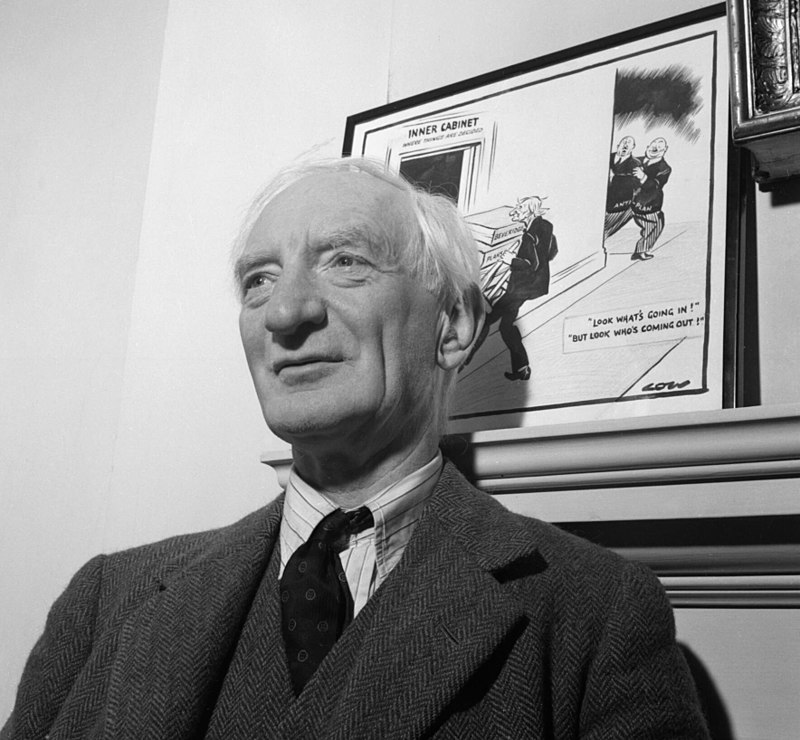
William Beveridge
THE NHS
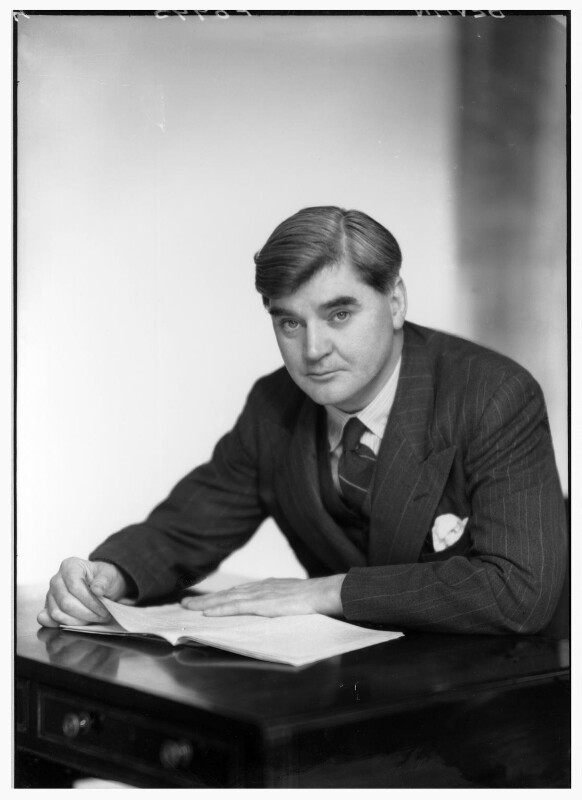
Aneurin Bevan (1897-1960) was a Labour Party politician and Minister for Health in the UK from 1945 to 1951 and introduced the NHS. Its aim was to provide government-funded free medical care at point-of-need to all Britons and of the same quality, regardless of wealth. On 5 July, 1948, the NHS was launched.
Note
THREE CORE PRINCIPLES of the NHS:
- Meet the needs of everyone
- Free at the point of delivery
- Based on clinical need, not ability to pay Therefore…
National Insurance Act of 1911 required workers and employers to contribute to the cost of state benefits.
Family Allowances Act of 1945 gave a 5 shilling child benefit for providing basics like food and clothing.
Hospitals, doctors, ambulances and medicine are provided for.
Hospitals are nationalised and health centres are set up to distribute doctors evenly.
SUCCESSES OF THE NHS:
- Accessible healthcare to the public
- Establishment of health centres
- Better maternity and child care
- Increased research on preventive medicine such as mass vaccination
- Health visiting and home nursing
- Medical breakthroughs in transplant surgery and cancer treatment
- Doctors worked in teams with access to a wide range of services, e.g. surgery, family planning, GPs. Doctors earned a salary not paid by patients.
- Increased life expectancy in the UK
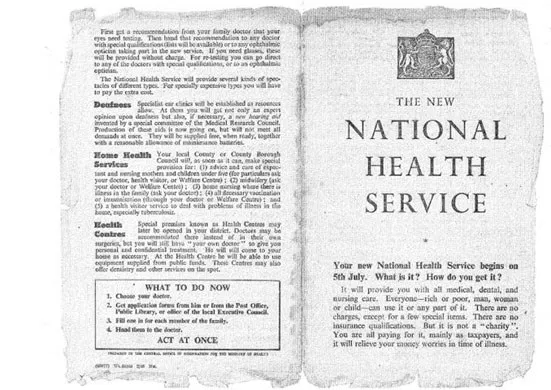
Public leaflet issued in February 1948
CAMPAIGNS:
In addition to government-funded health care, the NHS also promoted public health through campaigns on healthy living.
Health workers visited schools for mass vaccination and seminars on sex education. Mothers were also advised on child care.
Campaigns against smoking and about healthy eating habits and exercise proliferated.
Moreover, campaigns on personal hygiene, such as brushing of teeth and use of a handkerchief when sneezing, became common.
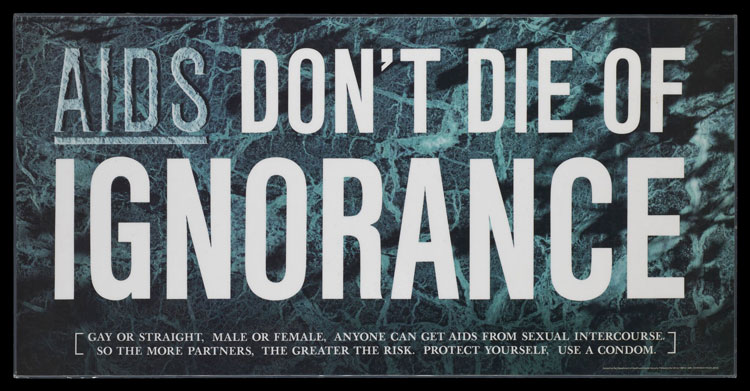
A 21st-century public health campaign
Advertising campaigns, events and initiatives which encourage healthier lifestyles have been introduced over the years:
Realising that prevention was better than cure, government-funded lifestyle campaigns supplemented direct legal interventions.
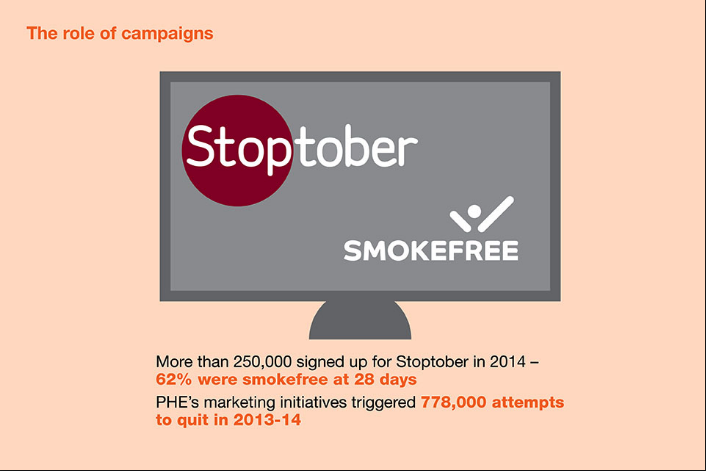
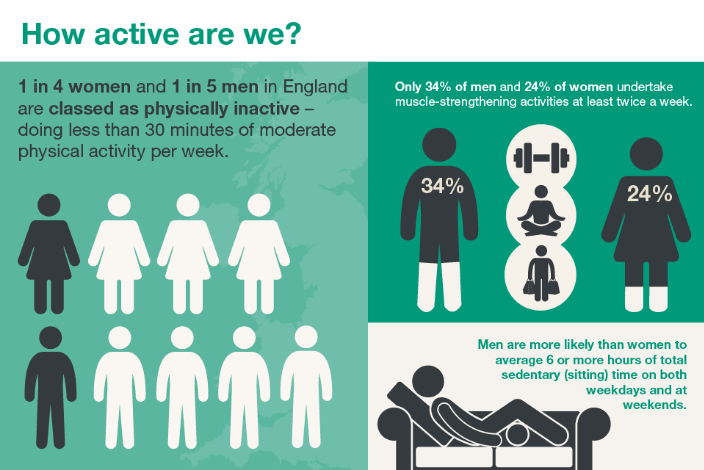
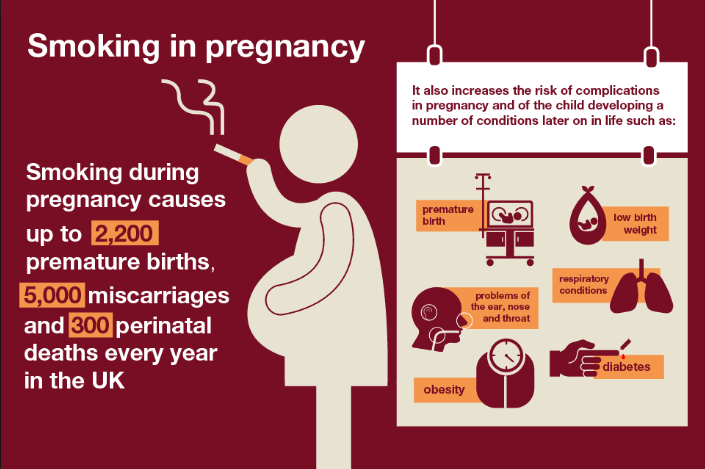
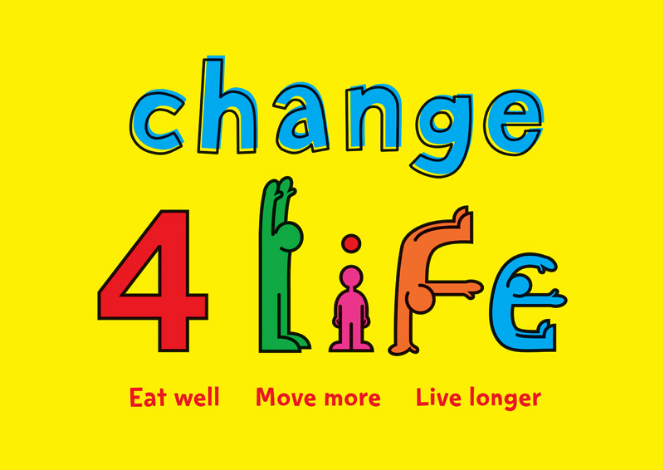
In 2018, Public Health England launched an exhibition in London on some of the most standout public health campaigns in the last 100 years. The exhibition of historical posters and marketing materials was divided into five sections.
Note
5 sections of the exhibition:
- Fighting Fit
- War to Welfare
- Age of Aspiration (1960-1985)
- Age of Fear (1986-2005)
- Age of Participation (2006-2017)
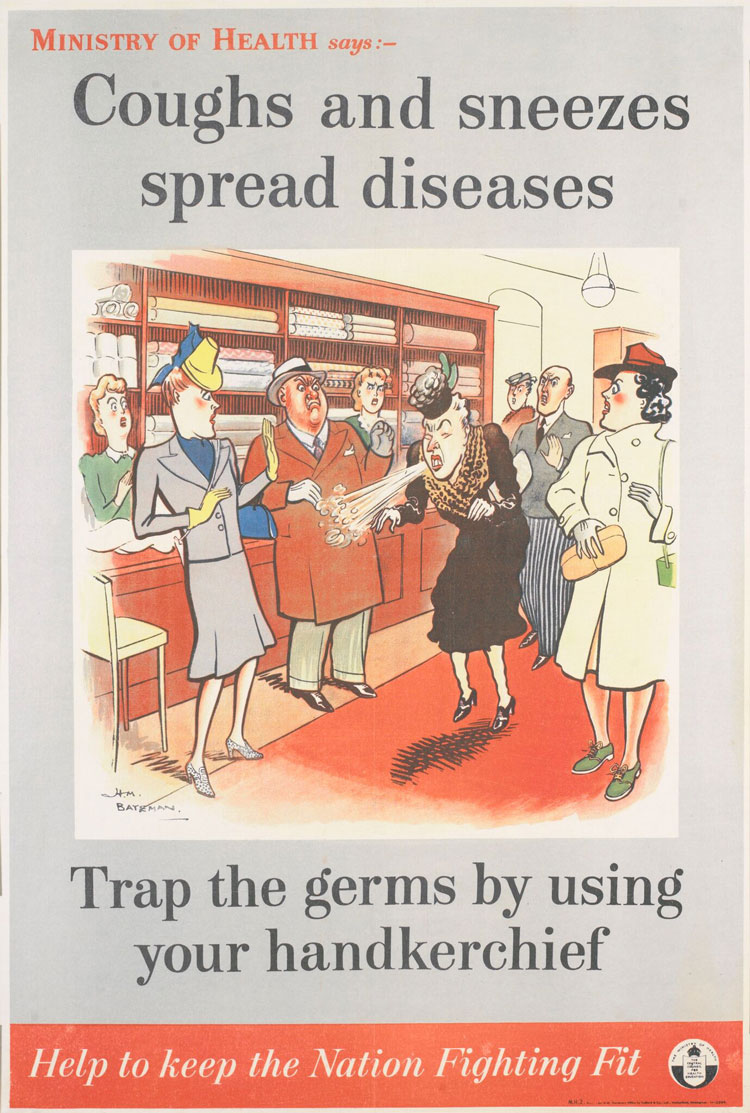
1960s campaign on using handkerchiefs
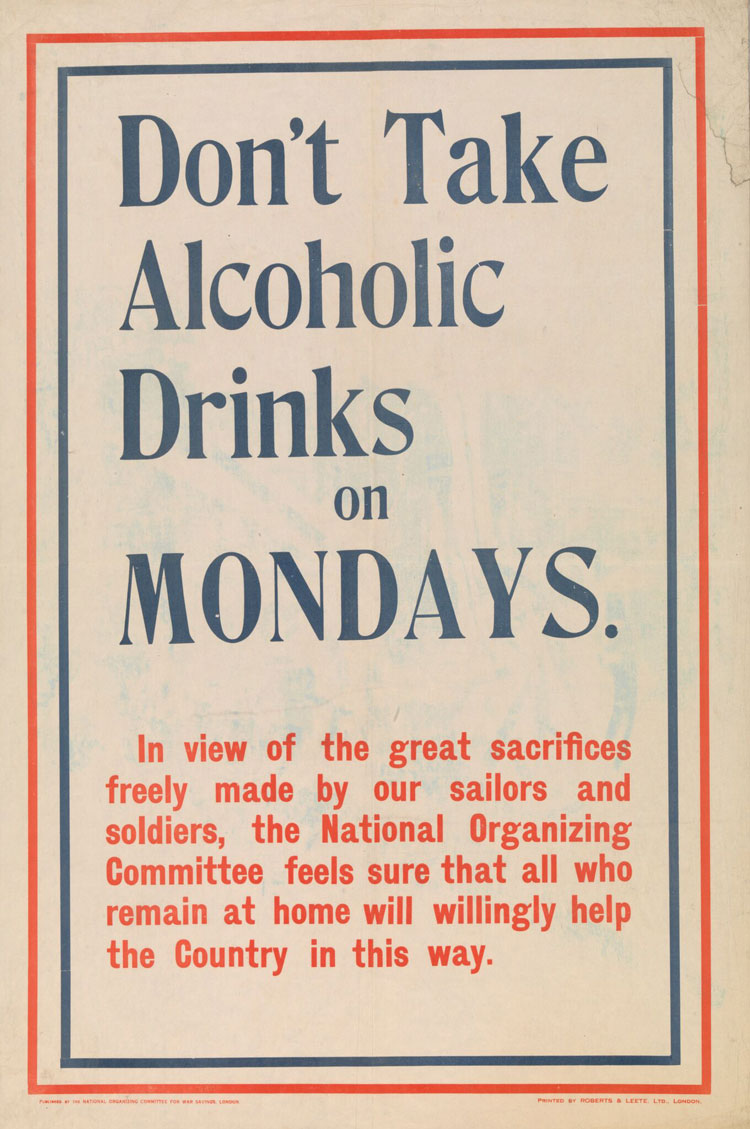
Campaign against drinking alcohol
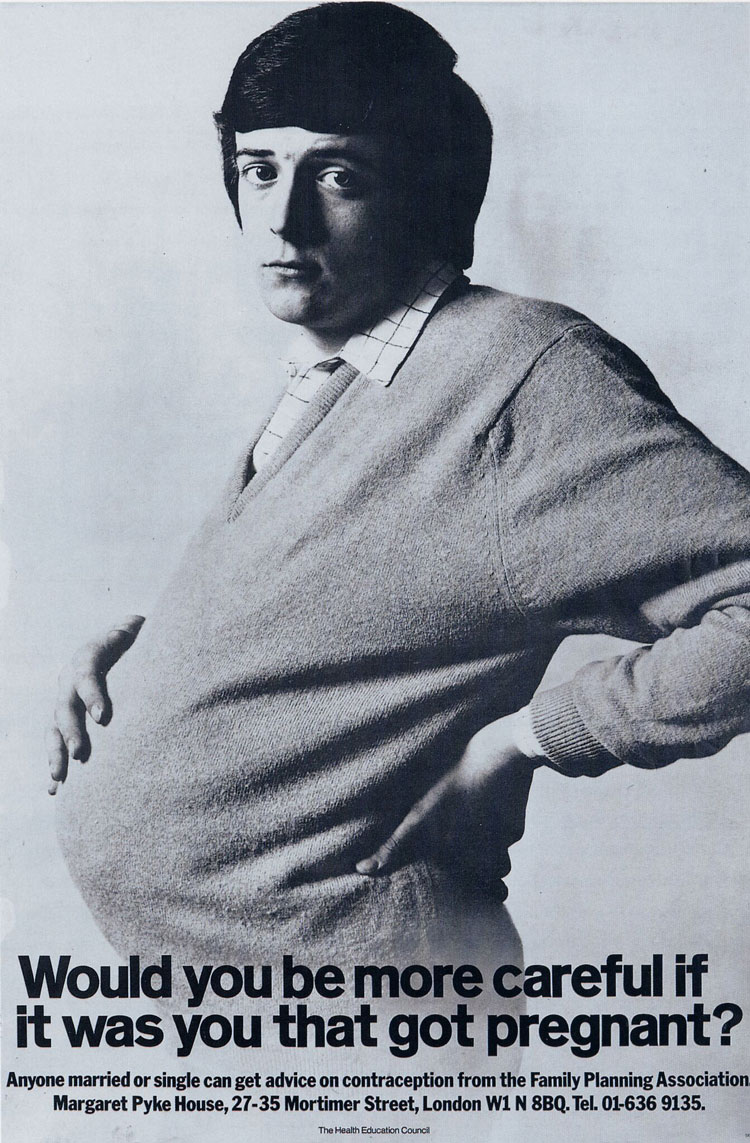
Family planning campaign
Note
Glossary of Terms:
POVERTY LINE
A term popularised by Rowntree describing the minimum income to fulfil basic needs, e.g. rent, food, clothes.
NATIONAL INSURANCE ACT OF 1911
A contributory scheme of health and unemployment insurance introduced by the British government in 1911.
PUBLIC HEALTH ACT
Legislation driven by public health reformers that requires the government to be involved in local council affairs related to hygiene and sanitation.
NHS
The publicly funded national healthcare system in the United Kingdom implemented in 1948.
SOCIAL REFORMER
A person who believes that something must be changed in a society to make people's life better.
THE GREAT SMOG OF 1952
A five-day period in which a fatal smog covered London. This event prompted the passage of the Clean Air Act in 1956.
Note
Example Assessment Question: INFERENCE SOURCE A:
… the great destruction of life from pulmonary disease is due to the fact that the soot that blackens our public buildings, that suffocates our babies, that kills our plants, that blackens our faces, and buries our whole bodies in palls of fog, is also constantly passing into our lungs … [which] soon become the "vile prisons of afflicted breath;" and, stopping altogether, add mournful entries into the books of the Registrar General of Deaths. — Charles Dickens in his 1954 journal Household Words
Examine the source and make an inference guided by the questions provided.
-
What is the purpose of the source?
-
How serious is the problem with air pollution?
-
In today's context, what are the measures taken by the government to solve this problem?
Note
Example Assessment Question: ANALYSIS SOURCE B:
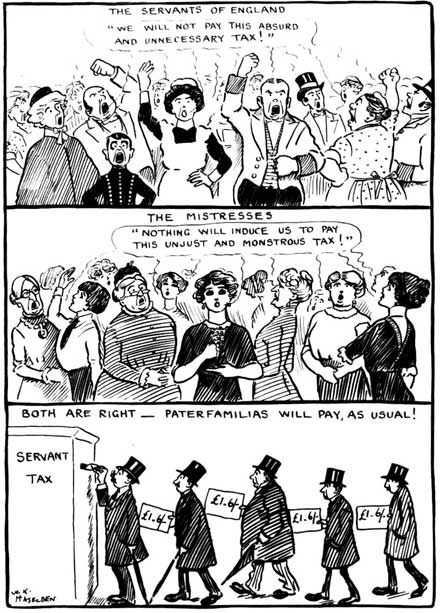
Examine the source and discuss, guided by the questions provided.
- What was the general attitude towards the National Insurance Act?
- To what extent do you agree with Lloyd George
Note
Example Assessment Question: DISCUSSION SOURCE C:
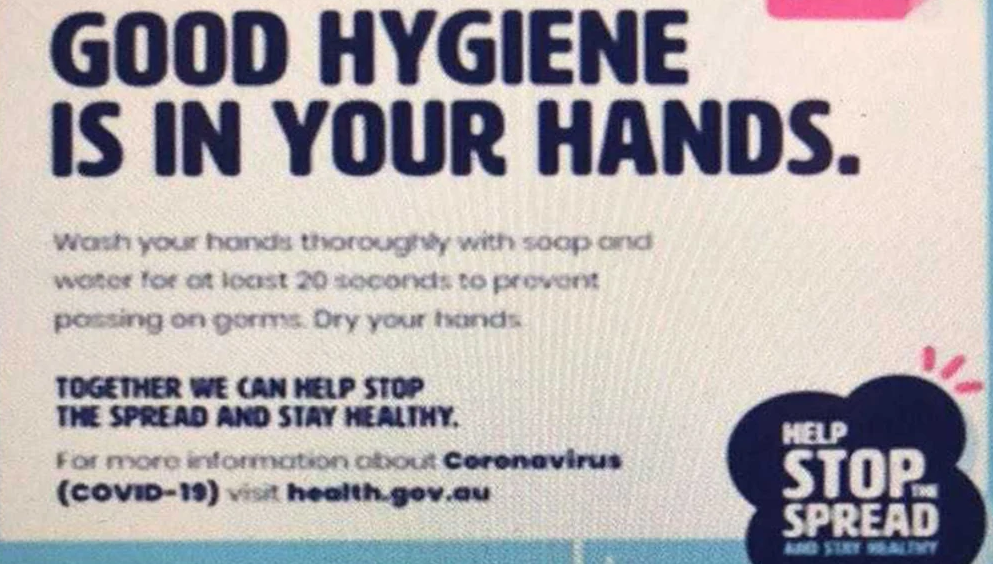
Using the source and the developments in health and hygiene in the 21st century, how significant is the role of campaigns in educating the public? Relate your discussion to the significance of literacy and public health and welfare.