The characteristic features of medieval Britain (OCR GCSE History B (Schools History Project)): Revision Notes
📚Revision Notes
The characteristic features of mediaeval Britain
Note
During the mediaeval era, people lived in generally poor conditions because of poverty, warfare and famine. As a result, they faced serious health problems and attempted to be free from diseases. Economic, political and social instability made many susceptible to diseases.
Poverty
The majority of the population in mediaeval England were peasants who relied on farming and harvesting crops. In times of poor harvest, many, particularly children, were subject to malnutrition. During this period, about 30% of children died of malnutrition before the age of seven. Constant poverty led many to live short lives and have often untreated diseases.
Famine
The mediaeval period was characterised by famine, particularly a century before the Black Death. In addition to poor harvests, increases in population further worsened food shortages. Between 1315 and 1317, the Great Famine killed about 10% of England's population. With agricultural shortages, prices of food, particularly bread, doubled.
Warfare
In addition to famine and poverty, costly wars such as the Norman Conquest after 1066, the Hundred Years War from 1337 to 1453, and the Wars of the Roses from 1455 to 1485, depleted resources and money of communities. During war, trade was affected, peasants were heavily taxed and social unrest like rebellions emerged. In addition to loss of lives, economic failure succeeded wars. For instance, King Edward III taxed the people 27 times during his reign.
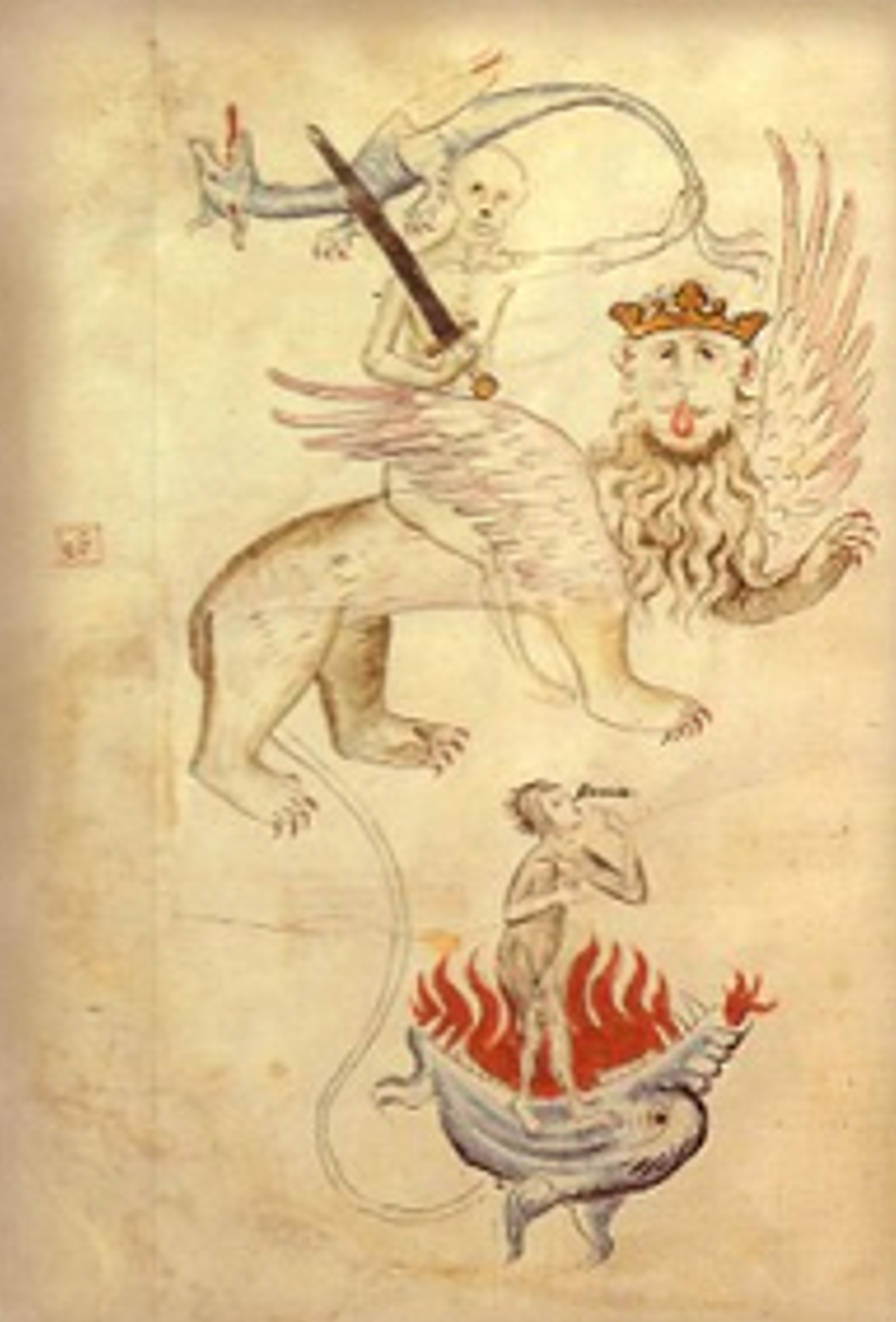
From the Apocalypse in a Biblia Pauperum illuminated at Erfurt around the time of the Great Famine.
Timeline of notable instances of famine, plague and warfare in England
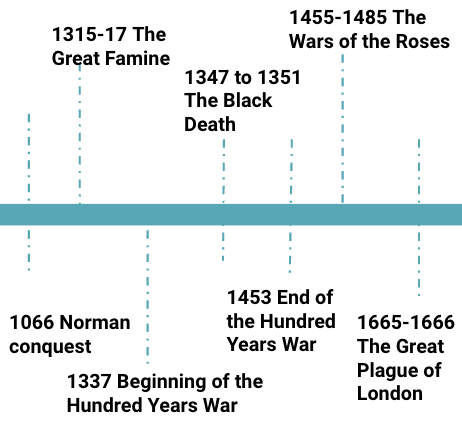
Timeline of Famine, Plague and Warfare in England
Note
Between the 15th and 18th centuries, the worst famines in Europe were caused by the Little Ice Age or colder climate. This directly resulted in poor harvests.
Note
Because there was no real scientific approach to identifying the causes of illness, four primary theories dominated in the Middle Ages.

Supernatural reasons
Astrology was big in the mediaeval era. Doctors used almanacks to determine the influence of the stars on organs and illness.

Theory of the four humours
Four fluids, namely blood, yellow and black bile and phlegm needed to be in balance, otherwise illness would strike. E.g. bloodletting.

Religious reasons
Most people were illiterate and relied on the church for info. Powerful and strict, the church linked illness to sin, punishment by God or the work of the devil and demons.

Miasma theory
The idea that bad air or bad smells were to blame for illness. They had yet to connect the fact that smells of rot or filth were linked to bacteria and disease-carrying pests.
Theory of Four Humours
Influenced by the works of Hippocrates and Galen, mediaeval people primarily based their understanding of the human body on the theory of the four humours. It states that four principal fluids in the body need to be in balance.
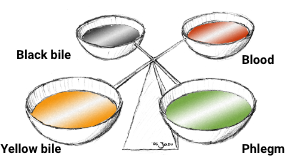
Elements of the Four Humours
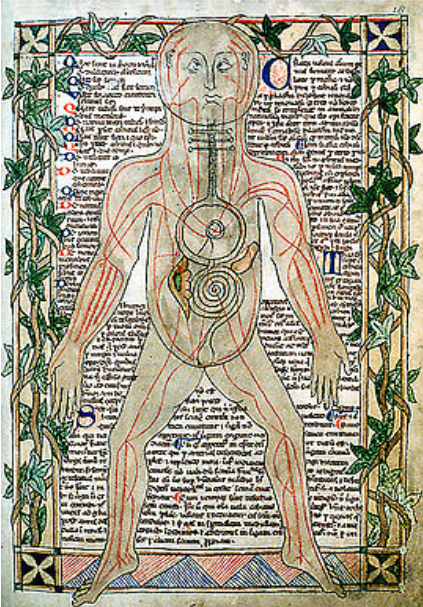
Illustration of the veins from a 13th-century manuscript
Through herbal medicine, diet and bloodletting, a balance of the humours could be achieved. It is believed that the theory of the four humours was based on astrological signs of the zodiac.
Note
Hippocrates, also known as the 'father of medicine', was a Greek philosopher who developed the theory of the four humours or liquids that remained popular in Western Europe until the 17th century.
- The Theory of the Four Humours states that the human body is composed of four substances or liquids that should be in perfect balance. If they are not, sickness will occur.
- Galen, a Greek-born Roman citizen and supporter of Hippocrates who lived centuries after, expanded humoral physiology.
- He included the three varieties of pneuma or vital energy: the liver, heart and brain. | Humour | Organ | Temper | Season | Element | |---|---|---|---|---| | Black bile | Spleen | Melancholy | Cold | Dry earth | | Yellow bile | Lungs | Phlegmatic | Cold & wet | Water | | Phlegm | Head | Sanguine | Warm & wet | Air | | Blood | Gallbladder | Choleric | Warm & dry | Fire |
Influences on medical thinking in the mediaeval era
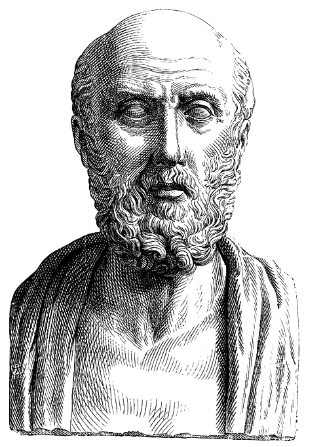
Hippocrates 460-370 BC
HIPPOCRATES 460-370 BC
Illness causes the body to go cold and the cold causes phlegm…
- Physician in Classical Greece
- The Father of Medicine
- Developed the four humours
- Believed diseases were caused by factors like diet and living habits rather than superstitions and gods
- The Hippocratic school focused on patient care and prognosis rather than diagnosis
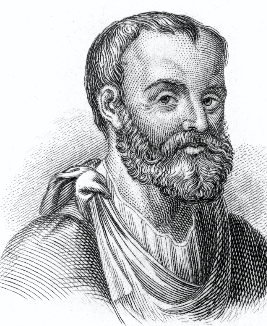
Galen 129-210 AD
GALEN 129-210 AD
If being cold causes phlegm, warm the body up with chilli and peppers…
- Greek physician and surgeon in the Roman Empire
- Helped develop scientific disciplines and logic
- Added dispositions, elements and seasons to the four humours
- Believed in souls and partially in religious explanations
- The Church, therefore, supported the four humours