Major religious, political and social changes: an overview (OCR GCSE History A (Explaining the Modern World)): Revision Notes
📚Revision Notes
Major religious, political and social changes: an overview
Note
During the reign of the Tudor monarchs, religious change became prominent. When Henry VIII became King of England, all territories in Europe were ruled by Catholic monarchs. This dominance was challenged by Martin Luther through the Protestant Reformation which converted Germany, England and Wales. This religious change greatly impacted the causes of crime.
Religion during the Tudor period
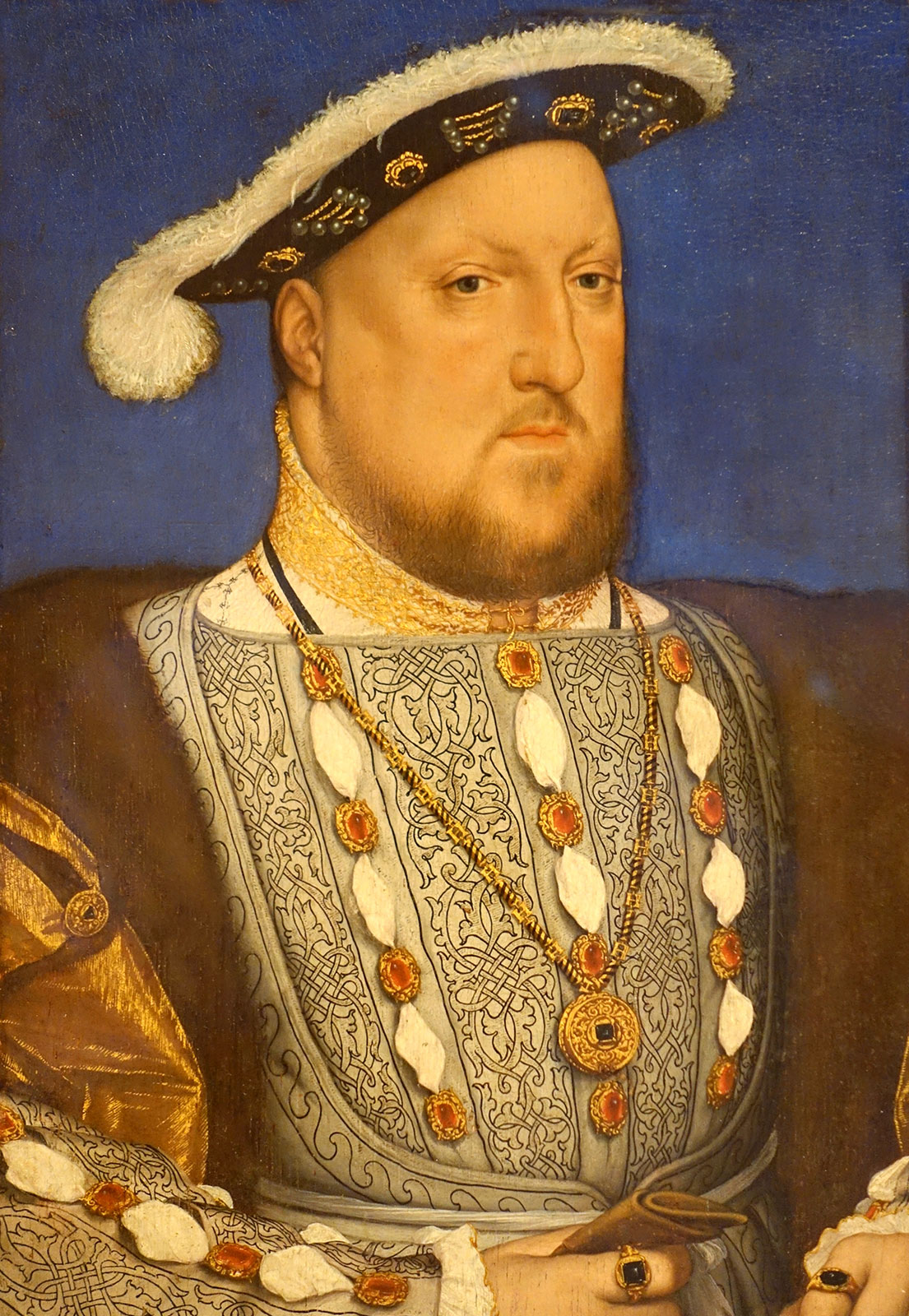
Henry VIII
HENRY VIII (1509-1547)
Through the Act of Supremacy in 1534, he replaced the Pope as the Head of the Church under Henrician Catholicism. Priests were still not allowed to marry, while church services and prayers were delivered in Latin.
Note
Sir Thomas More was executed when he refused to take the Oath of Supremacy. In the same year, a Treason Act was enacted.
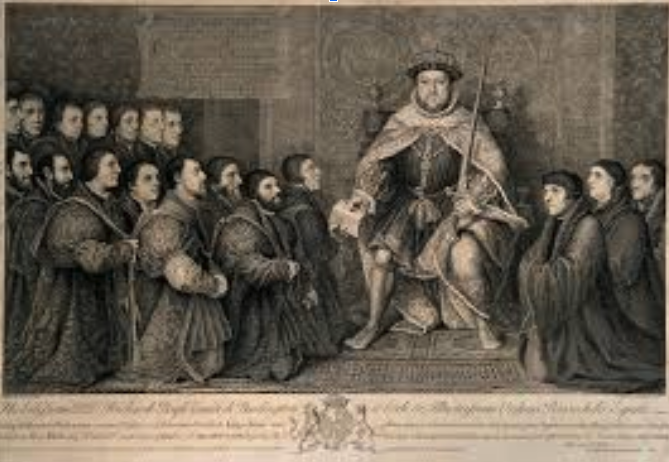
Henry VIII as the Head of the Church of England
Note
Another significant change during the rule of Henry VIII was the dissolution of monasteries. This meant that criminals could no longer use the church as a sanctuary or place of asylum.
To claim sanctuary, an accused criminal would need to get to a chapel, monastery or church to be protected. They would ring a bell, or knock on a particular door, or sit in a specific chair called a frith stool. In other places, the sanctuary also extended to around a church or abbey. Stone sanctuary crosses marked the boundaries of the area.
Thus, it was essentially a race for a suspected criminal and law enforcement to get to the nearest sanctuary.
Once in the sanctuary, the asylum had to confess his sins, hand over his weapons, and be supervised by the Church. He also only had 40 days to decide whether to turn himself over to the authorities or go into exile. Returning would mean execution or excommunication.
Note
Henry VIII changed the rules of asylum and reduced the number of crimes that people could claim sanctuary for, and with the dissolution of monasteries, there were fewer places for people to claim asylum.
Note
EDWARD VI (1547-1553)
As king, Edward VI was the Head of the Church under the Protestant religion. An English Book of Common Prayer was introduced, while Latin Mass was abolished.
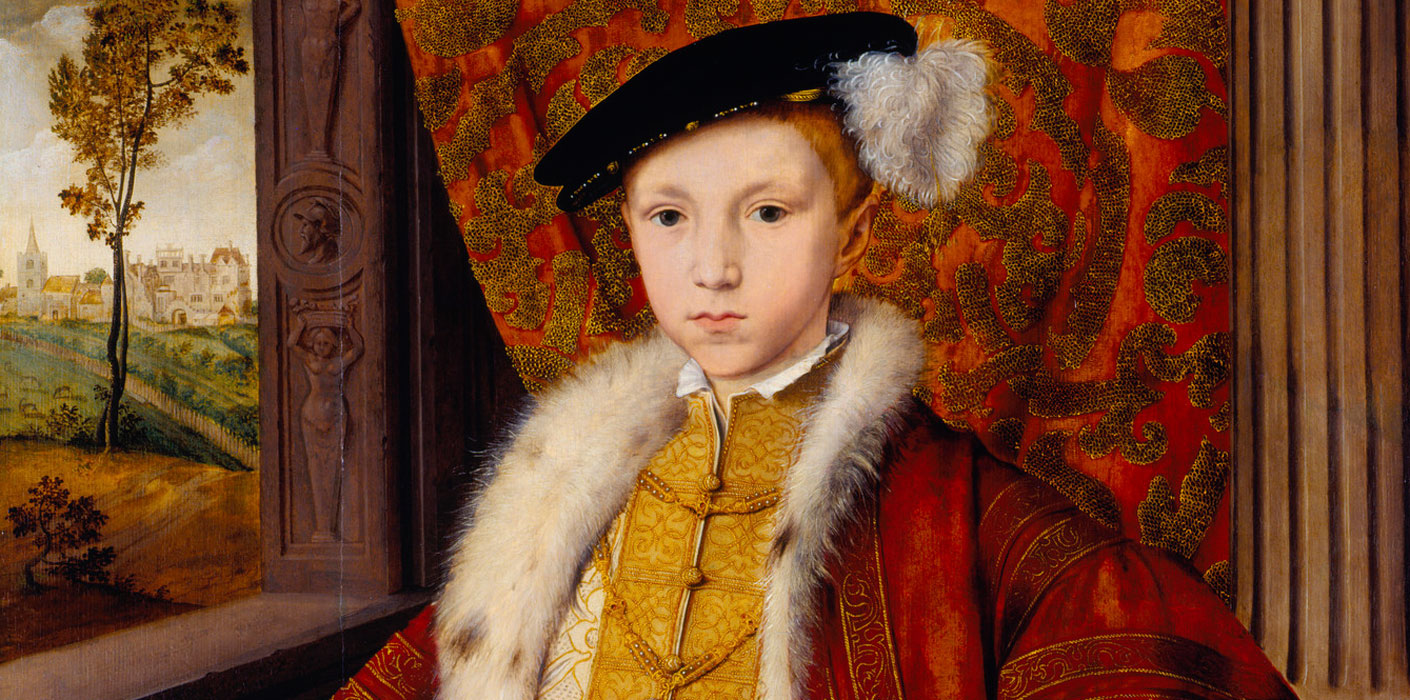
Edward VI
Note
MARY I (1553-1558)
Named "Bloody Mary", Mary Tudor returned Roman Catholicism to England. She restored the power of the Pope as Head of the Church. Services and prayers were returned to Latin. Priests who had married during the reign of Edward VI had to separate from their wives. Protestants were publicly executed.
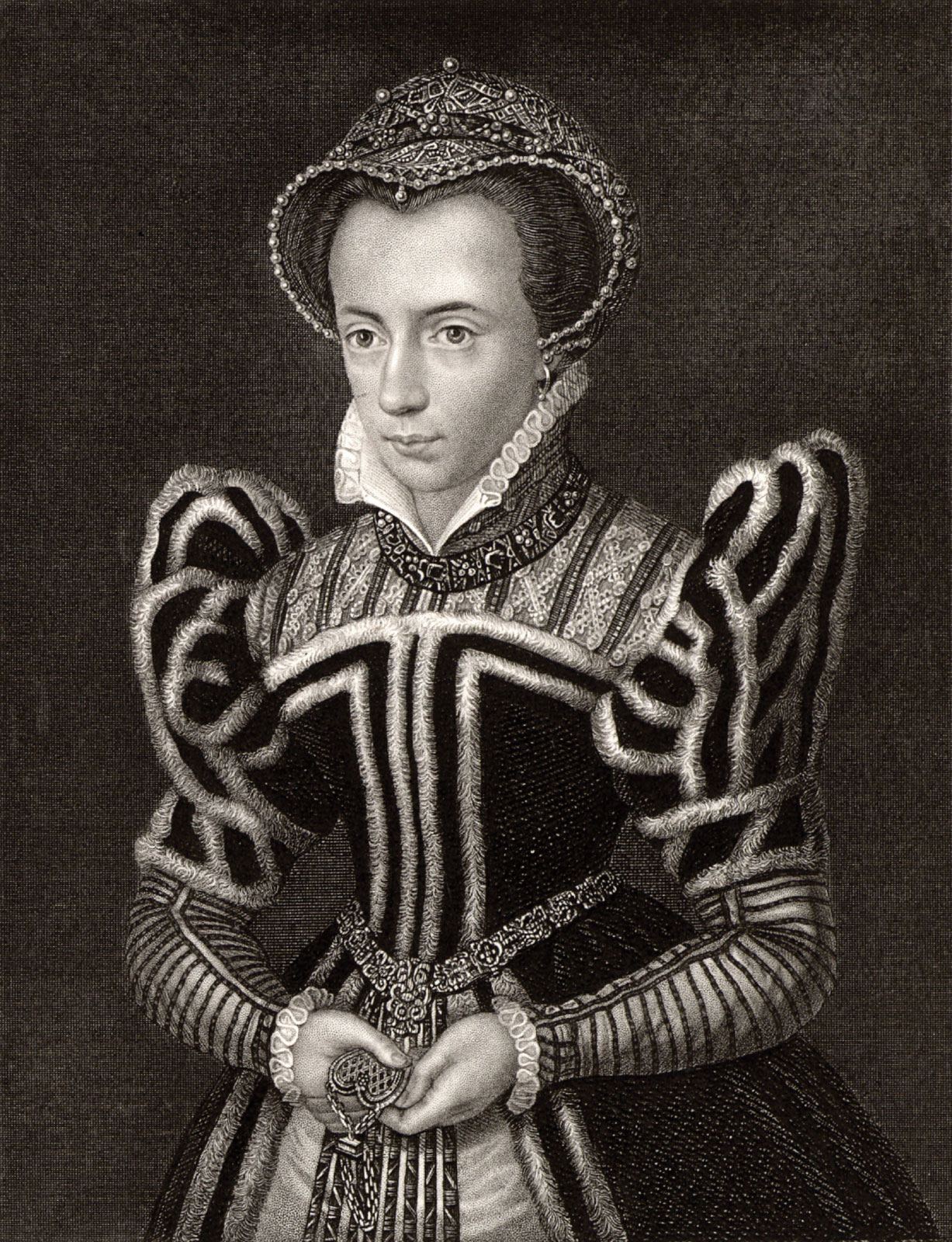
Mary I
Note
ELIZABETH I (1558-1603)
Also known as the Protestant Queen, Elizabeth I named herself as the Supreme Governor of the Church. Prayers and church services were again to held in English.
During Elizabeth's reign, a number of Catholic plots were arranged to replace her with her Catholic cousin, Mary Queen of Scots. It is said that only four were executed of heresy, but about 250 Catholics were put to death for treason.
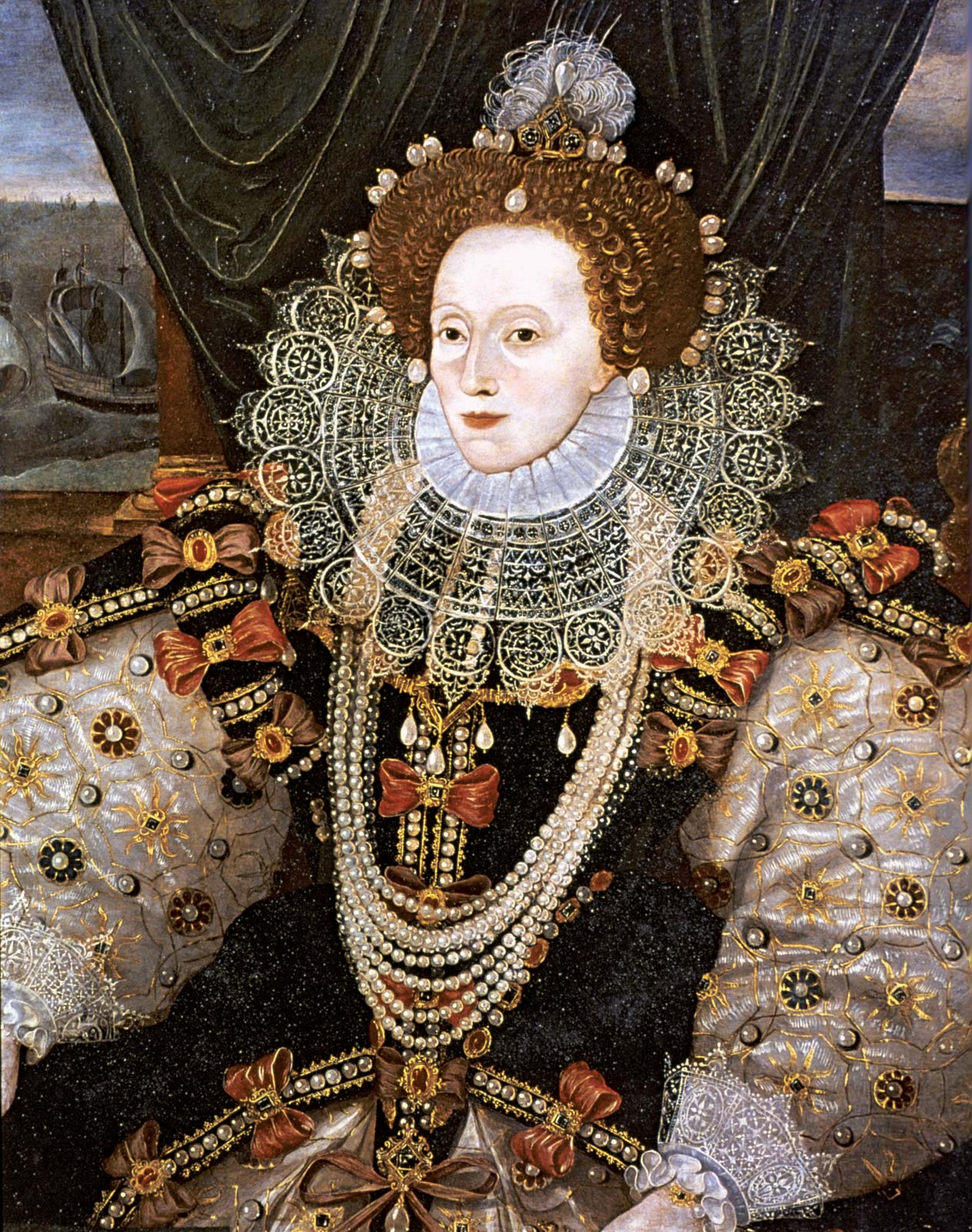
Elizabeth I
Religion during the Stuart period
During the reign of James I, he fined Catholics who were not attending the Church of England services. As a result, a Catholic plot was put in place to blow up the Parliament in 1605. It became known as the Gunpowder Plot. The main plotters, including Guy Fawkes and Robert Catesby, were arrested for high treason. Son and successor of James I, Charles I introduced a type of Protestantism - Arminianism which caused a civil war and later his death. During the interregnum, Puritan leader Oliver Cromwell dominated religion and politics in England.
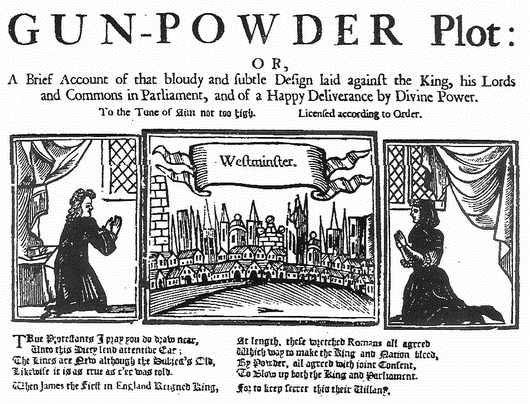
Report of the plot in the late 17th or early 18th century
Note
In every society, laws exist to guide and protect people. When a person breaks a law, a crime takes place. As with laws, crime and punishment also change over time. Crimes could be planned or not. Throughout history, there are a couple of reasons why people commit different crimes.
Between 1485 and 1603, the Tudor period occurred in England and Wales. The House of Tudor began with Henry VII and ended with Elizabeth I. According to historian John Guy, England was economically prosperous during this period. Trade and commerce increased, making rich people richer, while the poor did not gain much.
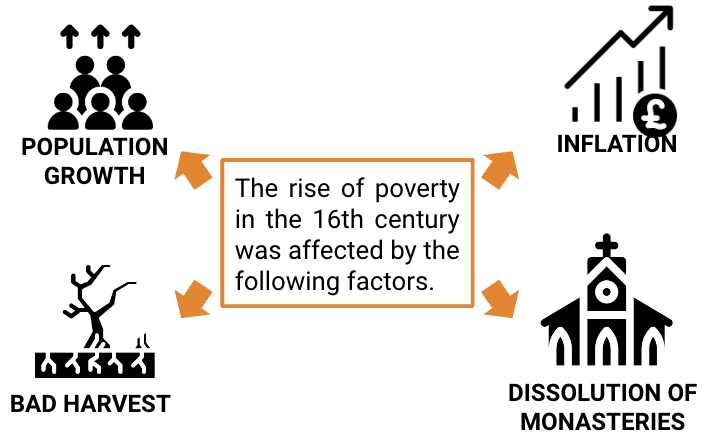

POPULATION GROWTH
In 1500, the population of England and Wales was roughly 2.9 million, which increased to 4.5 million by 1600. As a result of this increase, demand for basic needs such as food, clothing and housing also increased. Available jobs were also insufficient. Following the end of the Wars of the Roses, Henry VII disbanded private armies which led many to lose their jobs.

BAD HARVEST
In 1556, 1596 and 1597, bad harvests led many rural workers to seek job opportunities in towns. Moreover, the cost of renting lands increased due to rack-renting or the shift to sheep farming.

INFLATION
As the population in England and Wales grew, the price of goods also increased. Many faced poverty and opted to search for help and food on the streets. In addition, an increase in taxation brought by foreign wars also burdened the poor.

DISSOLUTION OF MONASTERIES
During the reign of Henry VIII, monasteries were dissolved, which led to many monks, servants and nuns being unemployed. The closure of monasteries also meant the loss of help for the poor, elderly, lepers and sick.