Industrialisation and the growth of empire (OCR GCSE History A (Explaining the Modern World)): Revision Notes
📚Revision Notes
Industrialisation and the growth of the empire
An increased supply of jobs became available as soon as the Industrial Revolution began in Britain in the mid-18th century. Consequently, there became a need for migrant labour, as the vacancies were not all being filled by the urban residents. A large number of people from rural areas were also moving to the cities quickly.
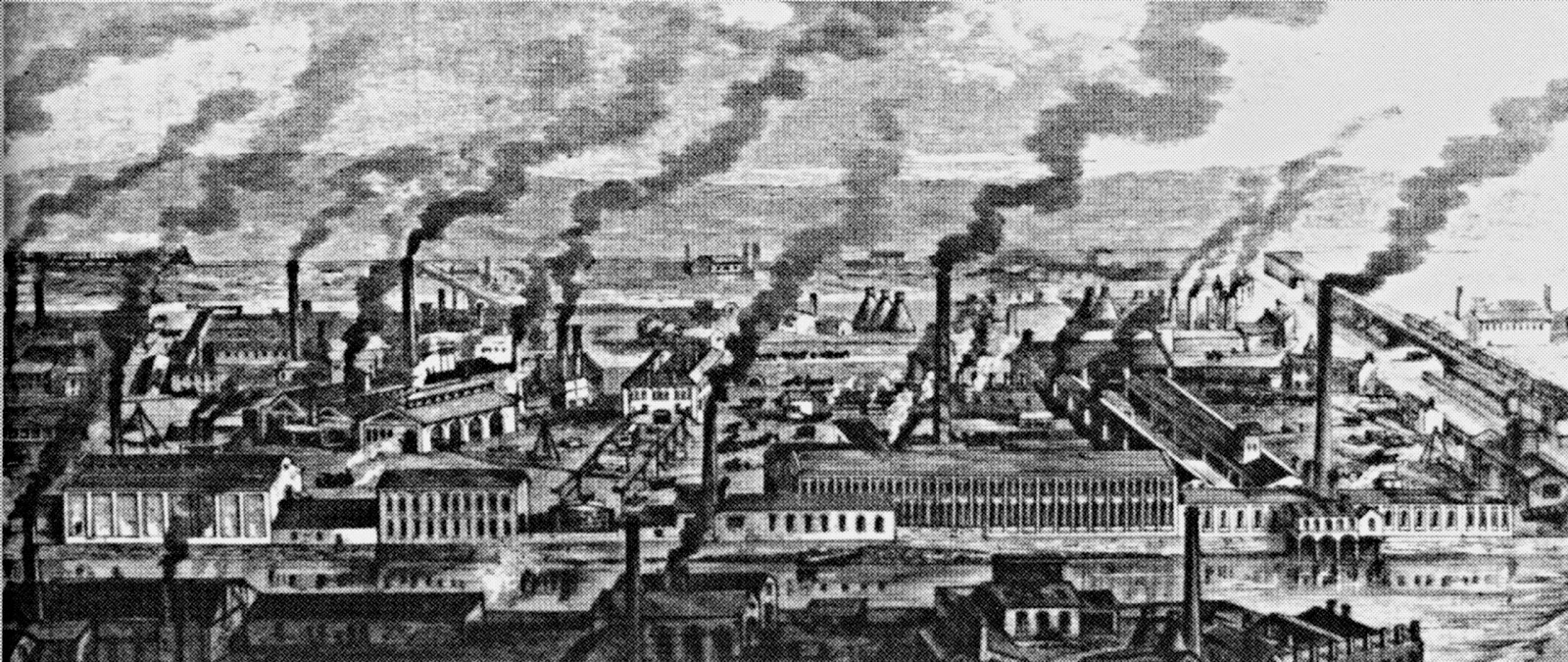
The top industries that needed such labour were transportation, textile production, coal mining, and manufacturing factories and mills.


Britain's export of goods also increased, which led to many seamen from overseas being hired to work on ships and in ports.
Britain also favoured entrepreneurialism and new business ideas, unlike other countries. Small business owners set up shop in the clothing and food industries. This attracted entrepreneurs and merchants from other countries to Britain. They viewed Britain as the place where better life awaited.
A larger migrant population meant new and bigger infrastructure to support them was needed, such as housing, roads and social services.

"An unprecedented explosion of new ideas, and new technological inventions, transformed our use of energy, creating an increasingly industrial and urbanised country. Roads, railways and canals were built. Great cities appeared. Scores of factories and mills sprang up. Our landscape would never be the same again. It was a revolution that transformed not only the country, but the world itself." — British historian Jeremy Black on the BBC's "Why the Industrial Revolution Happened Here."
THE INDUSTRIAL REVOLUTION
Many Irish migrants of the 19th century chose America and Canada to find work. The boat fare across the Atlantic was very expensive, however, meaning those who couldn't afford the trip migrated to Britain.
The Industrial Revolution had turned Britain into the workshop of the world with a strong import and export economy. Irish immigrants found work in the construction industry, particularly the railways.
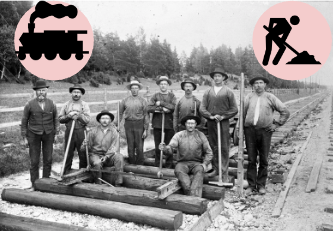
The term 'navvy' refers to Irish workers who migrated to Britain after the Great Famine.
Note
As migrant workers populated the cities, naturally, they settled in places where their own language and culture thrived. As a result, certain areas were associated with specific migrant groups and their cultures. Liverpool and Glasgow, for instance, were populated by Irish migrants. Over a million Irish migrants settled in Britain following the Great Famine in the 1840s. Jewish migration also increased significantly as they were being persecuted in eastern Europe at the time.

Restaurants and larger businesses took over mass food production. Food became more accessible as an agriculture-centered society shifted to an industrialised one. One of the most common meals in this era was boiled bacon and cabbage.

Corporations provided sports facilities for their employees, as a way to encourage loyalty and aid productivity in their workforce. These were available to both men and women. Cricket, rugby and football are examples.

Industrialisation also saw the rise of commercial entertainment. Music halls, circuses and theatres grew popular. Consequently, productions were professionally managed, regulated and licensed.