Elizabeth and her parliaments including opposition from Puritans (OCR GCSE History A (Explaining the Modern World)): Revision Notes
📚Revision Notes
Elizabeth and her parliaments including opposition from Puritans
Elizabeth and her parliaments including opposition from Puritans
Parliament
- The Parliament during the reign of Elizabeth I was tightly controlled and held less power and representation than it does today.
- There were two constituents: the House of Lords (90 members) and the House of Commons (450 elected MPs).
- It consisted of men voted in by wealthy landowners.
- Parliament could only meet if Elizabeth called it, set the agenda and they followed the allowed discussion.
- The subject of marriage and having children were strictly off limits.
- Elizabeth mainly used Parliament to grant her taxes - this was her main income.
- Elizabeth could close Parliament at any time. It met only 13 times in her 45-year reign.
- Privy Councillors attended in order to control proceedings and discuss key issues.
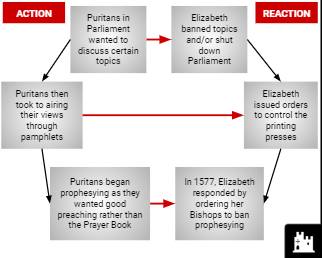
- During Elizabeth's reign however, MPs became more assertive and influential. They were in conflict with Elizabeth over certain issues.
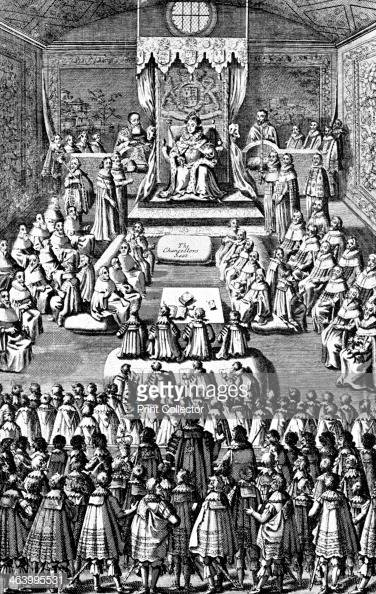
Etching depicting Elizabeth in Parliament.
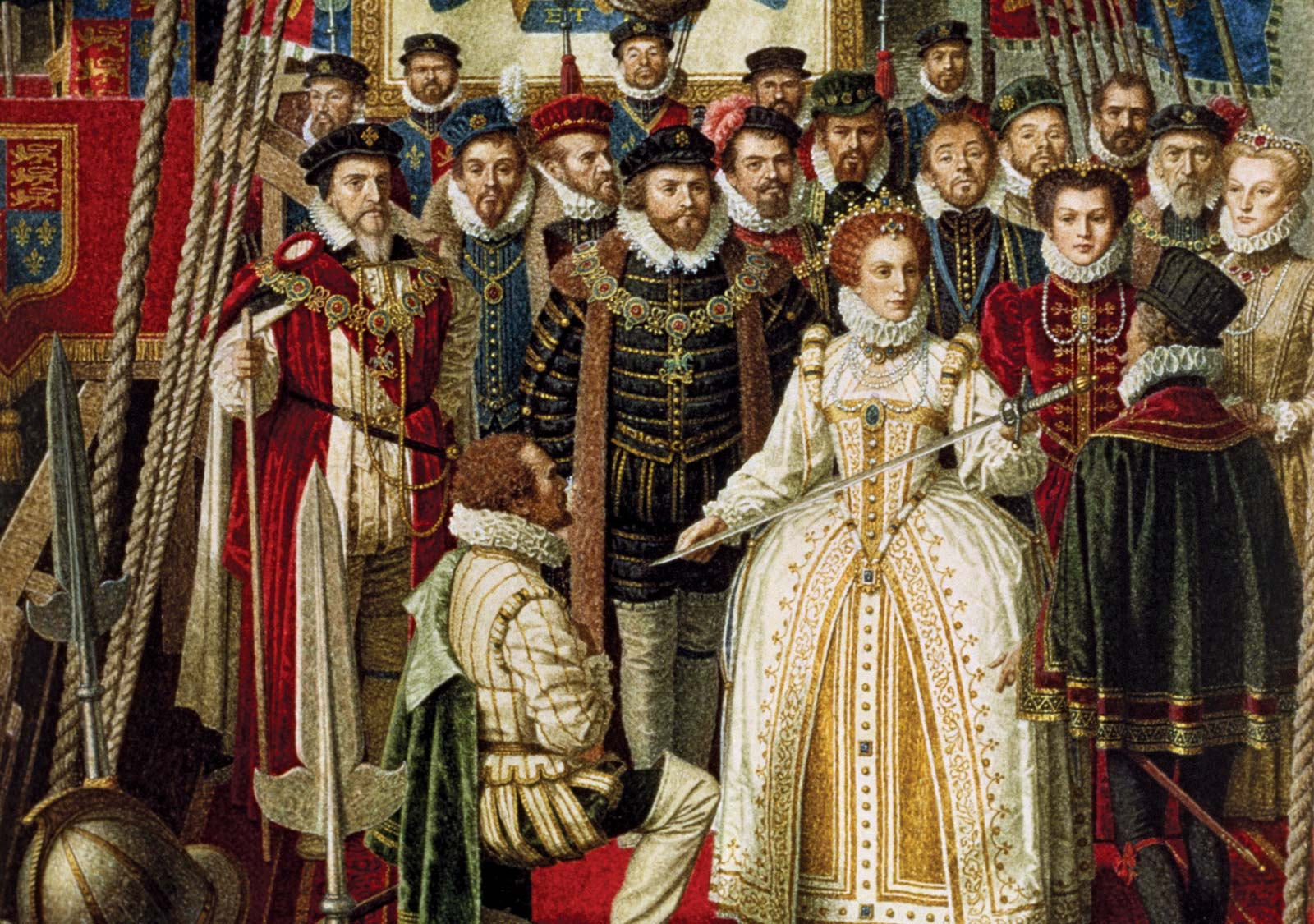
What did the Parliament accomplish in Elizabeth I's reign?
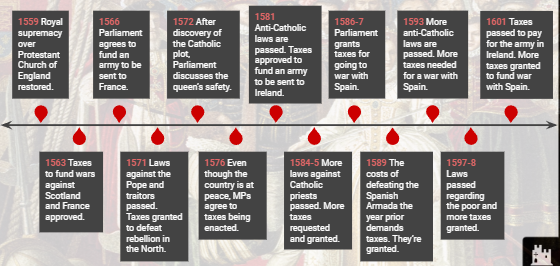
Opposition from Puritans
Problematic Puritan MPs
Puritan MPs didn't challenge Elizabeth's legitimacy like Catholics, but they were difficult to deal with. Many were wealthy and were MPs in Parliament.
Walter Strickland
In 1571, this MP introduced a bill into the Commons to change the Prayer Book along Puritan lines. Elizabeth closed Parliament and banned bills to do with religion.
Peter Wentworth
Along with Puritans, this MP challenged Elizabeth over freedom of speech in order to discuss religious policy. He was imprisoned a number of times for raising the issue.
Anthony Cope
In 1586, Anthony Cope was imprisoned with Wentworth after introducing a bill to change the Religious Settlement. This forced Puritans to find other ways to gain influence.
Note
Parliament in the Elizabethan Era had limited power and was basically there to pass bills.
Puritans in the Privy Council
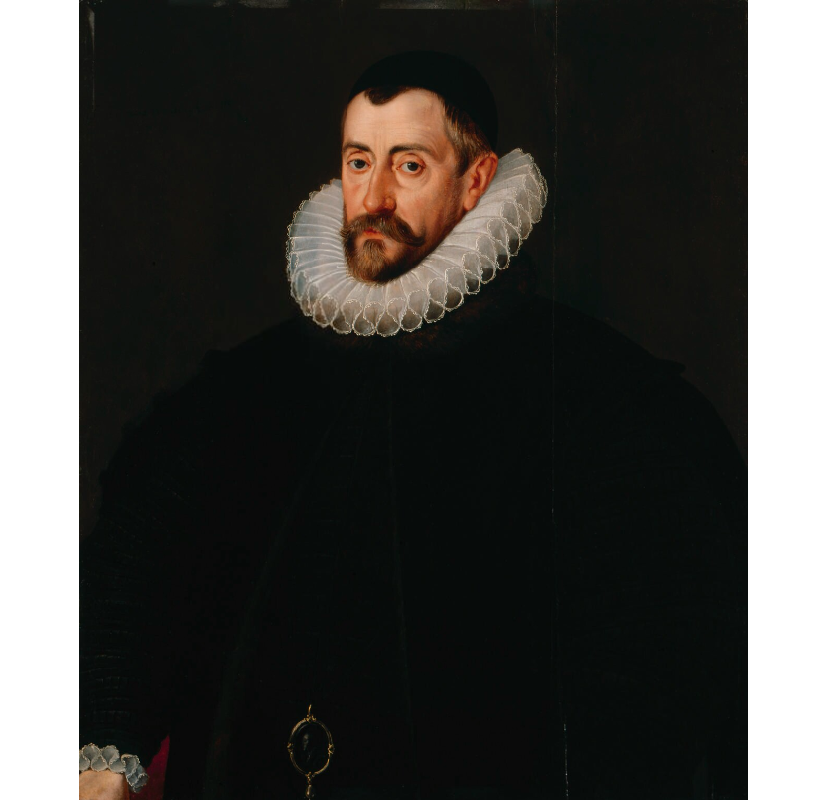
Sir Francis Walsingham
- Elizabeth also faced a challenge from the Puritans in the Privy Council.
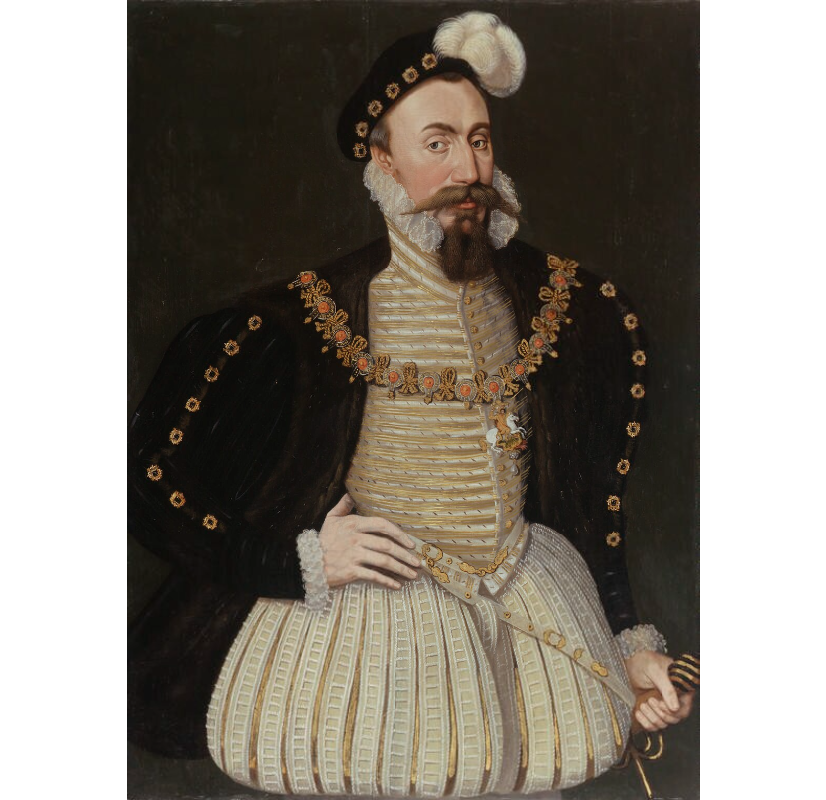
Robert Dudley, 1st Earl of Leicester
- Unlike the radical MPs and priests, they were relatively moderate and hoped to introduce more reforms by taking a softer approach with Elizabeth.
How did Elizabeth respond to Puritan opposition?