Elizabeth and her people including local government and propaganda (OCR GCSE History A (Explaining the Modern World)): Revision Notes
📚Revision Notes
Elizabeth and her people including local government and propaganda
Local government
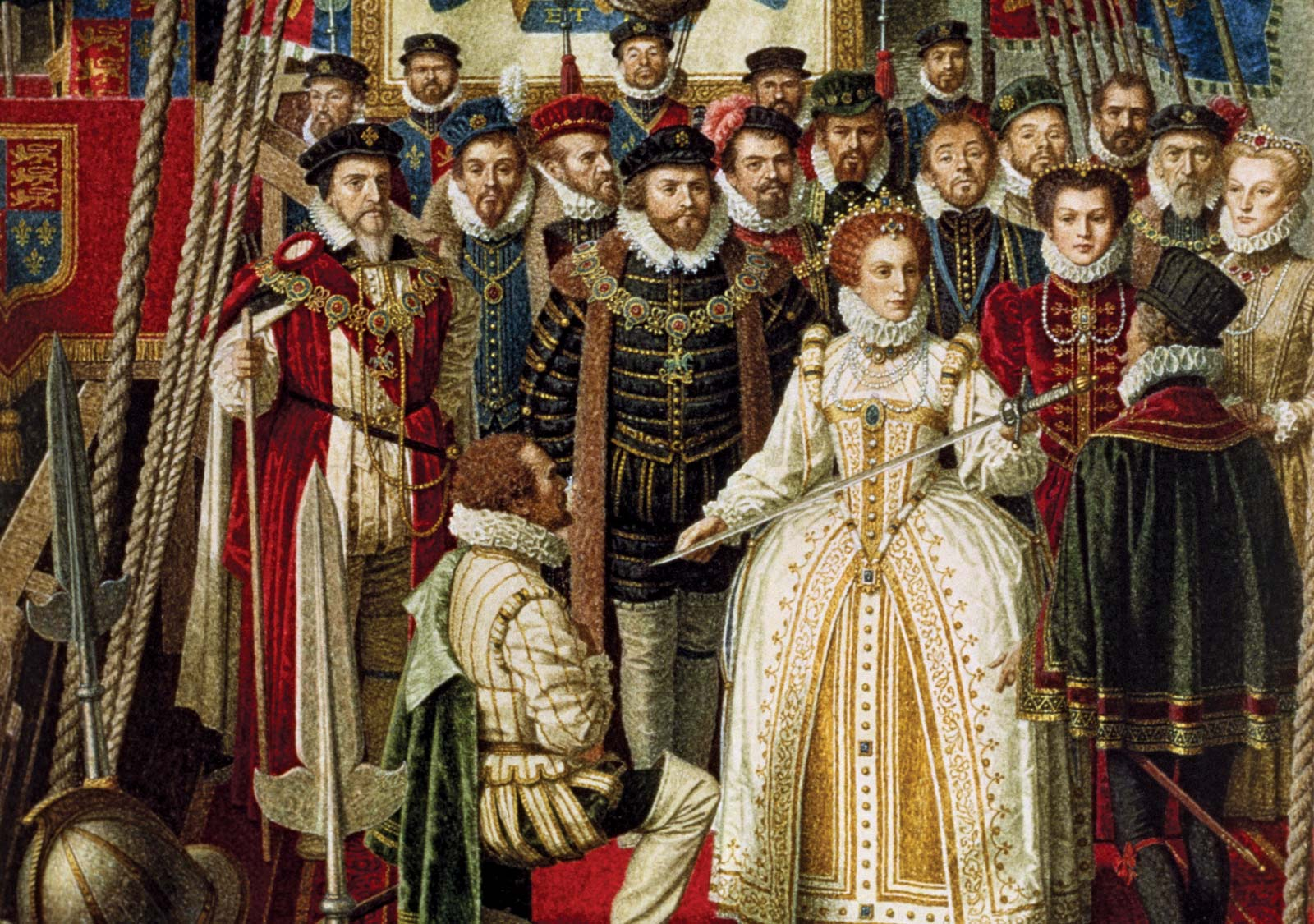
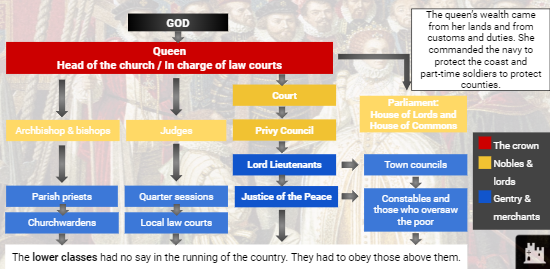
Local governments were an important mechanism for peace and order as travel and communication from London was slow. Its role was to uphold law and order.
- Local governments helped Elizabeth move power away from noble families in the counties.
- Sheriffs and Justices of the Peace (JPs) operated at local government level.
- Sheriffs oversaw legal affairs
- JPs were mostly unpaid and were generally wealthy country gentlemen. They were important to Elizabeth and their workload increased under her reign. Their job was to deal with criminal offences, supervise those looking after the poor, ensure royal proclamations and laws were implemented.
- JPs were supported by parish constables, night watchmen and overseers of the poor.
Propaganda
With the difficulties and challenges that came as a female and Protestant ruler, Elizabeth I recognised the power of propaganda in her rule. She used propaganda to control her people and to manipulate her own image in a variety of measures.
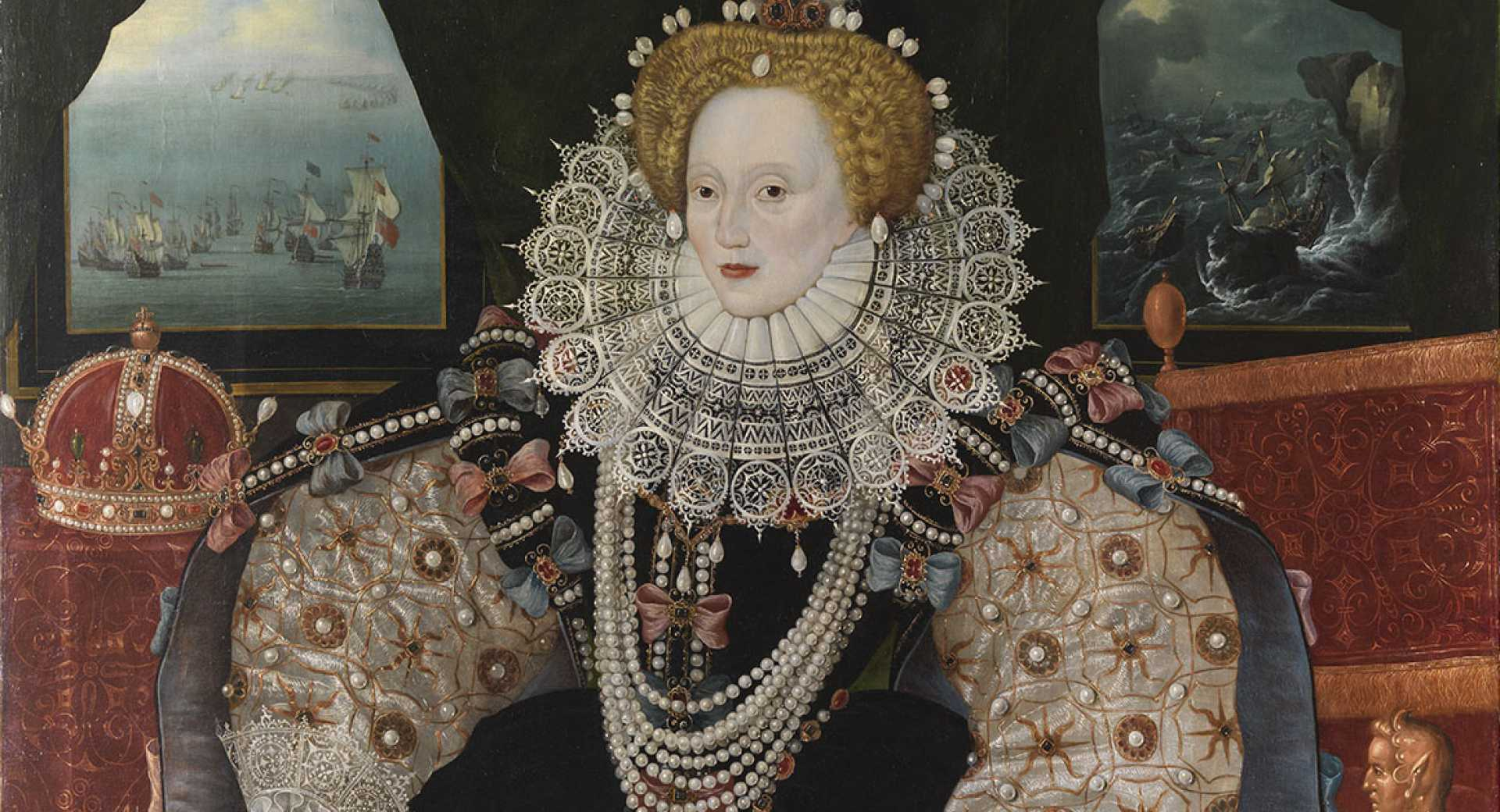
The portraits of the queen were controlled, making sure that the queen was made to look as beautiful and ageless as possible.
The queen kept an eye on her nobles and was seen by her subjects during the summer progresses.
Attending church was compulsory, especially on the annual thanksgiving service on the queen's Ascension day.
Printing presses in the country were censored by the Privy council.
A special prayer for the Queen's Majesty was included at each service.
The speeches made by the queen were circulated to gain the loyalty and favour of her subjects.
The queen went on summer progresses to win the support of the people but the threats from Catholics, Puritans and people who challenged her position made her extremely wary of travelling around the country. Portraits of the queen were then copied and distributed throughout the country instead, so she could show herself to the people.
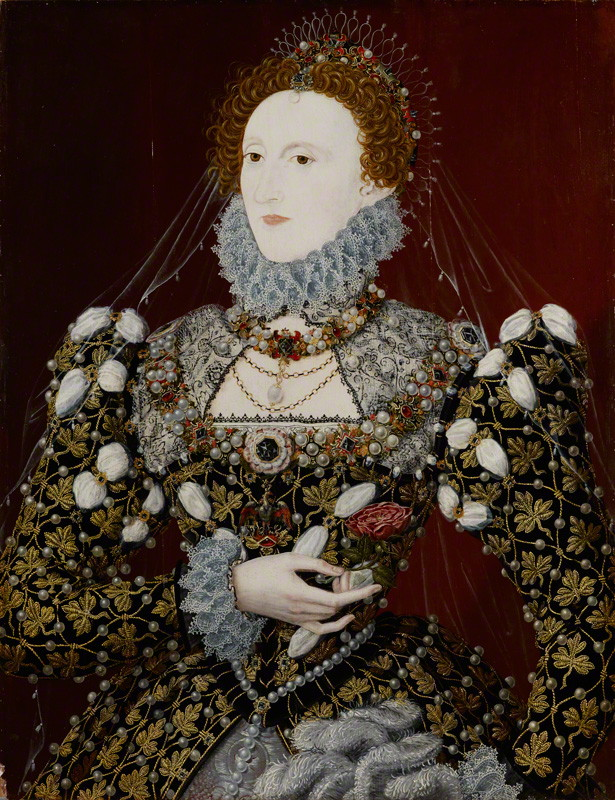
Queen Elizabeth I, associated with Nicholas Hilliard, c. 1575
Throughout her reign, the portraits showed her as a pure, strong and magnificent ruler in keeping with the Gloriana myth. Portraits were therefore an effective and powerful propaganda. They were even encouraged by the queen to be shown off as a luxury fashion accessory.
Glossary of terms
Patronage
A system of using wealth, power and influence to maintain the loyalty of receivers, i.e. patrons
Privy Council
A group of senior politicians who advise the head of state, usually a monarch
Divine Right
Asserts that a monarch is subject to no earthly authority, instead deriving their right to rule directly from the will of God
Progress
A state journey or official tour, especially by royalty
Parliament
Legislative body of government, consisting of the sovereign, the House of Lords, and the House of Commons
Puritan
English Protestant, demanding the simplification of doctrine and worship, and greater strictness in religious discipline
Propaganda
Dissemination of information to influence public opinion
Gloriana
The name given by Edmund Spenser to his character representing Queen Elizabeth I in his poem The Faerie Queene, in which he described the queen as the 'greatest glorious queen of Faery land'
Exam Practise
Task 1
Using your knowledge and analysis, write about how the source relates to the features of Elizabethan government. Include in the discussion the roles of the Parliament, Privy Council, Court and the local government.
"And yet consideringe I am Gods creature, ordeyned to obey his appoyntment I will therto yelde, desiringe from the bottome of my harte that I may have assistance of his grace to bee the minister of his heavenly will in this office nowe commytted to me, And as I am but one bodye naturallye considered though by his permission a bodye politique to governe, so I shall desyre yow all my Lordes (cheiflye yow of the nobility every one in his degree and power) to bee assistant to me..."
- Elizabeth I to the Lords, first speech, 1558
Task 2
"You can beg pardons for these wretches, but would never speak a word for the gallant Essex, whose loss to myself and the Nation can never be recovered."
- Elizabeth I to her courtiers
Task 3
Analyse the source and discuss its significance in Elizabethan propaganda. Include in your discussion the historical context and the symbols used in the source that benefited the image of the Crown.
Armada portrait