Shapes of graphs (OCR GCSE Maths): Revision Notes
📚Revision Notes
Shapes of Graphs
Understanding the Shapes of Graphs
When dealing with quadratic and cubic graphs, it's important to recognise the general shapes based on the type of equation you are working with. This can help you predict the graph's behaviour and avoid errors when plotting.
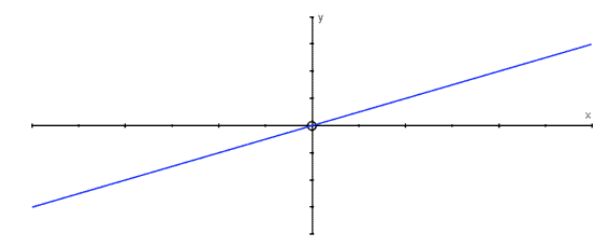
1. Positive
- Equation: The highest power of is , and the term is positive.
- General Shape: A straight line that slopes upwards from left to right.
Note
- Examples:
Graph Explanation:
- These graphs will always rise as you move from left to right on the coordinate plane.
- The slope (gradient) is positive, indicating that as increases, also increases.
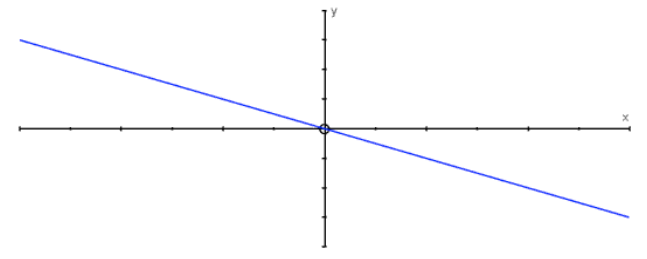
2. Negative
- Equation: The highest power of is , and the term is negative.
- General Shape: A straight line that slopes downwards from left to right.
Note
- Examples:
Graph Explanation:
- These graphs will always fall as you move from left to right on the coordinate plane.
- The slope (gradient) is negative, indicating that as increases, decreases.
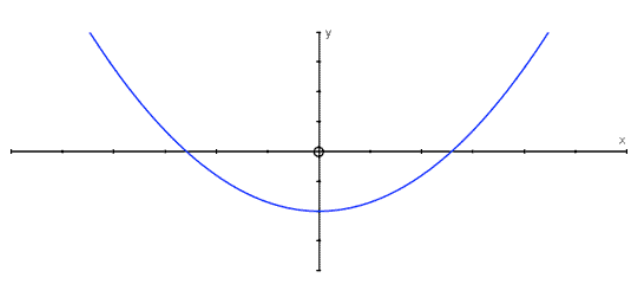
3. Positive
- Equation: The highest power of is , and the term is positive.
- General Shape: A parabola that opens upwards.
Note
- Examples:
Explanation:
- These equations produce U-shaped curves (parabolas) that open upwards.
- The graph indicates that as x moves away from increases.
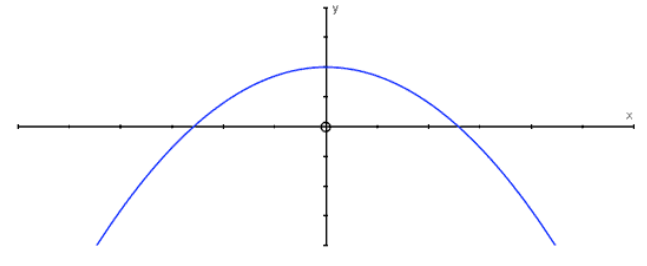
4. Negative
- Equation: The highest power of is , and the term is negative.
- General Shape: A parabola that opens downwards.
Note
- Examples:
Explanation:
- These equations produce an inverted U-shaped curve (parabola) that opens downwards.
- The graph shows that as moves away from decreases.
5. Positive
- Equation: The highest power of is , and the term is positive.
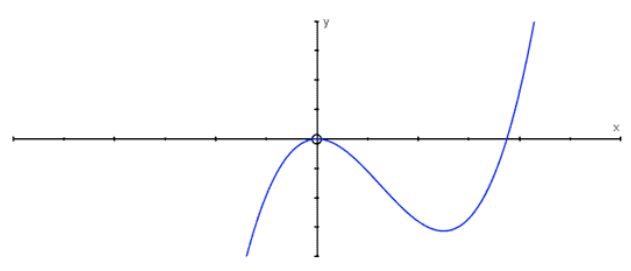
- General Shape: A cubic curve that starts from the bottom left, curves upwards through the origin, and then continues to rise steeply.
Note
- Examples:
Explanation:
- These equations produce an S-shaped curve that starts low, curves upward through the origin (or another point if shifted), and rises sharply as increases.
6. Negative
- Equation: The highest power of is , and the term is negative.
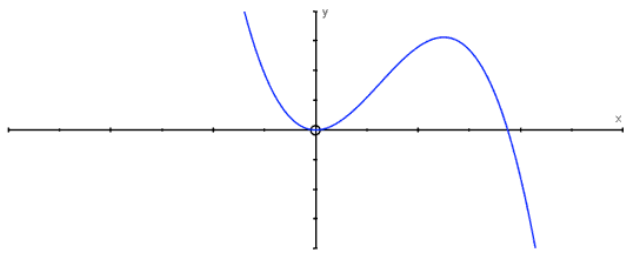
- General Shape: A cubic curve that starts from the top left, curves downwards through the origin, and then continues to fall steeply.
Note
- Examples:
Explanation:
- These equations produce an inverted S-shaped curve that starts high, curves downward through the origin (or another point if shifted), and falls sharply as increases.
7. Positive Reciprocal
- Equation: Contains a fraction with a positive on the bottom.
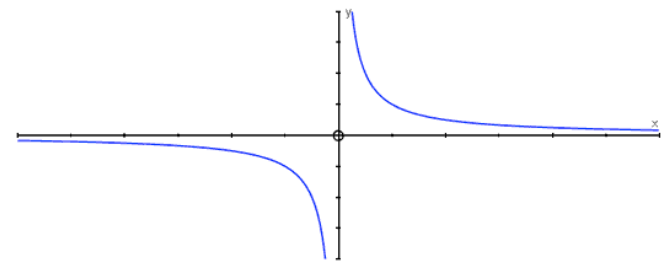
- General Shape: A hyperbola that exists in the first and third quadrants of the Cartesian plane. The graph approaches but never touches the axis or axis (asymptotes).
Note
- Examples:
Explanation:
- These equations produce a graph that falls as increases in the first quadrant and rises as decreases in the third quadrant. As approaches zero, the function's value increases or decreases sharply, indicating that the graph will never touch the axes (asymptotes).
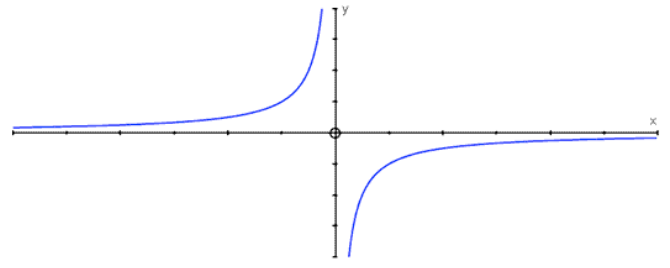
8. Negative Reciprocal
- Equation: Contains a fraction with a negative on the bottom.
- General Shape: A hyperbola that exists in the second and fourth quadrants of the Cartesian plane. Like the positive reciprocal, the graph approaches but never touches the axis or axis (asymptotes).
Note
- Examples:
Explanation:
- These equations produce a graph that rises as decreases in the second quadrant and falls as increases in the fourth quadrant. Again, as approaches zero, the graph's value increases or decreases sharply, ensuring the graph does not touch the axes (asymptotes).